


Epoxy Flooring in Westlake, FL
Floors That Actually Handle Florida Weather
Hear from Our Customers
Professional Epoxy Specialists Westlake
You’re tired of floors that can’t keep up. Concrete that stains every time someone spills coffee. Surfaces that look worn out after six months of Florida weather.
Here’s what changes when you get proper epoxy flooring: No more scrubbing oil stains that won’t budge. No more replacing sections that cracked from humidity swings. No more apologizing for how your garage or workspace looks.
Your floors become the part of your property you’re actually proud to show people. Easy to clean with just a mop and water. Built to last decades, not years.
Epoxy Flooring Contractors Westlake FL
We’ve been installing epoxy systems across South Florida for years, and we’ve learned exactly what works in this climate. We’re not the company that shows up with generic solutions and hopes for the best.
Westlake’s rapid growth means new homes and businesses need flooring that can handle the demands of modern life. We’ve worked with everyone from homeowners transforming their garages to major commercial facilities that can’t afford downtime.
When you’re investing in a floor that needs to perform for decades, you want contractors who understand how humidity affects curing, why surface prep matters more here than anywhere else, and which epoxy formulations actually hold up to Florida’s unique challenges.
Epoxy Installation Process Westlake
First, we evaluate your existing surface. Not every concrete is ready for epoxy, and rushing this step is how other contractors create problems later. We check for moisture issues, existing damage, and proper substrate conditions.
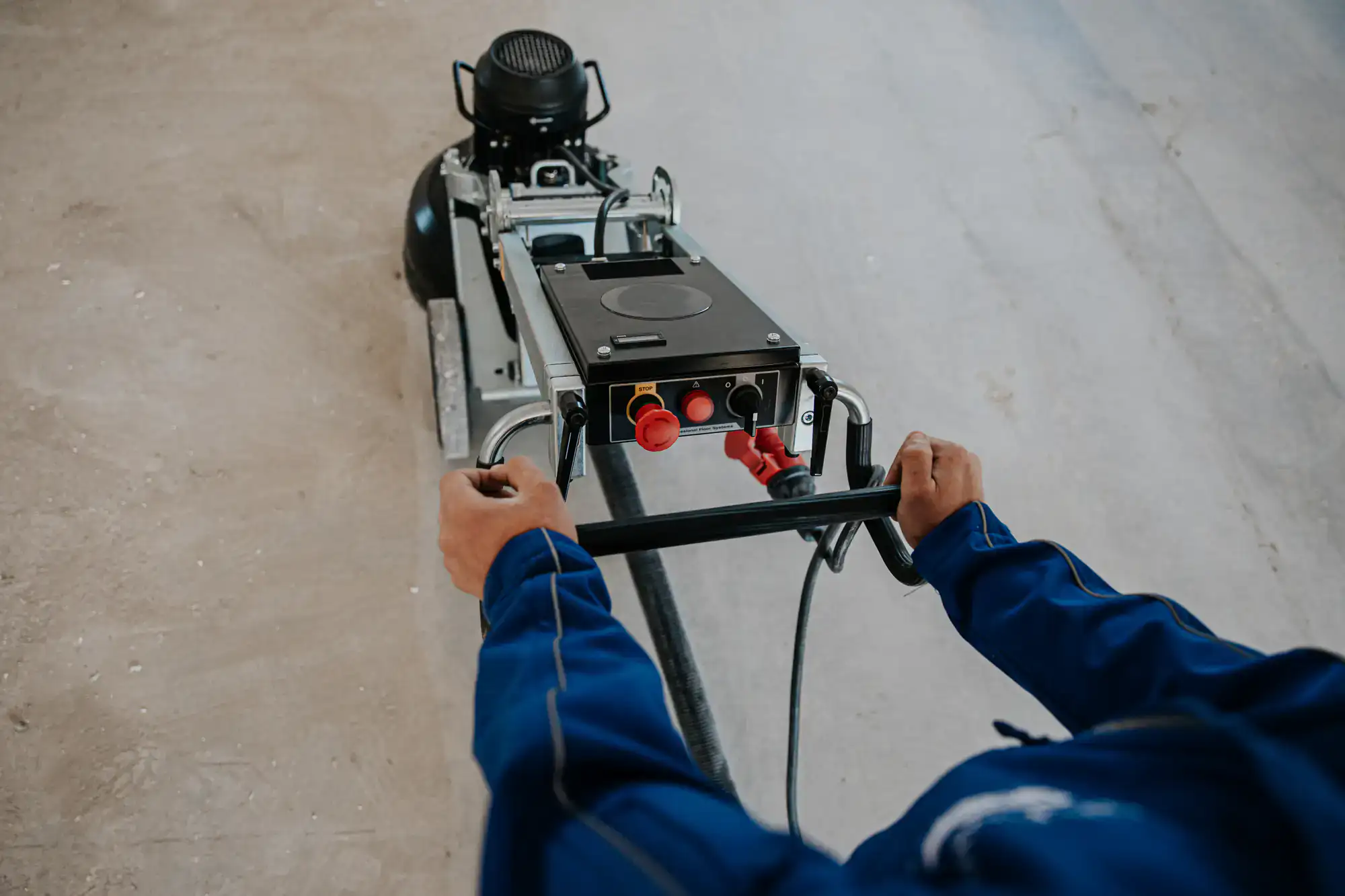
Next comes surface preparation. This isn’t just cleaning—we’re creating the right profile for adhesion. We remove any existing coatings, repair cracks, and ensure the surface can properly bond with the epoxy system.
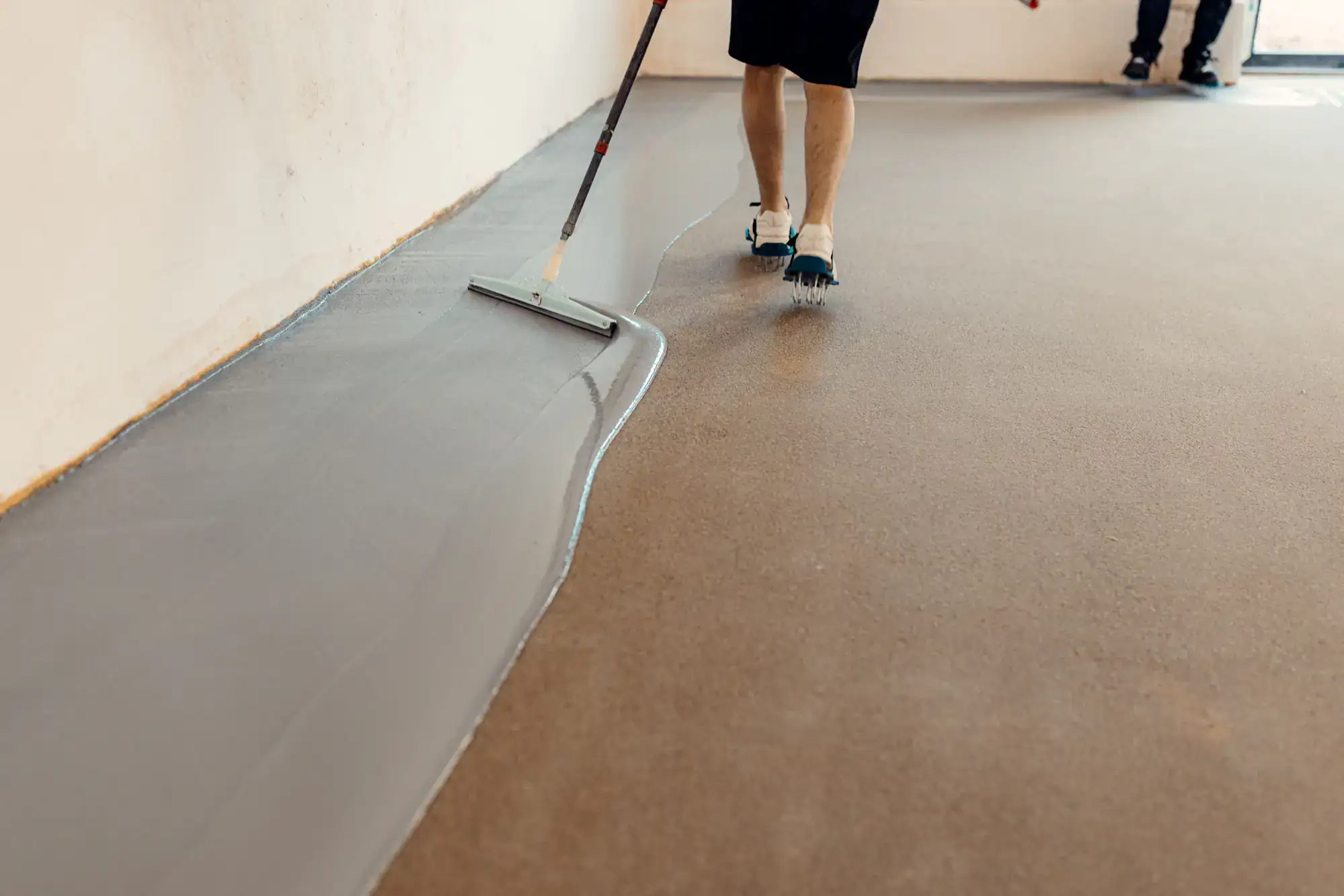
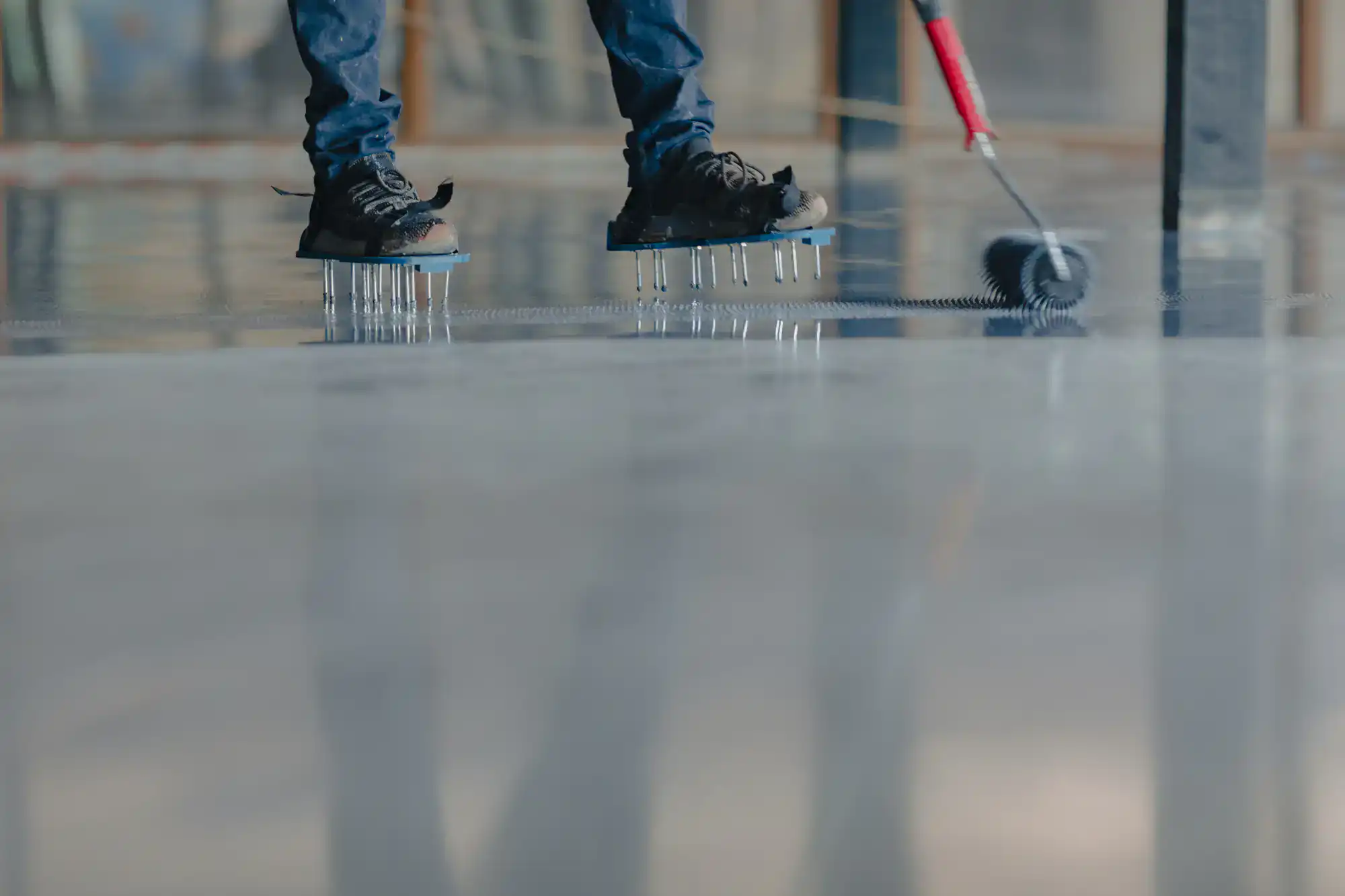
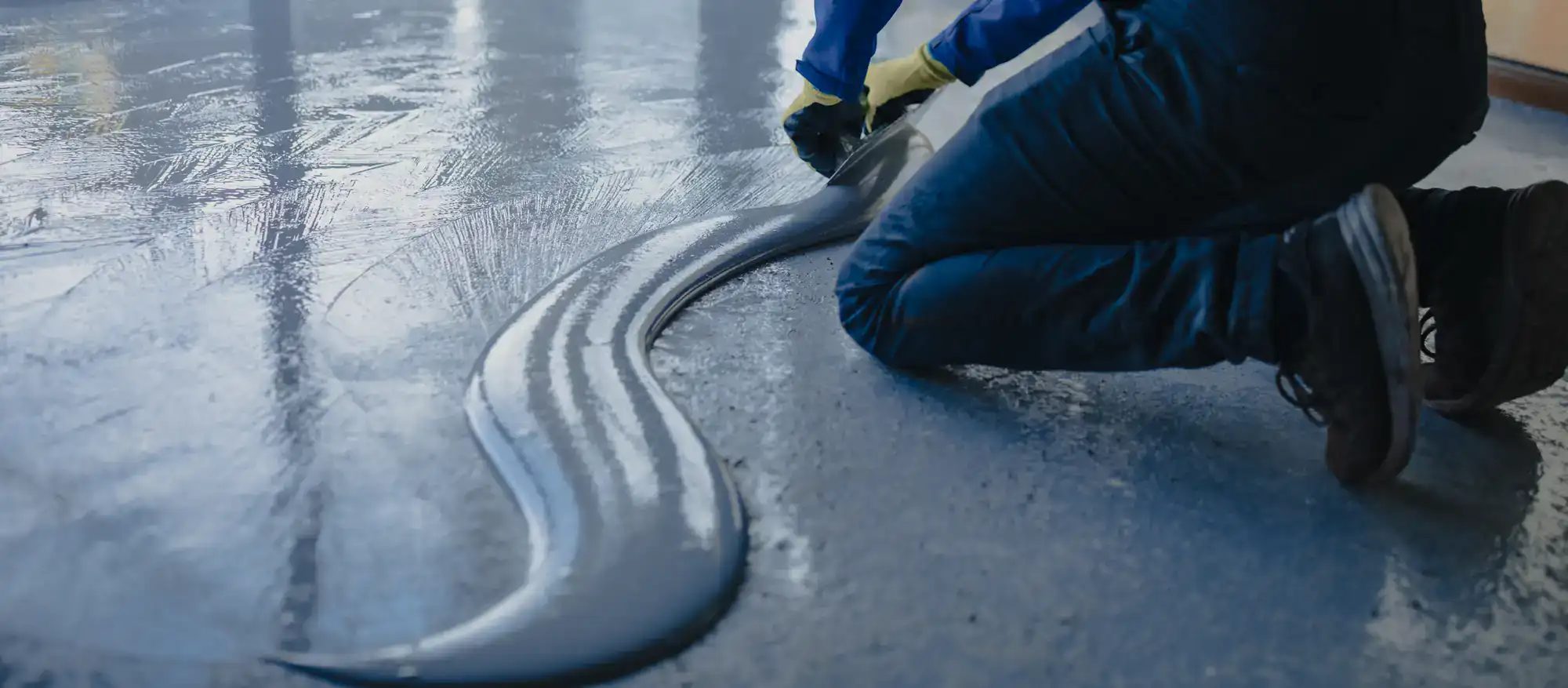
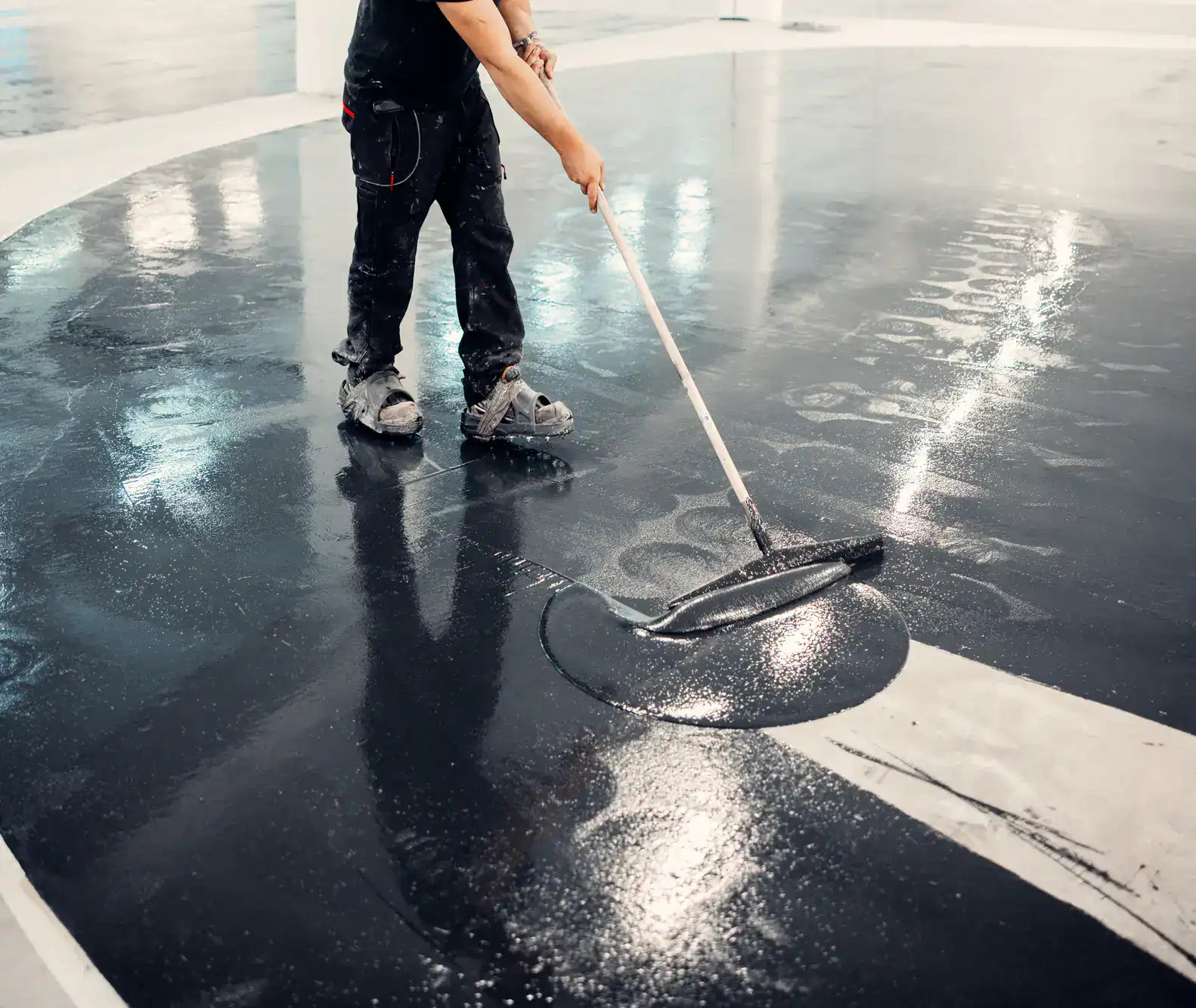
Then we apply the epoxy in multiple coats, timing each layer perfectly for Florida’s humidity levels. We control temperature and moisture during curing because that’s what separates professional installation from weekend projects that fail in two years. The result is a seamless, durable surface that performs exactly as promised.
Ready to get started?
Epoxy Flooring Systems Westlake FL
Every epoxy system we install includes proper moisture mitigation, UV-stable topcoats for areas with sunlight exposure, and non-slip additives where needed. You’re not getting a one-size-fits-all solution.
For Westlake homeowners, this typically means garage floors that can handle everything from daily parking to weekend projects. The new construction in this area gives us the opportunity to work with clean concrete, but we also restore older surfaces that previous contractors couldn’t handle properly.
Commercial clients get heavy-duty systems designed for forklift traffic, chemical exposure, and the kind of daily use that destroys standard flooring. We’ve installed systems in food processing facilities, automotive shops, and retail spaces where appearance and performance both matter.
The key difference is understanding that Florida’s climate isn’t just hot and humid—it’s consistently challenging for flooring materials. Our systems are formulated and installed specifically to thrive in these conditions, not just survive them.
How long does epoxy flooring last in Florida’s humid climate?
Professional epoxy installations in Florida typically last 10-20 years or more when properly installed and maintained. The key is using moisture-resistant formulations and proper surface preparation.
Florida’s humidity can be challenging for epoxy, but that’s exactly why proper installation matters. We use epoxy systems specifically designed for high-moisture environments, and our curing process accounts for local humidity levels.
The floors that fail in 2-3 years usually weren’t installed correctly from the start. When you see peeling or bubbling, that’s almost always a surface prep or moisture issue that could have been prevented.
Can epoxy flooring handle heavy vehicles and equipment?
Yes, properly installed epoxy systems can handle significant weight and impact. We regularly install floors rated for forklift traffic, heavy machinery, and daily vehicle use.
The strength comes from both the epoxy formulation and the installation process. We create a mechanical bond with the concrete substrate and use multiple coats to build thickness where needed.
For residential garages, this means your floor can easily handle cars, trucks, motorcycles, and workshop equipment without showing wear. Commercial applications can support much heavier loads depending on the specific system design.
What’s the difference between professional and DIY epoxy kits?
Professional-grade epoxy systems use higher-quality resins, proper mixing ratios, and application techniques that DIY kits simply can’t match. The difference shows up in both appearance and longevity.
DIY kits are designed for ease of application, which means compromises in performance. They typically use thinner coats, lower-grade materials, and simplified surface prep requirements.
Professional installation includes proper concrete evaluation, moisture testing, crack repair, and multi-coat systems applied under controlled conditions. That’s why professional installations last decades while DIY projects often need replacement within a few years.
How do you prepare concrete surfaces for epoxy application?
Surface preparation is the most critical part of epoxy installation. We start with concrete evaluation, checking for moisture content, existing coatings, and structural integrity.
Next comes mechanical preparation—grinding or shot blasting to create the right surface profile for adhesion. We remove any oils, previous coatings, or contaminants that could interfere with bonding.
Finally, we repair any cracks or imperfections and ensure the surface is completely clean and dry before application. In Florida’s climate, we also check for vapor transmission issues that could cause problems later. This preparation process typically takes longer than the actual epoxy application, but it’s what makes the difference between a floor that lasts and one that fails.
What maintenance does epoxy flooring require?
Epoxy floors are remarkably low-maintenance compared to other flooring options. Daily maintenance is just sweeping or vacuuming to remove debris, and weekly mopping with pH-neutral cleaners.
The seamless surface means spills can’t penetrate or stain the way they do with concrete. Oil, chemicals, and other substances wipe up easily as long as you clean them reasonably quickly.
Long-term maintenance might include occasional deep cleaning for heavily used areas and periodic inspection for any wear spots. Properly installed epoxy floors in residential settings often go years without needing any significant maintenance beyond basic cleaning.
How much does professional epoxy flooring cost in Westlake?
Professional epoxy installation typically ranges from $4-8 per square foot depending on the specific system, surface conditions, and project size. While this costs more than DIY kits, the longevity and performance make it more cost-effective long-term.
Factors affecting cost include surface preparation requirements, the type of epoxy system, decorative elements like flakes or metallic effects, and the total square footage. Larger projects generally have lower per-square-foot costs.
When you consider that professional installations last 10-20 years while DIY projects often need replacement in 2-5 years, the professional option actually costs less over time. Plus, you avoid the hassle and expense of redoing failed installations.
Other Services we provide in Westlake