


Garage Epoxy Flooring in Bal Harbour, FL
Garage Floors Built for Florida’s Coastal Climate
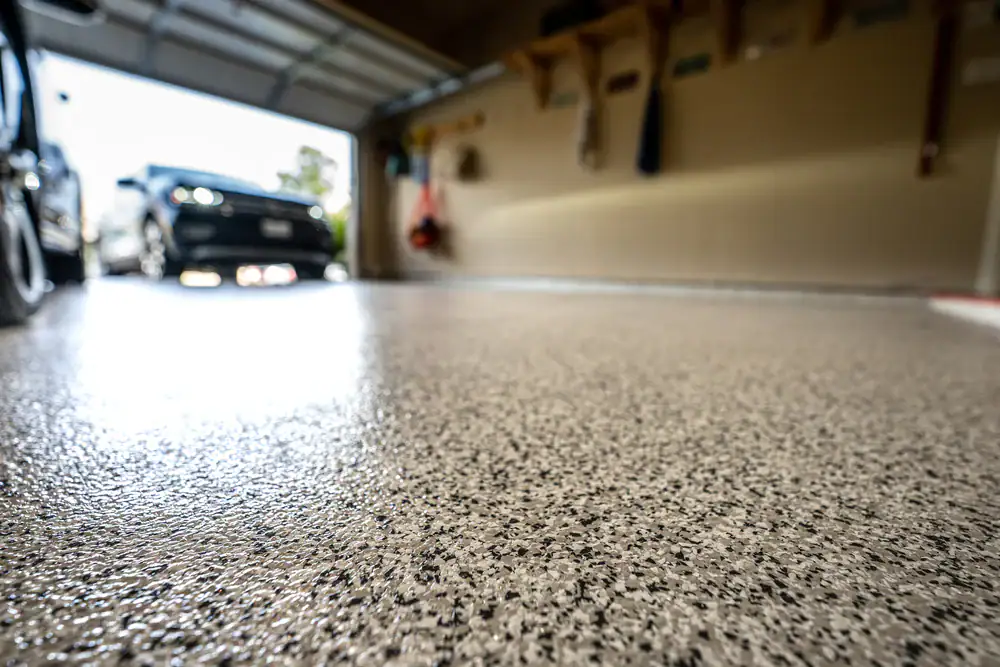
Hear from Our Customers
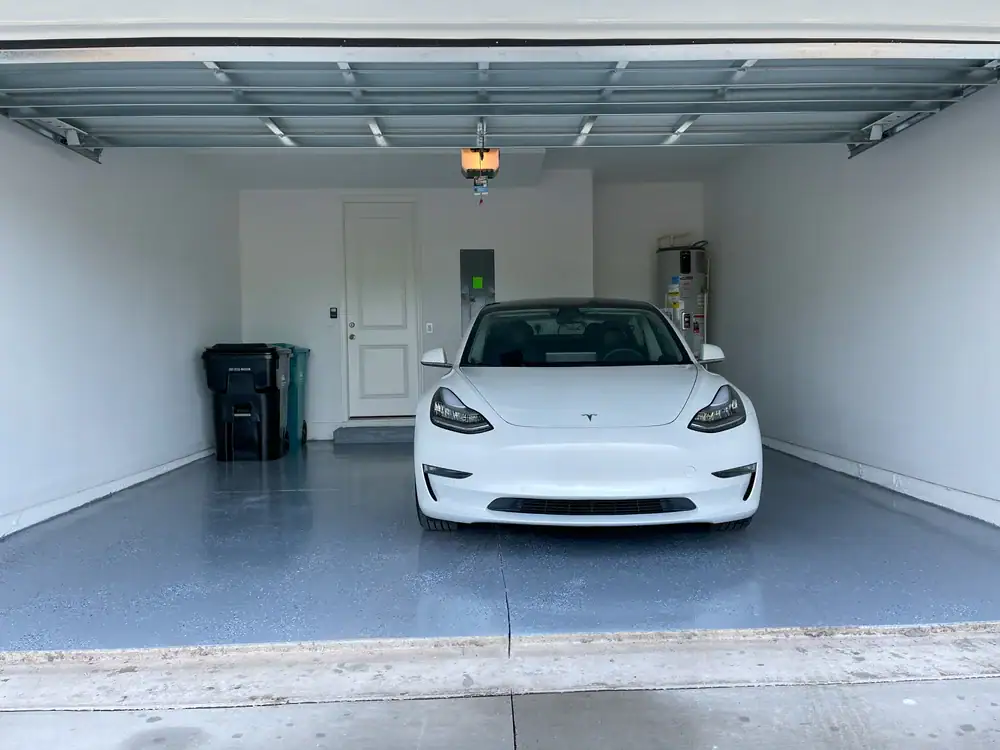
Professional Garage Floor Coating Solutions
Your garage takes a beating. Motor oil. Brake fluid. Salt tracked in from coastal roads. Florida’s relentless humidity trying to work its way up through the concrete.
Standard concrete can’t handle it. The surface stays porous, soaking up stains and moisture. Over time, you’re looking at discoloration, cracking, and that permanent damp smell that never quite goes away.
A professional epoxy floor coating changes that. The surface becomes completely sealed—liquids sit on top instead of soaking in. Spills wipe up in seconds. The coating blocks moisture vapor from below, which is critical in Bal Harbour where humidity doesn’t take a day off. And if you’ve got luxury vehicles, the floor finally matches what’s parked on it.
Most installations last 20+ years when done right. That’s two decades without worrying about stains, moisture damage, or a floor that looks like it’s been through a hurricane. You get a garage that actually works as hard as the rest of your property.
Epoxy Flooring Contractors in Bal Harbour
We specialize in epoxy and concrete resurfacing across South Florida. We’ve handled projects for the Coast Guard, US Military installations, City of Doral, City of Sunny Isles, and high schools throughout the region. Government work doesn’t leave room for shortcuts.
In Bal Harbour, we’re dealing with the same coastal conditions that make this area beautiful and challenging. Salt air corrodes everything it touches. Humidity levels stay high year-round. Your garage floor needs coatings designed specifically for this environment—not generic products that work fine in Arizona but fail here in six months.
We use commercial-grade materials from Sherwin Williams and Fosroc. Every installation is handled by our full-time crew, never subcontracted out. You get the same quality whether we’re coating a residential garage or a military facility.
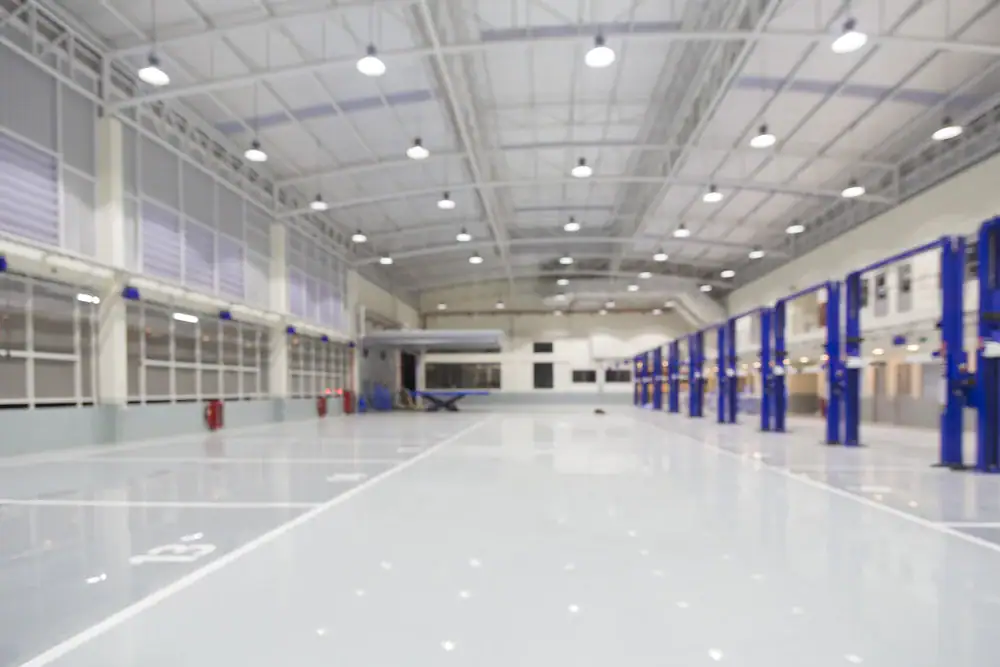
Garage Epoxy Floor Installation Process
First, we assess your concrete. We’re checking for moisture levels, existing damage, and whether the slab needs repairs before coating. This step matters—nearly all epoxy failures happen because someone skipped proper prep or ignored moisture issues.
Next comes surface preparation. We grind or shot-blast the concrete to open the pores and create a profile the epoxy can grip. Any cracks get filled and leveled. If moisture is a concern, we apply a 100% solid epoxy moisture vapor barrier that increases the floor’s resistance up to 16 pounds per 1,000 square feet. In Florida, this isn’t optional.
Then we apply the epoxy coating system. Depending on what you need—chemical resistance, decorative flakes, metallic finishes—we’re typically looking at a base coat, optional color flakes broadcast into the wet epoxy, and a clear topcoat for protection and shine. The whole process takes 1-3 days including cure time.
You can walk on it within 24 hours. Full cure for vehicle traffic happens around 48-72 hours. After that, you’ve got a floor that repels spills, resists chemicals, and holds up to whatever your garage throws at it for the next couple decades.
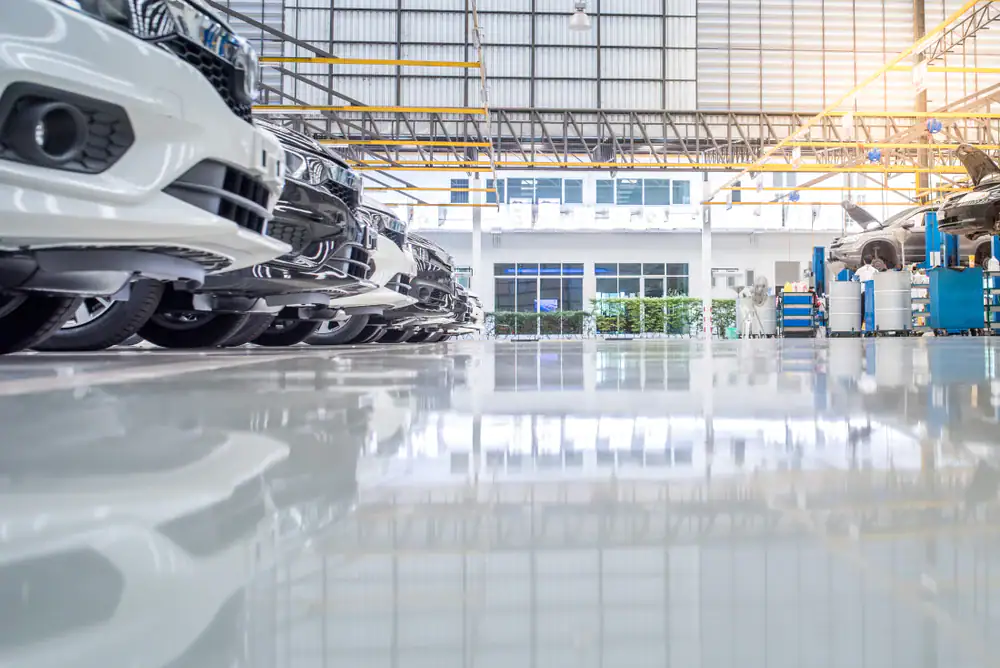
Ready to get started?
Garage Floor Coating Options in Bal Harbour
Every garage floor coating we install includes full surface preparation—no coating over dirty or damaged concrete. You’re getting diamond grinding or shot blasting to create the right surface profile, crack repair where needed, and a moisture vapor barrier if your slab requires it.
The coating itself is commercial-grade epoxy or polyaspartic, depending on your timeline and use case. Epoxy offers excellent chemical resistance and durability. Polyaspartic cures faster and handles UV exposure better if your garage gets direct sunlight. Both options come with decorative flake systems in multiple colors, or you can go with a solid color or metallic finish.
In Bal Harbour, we’re also addressing the specific challenges of coastal living. That means coatings formulated to resist salt air corrosion and humidity-related failures. Standard DIY kits from the hardware store aren’t designed for this—they’re made for moderate climates and fail fast here. You need products that account for moisture vapor transmission, high humidity during application, and the constant exposure to salt.
The result is a seamless, easy-to-clean surface that protects your concrete and looks sharp for years. Spills wipe up without staining. The floor doesn’t chip or peel when installed correctly. And if you’re selling down the road, a professionally coated garage can return 20-25% of the investment in added home value.
How long does garage epoxy flooring last in Florida’s humid climate?
A professionally installed epoxy garage floor in Bal Harbour typically lasts 20+ years when the installation accounts for Florida’s humidity and coastal conditions. The key is moisture management during prep and using coatings designed for high-humidity environments.
Most failures happen because moisture vapor builds up under the coating and breaks the bond with the concrete. In Florida, your concrete slab can develop more vapor pressure than the epoxy’s bond strength—especially during summer months when humidity peaks. That’s why we apply a 100% solid epoxy moisture vapor barrier before the topcoat system. It increases the floor’s moisture resistance up to 16 pounds per 1,000 square feet.
The other factor is product quality. Commercial-grade epoxy from manufacturers like Sherwin Williams and Fosroc is formulated differently than consumer products. It handles temperature swings, resists UV degradation, and maintains flexibility so it doesn’t crack as the concrete expands and contracts. DIY kits might last 2-3 years here before you see peeling or bubbling. Professional systems last decades.
What’s the difference between epoxy and polyaspartic garage floor coatings?
Epoxy and polyaspartic are both excellent garage floor coatings, but they cure differently and serve slightly different needs. Epoxy takes longer to cure—usually 24-48 hours before you can walk on it and up to 72 hours for vehicle traffic. Polyaspartic cures much faster, often within a few hours, which means less downtime if you need your garage back quickly.
Polyaspartic also handles UV exposure better than epoxy. If your garage gets direct sunlight, polyaspartic won’t yellow or fade over time. Epoxy can amber slightly under UV, though it doesn’t affect performance. On the flip side, epoxy typically offers better chemical resistance for automotive fluids like motor oil, brake fluid, and gasoline—which matters if you’re working on vehicles regularly.
For most residential garages in Bal Harbour, epoxy is the go-to choice. It’s incredibly durable, cost-effective, and proven over decades of use. Polyaspartic makes sense when you need rapid turnaround or have UV concerns. Both options far outperform standard concrete paint or DIY coatings in longevity and performance.
Can you install epoxy flooring over existing garage floor coatings?
It depends on what’s already there and what condition it’s in. If you have an old epoxy coating that’s still bonded well to the concrete—no peeling, bubbling, or delamination—we can sometimes coat over it after proper surface prep. But if the existing coating is failing, we need to remove it completely before starting fresh.
Here’s why that matters: epoxy only bonds as well as whatever’s underneath it. If you coat over a failing layer, you’re just inheriting that failure. The new coating will peel right along with the old one, often within months. We’d rather grind everything down to bare concrete and start with a clean slate than risk a premature failure.
Concrete paint, sealers, and DIY epoxy kits almost always need full removal. They’re not designed to be coated over, and they don’t create the surface profile needed for a professional system to bond properly. The removal process adds time and cost, but it’s the only way to ensure your new floor lasts 20 years instead of two. We’ll assess what you’ve got during the consultation and give you a straight answer on whether removal is necessary.
How do you prevent epoxy garage floors from becoming slippery when wet?
Slipperiness is a legitimate concern with epoxy—especially in Florida where garages stay wet from rain, humidity, and washing vehicles. A smooth epoxy surface can absolutely become slick when moisture is present. That’s why we build texture into the finish during installation.
The most common method is broadcasting decorative flakes into the wet epoxy. These flakes create a slightly textured surface that improves traction without being rough underfoot. You get the slip resistance you need plus a finished look that hides dirt and tire marks better than a solid color. The clear topcoat seals everything in while maintaining that texture.
Another option is adding an anti-slip additive directly to the topcoat. This creates a fine grit texture across the entire surface—similar to a very light sandpaper feel. It’s more aggressive than flakes and works well in commercial settings or garages where you’re frequently dealing with water and automotive fluids. The tradeoff is it’s slightly harder to clean since dirt can settle into the texture, but a pressure washer handles it fine.
What preparation is required before installing garage epoxy flooring?
Preparation is the single most important part of an epoxy installation—it determines whether your floor lasts two years or twenty. We start by clearing the garage completely and inspecting the concrete for cracks, spalling, oil stains, and moisture issues. Any existing coatings, sealers, or contaminants get removed first.
Next, we mechanically profile the concrete using diamond grinders or shot blasters. This opens up the concrete’s pores and creates a rough surface the epoxy can grip. Think of it like sanding wood before painting—you need that texture for proper adhesion. We’re not just cleaning the floor; we’re physically altering the surface at a microscopic level.
Cracks and damaged areas get repaired using epoxy crack filler or concrete patching compounds. If we find moisture issues—which is common in Bal Harbour—we apply a moisture vapor barrier before any decorative coatings go down. Finally, we clean everything thoroughly to remove dust and debris. Only then does the actual epoxy application begin. Skipping or rushing any of these steps is how you end up with a floor that peels, bubbles, or fails within a year. Proper prep takes time, but it’s the difference between a professional installation and a DIY disaster.
How much does professional garage epoxy flooring cost in Bal Harbour?
Professional epoxy garage floor coating in Bal Harbour typically runs $4-10 per square foot, depending on the coating system, surface condition, and any decorative options you choose. A standard two-car garage (400-500 square feet) usually falls in the $1,600-$5,000 range for a complete installation.
Several factors affect pricing. Surface prep is the biggest variable—if your concrete needs extensive crack repair, moisture mitigation, or removal of old coatings, that adds labor and materials. The coating system matters too. A basic solid-color epoxy costs less than a full metallic or decorative flake system with multiple layers. Commercial-grade products from Sherwin Williams or Fosroc cost more upfront than consumer-grade alternatives, but they last three to four times longer in Florida’s climate.
You’ll see cheaper quotes out there, often from contractors using DIY-grade products or skipping critical prep steps like moisture barriers. Those floors might look fine initially, but they fail fast—peeling, bubbling, or staining within a couple years. Then you’re paying to remove the failed coating and start over, which costs more than doing it right the first time. We price our work based on commercial-grade materials and proper installation methods, the same approach we use on government and military projects. You’re paying for a floor that actually lasts.
Other Services we provide in Bal Harbour
Leave a Reply