


Garage Epoxy Flooring in Bayshore Heights, FL
Florida-Proof Floors That Actually Last
Hear from Our Customers
Epoxy Garage Floor Coating Solutions
Most epoxy garage floors in Florida fail within two years. Not because epoxy is bad—because the installation wasn’t built for this climate.
You’ve probably seen it. Bubbling after one rainy season. Slippery spots during summer storms. Fading from the relentless sun. That’s what happens when someone treats Florida like it’s anywhere else.
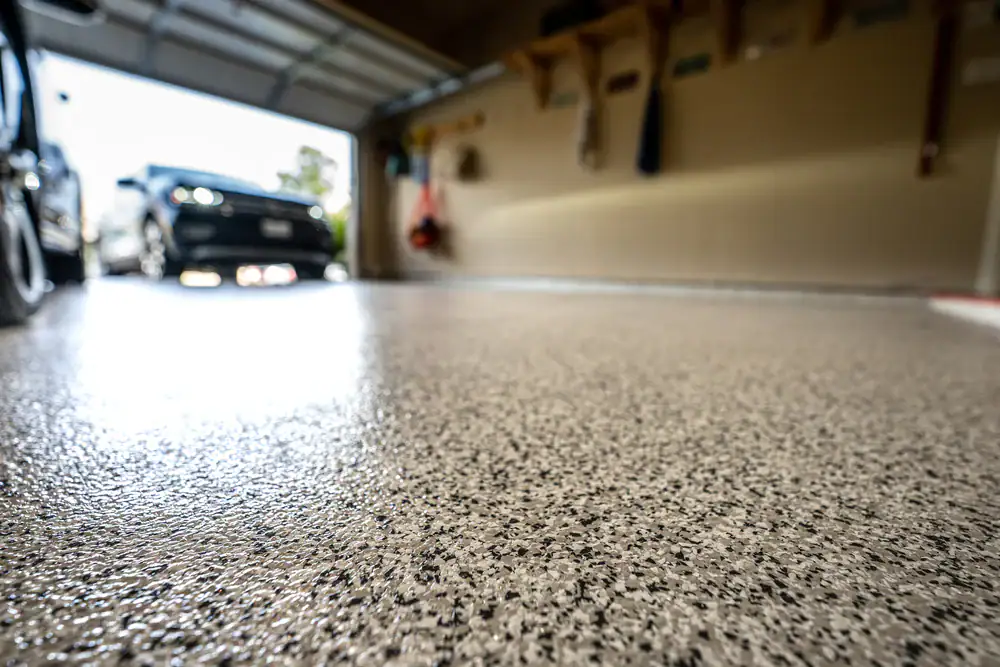
Our epoxy floor coating systems are mixed and applied based on real-time humidity readings. We adjust resin ratios for Bayshore Heights conditions specifically. The result is a garage floor that resists stains, chemicals, and daily wear without peeling or cracking. You get a surface that’s easier to clean, safer to walk on, and built to handle what Florida throws at it. No callbacks. No redos. Just a floor that works.
Professional Epoxy Flooring Bayshore Heights
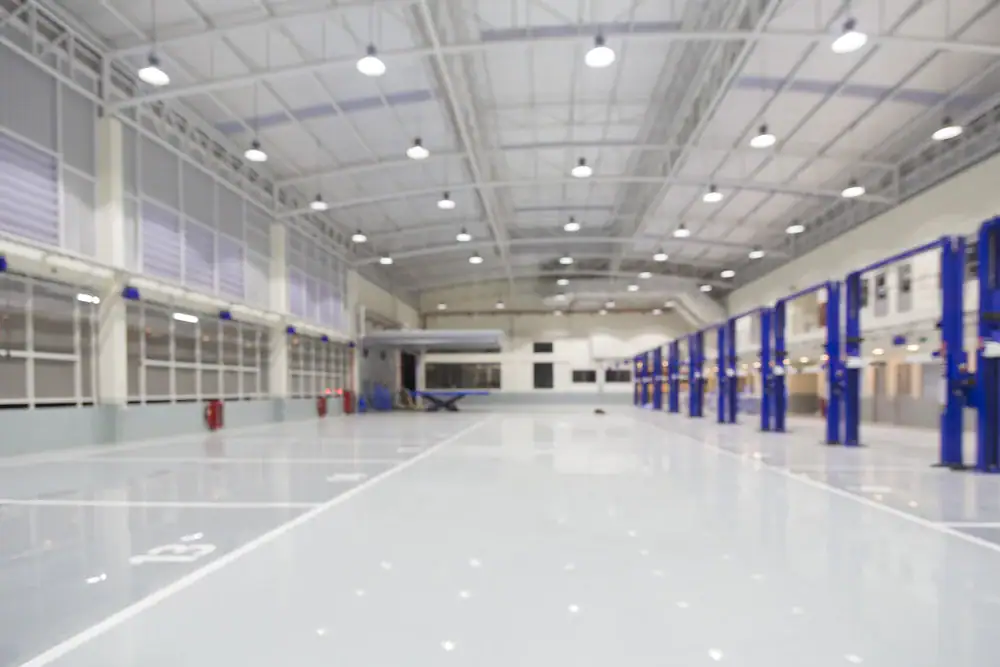
We’ve been installing epoxy garage flooring across South Florida since 2020. We’ve worked with the U.S. Military, Coast Guard, City of Doral, City of Sunny Isles, and county facilities that can’t afford to redo floors every few years.
Bayshore Heights homeowners deal with the same climate challenges those facilities do—high humidity, intense UV exposure, temperature swings. The difference is we bring that same level of precision to your garage. We’re not a franchise or a crew that learned epoxy last month. We specialize in resin-based flooring and concrete resurfacing, and we’ve seen every failure mode Florida can produce.
You’re not getting a sales pitch. You’re getting a transparent consultation about what works in this climate and what your garage actually needs.
Garage Floor Coating Installation Process
We start with surface prep—the step that causes 80% of epoxy failures when done wrong. Your concrete gets diamond-ground to open the pores and remove any contaminants. If there are cracks or damage, we repair them with epoxy mortar before coating.
Next, we test humidity levels and adjust our resin mix accordingly. Florida’s moisture content changes daily, and the mix has to match conditions at install time. We apply a base coat, broadcast decorative flakes if you want them, and seal everything with a polyaspartic topcoat that cures in 1-2 hours.
Most garage floors are done in a single day. You can park on it the next day. The floor is fully cured and chemical-resistant within 24-48 hours, depending on temperature. No week-long waits. No multi-day disruptions. Just a finished floor that’s ready when we say it’s ready.
Ready to get started?
Garage Epoxy Flooring Options Available
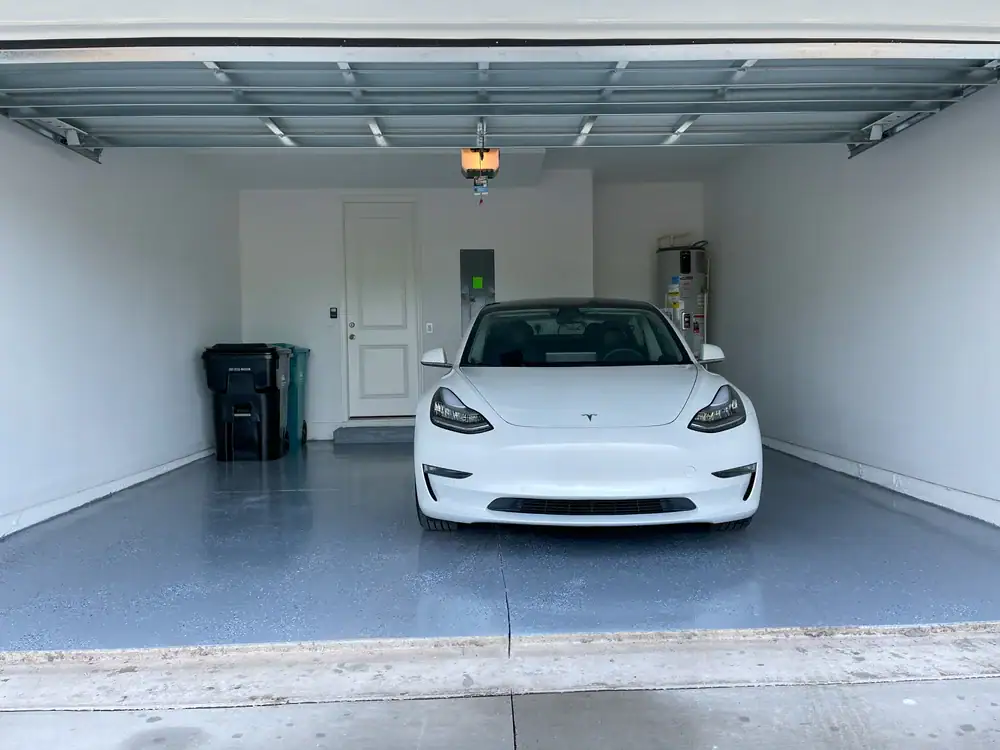
Every garage floor coating we install includes proper surface preparation, crack repair if needed, a climate-adjusted resin system, and a slip-resistant polyaspartic topcoat. You’re not paying extra for “premium” prep work—that’s standard. Skipping it is how floors fail.
In Bayshore Heights, where the median home value is pushing $400,000, your garage is part of your property’s first impression. Homes with finished garages sell 5-8% faster and command higher prices. Buyers notice clean, well-maintained spaces, and a professionally coated garage floor signals that the rest of the home has been cared for.
We work with Sherwin Williams and Fosroc products—commercial-grade materials used in food processing plants and sports stadiums. You’re getting the same coatings we install for municipal clients, just in a residential application. We also offer safety line striping if you’re using the garage for workspace or storage zones. The floor can handle vehicle weight, oil spills, dropped tools, and whatever else happens in a working garage. And when it needs cleaning, a quick mop does it. No scrubbing embedded dirt out of porous concrete.
How long does epoxy garage flooring actually last in Florida?
If it’s installed correctly for Florida’s climate, you’re looking at 10-15 years or more. The key phrase is “installed correctly.”
Most DIY kits and budget installers fail within 18-36 months because they don’t account for humidity during application or use coatings that weren’t designed for UV exposure. Florida’s heat and moisture will find every shortcut. We use polyaspartic topcoats that are four times more durable than standard epoxy and won’t yellow or peel under UV. The resin mix gets adjusted based on real-time conditions the day we install. That’s how you get a floor that lasts a decade instead of two years.
What’s the difference between epoxy and polyaspartic coatings?
Epoxy is the base system—it’s durable and bonds well to concrete. Polyaspartic is the topcoat that makes the floor Florida-proof.
Standard epoxy can yellow in sunlight, takes days to cure, and can be temperature-sensitive during application. Polyaspartic cures in 1-2 hours, resists UV damage, and handles a wider range of install conditions. It’s also more chemical-resistant and harder to scratch. We use epoxy as the foundation and polyaspartic as the protective layer. You get the bond strength of epoxy with the durability and fast cure time of polyaspartic. It’s the best of both systems.
Will the floor be slippery when wet?
Not if it’s finished correctly. Slip resistance comes from the topcoat texture and any aggregate we add.
We can adjust the level of slip resistance based on how you use the garage. If you’re parking cars and tracking in rain, we’ll add more texture. If it’s climate-controlled and used as a workspace, we can go with a smoother finish that’s still safe but easier to roll equipment across. The polyaspartic topcoat we use has built-in slip resistance, and we can broadcast silica or aluminum oxide for extra grip. You’re not choosing between safety and appearance—you get both.
Can you install epoxy flooring over existing coatings or cracks?
Depends on what’s there and what condition it’s in. If there’s an old coating that’s peeling or delaminating, it has to come off. New epoxy won’t bond to a failing surface—it’ll just fail faster.
Cracks get repaired with epoxy mortar before we coat. Small hairline cracks are normal and won’t affect the install. Larger structural cracks might need more attention, and we’ll tell you that upfront. If your concrete is heavily damaged or has moisture issues coming up from below, coating it won’t fix the underlying problem. We’ll walk you through what’s realistic during the consultation. No surprises on install day.
How much does garage floor coating cost in Bayshore Heights?
For a standard two-car garage, you’re typically looking at $1,500 to $3,500 depending on the condition of the concrete and what finish you want.
If we’re repairing cracks, doing heavy prep, or adding custom flake blends, that affects the price. But here’s the ROI: garage flooring improvements return 70-85% of the cost at resale, and homes with finished garages sell faster. A $2,500 investment can add $4,000-$6,000 to your home’s value in this market. We give transparent pricing after we see the space. No bait-and-switch estimates. What we quote is what you pay.
How soon can I use my garage after installation?
You can walk on it within a few hours and park on it the next day. Full chemical cure happens within 24-48 hours depending on temperature.
That’s one of the biggest advantages of polyaspartic systems—they cure fast without sacrificing durability. Traditional epoxy can take 5-7 days before it’s fully ready for vehicles. We’re done in a day, and your garage is back in service the next morning. If you need faster turnaround for any reason, let us know during scheduling. We’ve handled 24-48 hour emergency installs for commercial clients, and we can work around tight timelines when needed.
Other Services we provide in Bayshore Heights
Leave a Reply