


Garage Epoxy Flooring in Briny Breezes, FL
Florida-Proof Garage Floors That Actually Last
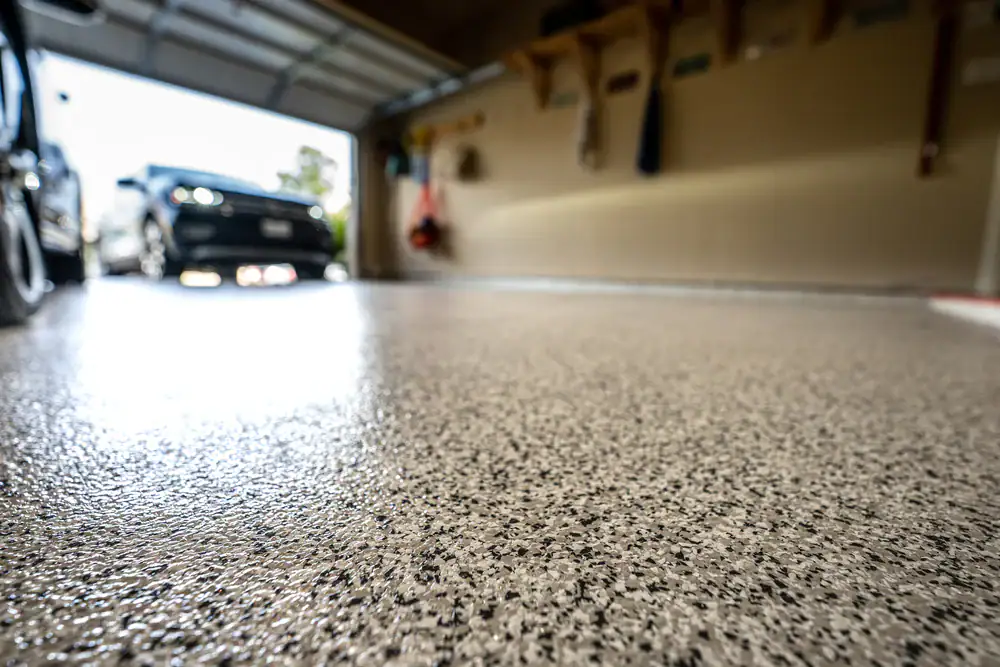
Hear from Our Customers
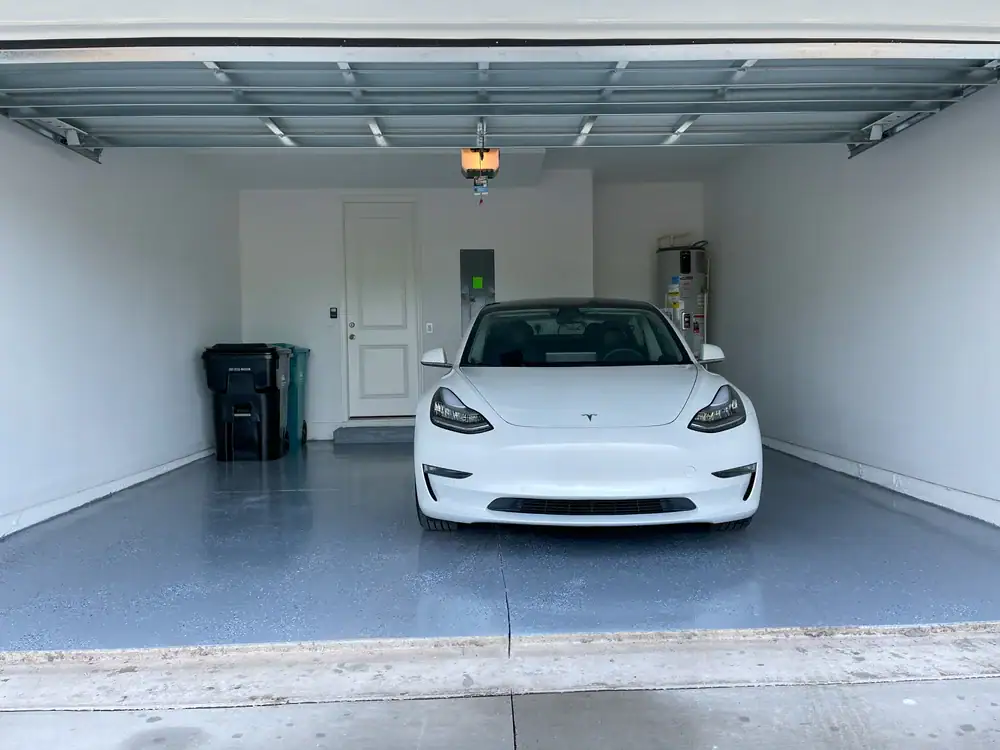
Epoxy Garage Floor Coating Services
Briny Breezes sits right on the coast. That means salt air, humidity that won’t quit, and heat that makes most garage floor coatings fail within five years. You’ve probably seen it—peeling edges, bubbling surfaces, discoloration that makes your garage look worse than before you paid for it.
We use polyaspartic and moisture-tolerant epoxy systems specifically because they bond even when vapor is present. That’s critical here. Standard epoxy needs bone-dry concrete to cure properly, and in a coastal town where humidity averages over 70%, that’s nearly impossible to achieve. Our coatings are built to handle it.
You’re not just getting a prettier floor. You’re getting a surface that resists salt corrosion, cures fast enough to avoid moisture contamination during installation, and stays intact through Florida summers. The kind of floor that actually protects your concrete instead of trapping moisture underneath and making things worse.
Trusted Epoxy Flooring Contractors Nearby
We’ve been operating since 2020, working across South Florida on everything from Coast Guard facilities to residential garages in Briny Breezes. We’ve handled projects for the US Army, City of Doral, City of Sunny Isles, and county schools—jobs that require security clearances, strict timelines, and zero room for shortcuts.
That same standard applies when we’re working in your garage. We use Sherwin Williams and Fosroc products exclusively, not because they’re cheaper, but because they perform. And we don’t subcontract or hand your project off to a crew we’ve never met. You get the same team from consultation to cleanup.
Most of our clients in Briny Breezes are homeowners who’ve lived here long enough to know what works and what doesn’t. They’ve seen coatings fail. They’ve dealt with contractors who disappeared after the deposit cleared. We show up, do the work right, and follow up afterward to make sure it’s holding up the way it should.
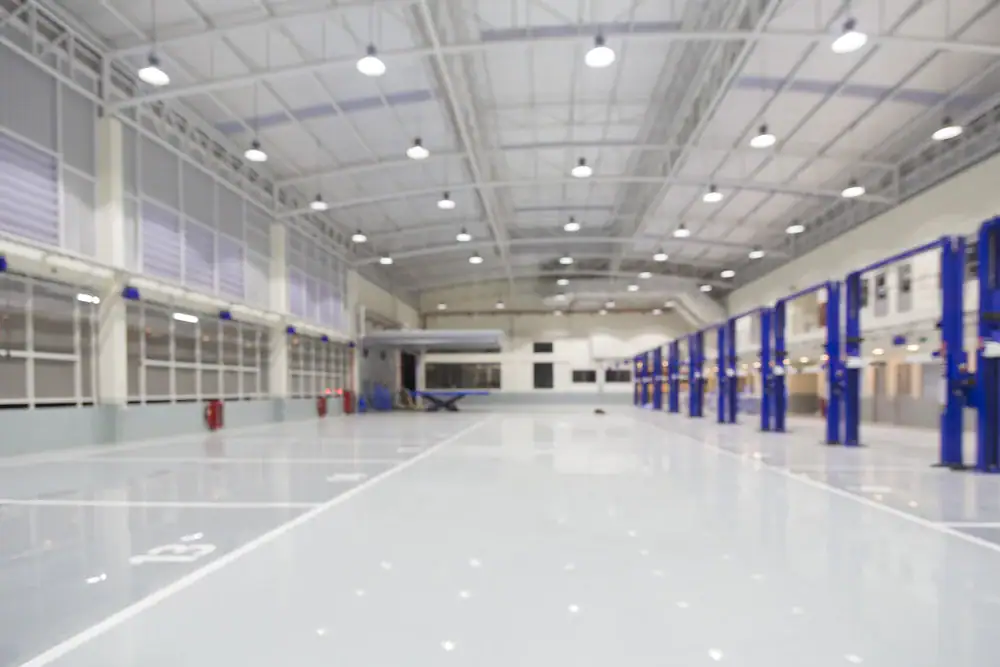
Our Garage Floor Coating Process
First, we measure moisture levels in your concrete. Not every contractor does this, but it’s the most important step. If your slab is pushing too much vapor, we apply a 100% solid epoxy moisture vapor barrier with a saline-based additive that increases resistance up to 16 pounds per 1,000 square feet. That’s what keeps the coating from peeling six months later.
Next, we prep the surface. That means grinding down any existing coatings, patching cracks, and making sure the concrete is profiled correctly so the epoxy can bond. We don’t rent equipment from discount tool services. We own commercial-grade grinders because uneven prep leads to uneven finishes, and we’re not interested in coming back to fix avoidable problems.
Then we apply the coating system—either polyaspartic for faster curing or a moisture-tolerant epoxy depending on your timeline and conditions. Polyaspartic cures in hours, not days, so you’re not locked out of your garage for a week. We finish with a topcoat that adds UV stability and impact resistance, then clean up completely. Most jobs in Briny Breezes take one to two days start to finish, and we’ll walk you through maintenance before we leave.
Ready to get started?
Epoxy Garage Flooring Options Available
You’re getting a garage floor coating that’s spec’d for Florida, not just copied from a national franchise playbook. That means moisture testing before we start, not after the coating fails. It means using polyaspartic systems that cure fast enough to avoid contamination from airborne humidity. And it means a vapor barrier application when your slab needs it, which in Briny Breezes, it usually does.
We also handle surface prep in-house. No subcontractors grinding your floor with rented tools they barely know how to use. Our team does the entire job—crack repair, concrete resurfacing if needed, safety line striping for defined spaces, and full cleanup afterward. You’re not sweeping up dust and debris for days after we leave.
And if you need it done fast, we can turn around most residential garage floors in 24 to 48 hours. That’s not standard, but it’s possible with polyaspartic coatings, and it matters when you can’t afford to have your garage unusable for a week. We also offer polished concrete and decorative metallic epoxy finishes if you want something beyond a standard solid color. The goal is a floor that works for how you actually use your space, whether that’s parking cars, running a workshop, or just finally having a garage that doesn’t look like it’s falling apart.
How long does garage epoxy flooring last in Florida’s humidity?
If it’s installed correctly with moisture management, you’re looking at 10 to 20 years. If it’s not, you’ll see failure in under five.
The issue in Briny Breezes isn’t the coating itself—it’s the moisture in your concrete. Florida slabs are porous, and coastal humidity means water vapor is constantly moving through them. Standard epoxy applied without a vapor barrier will eventually delaminate because moisture gets trapped underneath and pushes the coating off from below.
We handle this by testing your slab first and applying a moisture vapor barrier when needed. That’s a 100% solid epoxy layer with additives that let it bond even when some vapor is present. Once that’s down and cured, the topcoat goes on, and you’ve got a system that can actually handle the environment instead of fighting it. Most failures happen because contractors skip the testing and barrier steps to save time. We don’t.
What’s the difference between epoxy and polyaspartic garage floor coatings?
Polyaspartic cures faster and handles UV exposure better. Epoxy is more affordable and works well if you’re not in a rush.
Traditional epoxy takes several days to fully cure, which in Florida means more exposure to airborne moisture during the curing process. Polyaspartic systems cure in hours, so you can park on them the same day. That speed also reduces the risk of contamination from humidity, dust, or temperature swings during installation.
Polyaspartic is also UV-stable, so it won’t yellow or fade if sunlight hits your garage floor. Epoxy can discolor over time with UV exposure, though that’s usually only an issue if you have large windows or keep your garage door open frequently. For most residential garages in Briny Breezes, either system works—it just depends on your timeline and budget. We’ll walk through both options during the consultation so you know exactly what you’re paying for and why.
How much does it cost to epoxy a garage floor in Briny Breezes?
For a standard two-car garage, you’re typically looking at $1,500 to $3,500 depending on the condition of your concrete and the coating system you choose.
That range accounts for surface prep, moisture barrier application if needed, the coating itself, and topcoat. If your slab has significant cracking or needs resurfacing, that adds to the cost. Same with decorative finishes like metallic epoxy or custom color flakes.
We don’t give quotes over the phone because every garage is different. Moisture levels, existing coatings, crack severity—all of that affects the scope of work. We’ll come out, measure everything, and give you transparent pricing with no pressure to sign the same day. You’ll know exactly what you’re paying for and what’s included before we start. And unlike some of the bigger companies operating in Palm Beach County, we don’t have franchise fees or middleman markups built into the price. You’re paying for materials and labor, not overhead.
Can you apply epoxy over an existing garage floor coating?
Sometimes, but usually it’s better to remove the old coating first. Applying new epoxy over a failing system just means you’ll have two layers peeling instead of one.
If the existing coating is fully intact, well-bonded, and in good condition, we can prep the surface and apply a new topcoat. But if there’s any peeling, bubbling, or delamination—which is common with older epoxy jobs in Florida—we need to grind it off completely. Otherwise, the new coating is only as strong as whatever’s underneath it, and that’s not a gamble worth taking.
We’ll assess the existing floor during the consultation and let you know what’s required. Grinding off old coatings adds time and cost, but it’s the only way to ensure the new system actually bonds to the concrete instead of just sitting on top of a failing layer. Most of the “redo” jobs we handle in Briny Breezes are from homeowners who paid someone to coat over a bad floor the first time. It didn’t hold, and now they’re paying twice. We’d rather do it right once.
How soon can I park on my garage floor after epoxy application?
With polyaspartic coatings, you can park on it the same day—usually within 4 to 6 hours. With traditional epoxy, you’re waiting 3 to 5 days for a full cure.
That’s one of the biggest advantages of polyaspartic systems, especially in Florida. The faster cure time means less exposure to humidity during the curing process, which reduces the risk of contamination. It also means you’re not rearranging your entire week to keep cars out of the garage.
Traditional epoxy is more affordable, but it needs time. You can walk on it within 24 hours, but it takes several days to fully harden and cure to the point where it can handle vehicle weight without marking or damaging the surface. If you’re on a tight timeline or just don’t want the hassle of keeping your garage empty for days, polyaspartic is worth the extra cost. We’ll explain both options and let you decide what makes sense for your situation.
Do I need to seal my garage floor if I get epoxy coating?
No. Epoxy floor coatings are already sealed systems—that’s the entire point. You’re not painting your floor and hoping it holds up. You’re applying a bonded, protective layer that seals the concrete and resists moisture, chemicals, and wear.
Some contractors will try to sell you additional sealers or topcoats as an upsell, but if the epoxy system is installed correctly with a proper topcoat, there’s nothing else to add. The topcoat we apply is UV-stable and impact-resistant, and it’s designed to be the final layer.
What you do need to think about is maintenance. Epoxy doesn’t require sealing, but it does need to be kept clean. Sweep regularly, mop with a mild cleaner when needed, and avoid dragging heavy metal objects across the surface. That’s it. If someone’s telling you that you need to reseal your epoxy every year, they either didn’t install it correctly or they’re trying to create recurring revenue. A properly installed garage floor coating in Briny Breezes should last 10 to 20 years without additional sealing.
Other Services we provide in Briny Breezes
Leave a Reply