


Garage Epoxy Flooring in Brownsville, FL
Floors That Actually Last in Florida’s Climate
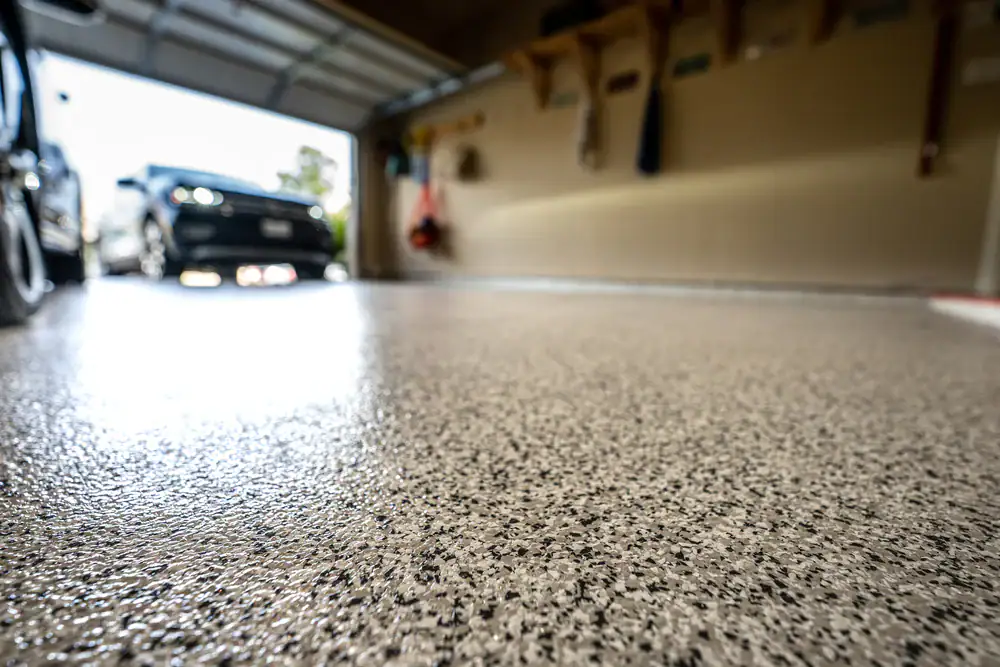
Hear from Our Customers
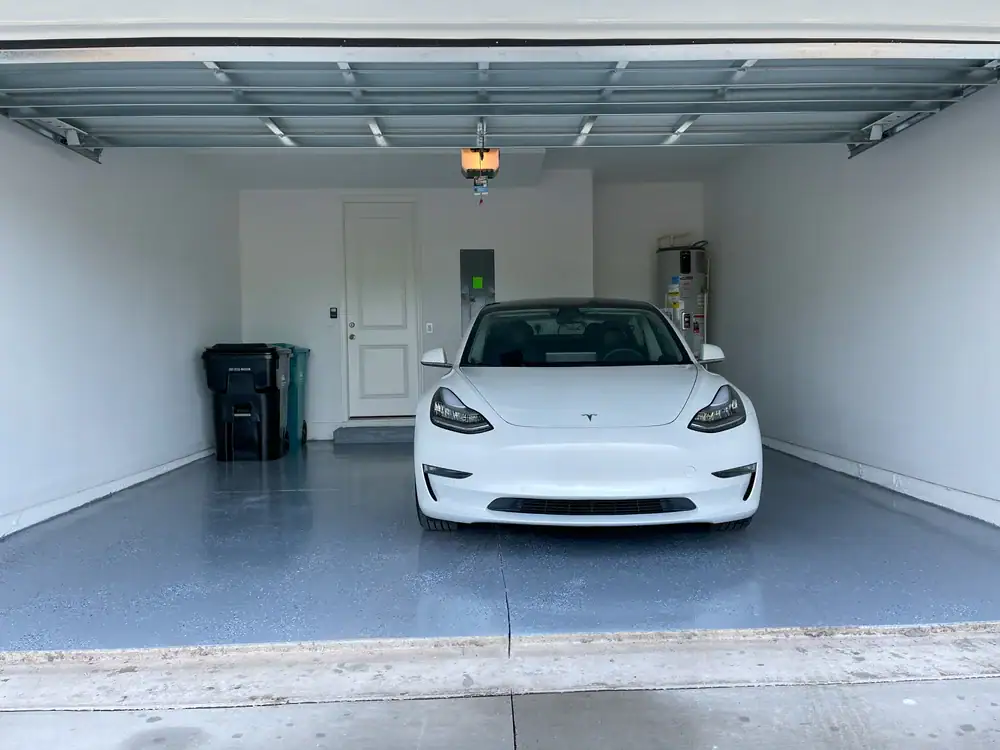
Epoxy Garage Floor Coating Services
Most epoxy jobs fail within two years in South Florida. Not because the product is bad, but because the process was rushed or the installer didn’t account for moisture.
When your garage floor is done right, you’re not repairing cracks or dealing with peeling sections a year later. You’re hosing it down when it gets dirty, parking without worrying about tire marks, and watching spills wipe up in seconds. The floor stays intact through summer humidity spikes and sudden afternoon storms that drive moisture up through the concrete.
Homeowners in Brownsville are seeing real returns when they sell, too. One seller in Florida gained $45,000 above asking after buyers saw a finished garage space. Real estate agents consistently rank epoxy-coated floors as a top improvement before listing. It’s not just about looks. It’s about showing buyers the home was maintained at a higher standard.
Trusted Epoxy Flooring Contractors Brownsville
We started SPF Industrial in July 2020, and we’ve spent the last four years installing epoxy and polished concrete across South Florida. We work with homeowners in Brownsville and commercial clients like the Coast Guard, US Army, City of Doral, and Sunny Isles municipal facilities.
We’re not the biggest operation, and we don’t try to be. We focus on epoxy, resin, and concrete resurfacing because that’s what we’re good at. We use Sherwin Williams and Fosroc products, and we adjust our process based on real-time humidity readings, not generic instructions from a kit.
Brownsville sits in Miami-Dade County where humidity averages 74% year-round. That means moisture vapor is constantly moving through your concrete slab. If your installer doesn’t test for it or prep correctly, the coating fails. We’ve seen it dozens of times, and we’ve fixed plenty of bad jobs from contractors who didn’t understand the climate they were working in.
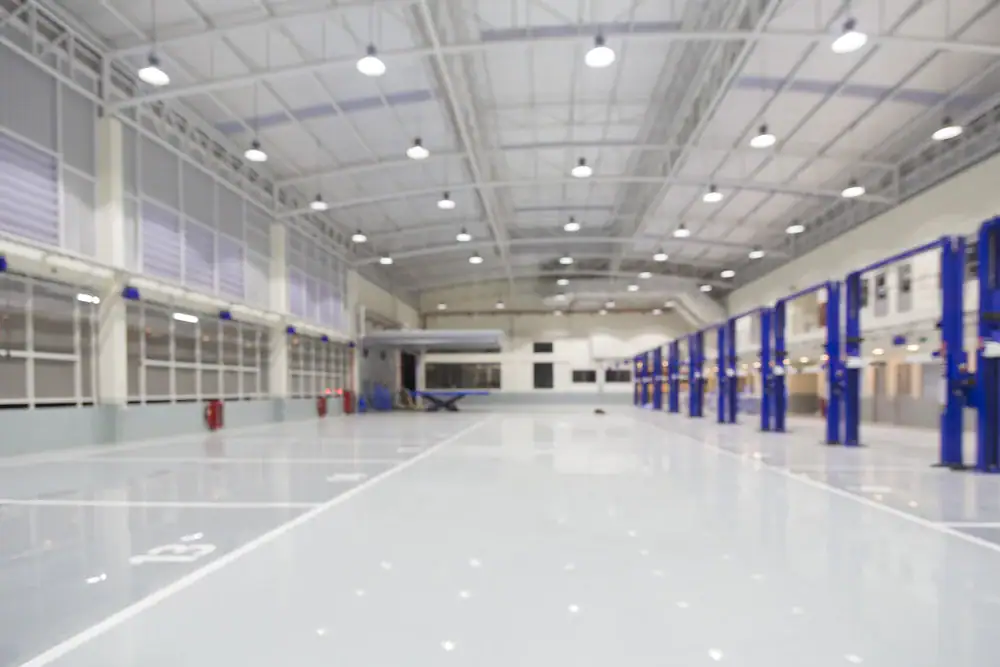
Garage Floor Coating Installation Process
We start with a consultation at your property. We’re not selling you over the phone. We need to see the concrete, test for moisture, and talk through what you’re using the space for.
Once we’re on-site for the install, the first step is surface prep. We use diamond grinding to open up the concrete pores and remove any existing coatings, oils, or contaminants. This step matters more than anything else. Without proper prep, even the best epoxy will delaminate within months.
After grinding, we apply a 100% solid epoxy moisture vapor barrier. This is the layer that stops hydrostatic pressure from pushing up through the slab and destroying the topcoat. We use saline-based additives that handle moisture levels up to 16 lbs per 1,000 square feet. Then we apply the base coat, broadcast decorative flakes if you want them, and finish with a polyaspartic topcoat for UV stability and chemical resistance.
Most garage floors are done in 24 to 48 hours. You’ll need to stay off it while it cures, but the timeline is fast compared to other contractors who stretch jobs across a week.
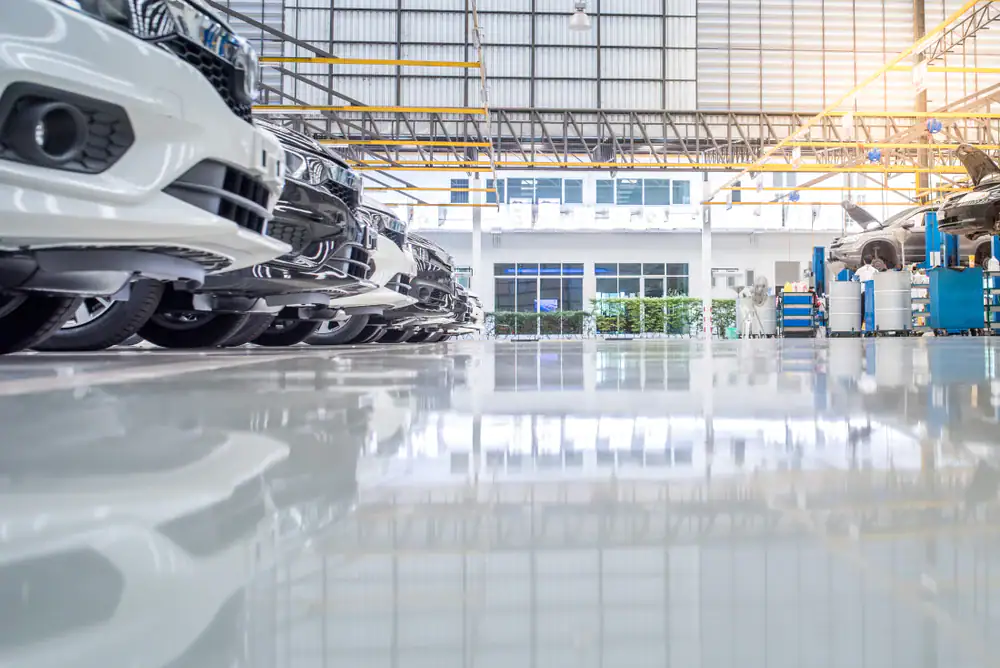
Ready to get started?
Epoxy Flooring Options for Brownsville Homes
Every job includes moisture testing, diamond grinding, vapor barrier application, epoxy base coat, and a polyaspartic topcoat. We don’t skip steps to save time. If your slab has cracks or surface damage, we’ll resurface and repair before we coat.
You can choose solid colors, decorative flake blends, or metallic pigments depending on the look you want. Flake systems are popular in Brownsville because they hide dirt and add texture for slip resistance. Metallic finishes give a showroom look but cost more and require more prep time.
Homes in Brownsville are a mix of single-family detached properties, many built decades ago with concrete slabs that have settled or cracked over time. If your garage floor has visible damage, we address it before coating. Epoxy doesn’t hide problems. It highlights them. So we make sure the surface is level, clean, and structurally sound before we start.
Florida’s UV exposure is 40% stronger than cooler climates, which means standard epoxy will yellow and degrade faster here. That’s why we finish with a polyaspartic topcoat. It’s more expensive than basic clear coats, but it holds up against sun exposure, saltwater air, and the constant temperature swings that crack weaker systems.
How long does garage epoxy flooring last in Florida’s humidity?
If it’s installed correctly with a moisture vapor barrier and climate-adjusted resin ratios, you’re looking at decades. If it’s not, you’ll see peeling or bubbling within the first year.
The issue in Florida isn’t the epoxy itself. It’s moisture vapor moving through the concrete slab. When humidity is high and temperatures fluctuate, that vapor creates pressure under the coating. If there’s no vapor barrier, the epoxy lifts. We’ve seen DIY kits fail in six months because the homeowner didn’t test moisture levels or prep the surface correctly.
Our systems use 100% solid epoxy with saline-based moisture blockers that handle up to 16 lbs of vapor pressure per 1,000 square feet. That’s well above what most Brownsville homes deal with. We also adjust resin formulations based on the day’s humidity, which cuts failure rates by 90% compared to standard installs. When the system is done right and you maintain it, it lasts a lifetime.
What’s the cost of epoxy flooring for a two-car garage?
Most two-car garages in Brownsville run between 400 and 500 square feet. Pricing depends on the condition of your concrete, the coating system you choose, and whether we need to do repairs before we start.
A basic solid-color epoxy with flakes and a polyaspartic topcoat typically costs less than a full metallic system, which requires more labor and material. If your slab has cracks, oil stains, or previous coatings that need removal, that adds to the prep time and cost.
We give upfront pricing after we see the space. No one can quote you accurately over the phone because every slab is different. Some need minor grinding and cleaning. Others need crack repair, resurfacing, or moisture mitigation. We’ll walk the space with you, test the concrete, and give you a number that won’t change once we start. Fixing a bad epoxy job costs more than doing it right the first time, and we’ve seen homeowners spend an extra $1,200 trying to repair work that should’ve been done correctly from the start.
Can you install epoxy over old garage floor paint?
Not if you want it to last. Old paint has to come off completely before we apply epoxy, or the new coating will only bond to the paint, not the concrete. When the paint fails, the epoxy goes with it.
We use diamond grinding to remove old coatings, which also opens up the concrete pores so the epoxy can penetrate and bond properly. Some contractors will try to coat over existing paint to save time, but that’s a shortcut that leads to delamination within months.
If your garage floor is currently painted and the paint is peeling or flaking, that’s a sign the surface wasn’t prepped correctly the first time. We’ll strip it down to bare concrete, test for moisture, repair any damage, and then start fresh. It takes longer than painting over the old layer, but it’s the only way to get a floor that actually lasts in Florida’s climate.
Why do some epoxy floors turn yellow in Florida?
UV exposure. Standard epoxy isn’t UV-stable, so when it’s exposed to direct sunlight or even indirect light in a garage with windows, it starts to yellow and lose its gloss. Florida’s UV levels are 40% stronger than northern states, which accelerates the breakdown.
That’s why we finish every garage floor with a polyaspartic topcoat. Polyaspartic is UV-stable, which means it won’t yellow or fade even with constant sun exposure. It also cures faster and handles temperature swings better than standard clear coats.
If you’ve seen older epoxy floors that look dingy or discolored, they were likely finished with a basic epoxy clear coat instead of a UV-resistant topcoat. It’s a cost-cutting move that saves the installer money but leaves you with a floor that looks aged within a couple of years. The polyaspartic layer costs more upfront, but it’s what keeps the floor looking new for the long term.
How soon can I park on my garage floor after installation?
Most systems are ready for foot traffic in 24 hours and vehicle traffic in 48 to 72 hours, depending on temperature and humidity. We’ll give you an exact timeline based on the conditions the day we install.
Polyaspartic topcoats cure faster than traditional epoxy, which is why we use them for the final layer. They’re also harder and more chemical-resistant once fully cured. If you try to park too early, you risk leaving tire marks or imprints that become permanent.
We’ve had clients ask if they can speed up the process by running fans or heaters. Don’t. Epoxy needs to cure at a controlled rate, and forcing it with heat or airflow can cause surface defects or weak spots. The timeline we give you is based on the product specs and the environmental conditions in your garage. If we say wait 72 hours, that’s the safe window. Rushing it means risking the durability of the entire floor.
Do you offer any discounts for new customers or military?
Yes. We’re currently offering a discount for new customers, military members, and seniors. The exact percentage depends on the size and scope of the project, but we’ll go over that during the consultation.
We’ve worked with military and government clients including the Coast Guard and US Army, so we understand the value of that service. If you qualify, mention it when you reach out and we’ll apply the discount to your quote.
Pricing is transparent from the start. We’re not going to lowball you to get the job and then add fees later. What we quote is what you pay, and if there’s a discount available, we’ll build it into the number we give you upfront.
Other Services we provide in Brownsville
Leave a Reply