


Garage Epoxy Flooring in Coral Springs, FL
Garage Floors That Actually Last in Florida
Hear from Our Customers
Epoxy Floor Coating Built for Coral Springs
Most garage floors in South Florida look rough within a few years. The concrete cracks, stains set in, and the space becomes something you avoid rather than use. You’re not looking for a showroom floor—you need something that holds up when you’re actually using the garage.
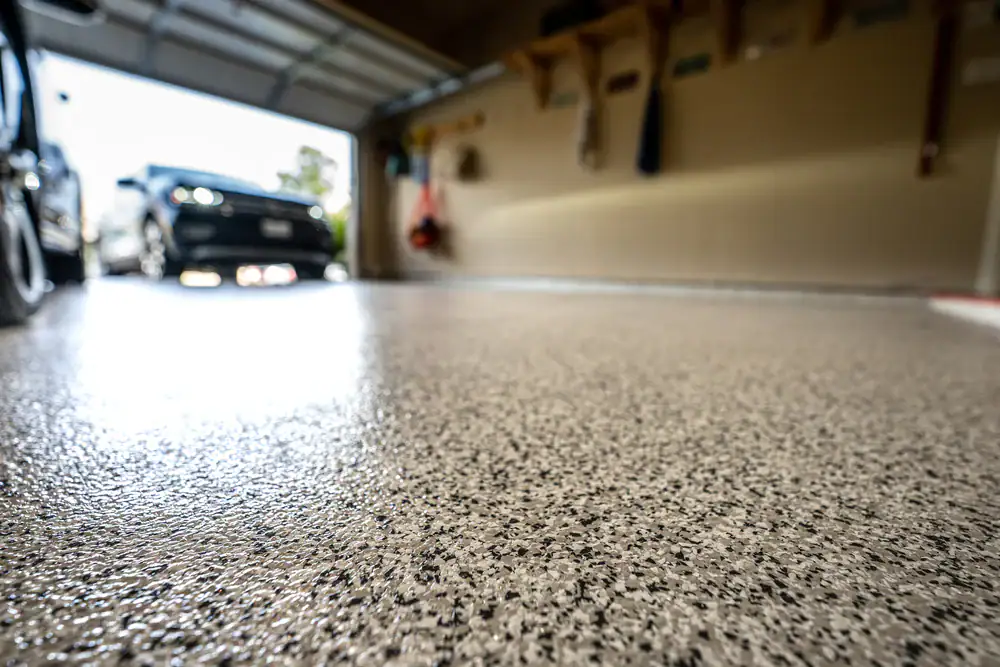
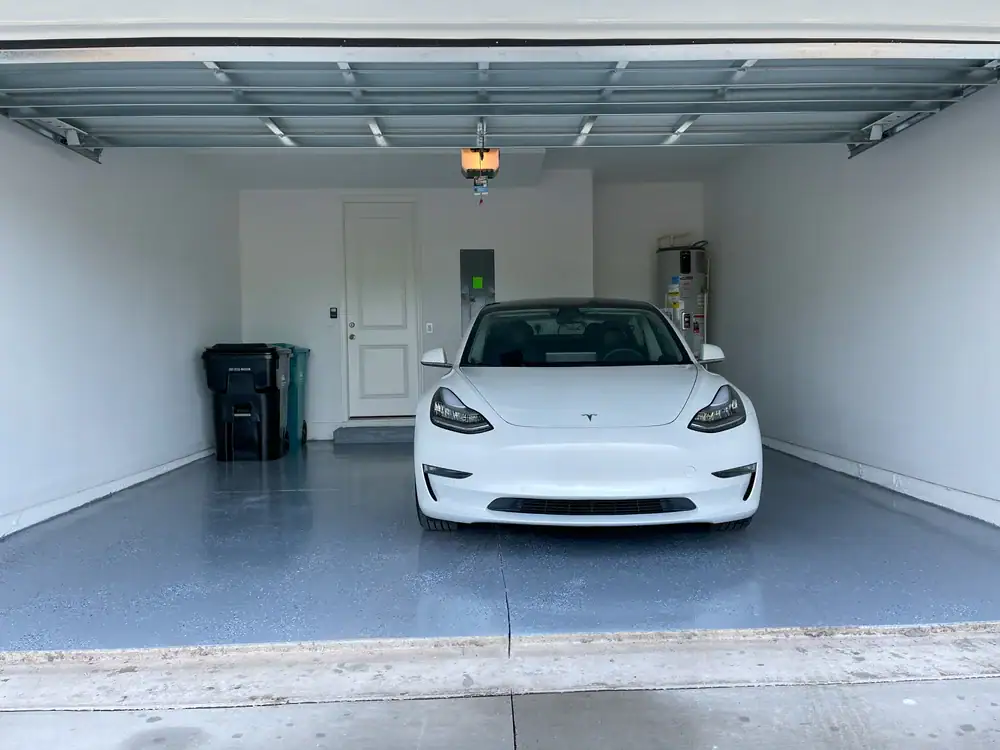
That’s what epoxy garage flooring does when it’s installed correctly. It creates a sealed, non-porous surface that resists oil, chemicals, moisture, and the kind of abuse a Florida garage takes daily. Spills wipe up easily. The floor stays cool underfoot even in summer. And it doesn’t peel or bubble when the humidity spikes.
You get a garage you can walk into barefoot, set up as a workshop, or turn into a home gym without worrying about what’s happening underneath. The floor works with you instead of against you. That’s the difference between a coating that fails in two years and one that’s still solid a decade later.
Trusted Epoxy Flooring Contractors in Coral Springs
We started SPF Industrial in July 2020, and we’ve spent the last five years installing epoxy and polished concrete across South Florida. We work directly with homeowners, and we prefer it that way—no middleman, no confusion about what you’re getting or what it costs.
We’ve handled projects for the Coast Guard, US Military, City of Doral, City of Sunny Isles, and county schools. Those clients don’t hire based on the lowest bid. They hire based on who shows up, does the work right, and stands behind it. That’s the standard we bring to every residential garage floor coating in Coral Springs.
Everything we install is commercial-grade. We don’t use the same products you’d find at a hardware store, and we don’t subcontract the work. Our team handles the prep, the application, and the follow-up. You get one point of contact and a floor that’s built to last in Florida’s climate.
Our Garage Floor Coating Process
We start with a consultation—either over the phone or in person. You tell us what you’re dealing with, we look at the space, and we give you a transparent price. No surprises, no upselling.
Once you’re ready to move forward, we schedule the prep work. This is where most DIY jobs and cheap contractors fail. We grind the concrete to open the pores, remove any existing coatings or contaminants, and check moisture levels. If the slab is too wet or the conditions aren’t right, we’ll tell you. Rushing this step is how floors fail in six months.
After prep, we apply the epoxy system in layers. Depending on what your garage needs, that might include a moisture barrier, a base coat, color flakes, and a clear topcoat with UV stabilizers. Each layer cures properly before the next goes down. We don’t cut corners to finish faster.
Most residential garage floors are done in 24 to 48 hours, depending on size and complexity. You’ll need to stay off the floor while it cures, but once it’s ready, it’s ready. We’ll walk you through care and maintenance before we leave, and we follow up to make sure everything’s holding up the way it should.

Ready to get started?
What’s Included in Epoxy Garage Flooring
When we install epoxy flooring in Coral Springs, you’re getting a system designed specifically for Florida. That means materials adjusted for high humidity, UV stabilizers to prevent fading and yellowing, and slip-resistant additives that keep the floor safe even when wet.
We use Sherwin Williams and Fosroc products—commercial-grade formulations that handle heat, moisture, and chemical exposure better than anything you’ll find in a retail kit. The difference shows up in year five, not day five. Cheap epoxy starts peeling when the humidity climbs or the concrete shifts. Ours doesn’t.
You also get proper surface prep, which is the most important part of the job. We’re grinding the concrete, filling cracks, and making sure the slab is ready to bond. Skipping this step is why 38% of epoxy failures happen in Southwest Florida. We don’t skip it.
The final result is a floor that’s 20 times stronger than epoxy paint, fully sealed against moisture and chemicals, and built to handle whatever you’re using the garage for. Whether that’s parking cars, running power tools, or setting up gym equipment, the floor holds up. And if something ever does go wrong, we’re a phone call away—not hiding behind a warranty you can’t actually use.
How long does epoxy garage flooring last in Florida’s climate?
A professionally installed epoxy floor coating should last 10 to 15 years in South Florida if it’s done right. The key factors are proper surface prep, commercial-grade materials, and installation during the right conditions.
Florida’s humidity is the biggest challenge. If the concrete isn’t prepped correctly or the moisture levels are too high during installation, the epoxy won’t bond properly. That’s when you see peeling and bubbling within the first year. We check moisture levels before we start, and if conditions aren’t right, we’ll reschedule. It’s not worth rushing.
The other factor is UV exposure. Garages with windows or doors that stay open get direct sunlight, which breaks down lower-grade epoxy over time. We use UV-stable formulations that resist fading and brittleness, so your floor doesn’t turn yellow or crack after a few summers. DIY kits and cheap installs don’t include that protection, which is why they fail faster here than they would in other climates.
What’s the difference between epoxy paint and epoxy floor coating?
Epoxy paint is a single-component product you roll on like regular paint. It sits on top of the concrete and doesn’t bond the same way. Epoxy floor coating is a two-part system that chemically bonds to the concrete and creates a much thicker, more durable surface—about 20 times stronger.
The paint version might look decent for a year or two, but it scratches easily, doesn’t handle chemicals well, and peels when moisture gets underneath. You’ll see it fail around the edges first, then spread across high-traffic areas. It’s fine for a light-duty space that doesn’t see much use, but it’s not built for Florida garages.
A real epoxy coating system goes down in multiple layers. You’re getting a base coat, optional color flakes for texture and grip, and a clear topcoat that seals everything. The total thickness is measured in mils, not microns. It can handle hot tires, oil spills, dropped tools, and the kind of abuse a working garage takes. That’s the difference between something that looks good for a season and something that’s still solid a decade later.
Can you install epoxy flooring over cracked or damaged concrete?
It depends on the severity of the damage. Small cracks and surface imperfections aren’t a problem—we fill and level those as part of the prep process. But if the slab has major structural issues, deep cracks, or sections that are moving independently, epoxy won’t fix that. You’d need concrete repair first.
We’ll assess the condition of your garage floor during the consultation. If the cracks are hairline or shallow, we grind them out, fill them with an epoxy-based filler, and level the surface. Once that cures, the coating goes over it and locks everything in place. The result is a smooth, uniform finish that hides the old damage.
If the concrete is actively shifting, has large voids underneath, or shows signs of ongoing moisture problems, we’ll tell you. Covering that up with epoxy doesn’t solve the underlying issue—it just delays the inevitable failure. We’d rather be honest upfront than install a floor that’s going to fail in six months because the foundation wasn’t stable.
How much does garage epoxy flooring cost in Coral Springs?
Most residential garage floor coatings in Coral Springs run between $3 and $8 per square foot, depending on the size of the space, the condition of the concrete, and what system you choose. A standard two-car garage is usually between 400 and 600 square feet, so you’re looking at $1,200 to $4,800 for a complete install.
The lower end of that range is a basic epoxy system with minimal prep on a slab that’s in good shape. The higher end includes more extensive surface prep, thicker coatings, decorative flakes, and additional topcoats for extra durability. If your concrete needs crack repair or moisture mitigation, that adds to the cost.
We give you a transparent price during the consultation. No hidden fees, no surprise charges when we show up. You’ll know exactly what you’re paying for and why. The goal isn’t to be the cheapest option in Coral Springs—it’s to give you a floor that actually lasts. Cheap installs fail fast in Florida’s climate, and then you’re paying twice. We’d rather do it right the first time.
How soon can I use my garage after epoxy installation?
You can walk on the floor in about 24 hours, but you’ll want to wait 48 to 72 hours before moving heavy items back in or parking a car. Full cure takes about seven days, and that’s when the epoxy reaches maximum hardness and chemical resistance.
The timeline depends on temperature and humidity. In Coral Springs, we’re usually dealing with high humidity, which can slow the curing process slightly. We schedule installs during the cooler, drier months when possible—typically November through April—to get the best results. If we install during summer, we adjust the materials and process to account for the conditions.
We’ll give you specific instructions before we leave. You’ll know when it’s safe to walk on the floor, when you can move furniture back in, and when you can park on it without worrying about tire marks. Rushing this part is one of the most common mistakes homeowners make with DIY kits. The coating might look dry, but if it hasn’t fully cured, you can damage it. We make sure that doesn’t happen.
Will epoxy flooring hold up to hot tires and oil spills?
Yes, if it’s installed correctly with commercial-grade materials. Hot tires and oil spills are two of the most common concerns for garage floors, and a proper epoxy system handles both without issue.
Hot tires can cause cheaper coatings to soften or leave marks, especially during Florida summers when the pavement heats up. Commercial-grade epoxy is formulated to resist that. The surface stays hard even when a hot tire sits on it, and you won’t see imprints or discoloration. That’s one of the reasons we don’t use retail-grade products—they’re not built for that kind of thermal stress.
Oil, gasoline, brake fluid, and other automotive chemicals are highly corrosive to concrete, but epoxy creates a non-porous barrier that keeps them on the surface. You can literally leave a spill sitting for weeks, then wipe it up without a stain. That’s not an exaggeration—it’s how the material works. The coating doesn’t absorb anything, so chemicals can’t penetrate and damage the concrete underneath. That’s the whole point of sealing the floor in the first place.
Other Services we provide in Coral Springs
Leave a Reply