


Garage Epoxy Flooring in Fairgreen Crossings, FL
Turn Your Garage Into a Showroom-Quality Space
Hear from Our Customers
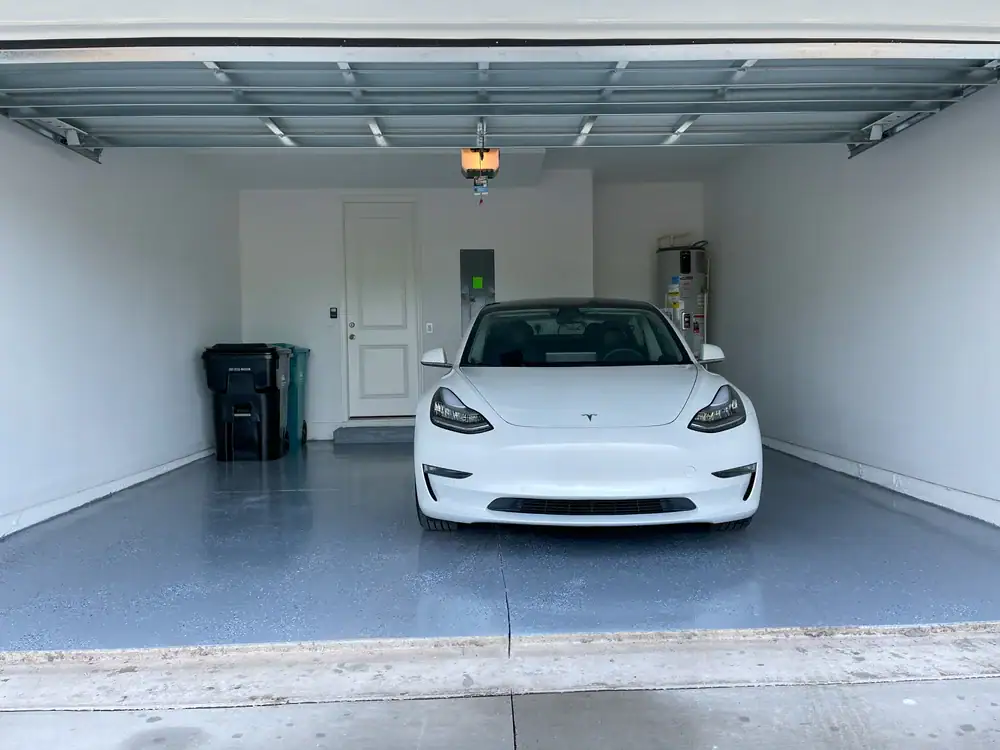
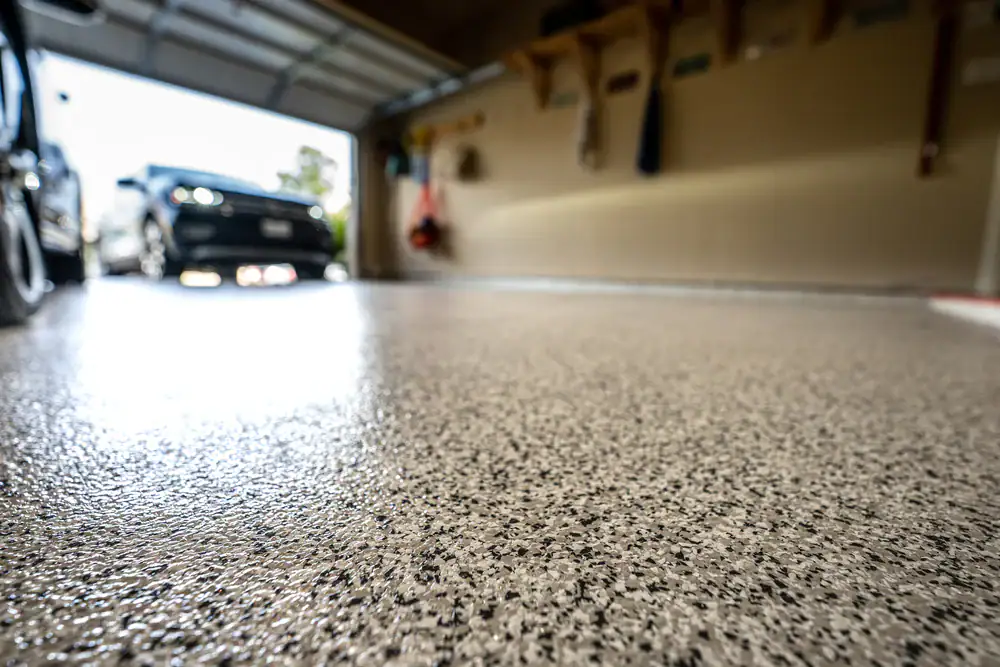
Epoxy Garage Floor Solutions in Fairgreen Crossings
Your garage floor takes a beating. Hot tires, oil drips, Florida’s relentless humidity, and the occasional spill from weekend projects. A properly installed epoxy garage floor handles all of it without peeling, bubbling, or fading after six months.
You’re looking at a floor that stays clean with a quick sweep and an occasional mop. No more oil stains soaking into bare concrete. No more dust tracked into the house. Just a surface that looks sharp and performs even better.
The right epoxy floor coating also protects your concrete slab from moisture damage, which matters in Fairgreen Crossings. High water tables and seasonal storms mean your garage sees more moisture than most. A professional installation seals that concrete, prevents cracking, and keeps your foundation intact for years. That’s not just cosmetic—it’s structural protection that saves you money down the road.
And if you’re thinking about resale value, finished garages are a selling point. Buyers in Fairgreen Crossings expect modern, well-maintained homes. A polished epoxy garage floor signals that the property has been cared for, and it can add thousands to your home’s value when it’s time to sell.
Trusted Epoxy Flooring Contractors in Fairgreen Crossings
We’ve been installing epoxy flooring and polished concrete across Florida since 2020. We’ve worked with the Coast Guard, the U.S. Army, the City of Doral, and dozens of commercial and residential clients who needed floors that could handle serious use.
We’re not a franchise. We’re not subcontracting your job to the lowest bidder. Every installation is done by our full-time team, using materials from Sherwin Williams and Fosroc—brands that hold up in Florida’s climate.
Fairgreen Crossings homeowners deal with the same challenges we see across Port St. Lucie: high humidity, intense sun, and concrete slabs that weren’t always poured perfectly. We prep for those conditions. That means shot-blasting or diamond grinding your concrete, filling cracks, and applying coatings designed for moisture resistance and UV stability. The result is a garage floor coating that doesn’t fail in year two because someone skipped the prep work.
Our Garage Floor Coating Process in Fairgreen Crossings
First, we assess your concrete. Not every slab is the same, and Florida garages often have moisture issues or surface damage that need attention before any coating goes down. We check for cracks, spalling, and moisture levels to make sure the surface is ready.
Next comes surface preparation. This is where most DIY jobs and budget contractors fail. We use diamond grinding or shot-blasting to open up the concrete’s pores so the epoxy bonds at a molecular level. We fill cracks, repair imperfections, and remove any old coatings or sealers that would interfere with adhesion. This step takes time, but it’s the difference between a floor that lasts two decades and one that peels in two years.
Then we apply the epoxy system. Depending on your needs, that might be a standard epoxy garage flooring system with decorative flakes, or a polyaspartic topcoat for faster curing and better UV resistance. We work in layers, allowing proper cure times between coats, and we don’t rush the process just to get to the next job.
Finally, we inspect the finished floor and walk you through maintenance. You’ll know exactly how to keep it looking new, and you’ll have our contact info if anything ever comes up. Most garage floor coatings are ready for light use within 24 hours and full vehicle traffic within 48 to 72 hours, depending on the system we install.
Ready to get started?
What’s Included in Our Epoxy Garage Flooring
You’re getting a full surface prep, which includes crack repair, grinding or shot-blasting, and a thorough cleaning before any coating touches your concrete. That’s non-negotiable. Without it, the epoxy won’t bond, and you’ll have problems within months.
You’re also getting a multi-layer epoxy floor coating system. That means a primer coat, a base coat, optional decorative flakes for texture and style, and a clear topcoat that seals everything and adds chemical resistance. If you want faster curing or better UV protection, we can use a polyaspartic topcoat instead of standard epoxy. It costs a bit more, but it’s worth it in Florida’s sun.
We also include a transparent consultation before we start. You’ll know exactly what we’re doing, why we’re doing it, and what it’s going to cost. No surprises, no upsells halfway through the job. If your concrete has issues that need extra work, we’ll tell you upfront—not after we’ve already started tearing up your floor.
And because we’re local to Florida, we understand what works in Fairgreen Crossings. Homes here are newer, built in the last couple of decades, with concrete slabs that are generally in good shape. But they still deal with moisture from the water table and heat from sitting in the sun all day. We account for that in our material selection and application process. The coatings we use are formulated for high humidity and temperature swings, so they don’t yellow, crack, or delaminate when your garage hits 95 degrees in July.
How long does epoxy garage flooring last in Florida’s climate?
A professionally installed epoxy garage floor should last 10 to 20 years in Florida, assuming it was prepped and applied correctly. The key factors are surface preparation and the quality of materials used.
If the concrete wasn’t ground or shot-blasted before the epoxy went down, you’ll see peeling within a year or two. That’s the most common failure point. Florida’s humidity makes this even worse because moisture gets trapped under the coating and causes blistering or delamination.
UV exposure is another issue. Standard epoxy can yellow over time if your garage gets a lot of sunlight. That’s why we often recommend a polyaspartic topcoat for garages with windows or doors that stay open. It cures faster, resists UV damage better, and holds up to Florida’s heat without breaking down. If you want a floor that still looks new in year ten, the upfront investment in better materials pays off.
What’s the difference between epoxy and polyaspartic garage floor coatings?
Epoxy is a two-part resin system that’s been the standard for garage floors for decades. It’s durable, chemical-resistant, and available in a range of colors and finishes. The downside is that it takes longer to cure, and it can yellow in direct sunlight over time.
Polyaspartic is a newer coating that cures much faster—often within 24 hours for full vehicle traffic. It also resists UV damage better than epoxy, so it won’t yellow or fade as quickly. That makes it a better choice for Florida garages that get a lot of sun exposure.
The tradeoff is cost. Polyaspartic systems are more expensive than standard epoxy, but they last longer and require less maintenance. If you’re planning to stay in your home for the long haul, polyaspartic is worth considering. If you’re on a tighter budget and your garage doesn’t get much sunlight, a high-quality epoxy system will still give you years of solid performance.
Can you install epoxy flooring over cracked or damaged concrete?
Yes, but the cracks need to be repaired first. Epoxy won’t hide structural issues—it’ll just follow the contours of whatever’s underneath. If your concrete has cracks, spalling, or uneven areas, we address those during surface prep.
Small cracks get filled with an epoxy-based filler that bonds to the surrounding concrete and creates a smooth, level surface. Larger cracks or areas with significant damage might need more extensive repair, like grinding down high spots or applying a resurfacing layer before the epoxy goes on.
If the concrete is severely damaged or has major settling issues, epoxy might not be the right solution. In those cases, we’ll tell you upfront and recommend alternatives like a full resurfacing or polished concrete system. The goal is a floor that lasts, not a temporary fix that fails in a year. We’d rather be honest about what your slab needs than take your money for a job that won’t hold up.
How much does garage epoxy flooring cost in Fairgreen Crossings, FL?
For a standard two-car garage in Fairgreen Crossings, expect to pay between $1,800 and $4,500 depending on the system, the condition of your concrete, and any custom finishes. That includes full surface prep, crack repair, a multi-layer epoxy system, and a clear topcoat.
If your concrete needs significant repair work, or if you want a polyaspartic topcoat for faster curing and better UV resistance, the price goes up. Custom colors, metallic finishes, or decorative flake patterns also add to the cost. But those are choices you make based on what you want the floor to look like and how you plan to use the space.
DIY kits from big-box stores might seem cheaper upfront, but they skip the most important step: proper surface preparation. Without grinding or shot-blasting, the epoxy won’t bond correctly, and you’ll end up with peeling, bubbling, or delamination within a year. Then you’re paying someone like us to strip it all out and start over, which costs more than doing it right the first time. We give transparent quotes based on your specific garage, so there are no surprises when the job is done.
How do I maintain my epoxy garage floor after installation?
Maintenance is simple. Sweep or blow out dirt and debris regularly to keep grit from scratching the surface. Mop with a mild cleaner and water when the floor needs a deeper clean. Avoid harsh chemicals or abrasive scrubbers—they’re not necessary, and they can dull the finish over time.
If you spill oil, brake fluid, or other automotive chemicals, wipe them up when you notice them. Epoxy is chemical-resistant, but leaving spills sitting for days or weeks can eventually cause staining or dull spots. A quick wipe with a rag takes care of it.
For long-term care, you might want to reapply a topcoat every five to ten years depending on how much traffic your garage sees. That’s not a full refinish—it’s just a fresh layer of clear coat to renew the shine and add another layer of protection. We can handle that when the time comes, or you can do it yourself if you’re comfortable with the process. The key is that a well-maintained epoxy floor doesn’t require much effort. It’s designed to be low-maintenance, and if it was installed correctly, it’ll stay that way for years.
Why does epoxy flooring peel, and how do you prevent it?
Epoxy peels because of poor surface preparation or moisture issues. If the concrete wasn’t properly cleaned, ground, or dried before the epoxy was applied, the coating won’t bond. It just sits on top of the surface, and eventually, it lifts.
Florida’s humidity makes this worse. If there’s moisture in the concrete when the epoxy goes down, it gets trapped underneath. As the moisture tries to escape, it pushes the coating up, causing bubbles or delamination. That’s why we test for moisture levels before we start any job, and why we use primers and sealers designed for high-moisture environments.
We prevent peeling by doing the prep work right. That means diamond grinding or shot-blasting to open up the concrete’s pores, filling cracks, removing old coatings, and making sure the surface is completely clean and dry before we apply anything. We also use high-quality materials that are formulated for Florida’s climate. Cheap epoxy from a big-box store might work in Arizona, but it won’t hold up here. The combination of proper prep and the right materials is what keeps your floor intact for decades instead of peeling in two years.
Other Services we provide in Fairgreen Crossings
Leave a Reply