


Garage Epoxy Flooring in Fountainebleau, FL
Garage Floors That Actually Last in Florida
Hear from Our Customers
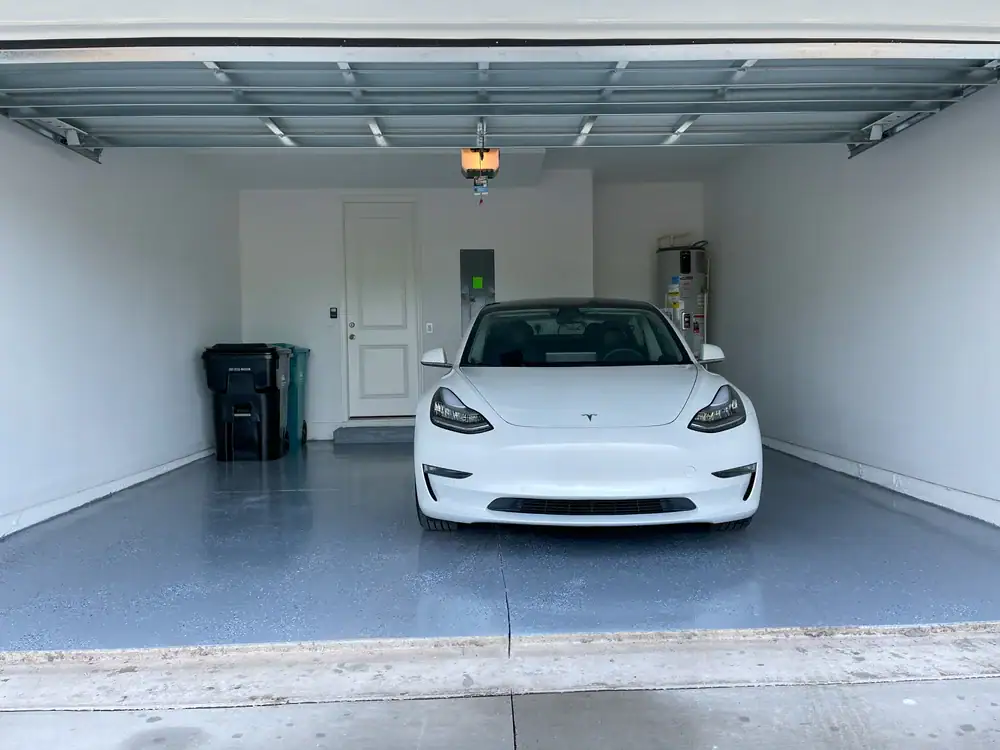
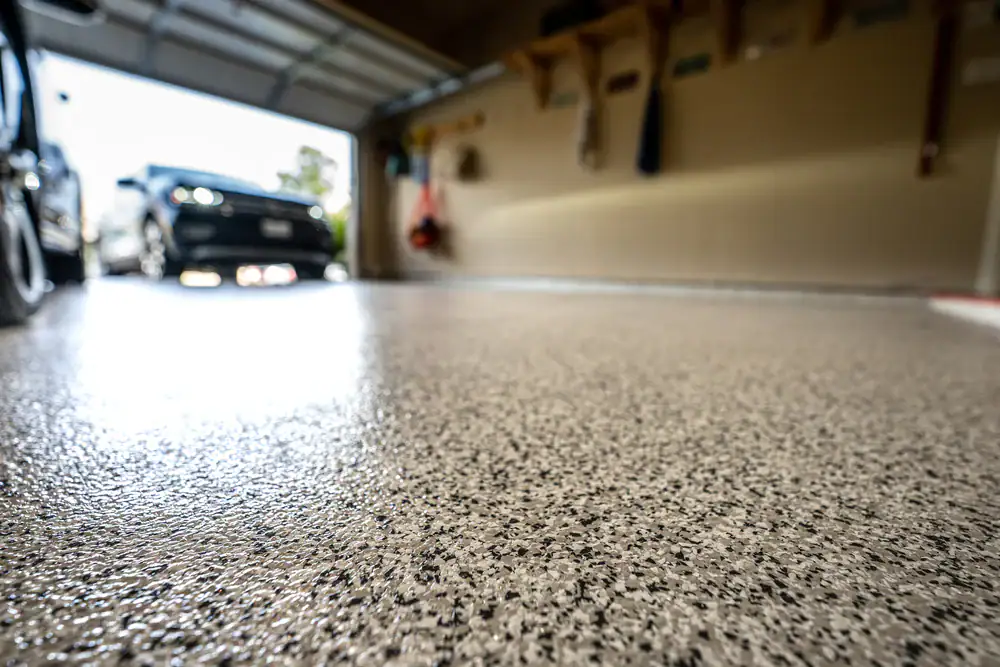
Epoxy Garage Floor Coating Fountainebleau
Oil doesn’t stain anymore. You can wipe up spills months later and the floor looks exactly the same.
The concrete stops breaking down. No more dust, no more cracks spreading, no more surface that looks worse every time it rains. The floor becomes the easiest part of your property to maintain.
It’s slip-resistant when wet, which matters during Florida’s afternoon storms. The surface stays cooler than bare concrete in summer. And if you’re selling in a few years, this is one of those upgrades that buyers notice immediately and actually adds value.
Most importantly, it stops being something you think about. The garage floor just works. That’s what a properly installed epoxy floor coating does in Fountainebleau—it removes a problem you didn’t realize was costing you time and frustration.
Fountainebleau Epoxy Flooring Contractor
We specialize in epoxy and polished concrete throughout South Florida. We’ve installed floors for the Coast Guard, US Army facilities, the City of Doral, and high schools across the county.
We’re not a franchise or a crew that does ten different things. This is what we do. Epoxy flooring, concrete polishing, resurfacing—all day, every project, residential and commercial.
Fountainebleau sits in the heart of Miami-Dade, where humidity averages 20% higher than most of the country and concrete takes a beating from salt air and sandy soil shifts. We use commercial-grade materials from Sherwin Williams and Fosroc because they’re formulated to bond in these exact conditions. Your garage floor isn’t a showroom in Arizona—it needs chemistry that works here.
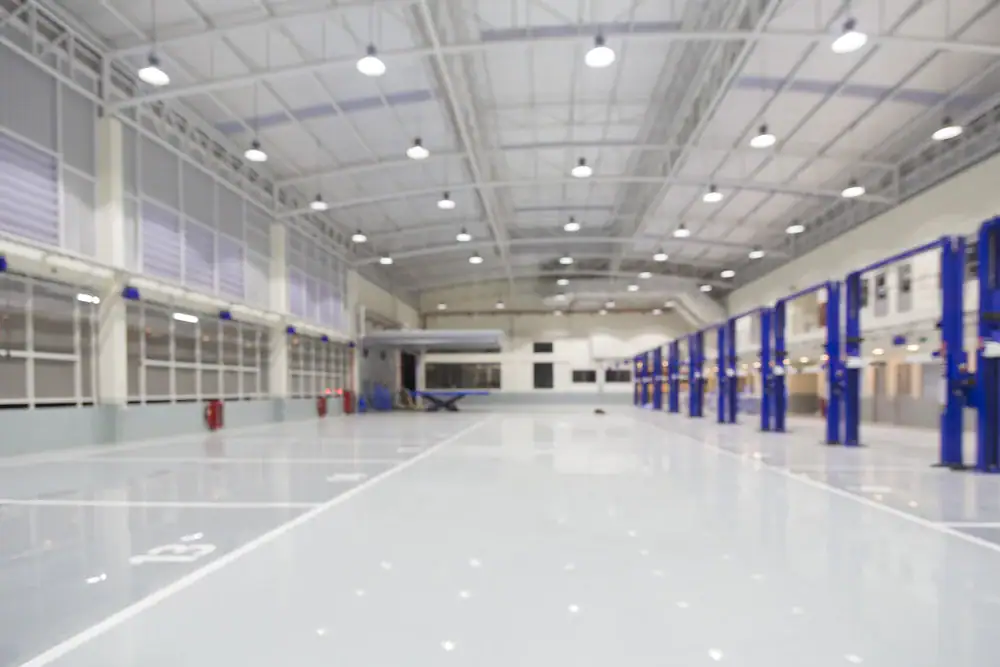
Garage Floor Coating Process Fountainebleau
First, we assess the slab. We’re checking for moisture issues, existing coatings, cracks, and how the concrete was finished. This determines prep work and which system you need.
Then we prep the surface. That means grinding or shot blasting to open the concrete pores so the epoxy can bond at a molecular level. If there’s an old coating that’s failing, it comes off completely. Cracks get filled and leveled. This step is why most DIY kits fail—they skip it.
Next, we apply the base coat. This is a penetrating primer that soaks into the concrete and creates the bond. In Florida’s humidity, timing matters here. Apply it wrong and you get bubbles or delamination six months later.
After that, the epoxy system goes down in layers. Depending on what you need—chemical resistance, slip resistance, aesthetics—we build the system accordingly. Some projects get metallic finishes, some get broadcast flake, some stay clean and industrial.
Finally, we seal it with a topcoat that handles UV exposure and chemical spills. The floor is usually ready for light traffic in 24 hours, full use in 48-72. We don’t leave until it’s done right.

Ready to get started?
Garage Epoxy Flooring Services Fountainebleau
You’re getting a floor system designed for Florida. That means moisture mitigation if your slab needs it, which many ground-level garages in Fountainebleau do because of the water table and sandy soil.
You’re getting materials rated for commercial and industrial use. The same products we install in warehouses and military facilities. This isn’t a kit from a big box store—it’s a multi-layer system with actual performance data behind it.
You’re getting transparent pricing and a one-on-one consultation before we start. We’ll tell you what your slab needs, what it’ll cost, and how long it takes. If there’s a problem we find during prep, we’ll explain it and give you options.
You’re also getting people who do this full-time. We’ve worked on everything from residential garages to high schools to Coast Guard facilities. We know what fails in South Florida and why. And we know how to install systems that last 10-20 years instead of peeling off in three.
If you’re in Fountainebleau, you’re also close enough that we can turn projects around fast. Some residential garage floors get done in a weekend. Larger or more complex jobs take longer, but we’re not dragging it out.
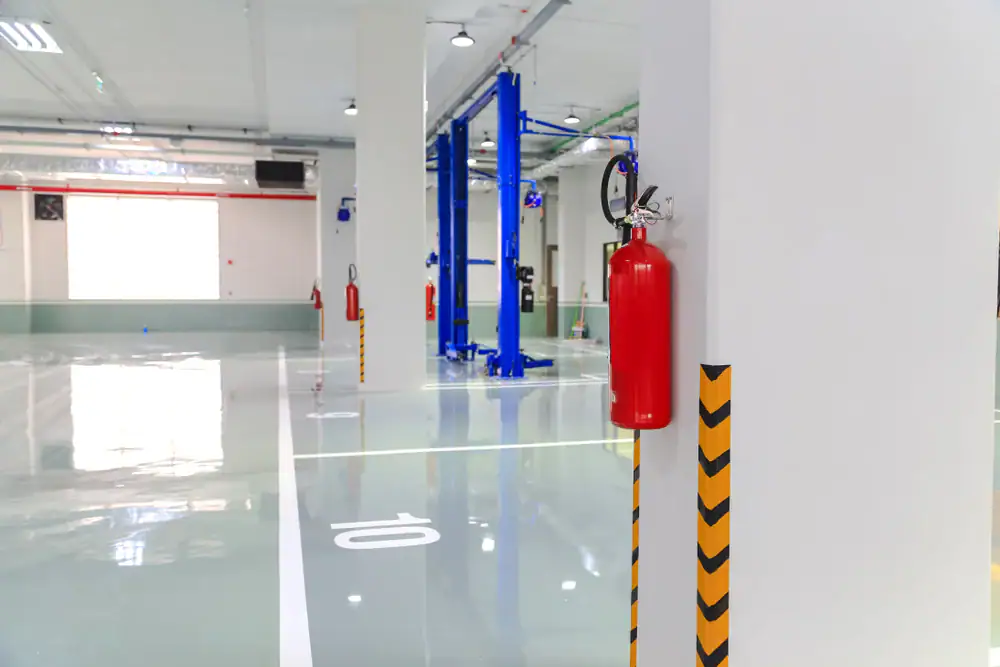
How much does garage epoxy flooring cost in Fountainebleau?
Cost depends on the size of your garage, the condition of the concrete, and which system makes sense for how you use the space. A standard two-car garage typically runs between $1,800 and $4,500 for a professional-grade epoxy floor coating.
If your slab has moisture issues, needs significant crack repair, or requires old coatings stripped off, that adds to the prep work and the price. If you want decorative options like metallic finishes or custom colors, that’s a different cost than a solid industrial gray.
The real question isn’t what it costs—it’s what you’re comparing it to. A $300 DIY kit from a home improvement store will fail in two to three years in Florida’s climate. Then you’re paying someone to strip it off and do it right, which costs more than just doing it right the first time. We give you transparent pricing upfront so you know exactly what you’re paying for and why.
How long does epoxy flooring last on a garage floor in Florida?
A properly installed commercial-grade epoxy system lasts 10 to 20 years in South Florida, even with heavy use. We’ve seen floors we installed years ago that still look new.
The lifespan depends on the install quality and the materials used. Cheap coatings or improper surface prep lead to failures within a few years—bubbling, peeling, discoloration. Florida’s humidity is brutal on coatings that aren’t designed for it. If the concrete wasn’t prepped correctly or the installer didn’t account for moisture, the system fails.
That’s why we use commercial-grade products from Sherwin Williams and Fosroc. They’re formulated to bond in humid conditions and handle the thermal cycling that happens when your garage goes from 90 degrees during the day to 70 at night. The floor isn’t just sitting on top of the concrete—it’s chemically bonded into it. That’s the difference between a floor that lasts and one that doesn’t.
Will epoxy flooring hold up to oil and chemical spills?
Yes. That’s one of the main reasons people install epoxy garage floors. Motor oil, gasoline, antifreeze, brake fluid—they all sit on top of the epoxy instead of soaking into the concrete.
You can literally spill oil, leave it for months, and wipe it up without a stain. The chemical resistance is built into the coating. That’s why we use the same epoxy systems in industrial facilities and warehouses where chemical exposure is constant.
Bare concrete is porous. Once oil soaks in, it’s there permanently. Even if you scrub it, the stain stays because it’s embedded in the concrete. Epoxy seals the surface completely, so spills don’t penetrate. This also makes cleaning easier—you’re not scrubbing concrete, you’re wiping a smooth, sealed surface. For anyone who works on cars or stores equipment in their garage, this is a huge practical advantage.
Can epoxy flooring be applied over my existing garage floor?
It depends on the condition of your existing floor. If your concrete is in decent shape—no major cracks, no existing coatings that are failing, no significant moisture issues—then yes, we can apply epoxy directly over it after proper prep.
If there’s an old coating that’s peeling or bubbling, we have to remove it completely first. If there are cracks, we fill and level them. If the concrete is severely damaged or has moisture problems, we address that before any coating goes down. Skipping these steps is why most epoxy jobs fail.
The prep work is the most important part of the install. We grind or shot blast the surface to open up the concrete pores so the epoxy can bond at a molecular level. This isn’t optional—it’s the difference between a floor that lasts 15 years and one that peels off in two. We assess every slab before we start and tell you exactly what it needs.
How long does it take to install epoxy flooring in a garage?
Most residential garages take one to three days depending on size and complexity. A standard two-car garage with concrete in good condition can often be done in a weekend.
Day one is prep—grinding the surface, repairing cracks, cleaning everything. Day two is applying the base coat and the epoxy system. Day three, if needed, is the topcoat and final seal. Some projects are faster, some take longer if there’s significant repair work or if we’re installing a more complex system.
The floor is usually ready for light foot traffic within 24 hours and full vehicle use within 48 to 72 hours. Cure times depend on temperature and humidity, which we account for during install. We don’t rush it. The goal is a floor that lasts, not a floor that’s done fast. If your project needs more time to do it right, we’ll tell you upfront.
Does epoxy flooring work in Florida’s humidity and heat?
Yes, but only if it’s installed correctly with the right materials. Florida’s humidity is one of the main reasons cheap epoxy coatings and DIY kits fail. When humidity exceeds 75%, which happens constantly here, improper coatings trap moisture and start bubbling or peeling.
We use commercial-grade systems specifically formulated to bond in high-humidity environments. The chemistry is different. These products are designed to handle moisture vapor transmission through the concrete slab, which is common in ground-level garages in Fountainebleau because of the water table and sandy soil.
Heat cycling is the other issue. Your garage can swing 20+ degrees between day and night, and that expansion and contraction stresses coatings that aren’t flexible enough. The systems we install are used in warehouses and industrial facilities across Florida because they’re engineered for exactly these conditions. This is why we don’t use the same products you’d find at a home improvement store—they’re not built for this climate.
Other Services we provide in Fountainebleau
Leave a Reply