


Garage Epoxy Flooring in Gatlin Pines, FL
A Garage Floor That Actually Survives Florida
Hear from Our Customers
Epoxy Garage Floor Systems for Gatlin Pines
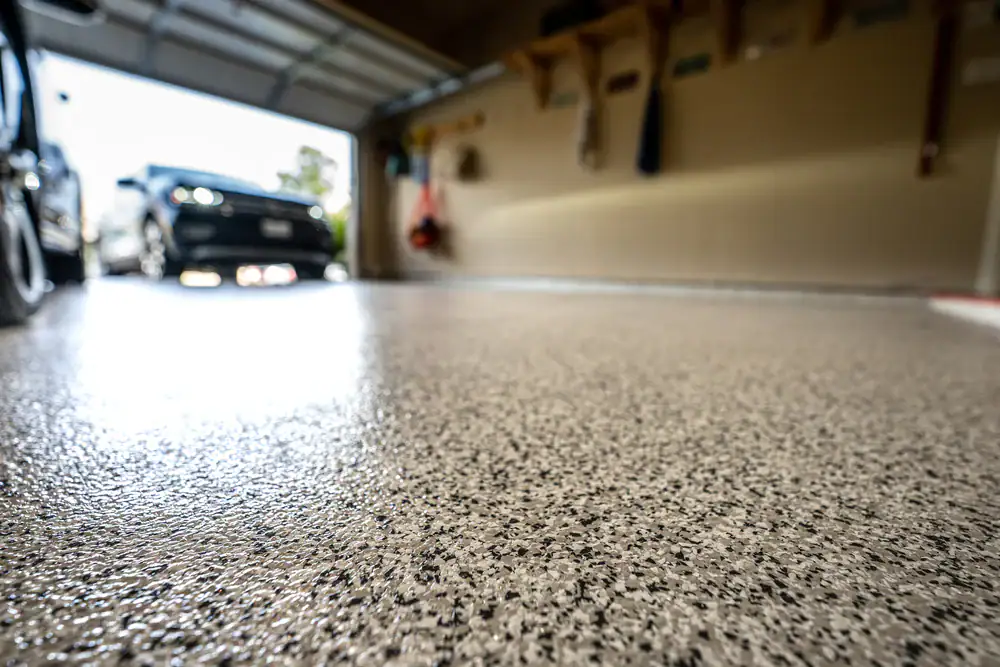
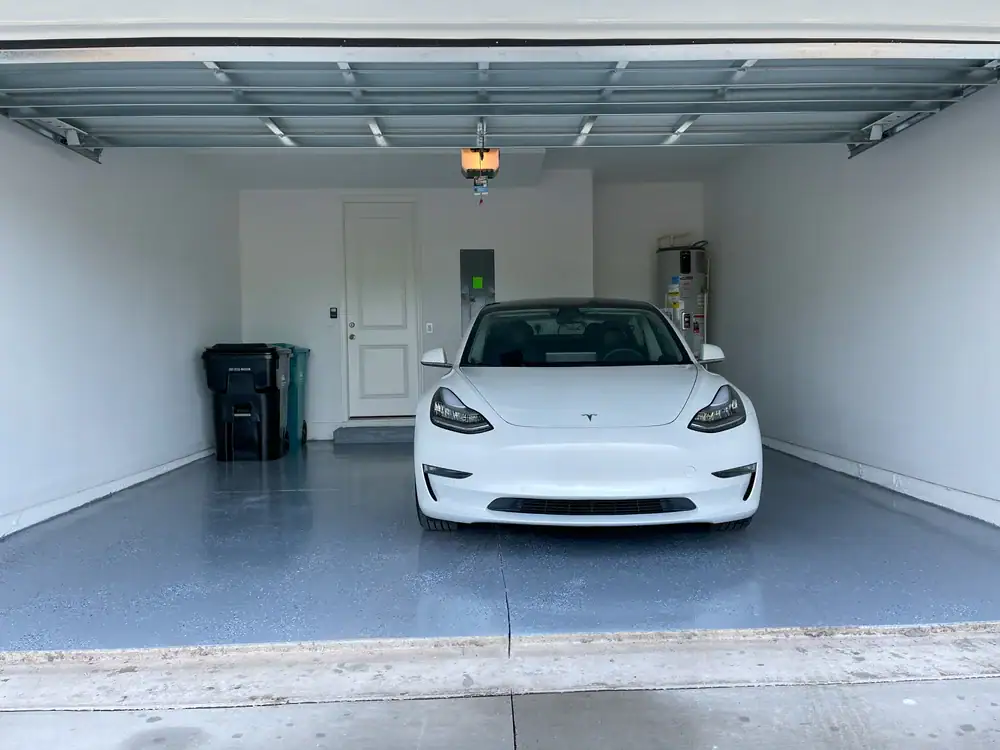
Your garage stops being the room you avoid showing people. The concrete that used to collect stains and dust now cleans with a quick sweep or mop. You’re not reapplying coatings every few years or dealing with peeling sections after a rainy summer.
Epoxy floor coating done right means you can pull in with hot tires, track in water from a storm, or drop tools without worrying about surface damage. The floor holds up because the prep work was done correctly and the materials were chosen for Florida’s climate, not just what’s cheapest at the big box store.
You’re also not slipping when the floor gets wet. A proper garage floor coating includes slip-resistant additives that keep traction even when your kids track in half the neighborhood pool. That’s the difference between a floor that looks good in photos and one that actually works in Gatlin Pines year-round.
Epoxy Flooring Contractors Serving Gatlin Pines
We’ve been installing commercial-grade epoxy garage flooring across Florida since 2020. We’ve handled projects for the US Army, Coast Guard facilities, and municipal buildings in cities like Doral and Sunny Isles. That’s not name-dropping—it’s context for the level of work we bring to your garage in Gatlin Pines.
We don’t subcontract the installation. Everyone on your job is a full-time SPF employee who’s done this enough times to spot moisture issues before they become coating failures. We use the same Sherwin Williams and Fosroc products on residential floors that we use on industrial projects, because garage floor coatings shouldn’t be a different quality just because it’s a home.
You’ll get a one-on-one consultation, transparent pricing, and a crew that shows up when they say they will. Most garage floors in the Port St. Lucie area get done in a day.
Our Garage Floor Coating Process
First, we assess your concrete. Not every slab in Gatlin Pines is in the same condition, and Florida humidity means moisture testing isn’t optional. We use calcium chloride tests to check vapor levels because applying epoxy over a damp slab is how you get blistering and peeling six months later.
Surface prep comes next—shot-blasting, diamond grinding, or scarifying depending on what your concrete needs. We’re removing any existing coatings, oils, or contaminants and creating the profile the epoxy needs to bond properly. This step takes the most time and it’s the one most DIY kits and cheap installers skip. We don’t.
Then we repair cracks and imperfections, apply a moisture-tolerant primer if needed, and install the epoxy system in layers. The topcoat includes UV-resistant and slip-resistant additives because your garage in Florida deals with sun exposure and wet conditions. You can walk on it in 12 hours. You can park on it in 72.
Ready to get started?
Garage Epoxy Flooring Options in Gatlin Pines
You’re getting a full concrete evaluation before we touch anything. That includes moisture testing, surface inspection, and a walkthrough of what your specific slab needs. Some garages in Gatlin Pines have minor cracking from settling, others have oil stains from years of use—we address what’s actually there, not what a standard package assumes.
The installation includes complete surface preparation using commercial equipment, crack and joint repair, a bonding primer, the epoxy base coat, decorative flake or color options if you want them, and a clear polyurethane or polyaspartic topcoat with slip resistance. We’re also adding UV inhibitors to the topcoat because Florida sun will yellow standard epoxy within months if it’s not protected.
Cleanup is part of the job. We’re not leaving you with dust or equipment to deal with. You’ll also get care instructions that actually matter—what cleaners to use, what to avoid, and how to keep the floor looking like it did on install day. Most epoxy garage floors we install in the Port St. Lucie area last 15 to 20 years with basic maintenance.
How long does garage epoxy flooring last in Florida’s climate?
A properly installed epoxy garage floor in Gatlin Pines should last 15 to 20 years, sometimes longer if you’re not running a commercial shop out of your garage. The lifespan depends almost entirely on the prep work and the quality of materials used, not the epoxy itself.
Florida’s humidity and heat are tough on coatings. Cheap epoxy or poor surface prep will show problems within the first year—bubbling, peeling, or yellowing from UV exposure. We use moisture-tolerant primers and high-solids epoxy systems designed for coastal climates, and we add UV inhibitors to the topcoat. That’s how you get past the five-year mark without issues.
Regular maintenance helps too. Sweeping off sand and debris, mopping up spills, and avoiding harsh chemicals will keep the surface intact longer. But the real work happens before the epoxy ever goes down—moisture testing, proper concrete profiling, and using materials that bond stronger than the concrete bonds to itself.
Why do some garage floor coatings peel after one summer?
Peeling happens when the coating never properly bonded to the concrete in the first place. The most common cause in Gatlin Pines is moisture—either the installer didn’t test for it, or they ignored the results and applied the coating anyway. Florida slabs hold moisture, especially in newer homes where the concrete hasn’t fully cured or in areas with high water tables.
The second reason is inadequate surface prep. If the concrete isn’t profiled correctly—meaning ground or blasted to create texture—the epoxy just sits on top instead of bonding into the surface. Oil stains, dust, or old sealers will also prevent adhesion. A lot of DIY kits and budget installers skip the prep because it’s time-consuming and requires equipment most people don’t own.
We test every slab for moisture using calcium chloride tests and Tramex meters. If moisture levels are too high, we use vapor barriers or moisture-mitigating primers before the epoxy goes down. Then we shot-blast or diamond-grind the surface to remove contaminants and create the profile the coating needs. That’s the difference between a floor that lasts two decades and one that peels after the first rainy season.
What’s the difference between epoxy and the coatings sold at hardware stores?
Most hardware store kits are water-based or low-solids epoxy, which means they’re thinner and don’t bond as aggressively as commercial-grade products. They’re also sold with the assumption that your concrete is clean, dry, and perfectly prepped—which it almost never is. The instructions usually say to acid-etch the floor, but that doesn’t create enough profile for a strong bond, especially on smooth or sealed concrete.
The epoxy systems we install are 100% solids or high-solids formulations from manufacturers like Sherwin Williams and Fosroc. These are the same products used in warehouses, military facilities, and industrial spaces where floors take serious abuse. They’re thicker, harder, and chemically resistant in ways that retail kits aren’t. We’re also using moisture-tolerant primers and UV-resistant topcoats that aren’t included in a box from the store.
The other difference is the equipment. We’re shot-blasting or diamond-grinding your concrete to remove contaminants and create the surface profile the epoxy needs. A rental floor buffer and some acid isn’t going to get you there. If you want a garage floor coating that actually lasts in Florida, the materials and the prep work both have to be commercial-grade.
How soon can I use my garage after epoxy installation?
You can walk on the floor in about 12 hours. Light foot traffic won’t damage the coating once it’s cured past the initial set time. For vehicles, you’re waiting 72 hours before parking or driving on the surface. That gives the epoxy time to fully cure and reach its maximum hardness.
Florida’s heat and humidity actually speed up cure times compared to colder climates, but we still follow the manufacturer’s guidelines to make sure the coating reaches full strength. If you park too early, you risk tire marks, surface indentations, or adhesion problems where the weight of the vehicle disrupts the bond before it’s fully set.
Most garage floors in Gatlin Pines get installed in one day. We start in the morning, finish by late afternoon, and you’re back to normal use by the weekend. If you need faster turnaround for a specific reason, we can use polyaspartic topcoats that cure quicker, but that’s a conversation we have during the consultation based on your timeline and how you use the space.
Will the epoxy floor be slippery when wet?
Not if it’s installed correctly. We add slip-resistant additives to the topcoat specifically because garages get wet—from rain, car wash runoff, or tracked-in water. The texture is subtle enough that it doesn’t interfere with cleaning, but it gives you traction when the floor is damp.
Standard epoxy without a textured topcoat can be slippery, especially smooth high-gloss finishes. That’s fine for a showroom floor that stays dry, but it’s a safety issue in a functional garage in Florida where afternoon storms are a regular thing. We use either aluminum oxide or polymer grit depending on how much texture you want and how the space gets used.
You’ll notice the difference immediately if you’ve ever walked on a wet epoxy floor without slip resistance. The textured topcoat keeps footing stable without making the floor rough or hard to sweep. It’s a standard part of our garage floor coating process, not an optional add-on.
Can you install epoxy over cracked or damaged concrete?
Yes, but the cracks need to be repaired first. Epoxy isn’t a crack filler—it’s a coating. If the concrete underneath is moving or deteriorating, the epoxy will eventually reflect those same issues. We assess every crack to determine whether it’s structural, cosmetic, or caused by settling, then repair it with the appropriate method before any coating goes down.
Small hairline cracks get filled with epoxy or polyurethane crack fillers that flex slightly with the concrete. Larger cracks or areas with spalling might need grinding, patching, or resurfacing depending on severity. If the slab has significant structural problems, we’ll tell you that upfront—sometimes a floor needs more than a coating, and we’re not going to sell you something that won’t hold.
Most garages in Gatlin Pines have minor cracking from normal settling, especially in newer developments where the ground is still compacting. That’s repairable and won’t affect the longevity of the epoxy system. We handle all the prep and repair work as part of the installation, so you’re not coordinating multiple contractors or trying to patch concrete yourself before we show up.
Other Services we provide in Gatlin Pines
Leave a Reply