


Garage Epoxy Flooring in Glen Ridge, FL
Garage Floors That Handle Florida’s Worst Days
Hear from Our Customers
Professional Epoxy Garage Floor Installation
You’re tired of looking at that stained, cracked concrete every time you pull into your garage. The oil spots won’t come out. The surface is dusty no matter how much you sweep. And if you’ve tried a DIY epoxy kit before, you already know how that turned out—peeling edges, bubbles, or a finish that lasted maybe two summers before it started falling apart.
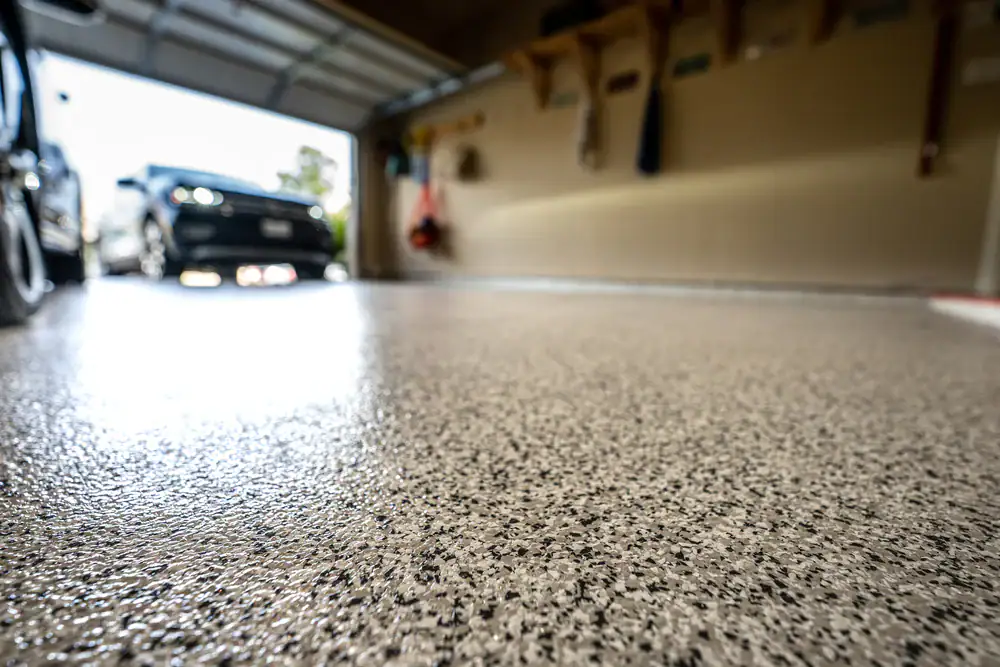
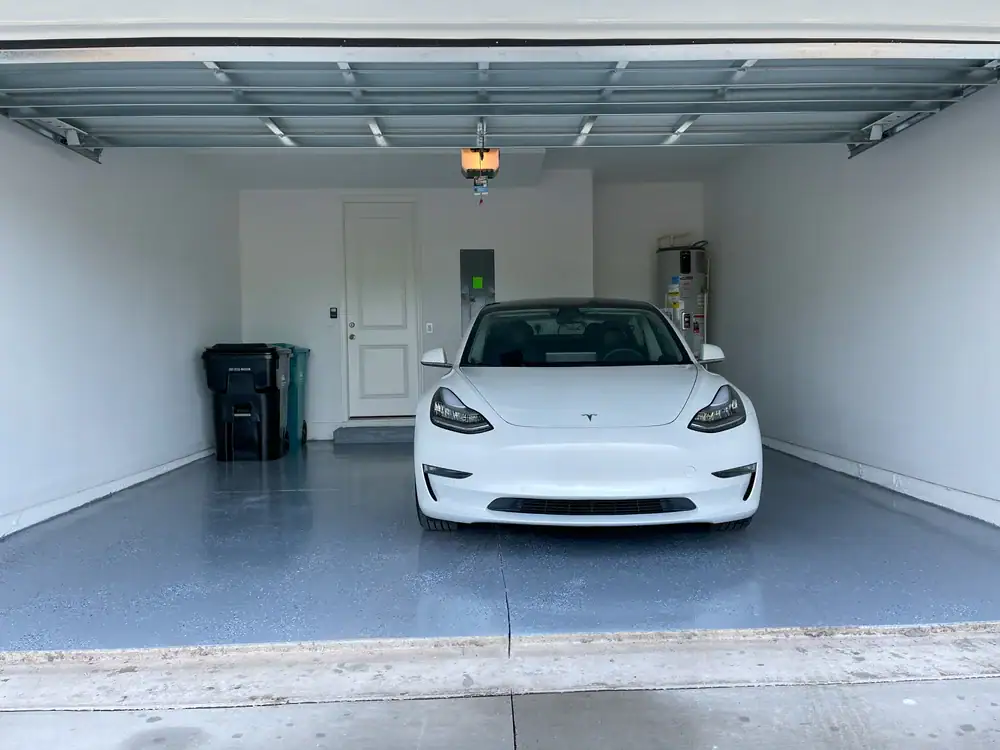
Here’s what changes when you get a professionally installed epoxy garage floor. The surface becomes completely sealed, so oil and chemicals wipe up instead of soaking in. The finish stays intact through Florida’s humidity swings and afternoon storms. You’re not repainting or patching every couple of years. And if you ever sell, buyers notice—a finished garage floor can add thousands to your home’s value in South Florida’s competitive market.
The difference isn’t just how it looks. It’s how long it performs without you having to think about it.
Trusted Epoxy Flooring Contractor in Glen Ridge
We’ve been installing epoxy and polished concrete systems across South Florida since 2020. We’ve worked with the U.S. Military, Coast Guard, City of Doral, City of Sunny Isles, and county facilities that can’t afford to redo floors every few years. Those clients come back because the work holds up.
Glen Ridge homeowners face the same climate challenges as our commercial and government clients—high humidity, temperature swings, and UV exposure that breaks down inferior coatings in months. We adjust resin ratios based on real-time humidity readings and use moisture-resistant formulas that account for Florida’s conditions. That’s not standard practice. It should be.
You’re not getting a one-size-fits-all approach. You’re getting a system engineered for where you live.
Our Garage Floor Coating Process
First, we test your concrete slab for moisture. Florida garages often retain water vapor, and if we skip this step, the coating will fail no matter how good the product is. We use ASTM-standard calcium chloride tests or Tramex meters to measure what’s happening below the surface.
Next comes surface prep. We grind down the concrete to remove any old coatings, sealers, or contaminants. This also opens up the pores so the epoxy can bond properly. Most peeling issues come from skipping or rushing this part. We don’t.
Then we apply the epoxy system in layers—base coat, optional color flakes or metallic finish, and a clear topcoat for UV and chemical resistance. Each layer is timed based on temperature and humidity readings that day. We’re not guessing. We’re following the data.
Cure time is typically 24 to 48 hours depending on the system. After that, you can park on it, drop tools on it, and clean it with a damp mop. It’s ready to work.

Ready to get started?
Garage Epoxy Flooring Options in Glen Ridge
Every garage floor coating we install in Glen Ridge starts with moisture testing and diamond grinding. No shortcuts. From there, you choose the finish—solid color, decorative flakes, or metallic epoxy. All systems include a UV-stable topcoat that resists yellowing, which matters more in South Florida than most people realize. UV levels here hit “extreme” during summer months, and standard epoxy breaks down three times faster than it does in milder climates.
We use products from Sherwin Williams and Fosroc—commercial-grade materials designed for high-traffic and high-moisture environments. These aren’t the same resins you’ll find in a big-box store kit. The chemical resistance is higher. The bond strength is higher. And the lifespan is typically 10 to 15 years when maintained correctly, compared to 2 or 3 years for DIY coatings.
You also get transparent pricing up front, a one-on-one consultation before we start, and follow-up after the job is done. If something doesn’t look right or you have questions six months later, we’re still here. That’s not standard in this industry, but it should be.
How long does epoxy flooring last in Florida’s climate?
A professionally installed epoxy garage floor in Glen Ridge typically lasts 10 to 15 years if it’s done right and maintained properly. That number drops fast if the installer doesn’t account for Florida’s humidity and heat.
The biggest threats to longevity here are moisture vapor from the concrete slab, UV exposure that yellows and weakens the resin, and thermal cycling from hot tires on a hot floor. We address all three. Moisture testing before installation catches vapor issues early. UV-stable topcoats prevent breakdown from sun exposure. And proper surface prep ensures the bond can handle temperature swings without cracking or delaminating.
DIY kits usually fail within 2 to 3 years because they skip the prep, use lower-grade resins, and don’t adjust application techniques for local conditions. You’ll see peeling, bubbling, or discoloration long before the decade mark. If you want a floor that lasts, the installation process matters more than the product name on the label.
Can I epoxy my garage floor myself?
You can, but the results are rarely worth the time and money you’ll spend fixing it later. Most DIY epoxy failures come down to three things: inadequate surface prep, improper mixing ratios, and applying the coating in the wrong environmental conditions.
Florida’s humidity makes this even harder. If you apply epoxy when the humidity is above 65% or the temperature is outside the 71-77°F range, the resin won’t cure correctly. You’ll get soft spots, bubbles, or a finish that never fully hardens. And if you don’t grind the concrete first, the coating sits on top of dust, oil, and old sealers instead of bonding to clean concrete. That’s why you see peeling within months.
We’ve redone dozens of DIY jobs across South Florida. The removal process alone adds 40% to the cost of doing it right the first time. If your garage is a low-stakes workshop space and you’re okay with a 2-year lifespan, DIY might work. But if you’re looking for a finish that holds up and adds value to your home, professional installation isn’t optional—it’s the only way to get there.
What’s the difference between epoxy and garage floor paint?
Garage floor paint is a topical coating that sits on the surface. Epoxy is a chemical bond that becomes part of the concrete. Paint might last a year if you’re lucky. Epoxy lasts a decade or more.
Paint is thinner, easier to apply, and cheaper up front. It’s also the first thing to peel when you drag a toolbox across it or park a hot car on it. It doesn’t seal the concrete, so oil still soaks in and moisture still moves through. You’re repainting every year or two, and each time it looks worse than the last.
Epoxy floor coating creates a thick, durable surface that resists impacts, chemicals, and abrasion. It seals the concrete so nothing penetrates. And when it’s applied correctly with proper prep, it doesn’t peel or chip under normal use. The upfront cost is higher, but the per-year cost is lower because you’re not redoing it constantly. If you want a garage floor that actually performs, epoxy is the only real option.
How much does garage epoxy flooring cost in Glen Ridge?
Professional epoxy garage floor installation in Glen Ridge typically runs $3 to $12 per square foot depending on the system you choose and the condition of your existing concrete. A standard two-car garage is around 400 to 600 square feet, so you’re looking at $1,200 to $7,200 for most projects.
Solid color epoxy with a clear topcoat is on the lower end. Metallic epoxy or decorative flake systems with multiple layers cost more. If your concrete needs significant repair—cracks filled, uneven areas leveled—that adds to the total. And if there’s an old coating that needs to be removed first, that’s extra labor.
The return is solid. A quality epoxy floor can increase your home’s value by $2,000 to $8,000 in South Florida’s market, and it eliminates ongoing maintenance costs for 10-plus years. Compare that to repainting every couple of years at $500 to $1,000 per job, and the math makes sense. You’re paying more once to avoid paying less repeatedly. We give you transparent pricing during the consultation so there’s no surprise when the invoice comes.
Will epoxy flooring hold up to hot tires and Florida heat?
Yes, if it’s installed with the right resin system and proper surface prep. Hot tires are one of the most common causes of DIY epoxy failure, but professional-grade systems are designed to handle thermal cycling without lifting or softening.
The issue with hot tires isn’t just the heat—it’s the combination of heat, weight, and any contaminants (oil, coolant) that get trapped between the tire and the coating. If the epoxy wasn’t applied to a properly prepared surface, that’s where it peels. The bond wasn’t strong enough to begin with, and the heat accelerates the failure.
We use commercial-grade epoxy urethane systems that maintain bond strength even when surface temperatures spike. And because we diamond-grind the concrete before application, the coating isn’t sitting on top of dust or residue—it’s locked into the substrate. Florida heat is tough on building materials, but it’s a known variable. We account for it in product selection and application timing. Your floor won’t peel because you parked your car on it.
How soon can I use my garage after epoxy installation?
Most epoxy garage floors are ready for foot traffic within 24 hours and vehicle traffic within 48 to 72 hours. The exact timeline depends on the system we install, the temperature during curing, and the humidity levels that week.
Epoxy cures through a chemical reaction, and that reaction is sensitive to environmental conditions. If it’s cooler or more humid than ideal, cure time extends. If it’s warmer and drier, it can cure faster. We don’t guess—we test the surface hardness before we tell you it’s ready. Parking on it too early can leave tire marks or damage the finish, and that’s not something we can fix without redoing sections.
For most Glen Ridge homeowners, we schedule the work so the garage is back in service by the weekend or within a few days of completion. If you need a faster turnaround, we can use rapid-cure systems that are ready in 24 hours, though those cost slightly more. Either way, you’ll know the timeline before we start, and we’ll confirm when it’s safe to use.
Other Services we provide in Glen Ridge
Leave a Reply