


Garage Epoxy Flooring in Glenvar Heights, FL
Epoxy Floors That Actually Last in Florida
Hear from Our Customers
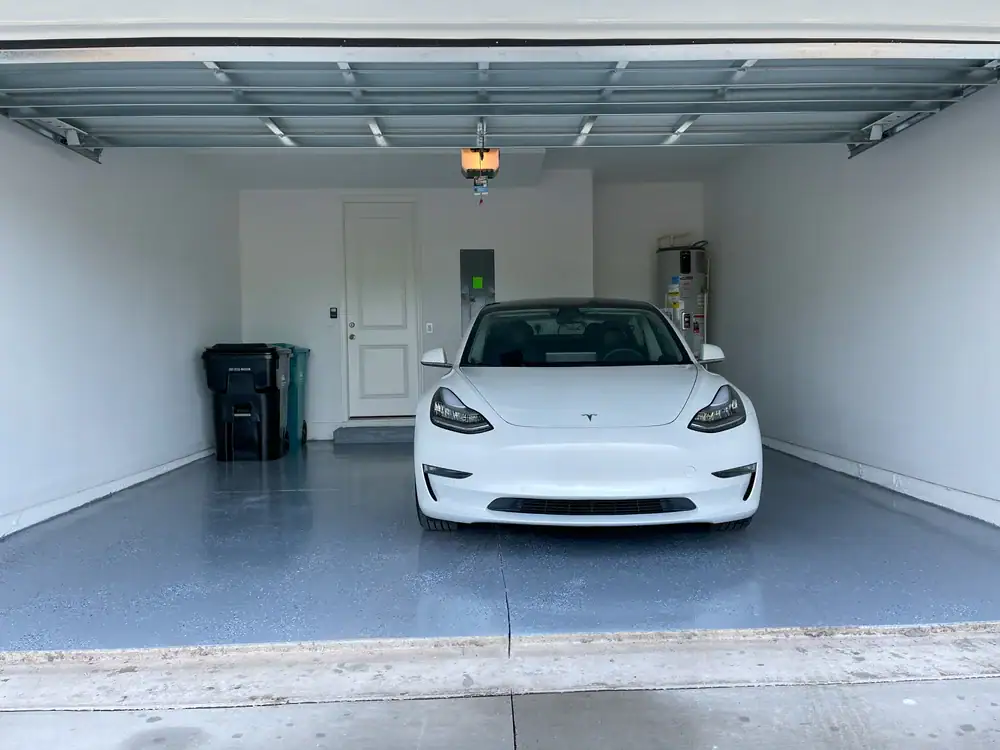
Epoxy Garage Floor Solutions for Glenvar Heights
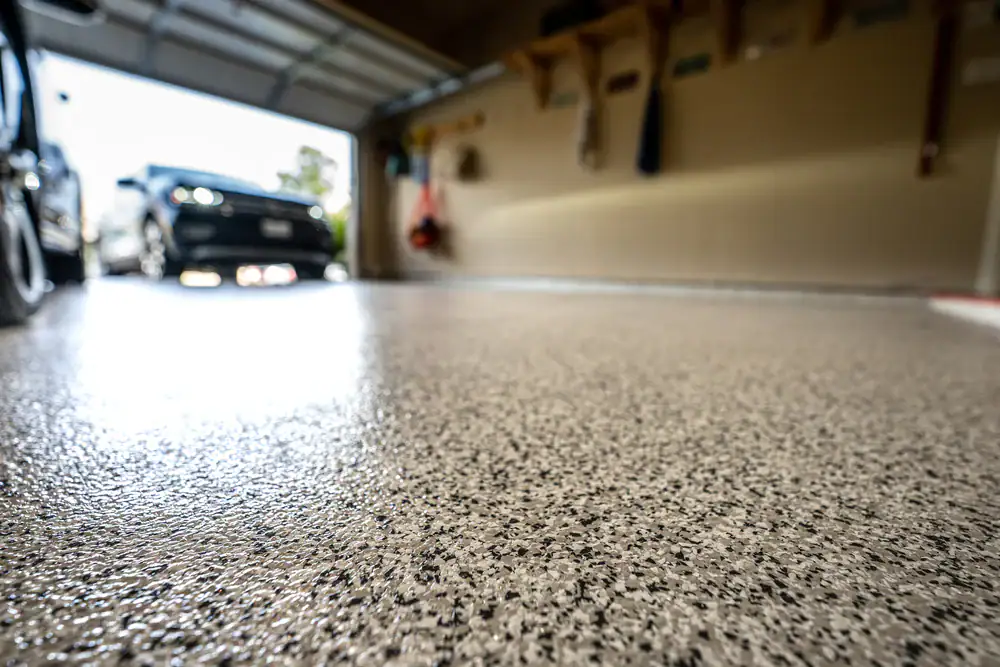
You’re not just covering concrete. You’re eliminating the constant dust, the oil stains that won’t come out, and the cracks that keep spreading every summer.
A proper epoxy floor coating creates a seamless surface where spills wipe up in seconds. No more scrubbing. No more stains that soak into bare concrete and stay there forever.
The difference shows up when Florida’s humidity spikes to 80% and your floor doesn’t bubble, peel, or turn cloudy. That only happens when the installation accounts for moisture vapor testing and climate-controlled application. Most garage floor coatings fail within 18 months in South Florida because installers skip those steps.
You’ll also notice your garage stays cleaner with less effort. The glossy finish reflects light better, making the space brighter without adding fixtures. And when it’s time to sell, buyers notice a finished garage the same way they notice updated kitchens.
Trusted Epoxy Flooring Contractors in Glenvar Heights
We handle epoxy flooring installation for residential garages, commercial spaces, and industrial facilities across Glenvar Heights and the surrounding Miami-Dade area. We don’t use subcontractors. Every project gets done by our full-time crew.
We’ve worked with the Coast Guard, US Army, City of Doral, City of Sunny Isles, and multiple county facilities. Those clients don’t hire based on the lowest bid. They hire based on who shows up, does the work right, and doesn’t create callbacks.
That’s the same standard we bring to your garage. You get transparent pricing, a one-on-one consultation, and follow-up calls to make sure everything holds up the way it should.
Our Garage Epoxy Flooring Installation Process
We start with moisture vapor testing. Florida code requires three tests per 1,000 square feet, and we use both calcium chloride tests and relative humidity probes. If your slab shows vapor emission rates over 3 pounds per 1,000 square feet in 24 hours, we address that before any coating goes down.
Next comes surface prep. We grind the concrete to open the pores, remove any existing coatings or sealers, and repair cracks or spalling. This step determines how well the epoxy bonds, so we don’t rush it.
Then we apply the epoxy system. Depending on your needs, that might be a solid color, a decorative flake system, or a metallic finish. We can also add slip-resistant aggregates in areas where moisture is expected. Most installations finish in one to two days.
After the epoxy cures, we apply a topcoat with UV protection to prevent yellowing under Florida’s sun. Then we walk the job with you, answer any questions, and make sure you know how to maintain it.

Ready to get started?
Epoxy Floor Coating Options for Glenvar Heights Garages
You’re getting a multi-layer system designed specifically for South Florida’s climate. That means moisture mitigation, proper surface prep, premium epoxy resin, and a UV-resistant topcoat. We use products from Sherwin Williams, Fosroc, Laticrete, and other manufacturers that actually stand behind their materials.
The coating itself resists oil, gasoline, brake fluid, transmission fluid, and most household chemicals. Spills don’t stain when you wipe them up promptly. The surface stays smooth and seamless, so you’re not dealing with grout lines or seams where dirt collects.
In Glenvar Heights, humidity averages 74% year-round. That’s 20% higher than the national average, and it’s why so many DIY epoxy kits fail within six months. Professional installation accounts for that moisture load with vapor barriers and climate-controlled application timing. It’s also why we don’t install when outdoor humidity exceeds 85% or when temperatures drop below 50°F.
You’ll also get a warranty that covers both materials and workmanship. If something goes wrong because of how we installed it, we come back and fix it. That’s not standard in this industry, but it should be.
How long does epoxy flooring last in a Florida garage?
Professional epoxy flooring typically lasts 15 to 20 years in residential garages, even with Florida’s humidity and temperature swings. That lifespan assumes you’re not driving a commercial truck over it daily or using it as a workshop with heavy equipment.
The key is proper installation. Most failures happen because moisture wasn’t tested before application, or because the concrete wasn’t prepped correctly. When epoxy delaminates, it’s almost always a bond failure, not a product failure.
DIY kits usually start showing problems within six months. You’ll see uneven tones, discoloration, or sections that peel up at the edges. That happens because the resin-to-hardener ratio gets mixed incorrectly, or because the concrete wasn’t ground and cleaned properly. Once that bond breaks, you’re starting over.
What’s the difference between epoxy and garage floor paint?
Garage floor paint is a topical coating that sits on the surface. Epoxy is a two-part resin system that chemically bonds to the concrete. Paint might last a year if you’re lucky. Epoxy lasts decades.
Paint also can’t handle the same abuse. Hot tires will pull it up. Chemicals will stain through it. And in Florida’s humidity, paint tends to trap moisture underneath, which leads to bubbling and peeling.
Epoxy creates an impermeable layer that liquids can’t penetrate. It also builds thickness—usually 10 to 20 mils depending on the system. Paint might give you 2 mils. That difference matters when you’re dragging toolboxes, dropping wrenches, or parking a car that leaks oil.
Can you install epoxy flooring over existing coatings or cracks?
We can, but we don’t recommend it unless the existing coating is fully intact and properly bonded. Most of the time, old coatings need to come off completely. If there’s any delamination or weak spots, the new epoxy will only be as strong as what’s underneath it.
Cracks get repaired before we coat. Small hairline cracks get filled with epoxy mortar. Larger structural cracks might need routing and sealing. If the slab is actively moving or settling, epoxy won’t stop that, and we’ll tell you upfront.
The goal is to give you a floor that lasts. That means doing the prep work right, even if it adds time to the project. Shortcuts save a day or two now but cost you the entire floor later.
How much does garage epoxy flooring cost in Glenvar Heights?
Most garage epoxy flooring installations in Glenvar Heights run between $3 and $12 per square foot, depending on the system you choose. A basic solid-color epoxy costs less than a metallic finish or a decorative flake system with multiple colors.
The price also depends on the condition of your concrete. If we’re grinding down old coatings, repairing significant cracks, or dealing with moisture issues, that adds to the labor. But those steps are what separate a 15-year floor from a 15-month floor.
We give you transparent pricing after we assess the space. No surprises, no upsells once we start. You’ll know exactly what you’re paying for and why it costs what it costs.
How do I maintain my epoxy garage floor?
Maintenance is simple. Sweep or blow out dust and debris regularly. Mop with a mild cleaner and water when it gets dirty. That’s it.
For spills, wipe them up when they happen. Oil, gasoline, and brake fluid won’t stain the epoxy, but they can leave residue if they sit for days. A quick wipe with a rag handles it.
Avoid using harsh solvents or acidic cleaners. They won’t damage the epoxy immediately, but over time they can dull the finish. Stick with pH-neutral cleaners, and your floor will keep its gloss for years. If you ever need to deep clean it, a pressure washer on a low setting works fine.
Will epoxy flooring work in a garage that floods during heavy rain?
Epoxy itself is waterproof, but it won’t solve a drainage problem. If your garage floods because water flows in from outside, you need to address that first. Epoxy can handle standing water temporarily, but it’s not a flood barrier.
What epoxy does handle well is moisture vapor coming up through the concrete. That’s the bigger issue in Florida. Even if your garage doesn’t flood, the slab is constantly releasing moisture into the air. If that vapor gets trapped under the coating, it builds pressure and eventually causes delamination.
That’s why we test for moisture before installation and use vapor barriers when needed. If your garage has a history of flooding, we’ll talk through your options during the consultation. Sometimes the answer is epoxy with better drainage. Sometimes it’s addressing the grading around the property first.
Other Services we provide in Glenvar Heights
Leave a Reply