


Garage Epoxy Flooring in Glidden Park, FL
Floors That Actually Survive Florida’s Humidity
Hear from Our Customers
Epoxy Garage Floor Coating Solutions
You’re not just covering concrete. You’re eliminating the constant worry about stains, cracks, and moisture damage that come with living near the coast.
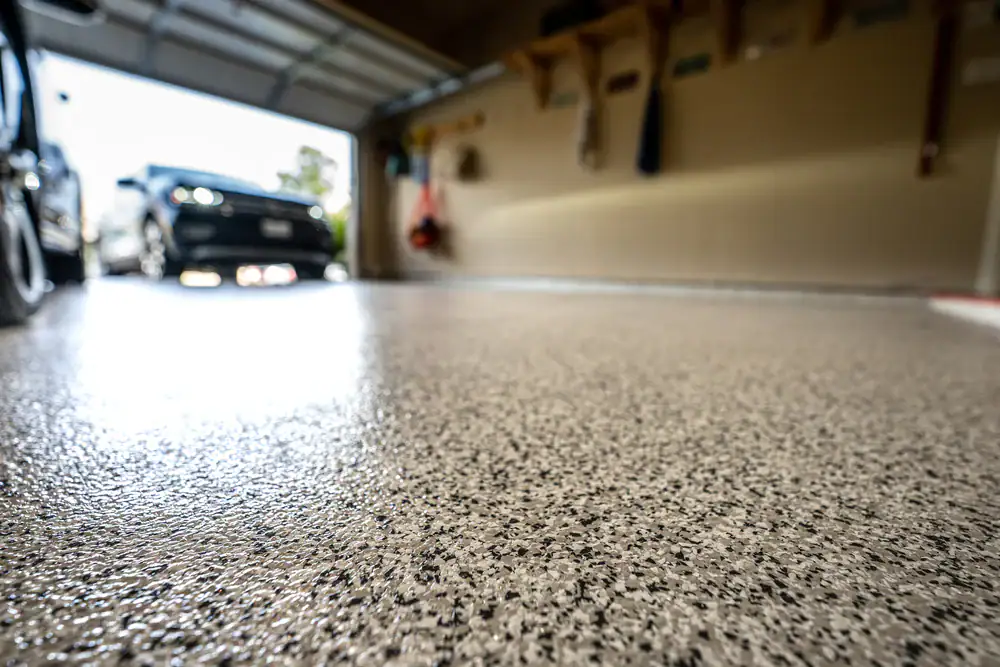
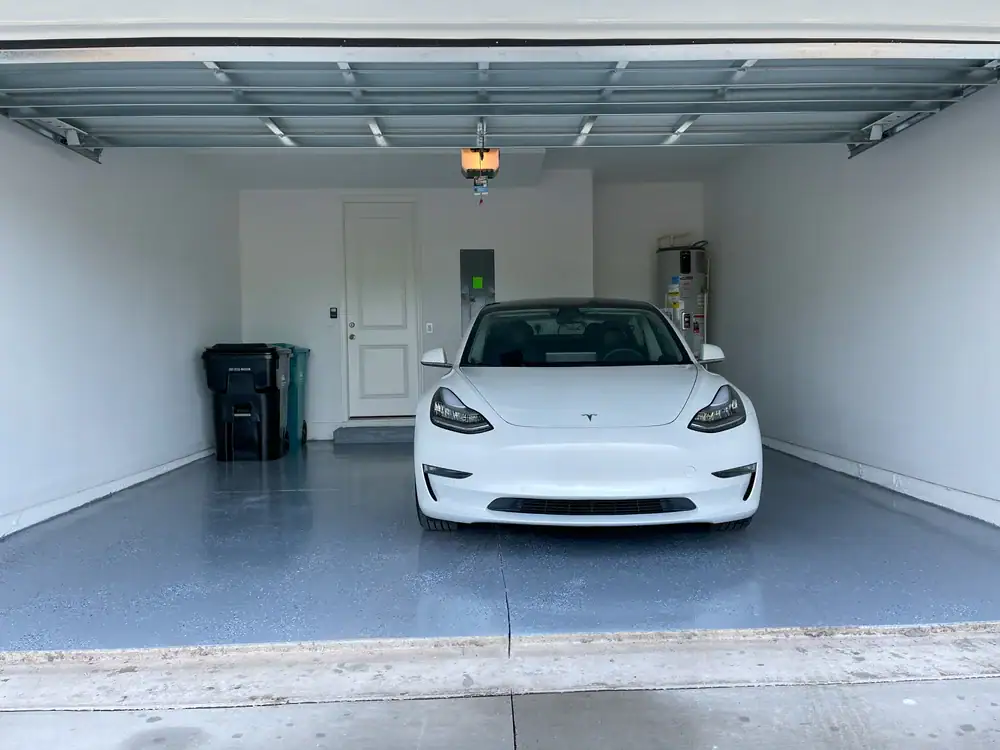
A proper epoxy floor coating means you can pull in after a rainstorm without tracking water into growing puddles that seep into your foundation. It means oil drips, paint spills, and dropped tools don’t leave permanent reminders. Your garage actually looks clean without spending your weekend scrubbing.
The difference shows up in year two, year five, year ten. While your neighbor’s DIY coating is bubbling and peeling from Florida’s humidity, your floor still looks like it was finished last month. That’s what happens when the prep work is done right and the materials are built for this climate.
You get a floor that reflects light better, resists mold and mildew, and doesn’t require special cleaners or constant maintenance. Just a space that works the way you need it to.
Trusted Epoxy Flooring Contractor Near You
SPF Industrial started in July 2020 with a simple focus: polished concrete and epoxy flooring done right the first time. We’re veteran-owned, and we don’t use subcontractors. Every job is handled by our full-time team.
We’ve worked with the Coast Guard, US Army, City of Doral, City of Sunny Isles, and multiple county projects across South Florida. That’s not to brag. It’s to show you that when government facilities and military installations need floors that last, they call us.
In Glidden Park and throughout Fort Pierce, you’re dealing with saltwater air, sudden storms, and heat that tests every coating. We’ve been installing garage floor coatings in this exact environment for years. We know what fails here and what doesn’t.
Our Garage Epoxy Floor Installation Process
First, we assess your concrete. Not every slab is ready for epoxy, and we’re not going to waste your money on a floor that’ll fail in six months because the prep was skipped.
We shot-blast or diamond-grind the surface to open up the pores. This isn’t optional. Up to 80% of epoxy failures come from poor surface prep. If your concrete has cracks, spalling, or moisture issues, we repair those before we move forward.
Next, we apply a moisture barrier if needed. In Glidden Park’s humidity, this step separates floors that last from floors that bubble. Then comes the epoxy base coat, followed by color flakes or your chosen finish, and finally a clear topcoat with anti-slip additives.
Curing time depends on temperature and humidity, but most garage floors are ready for light foot traffic in 24 hours and vehicles in 3-5 days. We don’t rush it. Florida’s climate already makes curing tricky, and cutting corners here is how you end up with soft spots and premature wear.
You’ll know the timeline before we start, and we’ll walk you through what to expect at each stage.
Ready to get started?
Garage Floor Coating Options for Glidden Park
You’re getting commercial-grade materials from manufacturers like Laticrete, Koster USA, and Advanced Polymer Technology. Not the stuff you buy in a box at the hardware store.
Surface preparation is included. That means shot-blasting or diamond grinding, crack repairs, and addressing any moisture issues before the first coat goes down. We also handle safety line striping if you need defined parking areas or workspace zones.
In Glidden Park, where the median household income sits around $40,000, you need a floor that’s cost-effective long-term. Properly installed epoxy lasts 15-20 years, even in humid climates. Compare that to repainting or replacing damaged concrete every few years, and the math makes sense.
We offer transparent pricing and 1-on-1 consultations. You’ll know what you’re paying for and why. If you’re military, a senior, or a new client, ask about current discounts. We also provide emergency response and follow-up calls, because a floor is only as good as the service behind it.
The finish options range from high-gloss to matte, solid colors to decorative flakes. You’re not locked into one look.
How long does epoxy garage flooring actually last in Florida’s humidity?
If it’s installed correctly, you’re looking at 15 to 20 years. That’s not marketing speak. That’s what happens when the concrete is prepped right, moisture barriers are used where needed, and the epoxy is formulated to handle high humidity.
Florida’s climate is tough on coatings. Hot tires, sudden temperature swings, and moisture trying to push up through the slab all work against you. A lot of DIY kits and cheap installs fail within the first year because they skip the prep or use products that aren’t designed for this environment.
We use commercial-grade epoxy systems that bond at the molecular level and include UV inhibitors to prevent yellowing. The key is in the prep work—shot-blasting or diamond grinding opens up the concrete so the epoxy actually penetrates instead of just sitting on top. That’s the difference between a floor that lasts two decades and one that starts peeling after the first rainy season.
Why do so many garage epoxy floors bubble or peel after installation?
Moisture. Almost always moisture. When humidity gets trapped under the coating or the concrete wasn’t dry enough during application, you get bubbles. It’s like trying to paint over a wet surface—it’s not going to stick.
In Glidden Park, you’re dealing with high humidity year-round and occasional flooding. If the installer doesn’t test for moisture vapor transmission or apply a proper barrier, that moisture will eventually push the epoxy right off the slab. The other common culprit is surface contamination—oil, grease, or old sealers that weren’t fully removed before installation.
This is why surface prep matters so much. We shot-blast or grind down to clean, porous concrete and test for moisture issues before we ever open a bucket of epoxy. If your slab needs a moisture barrier, we install one. If it needs more dry time, we wait. Rushing this process is how you end up with a floor that looks great for three months and then falls apart.
What’s the difference between epoxy you can buy yourself and professional installation?
The products aren’t even in the same category. Consumer-grade epoxy kits are water-based or low-solids formulas that might work in a climate-controlled basement up north. They’re not built for Florida’s heat, humidity, and UV exposure.
Professional epoxy systems are 100% solids, commercial-grade materials that cure harder, bond deeper, and resist moisture vapor transmission. We use the same products that go into Coast Guard facilities and municipal buildings—floors that need to handle heavy traffic and harsh conditions for decades.
The application process is just as important. We have industrial grinders, shot-blasters, and moisture testing equipment. We know how to read a slab, adjust for humidity during curing, and apply coatings at the right mil thickness. A DIY kit gives you a roller and some instructions. That’s the difference between a floor that lasts two years and one that lasts twenty.
How much does garage epoxy flooring cost for a typical two-car garage?
For a standard two-car garage in Glidden Park—around 400 to 500 square feet—you’re typically looking at $1,500 to $3,500 depending on the condition of your concrete, the coating system you choose, and any repairs needed before installation.
That range accounts for full surface prep, crack repairs, a moisture barrier if needed, the epoxy system, color flakes or your chosen finish, and a clear topcoat with anti-slip additives. If your slab has significant damage, oil staining, or moisture issues, the cost goes up because there’s more work involved to get it ready.
We provide transparent pricing during the consultation. You’ll know exactly what you’re paying for and why. When you compare that to the cost of replacing damaged concrete or repainting every few years, a professional epoxy floor pays for itself. And if you’re military, a senior, or a new client, ask about current discounts—we run those periodically to help make it more accessible.
Can epoxy flooring handle hot tires and won’t it get slippery when wet?
Yes, if it’s the right product installed correctly. Hot tire pickup is a real issue with cheap epoxy, especially in Florida where your garage can hit 100+ degrees in summer. The heat softens low-quality coatings, and when you park, the tires literally pull the epoxy off the floor.
Commercial-grade epoxy systems are formulated to handle thermal stress. They cure harder and maintain their bond even when temperatures spike. We also add anti-slip additives to the topcoat—usually aluminum oxide or polymer grit—that give you traction even when the floor is wet from rain or spills.
The slippery concern is valid because standard epoxy can be like ice when wet. That’s dangerous, especially if you have kids or elderly family members using the space. The anti-slip additives we include aren’t just for show—they reduce slip-and-fall risk by up to 40% according to safety studies. You get a floor that looks glossy and clean but still gives you grip when you need it.
How soon can I use my garage after the epoxy is installed?
Light foot traffic is usually fine after 24 hours. For parking vehicles, you’re looking at 3 to 5 days, sometimes up to 7 if humidity is high. Full cure—where the epoxy reaches maximum hardness and chemical resistance—takes about 7 to 10 days.
Florida’s humidity slows down the curing process, which is why we don’t rush it. If you drive on the floor too early, you risk leaving tire marks, creating soft spots, or damaging the finish before it’s fully hardened. It’s frustrating to wait, but it’s a lot less frustrating than having to redo the floor because it was used too soon.
We’ll give you a specific timeline based on the weather conditions during your install. If we’re in the middle of summer with 90% humidity, we’ll adjust expectations accordingly. The goal is a floor that lasts 15-20 years, and that means respecting the cure time. We’ll also walk you through what you can and can’t do during each phase so there’s no confusion.
Other Services we provide in Glidden Park
Leave a Reply