


Garage Epoxy Flooring in Golden Glades, FL
Your Garage Floor Fixed Right the First Time
Hear from Our Customers
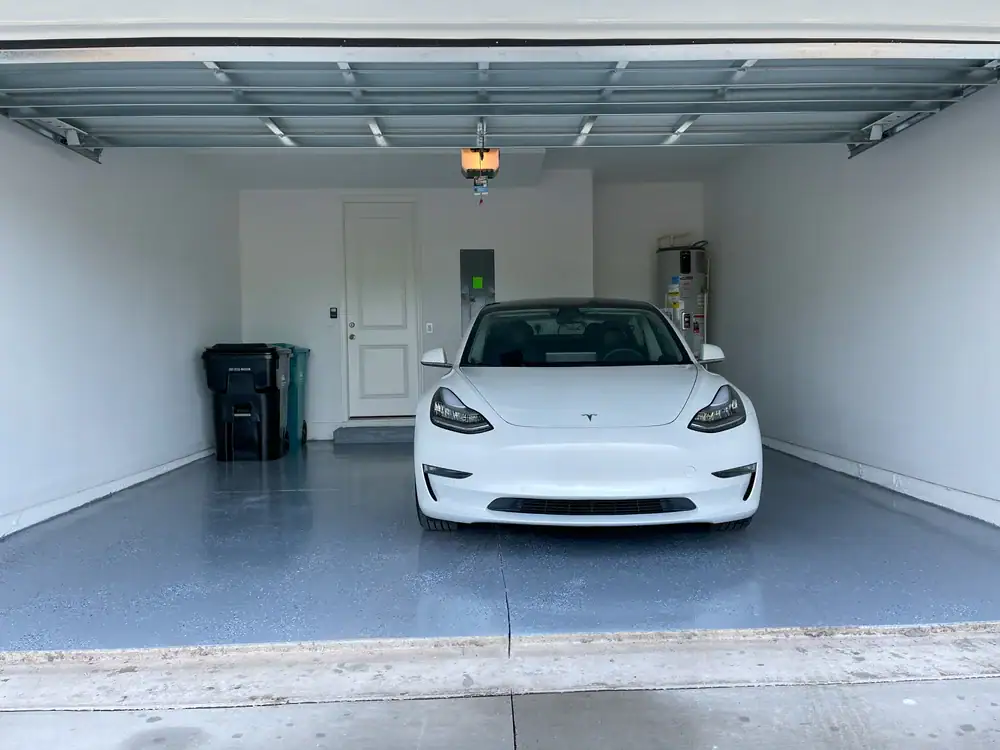
Epoxy Garage Floor Coating Golden Glades
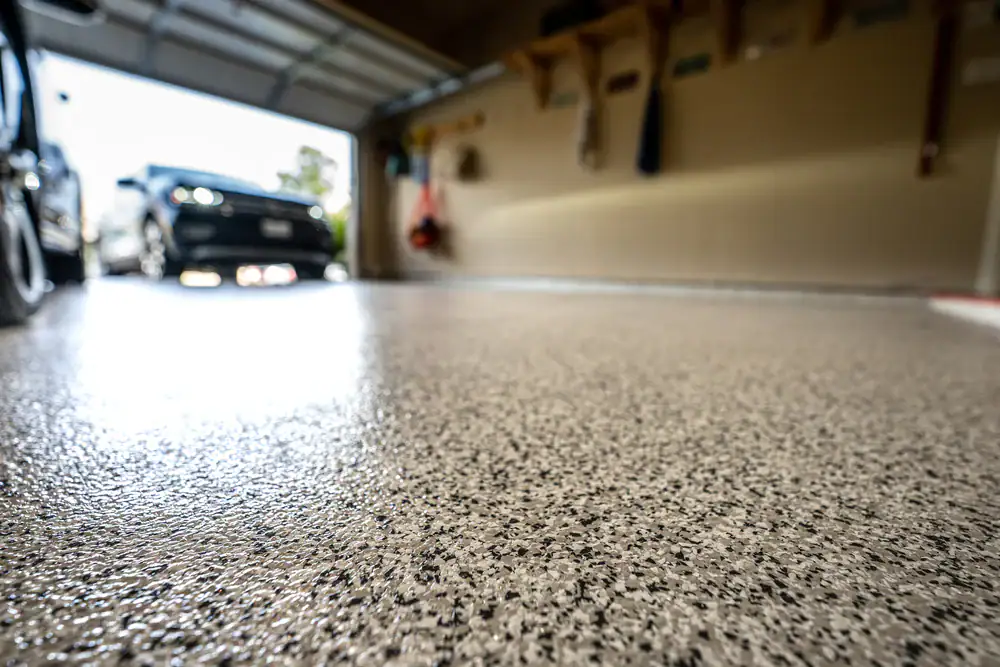
You stop worrying about oil stains. The concrete stops cracking and flaking apart every time the temperature swings forty degrees in a day. You can hose down the floor without wondering if you’re making it worse.
Your garage starts looking like part of the house instead of the neglected corner you avoid showing guests. That matters in Golden Glades, where homes are pushing past half a million and curb appeal extends all the way to the garage door.
The floor holds up to hot tires, spilled chemicals, hurricane prep storage, and whatever else gets dragged in from your driveway. It doesn’t peel. It doesn’t yellow under UV exposure. And you’re not repainting it every two years like you would with hardware store epoxy kits that promise the world and deliver about six months of decent coverage.
Epoxy Flooring Contractors Golden Glades, FL
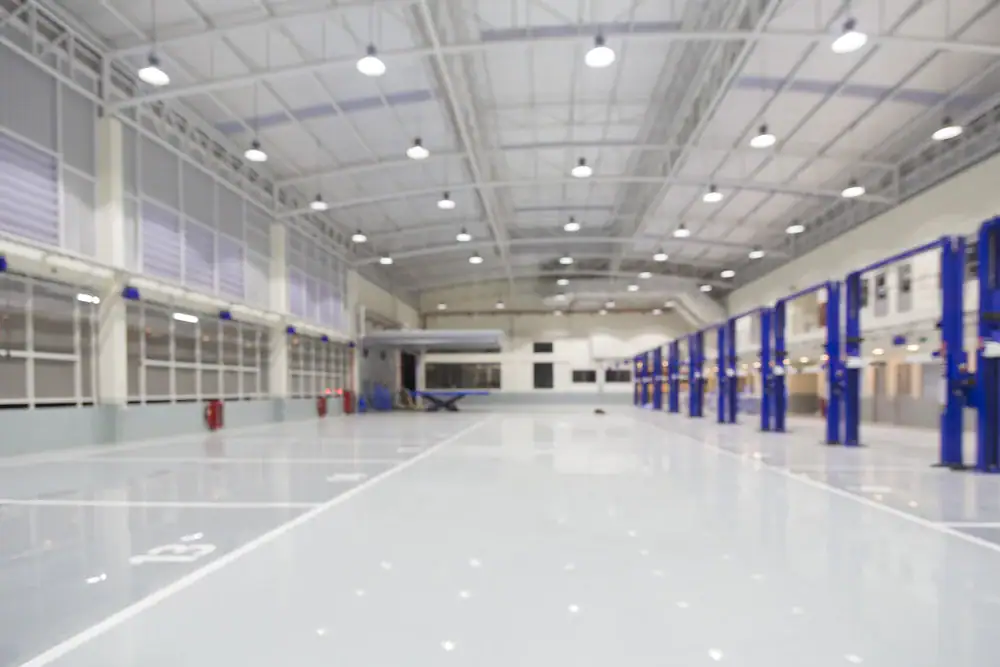
We handle epoxy flooring and polished concrete for residential and commercial clients across South Florida. We’ve completed projects for the US Coast Guard, the Army, the City of Doral, the City of Sunny Isles, and multiple high schools. That’s not name-dropping—it’s proof that when institutions need floors done right, they call us.
We’re veteran-owned, and we don’t subcontract. Every person who shows up is a full-time employee who knows the process inside out. You get the same crew from start to finish, and you deal directly with us—not a middleman, not a sales guy who disappears after you sign.
Golden Glades homeowners deal with the same climate challenges we see everywhere in South Florida: moisture, heat, and concrete that wasn’t built to last forever. We use commercial-grade materials from Sherwin Williams and Fosroc because they’re designed for exactly this environment.
Garage Floor Coating Installation Process
We start with surface prep. That means shot-blasting or diamond grinding your concrete to remove old coatings, oils, and contaminants. If there are cracks or damage, we repair them before anything else happens. Skipping this step is why most DIY jobs fail within a year.
Once the surface is prepped and clean, we apply the epoxy or polyaspartic coating system. Polyaspartic cures faster—usually within hours—so you’re not locked out of your garage for days. It’s also more flexible than standard epoxy, which matters when Florida heat causes your concrete to expand and contract.
We add slip-resistant texture if you want it, especially near entry points where water gets tracked in. The final coat is UV-stable, so it won’t yellow or fade even if your garage gets direct sunlight. Most residential installs take one to two days total. You can park on it within 24 to 48 hours depending on the system we use.
Ready to get started?
Garage Epoxy Flooring Options Golden Glades
You’re getting a floor coating that’s chemically resistant to automotive fluids, oils, and whatever else ends up on your garage floor. It’s built to handle hot tire pickup—the problem where your tires stick to cheap coatings in the summer heat and peel them right off.
The finish options range from solid colors to metallic epoxy that gives you that three-dimensional, high-end look. Some clients in Golden Glades go for bold colors that match their home’s aesthetic. Others want a clean, polished concrete look that stays neutral. Both hold up the same.
We also handle polished concrete and concrete resurfacing if your slab is in rough shape but you don’t want a coating. That’s common in older Golden Glades homes where the concrete has seen decades of wear. Polished concrete is low-maintenance, durable, and works well in garages that double as workshops or storage areas.
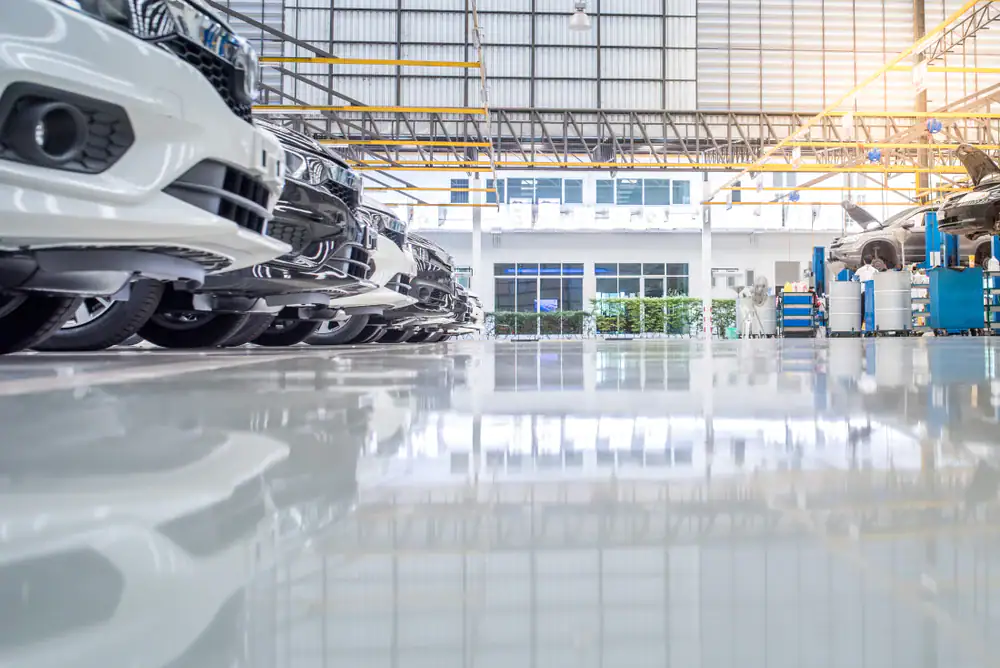
The coatings we install are the same ones we use for commercial and industrial clients. You’re not getting a watered-down residential version. It’s the same material, the same prep, and the same installation process we’d use for a Coast Guard facility or a municipal building.
How much does garage epoxy flooring cost in Golden Glades?
Most residential garage floors in Golden Glades run between $4.50 and $8.50 per square foot depending on the coating system, surface condition, and finish you choose. A standard two-car garage is around 400 to 600 square feet, so you’re looking at somewhere between $1,800 and $5,100 for most projects.
Polyaspartic coatings cost more than basic epoxy because they cure faster and hold up better in Florida’s climate. Metallic finishes add to the cost but give you a custom look that’s hard to replicate. If your concrete needs significant repair—deep cracks, spalling, or moisture issues—that adds to the prep work and the overall price.
We give you transparent pricing after a free consultation. No surprises, no upselling once we’re halfway through the job. You know what it costs before we start.
How long does it take to install an epoxy garage floor?
Most residential garage floors take one to two days from start to finish. Surface prep happens on day one—shot-blasting, grinding, crack repair, and cleaning. The coating goes down after that, and cure times depend on what system we’re using.
Polyaspartic coatings cure in 24 to 48 hours. You can walk on them within a few hours and park on them the next day. Standard epoxy takes longer—usually three to five days before it’s fully cured and ready for vehicle traffic.
We don’t rush the prep work. That’s where most failures happen. If your concrete isn’t properly cleaned and profiled, the coating won’t bond correctly, and you’ll see peeling or bubbling within months. We’d rather take an extra half-day on prep than have you call us back in a year with problems.
Will epoxy flooring hold up in Florida’s heat and humidity?
Yes, if it’s installed correctly with the right materials. Florida’s climate is brutal on garage floors—high humidity, temperature swings, and UV exposure all work against cheap coatings. That’s why we use polyaspartic and commercial-grade epoxy systems designed for these conditions.
Polyaspartic coatings are more flexible than standard epoxy, so they expand and contract with your concrete as temperatures change. They’re also UV-stable, which means they won’t yellow or fade even in garages with windows or direct sunlight. Standard big-box epoxy kits aren’t built for this. They’re designed for moderate climates and fail fast in South Florida.
Hot tire resistance is another factor. When your car sits in the sun and you pull into the garage, those tires can reach 150 degrees or more. Cheap coatings soften and peel right off. The systems we install are tested for hot tire pickup and hold up under those conditions.
Can you install epoxy over my existing garage floor coating?
Sometimes, but usually it’s better to remove the old coating first. If your existing floor is peeling, flaking, or poorly bonded, putting new epoxy over it just means the new coating will fail along with the old one. We’re not covering up problems—we’re fixing them.
We’ll assess your floor during the consultation. If the old coating is still solid and well-bonded, we can prep it and coat over it. But if it’s compromised, we remove it completely using shot-blasting or grinding equipment. That gets us down to clean concrete so the new coating bonds properly.
Most DIY epoxy jobs we see are already failing by the time homeowners call us. The surface prep wasn’t done right, or the product wasn’t designed for Florida’s conditions. In those cases, removal and a fresh start is the only way to get a floor that lasts.
What’s the difference between epoxy and polyaspartic coatings?
Polyaspartic coatings cure faster, hold up better in UV exposure, and are more flexible than traditional epoxy. Epoxy works well for a lot of applications, but polyaspartic is the better choice for Florida garages where heat, humidity, and sunlight are constant factors.
Epoxy typically takes several days to fully cure. Polyaspartic can cure in hours, which means less downtime and faster access to your garage. Polyaspartic is also more resistant to yellowing and fading, so it keeps its appearance longer. It handles temperature fluctuations better because it’s more flexible, which reduces the risk of cracking or delamination.
The tradeoff is cost. Polyaspartic systems are more expensive than basic epoxy, but they last longer and require less maintenance. If you’re planning to stay in your Golden Glades home long-term, polyaspartic is the smarter investment. If you’re flipping the property or need a budget-friendly option, epoxy still works—it just won’t perform at the same level.
Do I need to seal or maintain my epoxy garage floor?
No ongoing sealing required. That’s one of the main advantages of a properly installed epoxy or polyaspartic floor—it’s the finished surface. You’re not reapplying sealers every year like you would with bare or painted concrete.
Maintenance is simple. Sweep or blow out debris regularly. Mop with a mild cleaner and water when it gets dirty. Avoid harsh chemicals or abrasive scrubbing, but normal cleaning won’t damage the coating. If you spill oil, brake fluid, or other automotive chemicals, wipe them up when you can—but the floor is chemically resistant, so it’s not an emergency.
Over time, high-traffic areas might show wear, especially near entry points or under vehicle tires. That’s normal. Depending on use, you might want a light recoat in ten to fifteen years, but that’s far down the road. Most clients don’t think about their garage floor again after we’re done.
Other Services we provide in Golden Glades
Leave a Reply