


Garage Epoxy Flooring in Homestead, FL
Floors That Actually Handle Florida’s Humidity
Hear from Our Customers
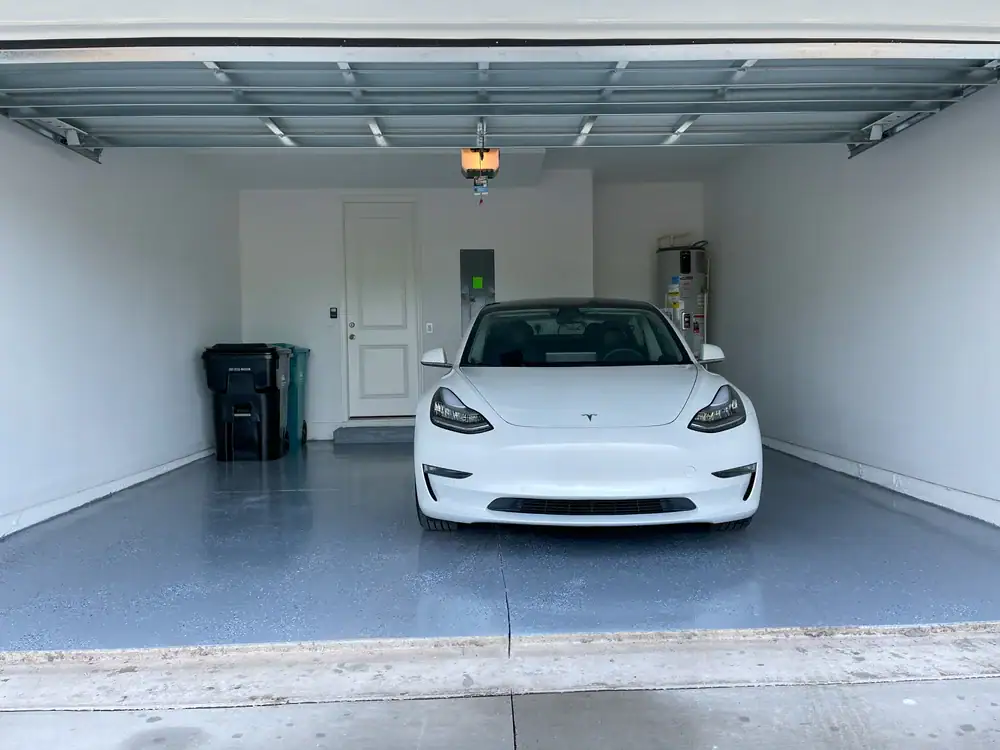
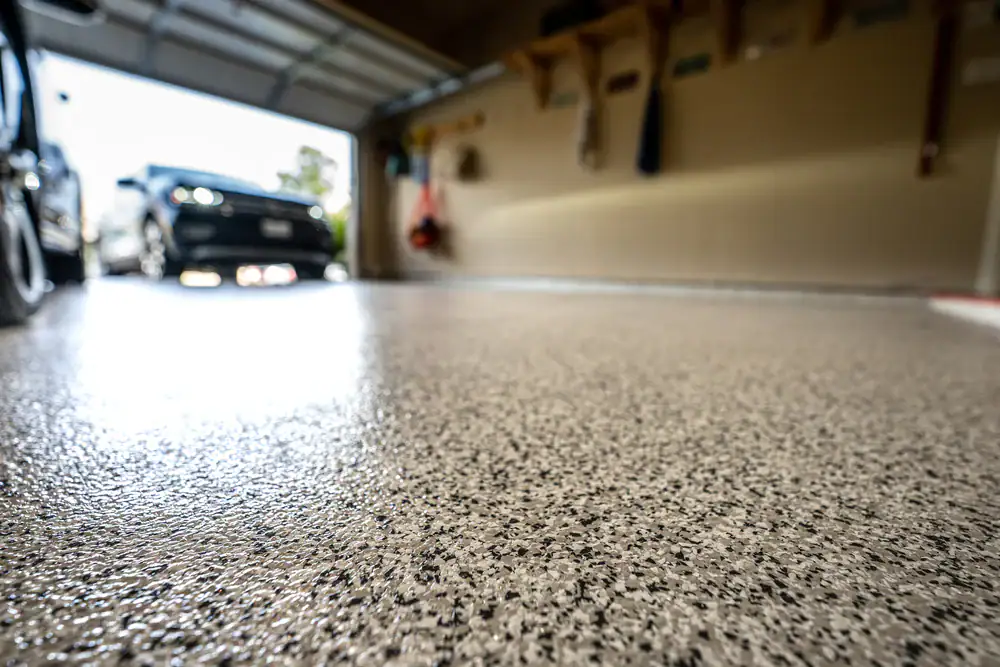
Epoxy Garage Floor Solutions in Homestead
You’ll have a floor that resists moisture penetration, which matters in Homestead where humidity doesn’t take a break. The coating reflects light instead of absorbing heat, so your garage stays cooler and brighter without extra ventilation work.
Spills wipe up in seconds. Oil, chemicals, paint—none of it soaks in or leaves a permanent stain. That’s the difference between a sealed surface and bare concrete that holds onto everything.
The finish lasts 10 to 20 years with normal use. You’re not repainting every few years or replacing sections that buckled from moisture. Once it’s down, it’s done. You get back to using the space instead of maintaining it.
Trusted Epoxy Flooring Contractor in Homestead
We handle epoxy flooring, polished concrete, and resurfacing across South Florida. Everything’s done in-house with full-time employees—no subcontractors showing up with different standards.
We’ve worked with the Coast Guard, US Army, City of Doral, and Sunny Isles on commercial projects. Those jobs require precision, timeline adherence, and materials that hold up under heavy use. The same process applies to your garage in Homestead.
You’ll get a one-on-one consultation, transparent pricing, and a clear timeline before anything starts. Most residential garage floors are ready for foot traffic in 12 hours and vehicles in 72. If something goes wrong, we respond fast—not next week.
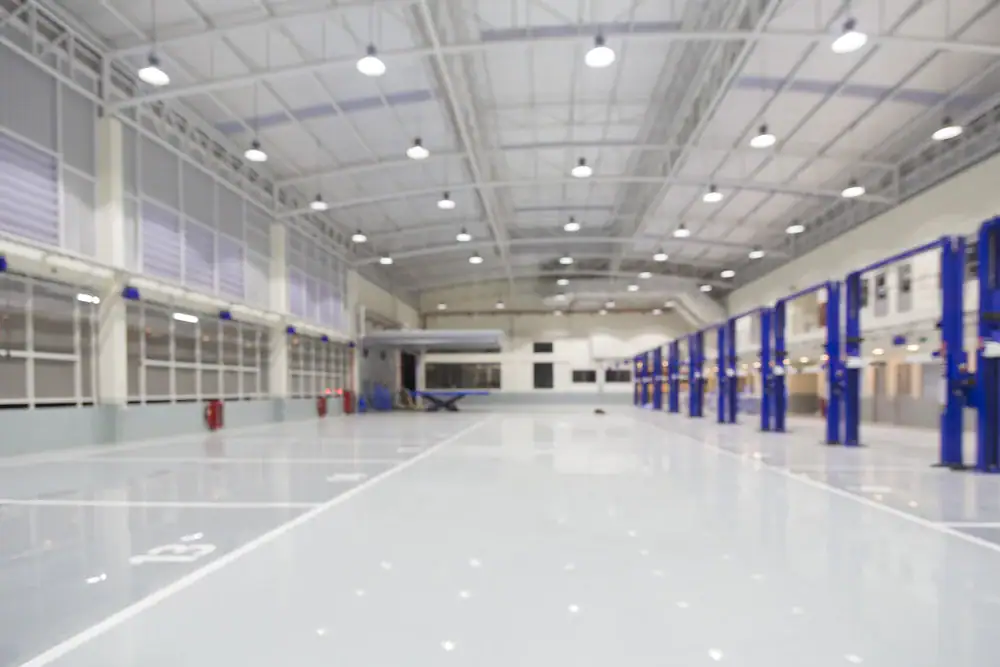
Our Garage Floor Coating Process
First, we prep the concrete. That means shot-blasting, diamond grinding, or scarifying to open up the surface so the epoxy bonds properly. If there are cracks or uneven spots, we repair those before moving forward. Skipping this step is why most DIY jobs fail within a year.
Next, we apply a moisture vapor barrier if needed. In Homestead, ground moisture pushes up through concrete slabs year-round. Without mitigation, that pressure lifts coatings right off the floor. We’re certified in moisture vapor mitigation, so we know when it’s necessary and how to handle it.
Then we lay down the epoxy system—base coat, optional color flakes or metallic finish, and a UV-resistant topcoat. The topcoat is what prevents yellowing and adds chemical resistance. After 12 hours, you can walk on it. After 72, you can park on it. The floor’s fully cured and ready for whatever you throw at it.
Ready to get started?
What’s Included in Garage Epoxy Flooring
The service includes full surface preparation, crack and damage repair, moisture testing, and application of a multi-layer epoxy system. We use commercial-grade materials from manufacturers like Laticrete, Sherwin Williams, and Fosroc—the same products specified for industrial and government projects.
In Homestead, moisture is the main enemy. The city sits in Miami-Dade County where humidity averages 75% year-round and heavy rains are routine. Standard garage floor paint can’t handle that. It traps moisture underneath, bubbles up, and peels within months. Epoxy forms an impermeable seal that blocks water vapor transmission and prevents mold growth under the surface.
You’ll also get a finish that stays cool underfoot. Homestead summers push temperatures into the 90s with no relief. Epoxy reflects heat rather than absorbing it, which keeps your garage more comfortable and reduces the load on any AC or fans you’re running. That’s a real benefit when you’re using the space as a workshop, gym, or storage area—not just parking.
How long does garage epoxy flooring last in Florida’s climate?
Properly installed epoxy flooring lasts 10 to 20 years in Florida, even with high humidity and temperature swings. The key is surface preparation and moisture mitigation. If the concrete isn’t prepped correctly or moisture vapor isn’t addressed, the coating can fail in under two years.
We shot-blast or grind the surface to create a profile that allows mechanical bonding. Then we test for moisture vapor transmission. If levels are high, we apply a vapor barrier before the epoxy goes down. That’s what separates a long-lasting floor from one that bubbles and peels.
Florida’s climate is tough on coatings, but epoxy is designed for it. The material stays stable in heat, doesn’t become tacky in humidity, and resists UV yellowing with the right topcoat. You’re not dealing with the same issues you’d see with paint or cheap sealers.
What’s the difference between epoxy and garage floor paint?
Epoxy is a two-part resin system that chemically bonds to concrete and creates a thick, durable layer. Garage floor paint is a single-part coating that sits on top of the surface and wears off quickly under traffic, chemicals, and moisture.
Paint might last a year or two before it starts chipping and peeling, especially in humid areas like Homestead. Epoxy lasts a decade or more because it becomes part of the concrete rather than just covering it. It’s also thicker—usually 10 to 20 times thicker than paint—which gives it better impact and abrasion resistance.
The other major difference is moisture resistance. Paint allows water vapor to pass through, which leads to bubbling and delamination in Florida. Epoxy blocks moisture transmission entirely. That’s critical in a climate where your concrete slab is constantly dealing with ground moisture and humidity from the air.
Can epoxy flooring handle hot tires and heavy vehicles?
Yes, if it’s installed correctly with the right topcoat. Epoxy itself is heat-resistant and won’t soften or deform under hot tires. The topcoat adds chemical resistance and prevents tire marks from sticking to the surface.
We use commercial-grade epoxy systems designed for warehouses, showrooms, and industrial facilities where heavy equipment and forklifts operate daily. Your car or truck isn’t going to damage it. Even if you’re parking a lifted vehicle, trailer, or motorcycle, the floor holds up without cracking or indenting.
The curing process matters here. If epoxy isn’t allowed to cure fully before vehicle traffic, it can leave marks or develop soft spots. That’s why we specify 72 hours before you park on it. After that window, the floor is fully hardened and ready for normal use without any special precautions.
How much does epoxy garage flooring cost in Homestead?
Cost depends on the size of your garage, the condition of the concrete, and whether moisture mitigation is needed. Most residential garages in Homestead range from $1,500 to $4,500 for a full epoxy system with proper prep and a UV-resistant topcoat.
If your concrete has significant cracking, settling, or moisture issues, the prep work increases the cost. But skipping that prep to save money upfront means the coating fails early and you’re paying for a redo. It’s cheaper to do it right the first time.
We offer free consultations where we assess the slab, test for moisture, and give you transparent pricing before any work starts. No surprises, no upselling. You’ll know exactly what the job involves and what you’re paying for.
Will epoxy flooring crack or peel in high humidity?
Not if moisture vapor is addressed during installation. High humidity increases moisture vapor transmission through concrete, which creates pressure under the coating. If that pressure has nowhere to go, it pushes the epoxy off the slab.
We test every floor for moisture vapor before installation. If levels are too high, we apply a vapor barrier that allows the epoxy to bond without being compromised by ground moisture. That’s a standard step in Florida, but a lot of contractors skip it to save time or cut costs.
Once the vapor barrier is down and the epoxy is cured, humidity in the air doesn’t affect the floor. The coating is non-porous and doesn’t absorb moisture, so it won’t swell, warp, or develop mold like wood or laminate flooring. It’s one of the most reliable options for Florida garages.
How soon can I use my garage after epoxy installation?
You can walk on the floor after 12 hours. Light foot traffic won’t damage the surface at that point. For vehicles, equipment, or heavy items, wait 72 hours. That gives the epoxy time to fully cure and reach maximum hardness.
Rushing the timeline is one of the most common mistakes. If you park a car on epoxy that’s only been down for 24 hours, you risk leaving tire marks or creating soft spots that never fully harden. The coating needs that full three-day window to cure properly in Florida’s heat and humidity.
After 72 hours, the floor is ready for normal use. No break-in period, no special maintenance. You can move everything back in, park your vehicles, and use the space however you need to. The floor’s done curing and built to last.
Other Services we provide in Homestead
Leave a Reply