


Garage Epoxy Flooring in Hutchinson Island South, FL
Garage Floors That Handle Florida’s Worst Days
Hear from Our Customers
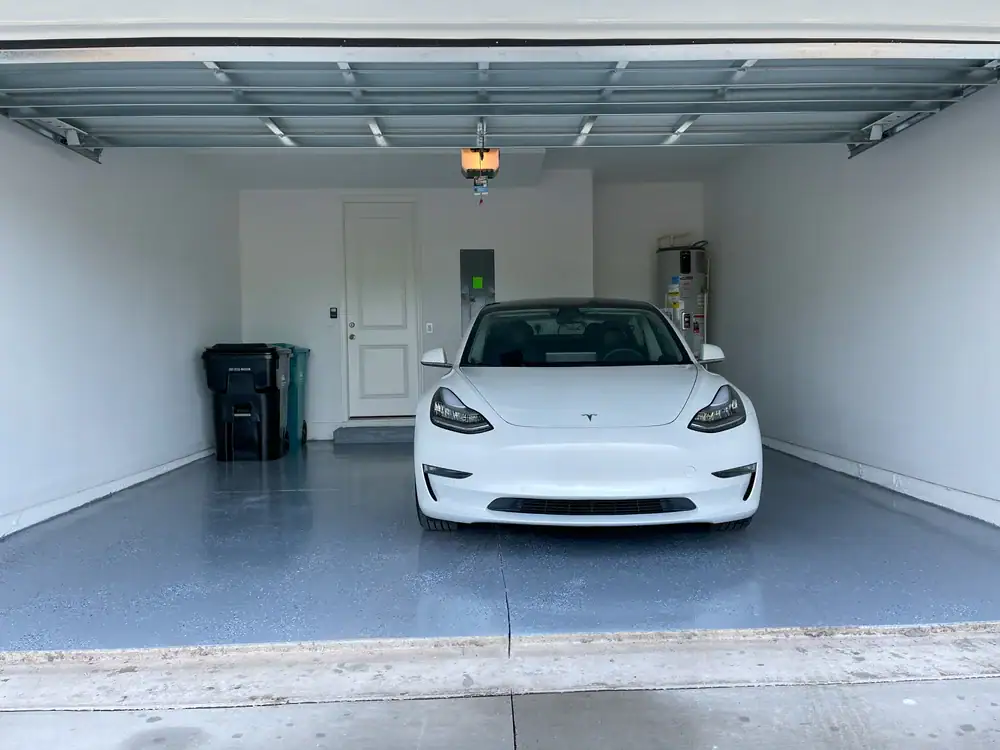
Epoxy Garage Floor Solutions for Coastal Homes
Your garage floor takes a beating. Hot tires in summer. Salt air year-round. Humidity that makes cheaper coatings bubble and peel within months. You’ve probably seen it happen to a neighbor or dealt with it yourself.
A properly installed epoxy garage floor changes that. The surface resists stains from oil, chemicals, and salt. It cleans up with a quick hose-down. And when done right with moisture vapor mitigation, it holds up in Hutchinson Island South’s climate for 10 to 20 years.
That’s not marketing talk. It’s what happens when the prep work is done correctly and the right products go down. You get a floor that looks sharp and doesn’t demand constant attention or early replacement.
Professional Epoxy Flooring Contractors Serving Hutchinson Island South
We’ve been installing epoxy flooring systems since 2020 for clients who can’t afford failures. That includes the U.S. Coast Guard, Army facilities, and municipal projects across Florida. When a city or military base needs floors that perform under pressure, they call contractors who know what they’re doing.
We bring that same level of prep and installation to residential garages in Hutchinson Island South. You’re not getting a weekend warrior with a YouTube education. You’re getting certified moisture vapor mitigation experts trained by the manufacturers whose products we use, including Sherwin Williams and Fosroc.
Coastal homes here deal with specific challenges. We account for humidity, temperature swings, and the realities of Florida weather in every installation. That’s why our floors hold up when others don’t.
Our Garage Floor Coating Installation Process
First, we assess your concrete. Not all garage floors are the same, and moisture issues are common in coastal Florida. We test for vapor transmission because that’s where most epoxy failures start. If there’s a moisture problem, we address it with the right mitigation system before any coating goes down.
Next comes surface prep. We grind or shot-blast the concrete to create the profile the epoxy needs to bond properly. Shortcuts here lead to peeling later, so we don’t take them. Any cracks or damage get repaired. The surface gets cleaned thoroughly.
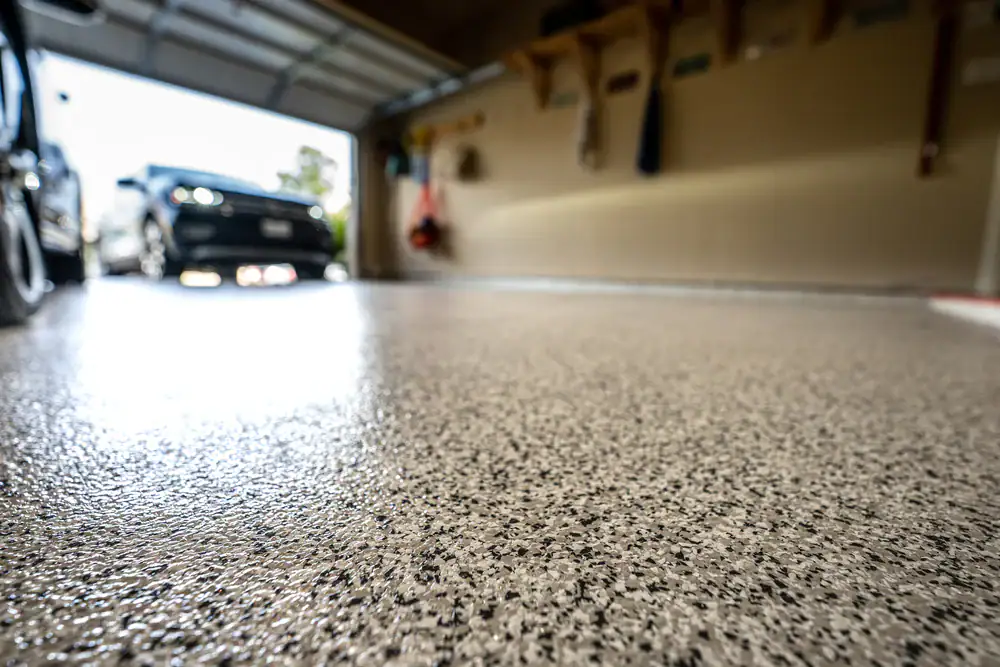
Then we apply the epoxy system. Depending on your needs, that might be a solid color, a flake system for texture and slip resistance, or a high-build coating for heavy use. Most residential garage projects wrap up in 24 to 48 hours. You’ll know the timeline upfront, and we stick to it.

Ready to get started?
Garage Epoxy Flooring Options in Hutchinson Island South, FL
Every garage floor coating we install starts with proper moisture vapor mitigation. In Hutchinson Island South, this isn’t optional. The humidity here will destroy an epoxy floor that wasn’t prepped correctly. We use manufacturer-certified methods to prevent that.
You’ll get a coating system designed for your specific use. Light residential use gets a different build than a garage with heavy equipment or frequent vehicle traffic. We use high-solids epoxy products that resist hot tire pickup, a common problem in Florida where garage temps spike and softer coatings literally stick to tires.
The finish options include solid colors, decorative flake systems, and clear topcoats with varying levels of slip resistance. We’ll walk through what makes sense for your space during the consultation. And because we work directly with homeowners rather than through general contractors, you get transparent pricing and direct communication from start to finish.
How long does epoxy garage flooring last in Florida’s humidity?
A professionally installed epoxy garage floor lasts 10 to 20 years in Florida when the moisture vapor mitigation is done correctly. That’s the critical piece most people miss.
Humidity is the number one killer of epoxy floors in coastal areas. Moisture vapor rises through concrete constantly, and in Hutchinson Island South, that vapor pressure is significant. If the concrete isn’t properly sealed with a moisture mitigation system before the epoxy goes down, you’ll see bubbling, delamination, and peeling within 18 to 36 months.
We’re certified in moisture vapor mitigation and test every slab before installation. When the prep work is right and high-quality products are used, these floors outlast cheaper alternatives by years. That’s why government facilities trust this process. It works.
What’s the real cost of garage floor coating compared to DIY kits?
DIY epoxy kits from big box stores run $200 to $500 for a two-car garage. Professional installation typically costs $1,500 to $4,000 depending on the system and your garage’s condition.
Here’s the reality: over 70% of DIY epoxy installations fail within three years in Florida. The kits don’t include moisture mitigation. The instructions skip proper surface prep because most homeowners don’t own a concrete grinder. And the products themselves are thinner, lower-quality formulations that can’t handle Florida’s climate.
When a DIY floor fails, you’re paying to strip it and start over. That removal process often costs more than professional installation would have in the first place. A professionally installed floor done right the first time saves you money over the long run and adds real value to your property. Flooring upgrades can return up to 70% ROI when you sell.
Will hot tires damage my epoxy garage floor in summer?
Hot tire pickup happens with low-quality or improperly installed epoxy coatings. It won’t happen with the high-solids systems we install.
When you park a car that’s been sitting in the Florida sun, the tires are hot. If your garage floor coating is too soft or hasn’t fully cured, the heat can cause the coating to stick to the tires and peel up. This is extremely common with DIY kits and budget coatings.
We use commercial-grade, high-solids epoxy products designed for this exact problem. These systems cure harder and resist heat transfer. We also follow proper cure times before you park on the floor. The result is a surface that handles hot tires, chemical spills, and heavy use without breaking down. That’s the difference between a coating that lasts two years and one that lasts twenty.
How do you prepare concrete for epoxy in coastal areas?
Concrete prep in Hutchinson Island South requires moisture testing, mechanical surface profiling, and vapor mitigation. Skip any of these steps and the floor will fail.
We start with a moisture vapor test to measure how much humidity is coming through your concrete slab. Coastal homes often have elevated readings. If the levels are too high, we apply a moisture mitigation primer that seals the slab and prevents vapor from reaching the epoxy layer.
Then we mechanically grind or shot-blast the concrete. This removes any existing coatings, opens the pores of the concrete, and creates the texture profile the epoxy needs to bond. We repair cracks and damage, then clean everything thoroughly. Only after all of that does the epoxy go down. This process is why professional installations last and DIY attempts don’t.
Can epoxy flooring be installed in a garage that gets wet?
Yes, but only if the floor is properly sloped for drainage and the right slip-resistant topcoat is used. Epoxy itself is waterproof, but a wet epoxy surface can be slippery.
Many Hutchinson Island South garages see water from rain, washing cars, or humidity condensation. A standard glossy epoxy finish becomes dangerously slick when wet. We address this with slip-resistant additives or textured flake systems that provide traction even when the floor is soaking wet.
If your garage has standing water issues or poor drainage, we’ll identify that during the site assessment. Sometimes the concrete needs to be resurfaced or sloped before epoxy makes sense. We’ll tell you that upfront rather than install a floor that won’t perform. The goal is a system that works for how you actually use the space, not just one that looks good in photos.
How soon can I park on my new epoxy garage floor?
You can walk on most epoxy floors within 24 hours. Full vehicle traffic typically requires 48 to 72 hours depending on temperature and humidity.
Epoxy cures through a chemical reaction, and Florida’s heat actually speeds that process up. But rushing it causes problems. If you park too soon, tires can leave marks or damage the surface before it’s fully hardened.
We’ll give you an exact timeline based on the specific products used and the conditions during installation. Most residential garage projects are fully cured and ready for normal use within three days. If you need faster turnaround for an emergency or special situation, we offer rapid-cure systems that can handle light traffic sooner. Just let us know your timeline during the consultation.
Other Services we provide in Hutchinson Island South
Leave a Reply