


Garage Epoxy Flooring in Jupiter Inlet Colony, FL
Your Garage Floor Shouldn’t Look Like That
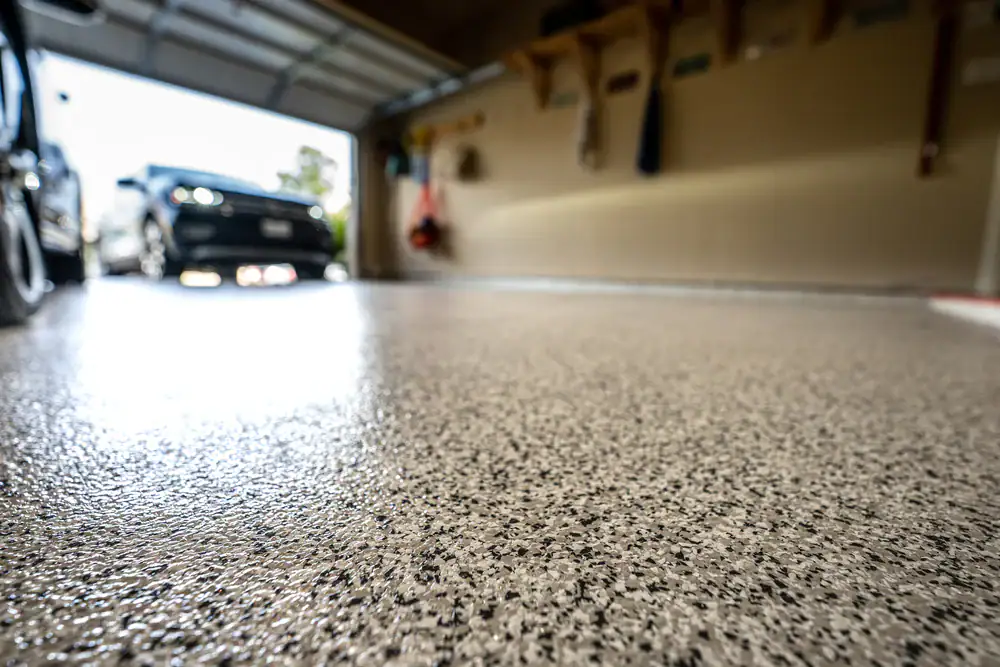
Hear from Our Customers
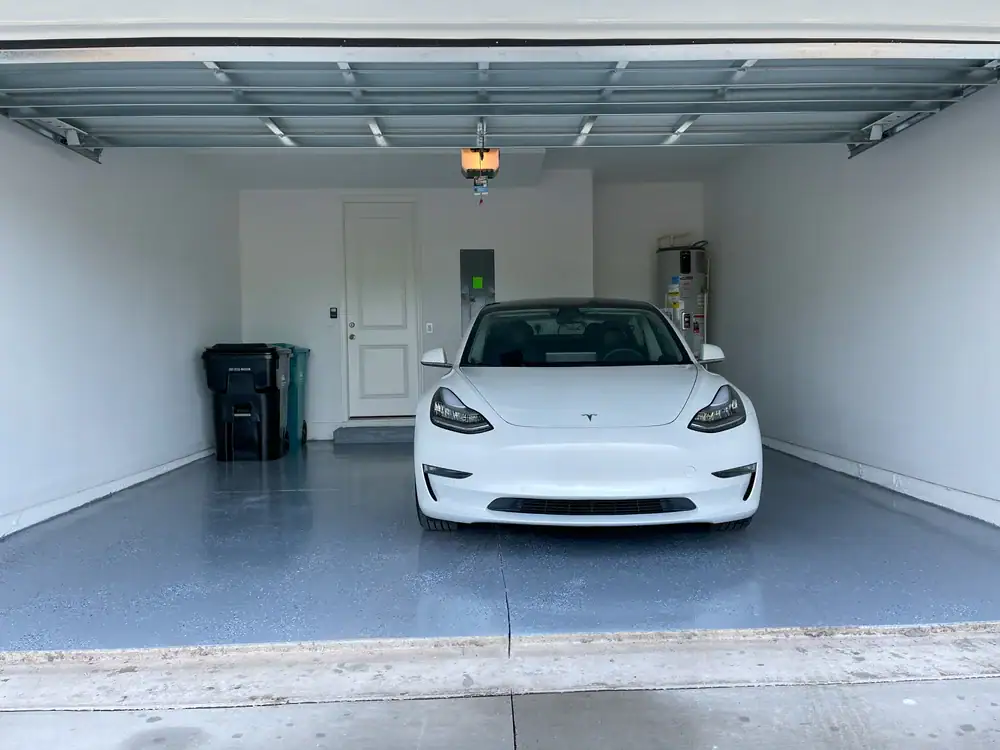
Epoxy Garage Floor Coating That Lasts
Your garage takes a beating. Cars track in beach sand and salt water. Oil drips. Tools drop. Florida’s humidity creeps into every crack.
Most concrete just absorbs it all. Stains set in. Cracks spread. The floor starts looking worse every year.
Epoxy floor coating changes that. It seals the concrete completely, so nothing soaks through. Spills bead up on the surface instead of staining. The finish resists chemicals, impacts, and the kind of daily abuse that destroys bare concrete.
You get a floor that’s easier to clean, safer to walk on, and built to last 15-20 years in Florida’s coastal climate. It doesn’t just look better—it performs better, whether you’re parking cars, running a workshop, or finally organizing that storage space you’ve been putting off.
Jupiter Inlet Colony Epoxy Flooring Contractors
We’ve been installing epoxy flooring across Florida since 2020. We’ve worked with the Coast Guard, US Army facilities, and municipal projects across Palm Beach County—jobs where the floor has to meet strict standards and last decades.
We bring that same level of prep and installation to residential garages in Jupiter Inlet Colony. No subcontractors. No shortcuts. Just our full-time crew doing the work from start to finish.
We use Sherwin Williams and Fosroc products because they’re built for Florida’s climate. And we offer transparent pricing and free consultations, so there’s no guessing what the project will actually cost or how long it’ll take.
Our Garage Floor Coating Process
First, we prep the concrete. That means shot-blasting or diamond grinding to open up the surface, repairing any cracks or imperfections, and making sure the slab is completely clean and dry. This step matters more than anything else—if the prep isn’t right, the coating won’t bond.
Next, we apply the epoxy system in layers. Depending on what your garage needs, that might include a primer coat, a base coat with color or flake, and a clear topcoat for UV protection and gloss. Each layer cures before the next one goes down.
The floor is ready for foot traffic in about 12 hours. You can park cars on it after 72 hours. We’ll walk you through the curing process and give you clear instructions on when you can use the space again.
Most garage epoxy flooring projects in Jupiter Inlet Colony take one to two days from start to finish, depending on size and condition. We also offer rapid turnaround options if timing is tight.

Ready to get started?
What’s Included in Garage Epoxy Flooring
Every garage floor coating project includes full surface preparation—shot-blasting, grinding, crack repair, and cleaning. We don’t skip steps to save time. The concrete has to be ready, or the epoxy won’t last.
You’ll get a multi-layer epoxy system designed for Florida’s coastal environment. That means moisture-resistant resins, UV-stable pigments, and a topcoat that won’t yellow or fade in the sun. We can add decorative flakes, metallic finishes, or slip-resistant textures depending on how you use the space.
In Jupiter Inlet Colony, most homeowners deal with salt air, high humidity, and sand tracked in from the beach. Our epoxy garage floors are built to handle all of that without breaking down. The coating is chemical-resistant, impact-resistant, and easy to clean—just hose it down or mop it like tile.
We also include a follow-up call after installation to make sure everything’s holding up the way it should. If something doesn’t look right, we address it.
How much does epoxy garage flooring cost in Jupiter Inlet Colony?
Most residential garage floor coatings in Jupiter Inlet Colony run between $3 and $12 per square foot, depending on the system you choose and the condition of your concrete. A standard two-car garage is usually between 400 and 600 square feet, so you’re looking at roughly $1,200 to $7,200 for a complete install.
The price depends on a few things: how much prep work the slab needs, whether you want decorative flakes or a solid color, and what kind of topcoat you’re using. If the concrete has a lot of cracks or moisture issues, that adds to the prep time and cost.
We offer free consultations and transparent pricing. You’ll know exactly what the project costs before we start, and there won’t be surprise charges at the end.
How long does garage floor epoxy last in Florida’s climate?
A professionally installed epoxy garage floor should last 15 to 20 years in Florida, sometimes longer with proper maintenance. The key is using the right products and doing the prep work correctly from the start.
Florida’s humidity, salt air, and UV exposure can break down cheaper coatings or DIY kits in just a few years. That’s why we use moisture-resistant resins and UV-stable pigments designed specifically for coastal environments. The topcoat protects the color layer from fading and prevents moisture from getting underneath.
You’ll want to keep the floor clean and avoid using harsh chemicals that aren’t epoxy-safe. But beyond that, the coating is low-maintenance. Most homeowners in Jupiter Inlet Colony just hose down their garage floors a few times a year and they stay looking new.
Can you install epoxy flooring over cracked or damaged concrete?
Yes, but the cracks need to be repaired first. Epoxy won’t fix structural problems—it just seals and protects the surface. If the concrete underneath is still moving or deteriorating, the coating will eventually crack too.
We start every project by inspecting the slab. Small cracks get filled and leveled. Larger issues might need grinding or resurfacing to create a stable base. If there’s moisture coming up through the concrete, we address that before any coating goes down.
Once the repairs are done and the surface is prepped, the epoxy bonds to the concrete and creates a seamless, durable finish. Most garage floors in Jupiter Inlet Colony have at least some minor cracking from settling or temperature changes, and that’s completely normal. We handle it as part of the prep process.
What’s the difference between epoxy and other garage floor coatings?
Epoxy is a two-part resin system that chemically bonds to concrete and creates a thick, durable surface. It’s different from paint or sealers, which just sit on top of the concrete and wear off quickly under traffic.
Garage floor paint might last a year or two before it starts peeling, especially in Florida’s heat and humidity. Epoxy lasts decades because it actually becomes part of the concrete surface. It’s also much thicker—usually 10 to 20 times thicker than paint—so it can handle impacts, chemicals, and heavy use without breaking down.
Other coatings like polyurethane or polyaspartic are sometimes used as topcoats over epoxy for extra UV protection or faster curing times. We’ll recommend the right system based on how you use your garage and what kind of wear and tear the floor will see.
How long does the installation take, and when can I use my garage again?
Most garage epoxy flooring installations take one to two days, depending on the size of the space and how much prep work is needed. The actual coating application is fast—it’s the surface preparation and curing time that take longer.
You can walk on the floor after about 12 hours. Light foot traffic is fine at that point. But you’ll need to wait 72 hours before parking cars or moving heavy equipment back in. The epoxy needs time to fully cure and reach maximum hardness.
We also offer rapid turnaround options if you need the garage back sooner. Some systems can handle vehicle traffic in 24 to 48 hours. We’ll talk through the timeline during your consultation so you know exactly what to expect and can plan accordingly.
Will epoxy flooring work in a garage that gets wet or humid?
Yes, that’s exactly what it’s designed for. Epoxy creates a waterproof barrier over the concrete, so moisture can’t soak in and cause damage. That’s especially important in Jupiter Inlet Colony, where humidity and salt air are constant.
The coating resists mold and mildew because water just beads up on the surface instead of penetrating. If your garage floods or you hose it down, the water drains off without leaving stains or causing the floor to deteriorate.
The one thing we check before installation is whether moisture is actively coming up through the slab from underneath. If it is, we use a moisture-mitigating primer to stop it before applying the epoxy layers. That ensures the coating bonds properly and doesn’t delaminate over time.
Other Services we provide in Jupiter Inlet Colony
Leave a Reply