


Garage Epoxy Flooring in Kendale Lakes, FL
Garage Floors Built for South Florida’s Climate
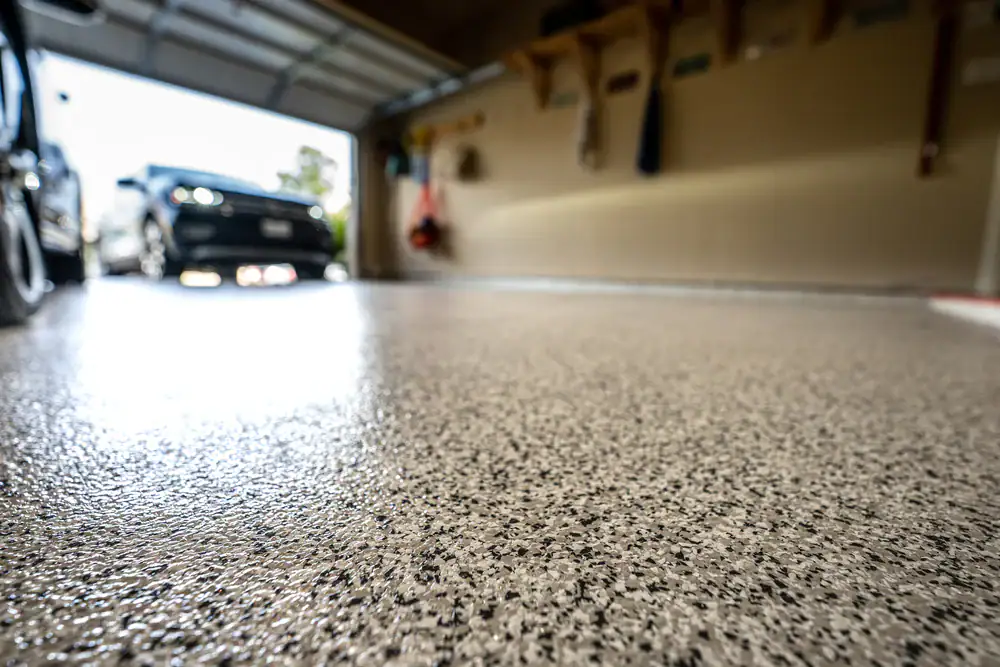
Hear from Our Customers
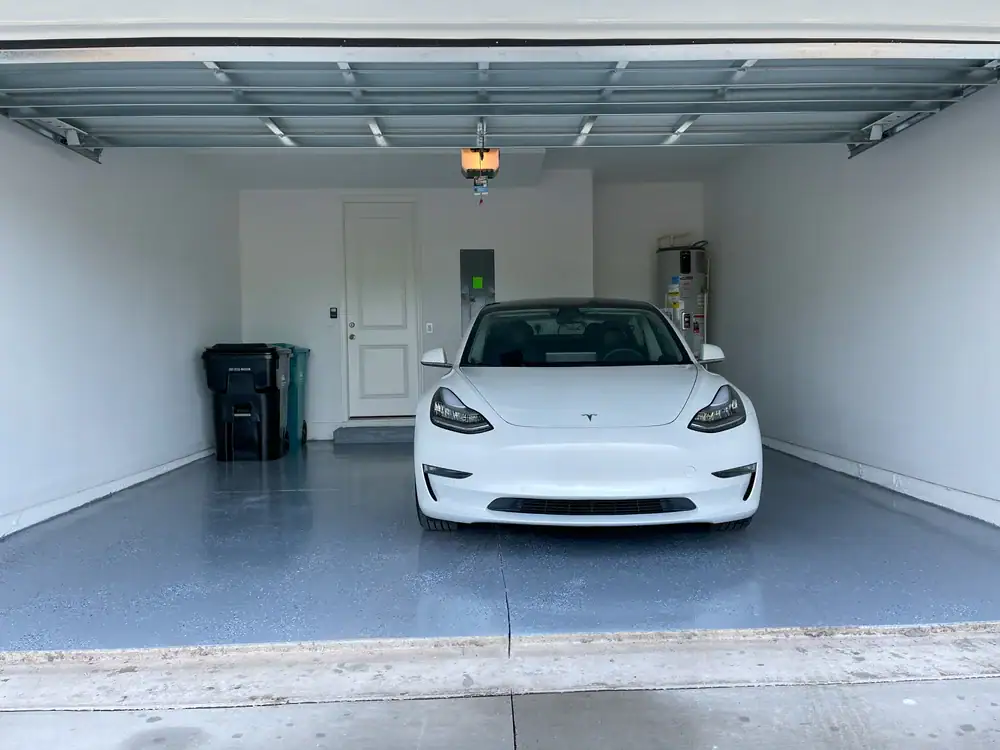
Professional Epoxy Garage Floor Installation
You’ve probably noticed how quickly concrete deteriorates here. The humidity seeps in, the heat causes expansion, and before long you’re looking at cracks, stains, and flaking that won’t go away.
A proper epoxy garage floor coating creates a moisture barrier that keeps groundwater and atmospheric humidity from penetrating your concrete. That means no more mold growth in the corners, no more oil stains that won’t lift, and no more surface deterioration from Florida’s temperature swings.
The difference between a floor that lasts two years and one that lasts twenty comes down to climate-adapted installation. We use UV-resistant formulations that won’t yellow in direct sunlight and heat-stable products that handle thermal expansion without bubbling or peeling. Your garage stays protected, looks clean, and adds real value to your property.
Most homeowners in Kendale Lakes see their garage floor as a problem they’ll deal with later. But waiting means more damage, higher costs, and eventually a full concrete replacement instead of a protective coating.
Kendale Lakes Epoxy Flooring Contractors
We’ve been installing epoxy flooring across South Florida since 2020. We’re a veteran-owned company that’s worked with the Coast Guard, US Military, City of Doral, City of Sunny Isles, and county facilities throughout the region.
That portfolio matters because it proves we can handle high-stakes applications where failure isn’t an option. The same standards we bring to government projects apply to your garage floor in Kendale Lakes.
We don’t use subcontractors. Every installation is done by our full-time team using commercial-grade materials from Sherwin Williams, Fosroc, and Laticrete. You get consistent quality, direct accountability, and transparent pricing from the first consultation to the final walk-through. We’ve also completed work at Faena Hotel, Hard Rock Stadium, and Miami International Airport—places where durability and appearance both matter.
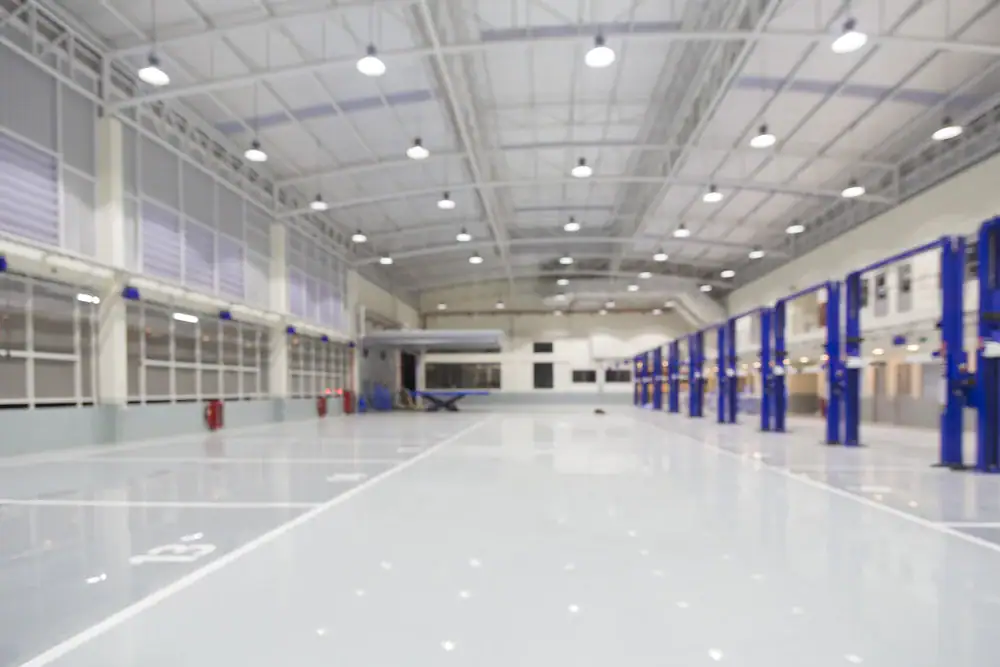
Our Garage Floor Coating Process
The installation starts with surface preparation, which is the most critical step. We grind down your existing concrete to remove any previous coatings, contaminants, or weak surface material. This creates the profile needed for proper adhesion—skip this step or do it poorly, and your floor will peel within months.
Next comes crack repair and moisture testing. South Florida’s sandy soil shifts after heavy rain, which causes concrete slabs to crack. We fill and stabilize those cracks before applying anything. We also test for moisture levels, because high humidity can prevent proper curing if conditions aren’t right.
The epoxy application happens in layers. We apply a primer coat that penetrates deep into the concrete, followed by the base coat and topcoat. Each layer needs specific temperature and humidity conditions to cure correctly, which is why we often schedule installations between November and April when conditions are most stable.
You’ll typically be able to walk on the floor within 24 hours and park on it within 72 hours. The full cure takes about a week, but your garage is functional much sooner. We can also add anti-slip additives if you want extra traction when the floor gets wet from rain or car moisture.
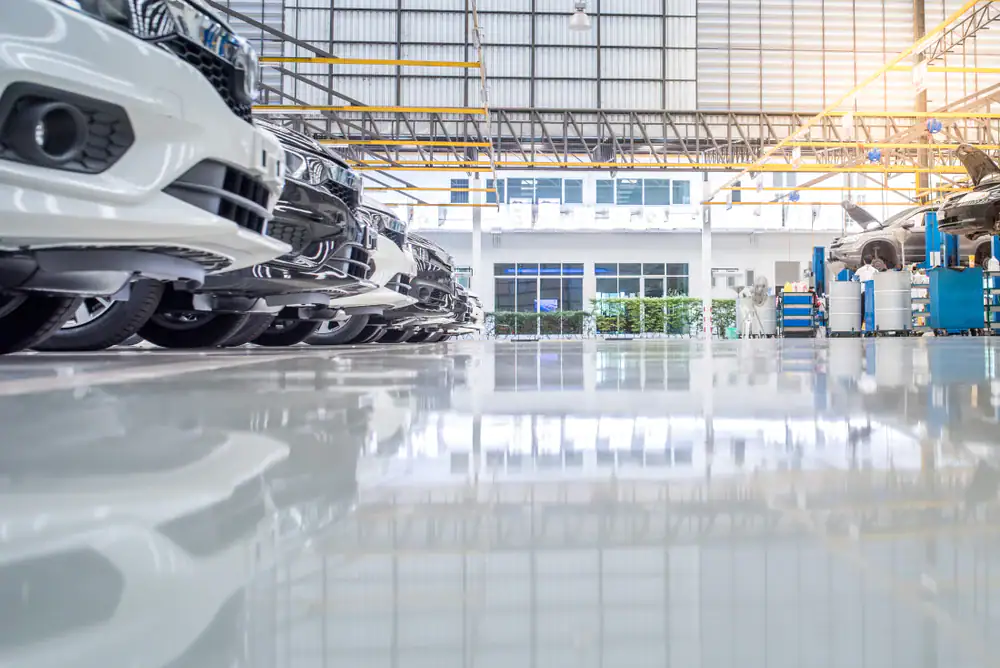
Ready to get started?
Epoxy Floor Coating Options and Features
Your epoxy garage floor comes with a moisture-resistant barrier that prevents the humidity problems common in Kendale Lakes. The coating is chemical-resistant, so automotive fluids, oils, and cleaning products won’t penetrate or stain the surface.
We use UV-stable formulations specifically because South Florida’s sun exposure causes standard epoxy to yellow and degrade. Heat resistance is built in—your floor won’t bubble or peel when temperatures spike or when hot tires sit on the surface.
You can choose from solid colors, decorative flake systems, or metallic finishes depending on what look you want. The flake systems are popular because they add texture, hide minor imperfections, and give you more design options. All finishes include a clear topcoat for added protection and easier cleaning.
The typical cost for a two-car garage in Kendale Lakes ranges from $1,100 to $4,300 depending on the condition of your existing concrete and which finish you select. That investment usually adds $2,000 to $8,000 in property value and eliminates ongoing maintenance costs for 10 to 20 years. Compare that to repainting every few years or replacing damaged concrete, and the math makes sense.
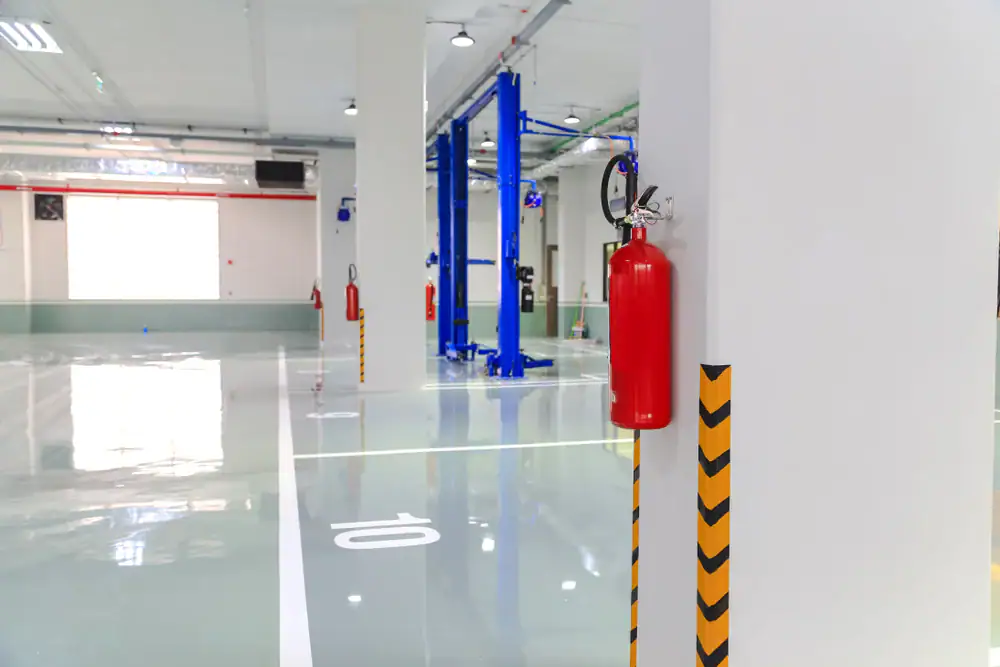
How long does epoxy flooring last in Florida’s humid climate?
Professional epoxy installations in South Florida typically last 10 to 20 years with basic maintenance. The longevity depends entirely on proper surface preparation and using climate-adapted products.
Florida’s humidity is the biggest threat to epoxy floors. Moisture trapped under the coating causes it to lift and peel, which is why we always test moisture levels before installation and use primers designed for high-humidity environments. The products we source from Sherwin Williams and Fosroc are formulated to handle coastal conditions.
You’ll extend the life of your floor by keeping it clean and avoiding harsh chemicals that can break down the topcoat. Sweep regularly, mop with mild soap, and wipe up automotive fluids promptly. The floor is durable, but it’s not indestructible—dragging heavy metal objects or using your garage as a workshop with welding sparks will cause damage over time.
Why do some epoxy garage floors peel after just a year or two?
Peeling happens because of poor surface preparation or using products not designed for Florida’s climate. Most failed floors we see were either DIY jobs or installed by contractors who skipped critical steps to save time.
Concrete has to be properly profiled—ground down to remove the top layer and create a rough surface for the epoxy to grip. If you apply epoxy over smooth concrete, old paint, or surface contaminants, it won’t bond correctly. You also can’t install epoxy when humidity is too high or when there’s moisture in the concrete slab itself.
The other common failure point is using cheap, big-box store epoxy kits. Those products aren’t formulated for high heat and humidity. They might work in Arizona or Colorado, but they fail quickly in South Florida. We only use commercial-grade materials because they’re engineered to handle the conditions your garage actually faces. If a floor does fail, the only fix is grinding everything off and starting over—which costs more than doing it right the first time.
What’s the difference between epoxy and other garage floor coatings?
Epoxy is a two-part system that chemically bonds to concrete and creates a thick, durable surface. It’s different from paint, which just sits on top and peels easily, and different from polyaspartic or polyurea coatings, which cure faster but cost significantly more.
Epoxy offers the best balance of performance and cost for most homeowners. It’s chemical-resistant, handles moderate heat well, and lasts for decades when installed correctly. The main downside is that it requires specific temperature and humidity conditions during installation, which is why timing matters in Florida.
Polyaspartic coatings cure faster and have slightly better UV resistance, but they typically cost 30% to 50% more than epoxy. For most garages in Kendale Lakes, that extra cost doesn’t deliver enough additional benefit to justify the price difference. Epoxy handles UV exposure just fine when you use the right formulation, and the longer cure time actually allows for better penetration and adhesion. We’ll walk you through the options during your consultation so you can make an informed decision based on your specific situation and budget.
Can epoxy flooring handle hot tires and Florida’s extreme heat?
Yes, but only if it’s installed with heat-resistant products and proper technique. Standard epoxy can soften under extreme heat, which is why we use formulations specifically rated for high-temperature environments.
Hot tires are a common concern because they can leave marks or cause peeling on poorly installed floors. The issue isn’t usually the tire heat itself—it’s that the epoxy wasn’t fully cured or the wrong product was used. Commercial-grade epoxy systems are designed to handle thermal cycling, which is the expansion and contraction that happens when your garage heats up during the day and cools at night.
Florida’s heat also affects the installation process. We can’t apply epoxy when surface temperatures are too high because it causes the material to cure too quickly, which leads to poor adhesion and potential failure. That’s why we often schedule installations during cooler months or early morning hours. Once the floor is properly cured, it handles heat without issue. You won’t see bubbling, peeling, or tire marks as long as the installation was done correctly from the start.
How do I maintain an epoxy garage floor?
Maintenance is straightforward—sweep or blow out debris regularly, mop with mild soap and water when needed, and wipe up spills promptly. That’s really it.
Epoxy floors don’t require sealing or special treatments once they’re installed. The topcoat we apply is the protective layer, and it’s designed to last for years without additional products. Avoid using harsh degreasers or acidic cleaners, which can break down the finish over time. Stick with pH-neutral soaps.
If you use your garage as a workshop, put down mats under heavy equipment or areas where you’ll be doing welding or grinding. The floor is tough, but metal shavings and welding sparks can damage any coating. For most homeowners who just park cars and store items, normal cleaning is all you need. The floor won’t stain from oil drips the way bare concrete does—fluids sit on the surface and wipe up easily. That’s one of the main reasons people install epoxy in the first place.
What should I look for when choosing an epoxy flooring contractor?
Look for a contractor who does surface preparation in-house, uses commercial-grade materials, and has a portfolio of completed projects you can verify. Ask specific questions about their process and what products they use.
Red flags include contractors who give you a quote without seeing your garage, promise installation in any weather conditions, or use subcontractors. Surface preparation is the most important part of the job, and it requires specialized equipment and experience. If they’re outsourcing that work, you have no quality control.
Ask what brands they use and why. If they can’t tell you the specific product names or explain why those products work in Florida’s climate, keep looking. We use Sherwin Williams, Fosroc, and Laticrete because those manufacturers produce systems designed for high-humidity, high-heat environments. Also ask about commercial or government work—contractors who’ve worked on municipal buildings, military facilities, or high-profile projects have proven they can deliver quality under scrutiny. Check references, look at recent projects, and make sure they provide transparent pricing upfront. You shouldn’t be surprised by costs or change orders after the work starts.
Other Services we provide in Kendale Lakes
Leave a Reply