


Garage Epoxy Flooring in Lantana, FL
Garage Floors That Actually Last in Florida
Hear from Our Customers
Epoxy Floor Coating in Lantana
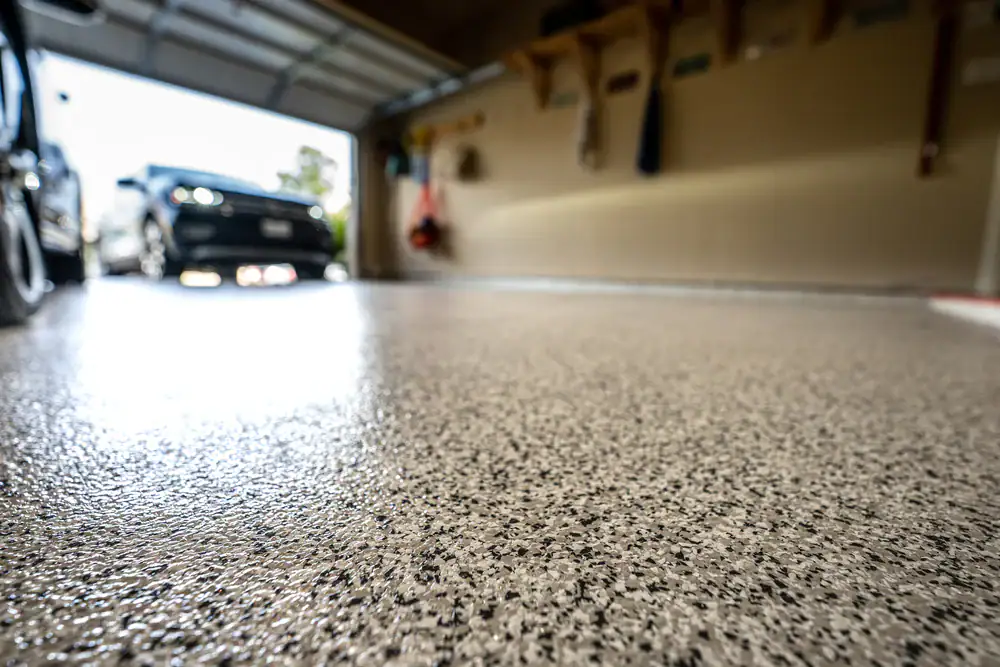
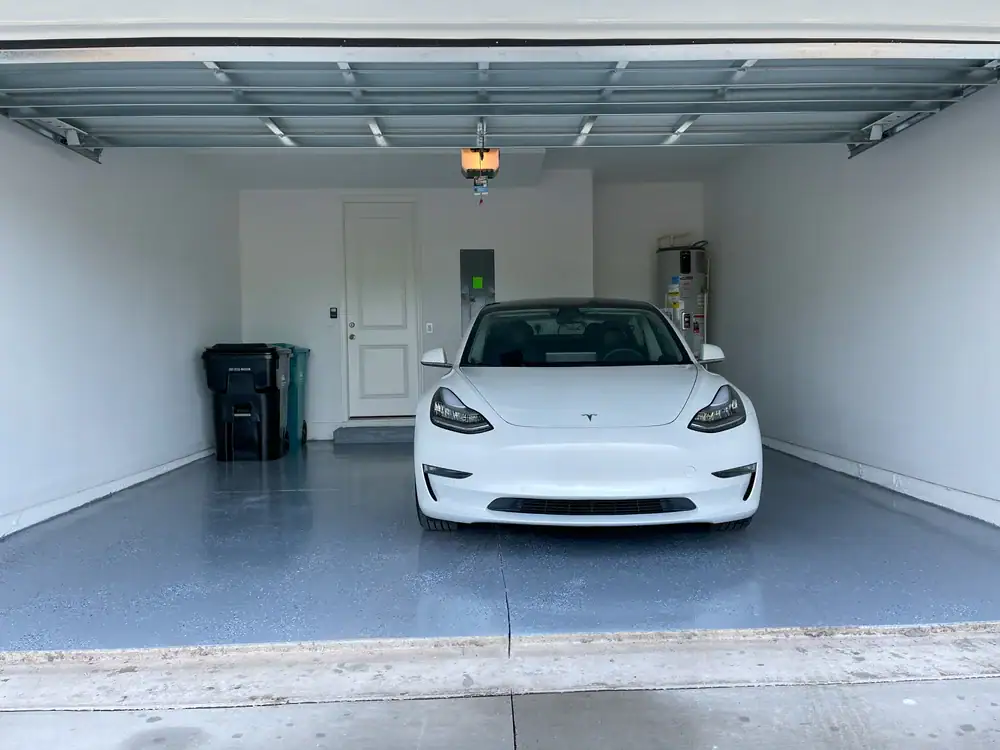
Your garage stops being the space you avoid showing people. Instead of stained, cracked concrete that soaks up oil and looks worse every year, you get a high-gloss finish that’s actually easy to clean—just sweep and occasionally mop.
The floor holds up against Florida’s humidity without bubbling or peeling. That’s because the epoxy acts as a moisture vapor barrier, not just a coating that sits on top and fails within months.
You also get a floor that can add $10,000 to $15,000 to your home’s perceived value. One Florida seller got $45,000 above asking price after buyers saw the finished garage. It’s not just about looks—it’s about durability that lasts 15 to 20 years, even with daily vehicle traffic and coastal salt exposure.
The installation happens fast. Most garage floors are done within 24 to 48 hours, depending on size and prep work. You’re not waiting weeks for a usable space.
Lantana Epoxy Flooring Contractor
We’ve been installing epoxy flooring across South Florida since 2020. We’ve completed projects for the US Military, Coast Guard, City of Doral, City of Sunny Isles, and multiple county schools—places that don’t hire contractors who cut corners.
Lantana homeowners deal with the same coastal humidity and salt air that damages unprotected concrete. We use 100% solid epoxy with saline-based additives that increase moisture vapor resistance up to 16 pounds per 1,000 square feet. That’s not standard in this area, but it should be.
We work with Sherwin Williams and Fosroc products. You get transparent pricing, a one-on-one consultation before any work starts, and follow-up calls after the job’s done. If something needs emergency attention, we respond.
Garage Floor Coating Process
First, we inspect the concrete. If there’s existing coating, damage, or contamination, we need to remove it completely. Most DIY epoxy failures happen because the surface wasn’t prepped right—we use industrial grinders to get down to clean, sound concrete.
Next, we address moisture. Florida concrete slabs release vapor that can exceed the bond strength of cheap coatings. We apply a moisture vapor barrier as part of the system, not as an optional add-on. This step is what separates a 20-year floor from one that bubbles in six months.
Then we apply the epoxy in layers. The base coat bonds to the prepared concrete. The topcoat adds the high-gloss finish and chemical resistance. If you want decorative flakes or a metallic finish, those go in between. We don’t rush the cure time—humidity above 75% during application causes problems, so we monitor conditions and adjust timing.
Finally, we clean up and walk you through maintenance. You’ll know exactly how to keep the floor looking new without special products or complicated routines.
Ready to get started?
Epoxy Garage Floor Installation Lantana
You get full surface preparation with professional-grade equipment. That means grinding, crack repair, and contaminant removal—not just a quick sweep and pour like some contractors do.
The epoxy system includes a moisture vapor barrier, which is critical in Lantana. Coastal areas see concrete moisture issues that inland properties don’t deal with. Without proper moisture management, 72% of garage surfaces in Southwest Florida show wear from humidity and salt air within five years.
You also get your choice of finish. Solid colors work for clean, simple looks. Decorative flakes add texture and hide minor imperfections. Metallic epoxy creates a dynamic, high-end aesthetic that changes appearance based on lighting and viewing angle.
We handle all the details: moving items if needed, protecting walls and doors during prep, disposing of old coatings, and making sure the space is usable when we leave. You’re not dealing with a mess or unfinished edges. The floor is ready to use as soon as the final cure time is complete—usually within 24 to 48 hours depending on the system and conditions.
How long does epoxy flooring last in Florida’s humidity?
Professional epoxy garage floors last 15 to 20 years in Florida when installed correctly. The key is moisture management and proper surface prep.
Most failures happen because the concrete wasn’t ground down to remove contaminants, or because no moisture vapor barrier was applied. Florida humidity causes concrete slabs to release vapor. If that vapor gets trapped under the epoxy, it builds pressure and causes delamination—that’s the bubbling and peeling you see on cheap jobs.
We use 100% solid epoxy with saline-based additives that increase moisture vapor resistance. The system is designed specifically for coastal climates like Lantana, where humidity regularly exceeds 75% and salt air accelerates wear. DIY kits and bargain contractors skip these steps, which is why their floors fail in months instead of decades.
What’s the cost of epoxy garage flooring in Lantana?
Pricing depends on square footage, surface condition, and the finish you choose. Most residential garages in Lantana range from a few thousand dollars for a standard two-car garage to more for larger spaces or premium finishes like metallic epoxy.
You’re paying for surface preparation, high-grade materials, and a moisture vapor barrier—not just a topcoat. Cheaper quotes usually mean shortcuts: no grinding, no moisture barrier, or water-based epoxy that won’t hold up in Florida’s climate.
We give transparent pricing after a free consultation. You’ll know exactly what’s included and why each step matters. The upfront cost is higher than DIY, but you avoid the expense of stripping a failed floor and starting over. Plus, professional epoxy flooring adds $10,000 to $15,000 to your home’s value, so you’re making an investment, not just an expense.
Can you install epoxy over my existing garage floor coating?
Not if you want it to last. Existing coatings have to come off completely before we install new epoxy. Any old paint, sealer, or failed epoxy will prevent proper adhesion, and the new floor will fail just like the old one did.
We use industrial grinders to remove old coatings and get down to clean concrete. This also opens up the concrete’s pores so the new epoxy can bond correctly. If there are cracks or damage underneath, we address those during prep—you can’t just cover problems and expect a good result.
Some contractors will try to install over existing coatings to save time and underbid the job. That’s why you see so many peeling floors in Florida. We do the prep work right the first time, even if it takes longer. The floor lasts decades instead of months, and you don’t pay twice for the same job.
How soon can I use my garage after epoxy installation?
Most garage floors are ready for foot traffic within 24 hours and vehicle traffic within 48 to 72 hours. Exact timing depends on the epoxy system, temperature, and humidity during curing.
Florida’s heat and humidity actually speed up cure times compared to colder climates, but high humidity can also cause problems if the coating is applied in the wrong conditions. We monitor weather and adjust the schedule to make sure the epoxy cures properly without trapping moisture or developing soft spots.
You’ll get a clear timeline before we start. We don’t leave you guessing when you can move your car back in or start using the space. If you need a faster turnaround for a specific reason, let us know during the consultation—we’ve completed emergency projects in 24 hours when needed, but that requires specific planning and conditions.
Does epoxy flooring work for Florida’s heat and sun exposure?
Yes, but only if it’s installed correctly with UV-stable topcoats. Direct sunlight can cause some epoxy systems to yellow or fade over time, especially near open garage doors where UV exposure is constant.
We use topcoats that resist UV degradation and hold their color even in South Florida’s intense sun. The epoxy itself is heat-resistant—garage floors regularly see surface temperatures over 100 degrees in summer, and properly installed epoxy handles that without softening or losing adhesion.
The bigger concern in Florida is thermal shock: when cool morning concrete meets hot humid air, condensation forms on the surface. That’s why moisture vapor barriers matter. Without one, trapped moisture weakens the bond between concrete and epoxy, and the floor fails prematurely. We build the system to handle Florida’s specific challenges—heat, humidity, salt air, and UV exposure—not just generic garage conditions.
What maintenance does an epoxy garage floor need?
Almost none. Sweep or blow out debris regularly, and mop with water or a mild cleaner when it gets dirty. That’s it.
Epoxy is non-porous, so oil, grease, and chemicals sit on the surface instead of soaking in like they do with bare concrete. You can wipe up spills with a rag or paper towel—no scrubbing or special solvents needed. The high-gloss finish makes dirt and stains obvious, but it also makes them easy to remove.
Avoid using harsh acids or solvents for cleaning. They’re not necessary, and they can dull the finish over time. A regular push broom and occasional damp mop will keep the floor looking new for years. If you ever need to touch up a small area due to heavy impact damage, we can handle that without redoing the entire floor. But with proper installation and normal use, you shouldn’t need repairs for 15 to 20 years.
Other Services we provide in Lantana
Leave a Reply