


Garage Epoxy Flooring in Lauderdale-By-The-Sea, FL
Garage Floors That Actually Survive Florida’s Humidity
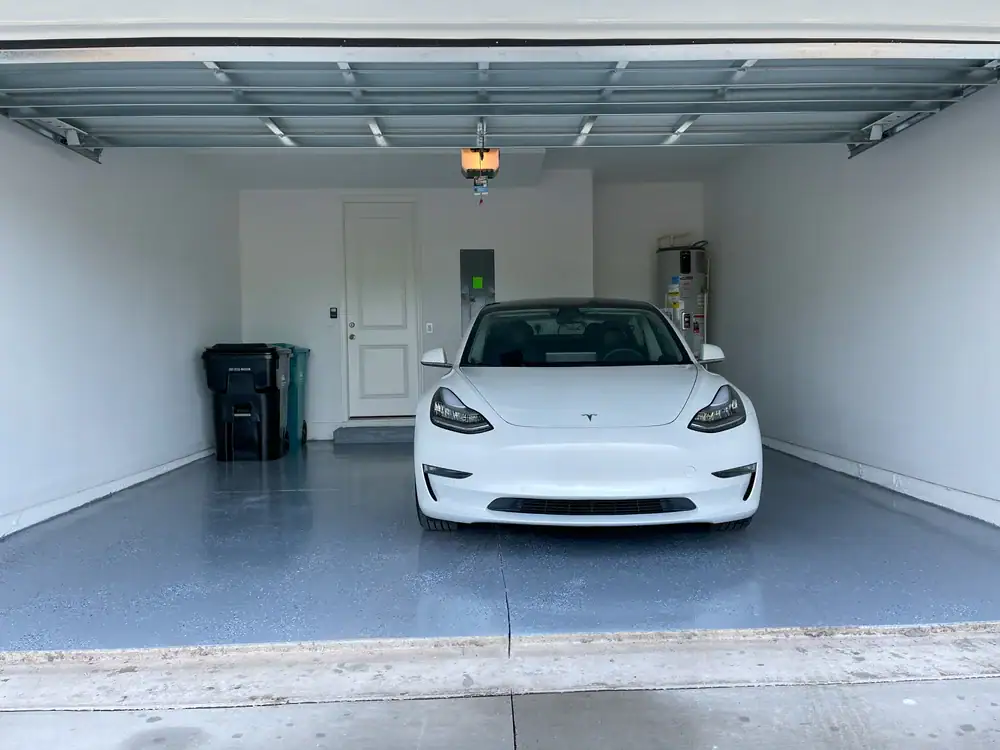
Hear from Our Customers
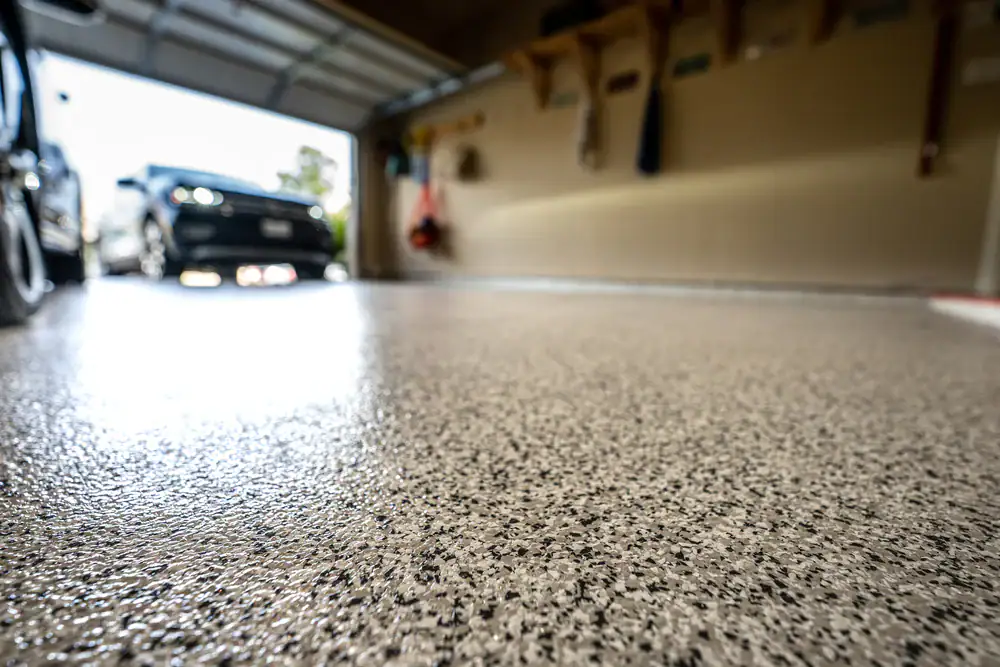
Epoxy Garage Floor Coating Lauderdale-By-The-Sea
Most epoxy garage flooring fails in South Florida because it wasn’t designed for 74% average humidity and salt air. You’ve probably seen it—coatings that look great for six months, then start bubbling or flaking off in sheets.
That’s not a maintenance issue. It’s a moisture problem.
When humidity gets trapped under standard epoxy floor coating, it builds pressure. Eventually, that pressure wins. The coating delaminates, and you’re left with a worse-looking floor than when you started.
We use vapor barrier systems and commercial-grade polyaspartic coatings specifically engineered for coastal Florida. These aren’t the same products sold at big-box stores. They’re the same systems we’ve installed for military facilities and municipal buildings across Broward County—places where failure isn’t an option.
Your garage floor gets the same treatment. Full surface preparation with diamond grinding or shot-blasting. Proper moisture testing before we apply anything. Then a multi-layer system that bonds to the concrete and holds up to automotive chemicals, road salt, and the kind of humidity that ruins most DIY jobs within 18 months.
The result is a floor that actually lasts. One you can hose down, park on, and forget about for the next 10 to 20 years.
Garage Floor Coating Contractors Lauderdale-By-The-Sea
SPF Industrial has been installing epoxy flooring and polished concrete across South Florida since 2020. We’re veteran-owned, and we work directly with clients—not through general contractors who add markups and slow everything down.
Our portfolio includes the US Army, Coast Guard facilities, City of Doral, City of Sunny Isles, and county projects where the spec requirements are higher than residential. That’s the standard we bring to your garage in Lauderdale-By-The-Sea, FL.
We only use commercial-grade materials from Sherwin Williams, Fosroc, and other manufacturers who produce coatings for industrial applications. Everything is done in-house by our full-time crew. No subcontractors. No surprises.
You get transparent pricing, a one-on-one consultation, and a floor system built to survive Florida’s toughest conditions.
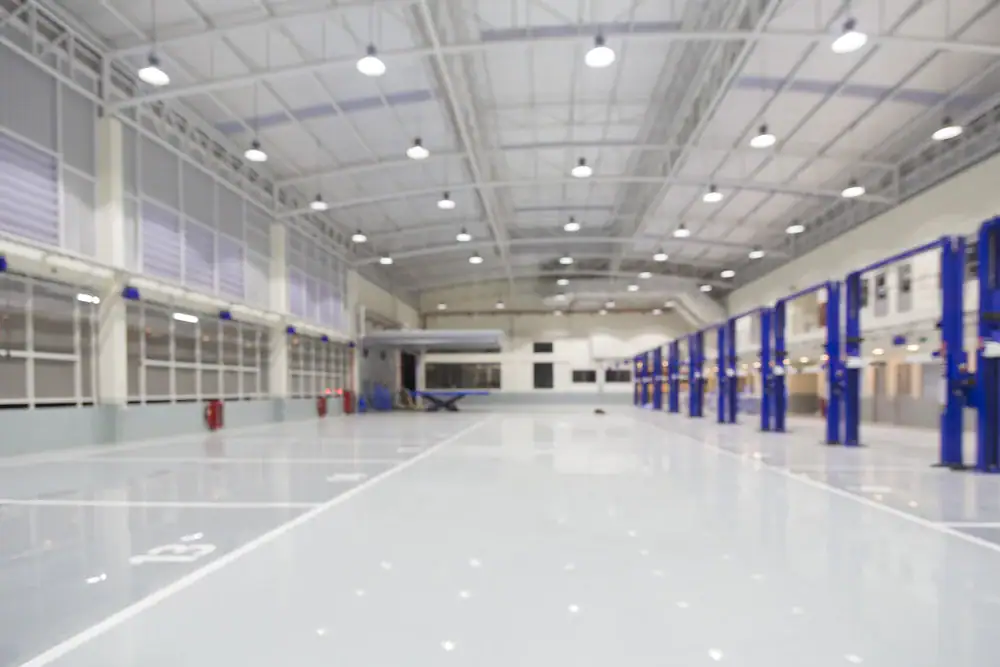
Epoxy Flooring Installation Process Lauderdale-By-The-Sea
First, we assess your concrete. Not every slab is ready for epoxy garage flooring, especially in Lauderdale-By-The-Sea where moisture intrusion is common. We test for vapor transmission and check for existing damage, cracks, or contamination.
Next comes surface preparation. This is where most companies cut corners, and it’s why most coatings fail. We use diamond grinding, shot-blasting, or scarifying depending on your slab’s condition. The goal is to open the concrete’s pores so the coating can bond properly—not just sit on top.
Once the surface is prepped and cleaned, we apply a moisture-mitigating primer if needed. Then comes the base coat, followed by color flakes or quartz if you want them, and finally a clear polyaspartic topcoat that cures fast and resists UV yellowing.
Most garage floor coating projects are done in 24 to 48 hours. You’re not waiting a week to park your car. The polyaspartic systems we use cure faster than traditional epoxy, and they’re more durable in high-humidity environments.
After the final coat cures, you’ve got a floor that’s chemical-resistant, slip-resistant, and easy to clean. It’ll handle whatever you throw at it—oil, brake fluid, salt, or just regular wear from daily use.
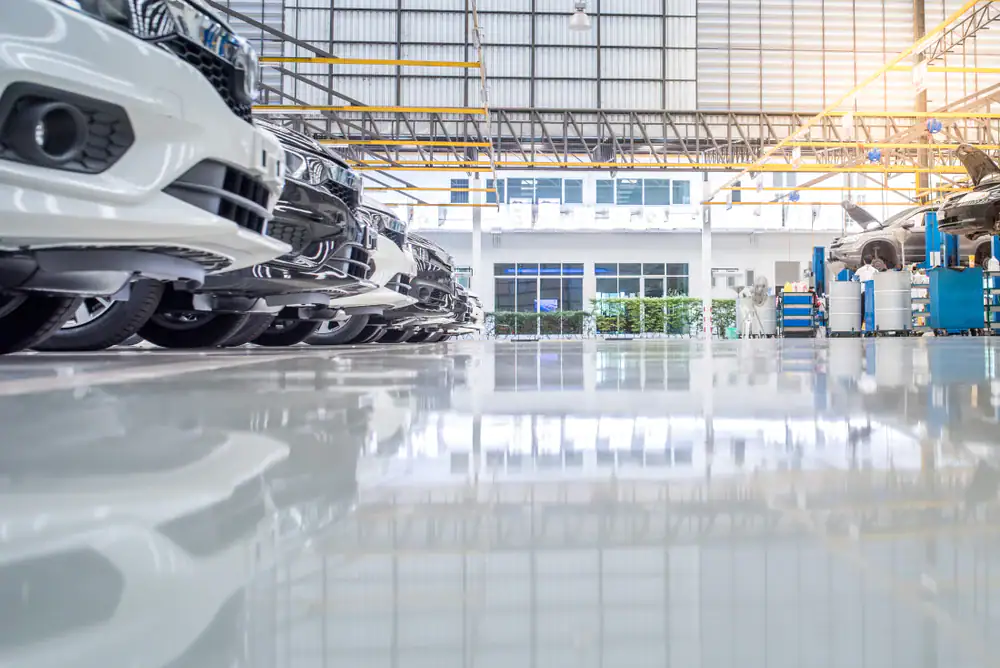
Ready to get started?
Garage Epoxy Flooring Services Lauderdale-By-The-Sea
You’re getting a multi-layer garage floor coating system designed for South Florida’s coastal environment. That includes full concrete surface preparation, moisture testing, crack repair if needed, and a commercial-grade coating that won’t fail when humidity spikes.
In Lauderdale-By-The-Sea, FL, the air carries 20% more moisture than the national average. That’s not something you can ignore. Standard epoxy garage floor systems trap that moisture, which leads to delamination. Our vapor barrier primers and polyaspartic topcoats are specifically chosen to handle those conditions.
You’re also getting materials that resist chemicals. Automotive fluids, road salt, cleaning products—none of it will stain or damage the coating. The finish is slip-resistant even when wet, and it reflects light better than bare concrete, which makes your garage brighter and safer.
We handle everything in-house. Our crew preps the surface, applies the coatings, and cleans up when we’re done. Most jobs are finished in one to two days, and you can walk on the floor within hours of the final coat.
This isn’t a DIY product repackaged as a professional service. It’s the same system we install for government and military clients who require long-term performance and can’t afford to redo the work in a few years.
How long does epoxy garage flooring last in Florida’s humidity?
If it’s installed correctly with the right materials, you’re looking at 10 to 20 years—sometimes longer. The key is moisture management.
Most epoxy garage floor failures in Lauderdale-By-The-Sea happen because the installer didn’t account for vapor transmission. Concrete is porous, and in South Florida, moisture moves through it constantly. If you seal the surface with a standard epoxy floor coating that doesn’t breathe or bond properly, that moisture gets trapped and builds pressure until the coating pops off.
We use commercial-grade systems with vapor barriers and polyaspartic topcoats that are designed for high-humidity environments. These coatings bond at a molecular level and flex slightly with temperature changes, which prevents cracking and delamination. Proper surface prep is just as important—we open the concrete’s pores with diamond grinding or shot-blasting so the coating can actually grip the slab, not just sit on top of it.
You’ll also want to avoid DIY kits. Studies show 70% of DIY epoxy projects develop discoloration or failure within six months in Florida. That’s not user error—it’s the wrong product for the climate.
What’s the difference between epoxy and polyaspartic garage floor coatings?
Polyaspartic coatings cure faster, resist UV yellowing better, and handle temperature swings more effectively than traditional epoxy. Both are durable, but polyaspartic is the better choice for Florida garages.
Epoxy has been the standard for decades. It’s tough, chemical-resistant, and bonds well to concrete. But it has limitations in coastal climates. Epoxy is sensitive to moisture during installation—if the humidity is above 75% when you apply it, the coating can fail. It also yellows over time when exposed to UV light, which is a problem if your garage gets any sun exposure.
Polyaspartic coatings were developed to solve those issues. They cure in hours instead of days, so there’s less risk of moisture contamination during installation. They’re more flexible, which helps them handle Florida’s daily temperature swings without cracking. And they don’t yellow, even with direct sunlight.
We use polyaspartic topcoats on most garage floor coating projects in Lauderdale-By-The-Sea, FL because they perform better in high-humidity, high-heat environments. The base layers might still be epoxy—it depends on the slab condition and what’s needed for proper adhesion—but the topcoat is almost always polyaspartic for long-term durability.
Can you install garage epoxy flooring over existing coatings or cracks?
Sometimes, but usually it’s better to remove the old coating and repair the cracks first. Coating over a failed system just means you’ll have the same problem again in a year.
If there’s an existing epoxy garage floor that’s peeling, bubbling, or delaminating, we need to remove it. You can’t bond a new coating to a surface that’s already failing. We use grinders or scarifiers to strip the old material down to bare concrete, then assess what’s underneath.
Cracks are a separate issue. Small hairline cracks can be filled and sealed before we apply the new coating. Larger structural cracks—anything wider than a quarter-inch or cracks that are actively moving—need to be repaired with epoxy crack fillers or polyurea joints. If we don’t address them, they’ll telegraph through the new coating and eventually cause it to fail.
In Lauderdale-By-The-Sea, we also check for moisture issues before we do anything. If the slab is transmitting a lot of vapor, we’ll use a moisture-mitigating primer to create a barrier. Skipping that step is why most recoating jobs fail within two years.
The goal is to give you a floor that lasts, not just cover up the problem temporarily.
How much does professional garage floor coating cost in Lauderdale-By-The-Sea?
Most residential garage epoxy flooring projects in Lauderdale-By-The-Sea, FL run between $3 and $12 per square foot, depending on the system you choose and the condition of your concrete. A standard two-car garage is usually 400 to 600 square feet, so you’re looking at $1,200 to $7,200 for a complete install.
That range exists because not all coatings are the same. A basic single-color epoxy floor coating with minimal prep is on the lower end. A multi-layer polyaspartic system with full surface preparation, crack repair, decorative flakes, and a high-gloss topcoat is on the higher end. The more durable systems cost more upfront, but they last longer and require less maintenance.
Surface condition matters too. If your slab has existing coatings that need to be removed, or if there are significant cracks or moisture issues, that adds to the prep work and the cost. We give you transparent pricing after we assess your garage in person—no surprises, no upselling.
For context, a professionally installed garage floor coating can add $8 per square foot to your home’s resale value, according to HomeAdvisor. That’s a 70% to 85% ROI, which is better than most home improvement projects. You’re not just getting a better-looking floor—you’re making an investment that pays back when you sell.
Will epoxy garage flooring hold up to car traffic and chemicals?
Yes, if it’s a commercial-grade system. The coatings we use are chemically resistant to automotive fluids, road salt, cleaning products, and just about anything else you’d find in a garage.
Epoxy and polyaspartic coatings form a hard, non-porous surface that doesn’t absorb liquids. Oil, brake fluid, antifreeze, gasoline—they all bead up on the surface instead of soaking in. You can wipe them up without leaving a stain. That’s a huge advantage over bare concrete, which is porous and stains permanently.
The coatings are also impact-resistant. Dropping tools, dragging equipment, parking cars—none of that will damage a properly installed epoxy garage floor. The surface is harder than the concrete underneath, so it actually protects the slab from wear.
In Lauderdale-By-The-Sea, you also have to think about salt. If you drive near the beach, your tires are picking up salt and tracking it into your garage. Salt accelerates concrete deterioration and can corrode metal. A sealed epoxy floor coating stops that. The salt sits on the surface where you can rinse it off instead of soaking into the concrete and causing long-term damage.
We use the same coatings in commercial shops, military vehicle bays, and municipal garages where the traffic and chemical exposure are much higher than residential. If it holds up there, it’ll hold up in your garage.
How soon can I use my garage after the epoxy is installed?
You can walk on most polyaspartic garage floor coatings within 4 to 6 hours. Light vehicle traffic is usually fine after 24 hours, and full cure happens within 48 to 72 hours.
Traditional epoxy takes longer—sometimes up to a week for full cure—but the polyaspartic systems we use in Lauderdale-By-The-Sea are designed for fast turnaround. That’s important if you need your garage back quickly or if we’re working in a commercial space that can’t be down for days.
The fast cure time also reduces the risk of moisture contamination during installation. The less time the coating spends curing, the less chance humidity has to interfere with the bond. In South Florida, that’s a real advantage.
We’ll give you specific instructions based on the system we install and the conditions on the day of the job. Temperature and humidity both affect cure times, so if it’s an unusually hot or humid day, we might recommend waiting an extra few hours before parking on the floor.
Most of our clients are back to normal use within 24 to 48 hours. That includes parking cars, moving equipment, and regular foot traffic. You’re not losing a week of garage access for this install.
Other Services we provide in Lauderdale-By-The-Sea
Leave a Reply