


Garage Epoxy Flooring in Lauderhill, FL
Epoxy Floors That Actually Last in Florida
Hear from Our Customers
Epoxy Garage Floor Solutions for Lauderhill
Your garage floor stops being a problem. No more staining from oil drips or tire marks that won’t come out. No more concrete dust tracking into your house every time you walk through the door.
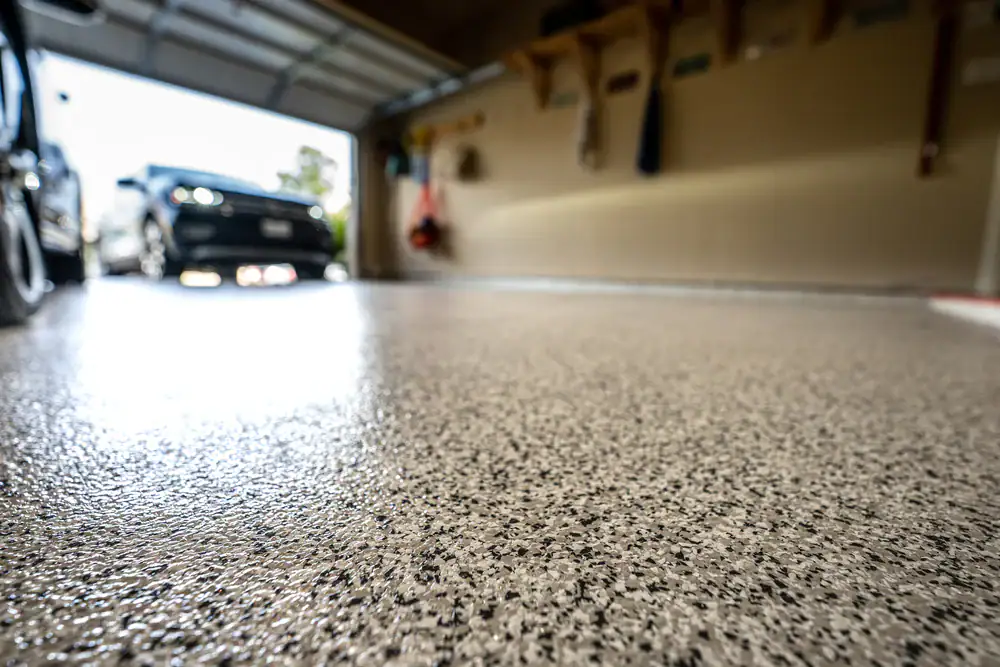
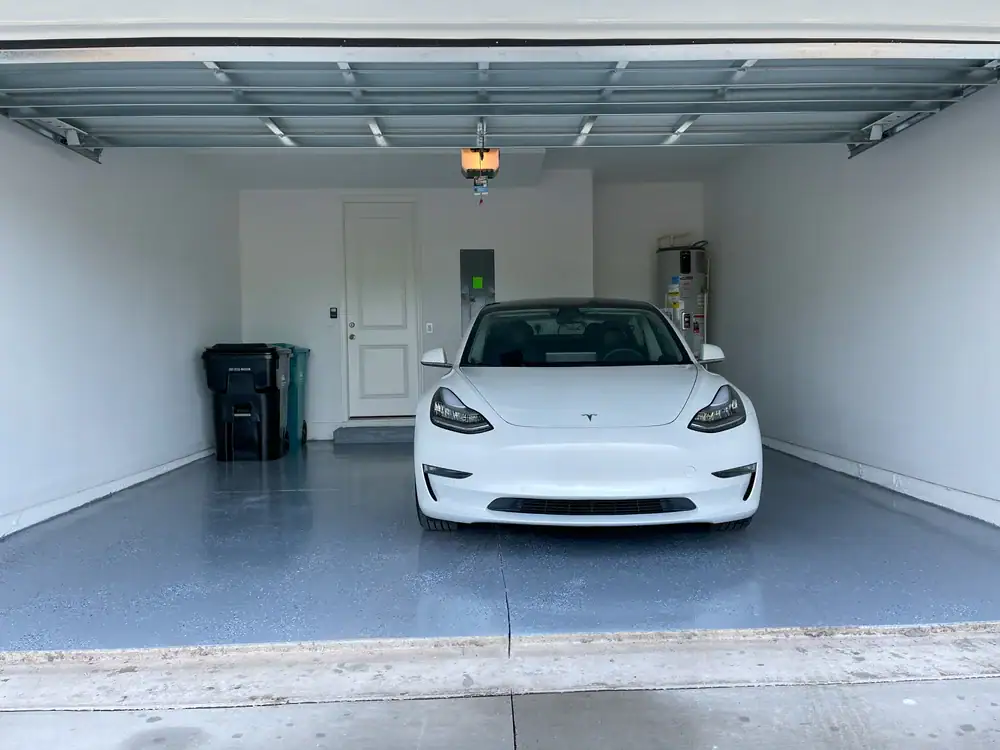
A professionally installed epoxy garage floor gives you a surface that cleans with a quick hose-down or mop. Spills wipe up instead of soaking in. The floor looks finished instead of like raw, cracked concrete.
In Lauderhill, where humidity sits above 70% most of the year and your garage hits over 100°F in summer, your floor needs to handle moisture coming up through the slab and temperature swings that make cheap coatings peel within months. The right epoxy floor coating system bonds inside the concrete, not just on top of it. That’s what keeps it from bubbling, yellowing, or lifting when Florida’s climate does what it does.
You’re not just covering concrete. You’re protecting it and making your garage a space that actually works for you—whether that’s parking, a workshop, or extra storage that doesn’t look like a basement.
Lauderhill Epoxy Flooring Contractor
We started SPF Industrial in July 2020, and we’ve spent the last several years installing epoxy flooring and polished concrete across South Florida. We work with homeowners in Lauderhill and throughout Broward County, and we’ve also completed projects for the Coast Guard, US Army, City of Doral, and City of Sunny Isles.
We don’t use subcontractors. Everything is done in-house with our full-time crew. That means the people who show up for your consultation are the same ones doing the prep work, applying the coatings, and making sure the job is done right.
We’re not the cheapest option in Lauderhill, and we won’t pretend to be. What you’re paying for is the proper prep work—shot-blasting or diamond grinding to open up the concrete pores—and industrial-grade materials from manufacturers like Laticrete, Koster USA, and Flowcrete. These are the same products used in commercial warehouses and military facilities, not the DIY kits that fail after a year.
Our Garage Floor Coating Process
First, we come out to look at your garage floor. We’re checking for cracks, moisture issues, and any previous coatings that need to come off. If your concrete is showing signs of moisture vapor transmission—which is common in Lauderhill due to Florida’s sandy soil and high water table—we’ll test for it and recommend a moisture-tolerant system or vapor barrier if needed.
Once we’re clear on what your floor needs, we give you transparent pricing. No surprises, no upselling mid-project. If you move forward, we schedule the work and start with full surface prep. That means grinding or shot-blasting the concrete to remove any contaminants and open up the pores so the epoxy can bond properly. This step is non-negotiable if you want a floor that lasts.
After prep, we apply the base coat—usually a penetrating epoxy or polyaspartic system depending on your garage conditions. Then we add any color flakes or texture you want, and finish with a clear topcoat that’s UV-stable and chemical-resistant. The whole process typically takes one to two days depending on the size of your garage and the system we’re installing.
You can walk on it within 24 hours. Full cure for vehicle traffic is usually 48 to 72 hours. We’ll give you specific timing based on what we install.

Ready to get started?
What’s Included in Garage Epoxy Installation
Every garage floor coating project includes full concrete surface preparation. We don’t skim over this. If your concrete isn’t prepped correctly, the coating will fail—it’s that simple. We use shot-blasting, diamond grinding, or scarifying depending on what your slab needs.
You’re also getting industrial-grade epoxy or polyaspartic coatings, not retail-grade products. We work with materials designed for commercial and military applications because they’re built to handle high traffic, chemical exposure, and Florida’s climate. In Lauderhill, where moisture and heat are constant factors, we often recommend polyaspartic systems or moisture-tolerant epoxies that can handle vapor transmission without delaminating.
We include crack repair if your floor has them—and most garage floors in Lauderhill do, thanks to shifting sandy soil and heavy rain. We’ll fill and seal cracks before coating so they don’t telegraph through the finish.
Color flakes are included if you want them. They add texture for slip resistance and hide any imperfections in the concrete. You’ll get to choose from several color blends during the consultation.
Every system we install comes with a warranty that covers both materials and workmanship. The length and terms depend on the system and environment, and we’ll go over that before you sign anything. We also offer follow-up calls and emergency response if something comes up after installation.
How long does epoxy flooring last in Florida’s climate?
A properly installed epoxy garage floor in Lauderhill should last 10 to 20 years if it’s maintained correctly. The key word is “properly installed.” Most failures happen because the concrete wasn’t prepped right or the wrong coating was used for Florida’s conditions.
Florida’s humidity and heat create unique challenges. Moisture vapor transmission is a constant issue here—water moves up through your concrete slab because of ground saturation and high air moisture. If you use a standard epoxy that isn’t moisture-tolerant, it’ll start bubbling or peeling within months.
We use systems designed for high-moisture environments. That means polyaspartic coatings, which cure fast and handle UV exposure, or moisture-tolerant epoxy systems that can bond even when there’s vapor pressure coming through the slab. We also test your concrete’s moisture levels before installation and add vapor barriers like LATICRETE Vapor Ban ER if readings are too high.
Temperature swings also matter. Your garage in Lauderhill can hit over 100°F during the day and drop 25 degrees at night. Coatings expand and contract with those changes. Industrial-grade materials are formulated to flex without cracking or losing adhesion. That’s why we don’t use DIY kits or cheap alternatives—they’re not built for this climate.
Why do some garage floor coatings peel or bubble?
Peeling and bubbling happen for two main reasons: poor surface prep or moisture issues. Sometimes it’s both.
If the concrete isn’t properly cleaned and profiled before coating, the epoxy sits on top of dust, oil, or old sealers instead of bonding into the concrete itself. When that happens, it’s only a matter of time before it lifts. We shot-blast or diamond-grind every floor to remove contaminants and open up the concrete pores. That gives the coating something to grip.
Moisture is the other major cause, and it’s especially common in Lauderhill. Florida’s sandy soil shifts after heavy rain, and ground moisture pushes up through your concrete slab. If you coat over that with a non-breathable epoxy, the vapor pressure builds underneath and eventually pushes the coating off. You’ll see bubbles, yellow spots, or entire sections peeling up.
We test for moisture vapor transmission before we start any project. If your slab is showing high moisture levels—anything above 4% is a red flag—we’ll either use a moisture-tolerant coating system or install a vapor barrier first. Skipping that step is why so many DIY jobs and cheap contractor installs fail within a year.
The coatings we use are designed to handle Florida’s conditions. They’re not the same products you’ll find at a big-box store. They cost more, but they don’t fail.
What’s the difference between epoxy and polyaspartic coatings?
Epoxy and polyaspartic are both resin-based coatings, but they cure differently and handle Florida’s climate in different ways.
Epoxy is the more common option. It’s durable, chemical-resistant, and bonds well to concrete when applied correctly. The downside is that standard epoxy can yellow under UV exposure, and it takes longer to cure—usually 24 to 48 hours between coats. In high-humidity environments like Lauderhill, moisture can interfere with the curing process if conditions aren’t controlled.
Polyaspartic coatings cure much faster—often within a few hours—and they’re UV-stable, so they won’t yellow or fade in garages that get direct sunlight. They’re also more flexible, which helps them handle Florida’s temperature swings without cracking. Polyaspartic systems can be applied in a wider range of temperatures and humidity levels, which makes them a better fit for Florida in many cases.
The tradeoff is cost. Polyaspartic coatings are more expensive than standard epoxy. But if your garage gets hot, has moisture issues, or you need the floor back in service quickly, polyaspartic is often the better choice.
We’ll recommend the right system based on your garage’s conditions. If your concrete is dry and your garage stays relatively cool, epoxy works fine. If you’re dealing with moisture, heat, or UV exposure, polyaspartic is worth the extra investment.
Can you install epoxy over cracked or damaged concrete?
Yes, but the cracks need to be repaired first. You can’t just coat over them and hope they disappear—they’ll show through the finish and usually get worse over time.
Cracks are extremely common in Lauderhill garage floors. Florida’s sandy soil shifts when it gets saturated from rain, and that movement causes concrete slabs to lose support and crack. Temperature changes also make concrete expand and contract, which can widen existing cracks or create new ones.
Before we coat your floor, we’ll fill and seal any cracks using epoxy crack filler or polyurea joint filler depending on the size and location. For larger cracks or areas where the slab has settled unevenly, we may need to grind down high spots or use an epoxy mortar to level things out.
If your concrete is severely damaged—large sections broken up, major spalling, or deep pitting—coating might not be the best solution. In those cases, we’ll recommend resurfacing or a full concrete overlay to give you a solid base before applying the finish system.
The goal is to address the underlying issues so your new floor lasts. Coating over damaged concrete without fixing it first is a waste of money. We’ll walk you through what your slab needs during the consultation so there are no surprises.
How much does garage epoxy flooring cost in Lauderhill?
Cost depends on the size of your garage, the condition of your concrete, and the system you choose. For a standard two-car garage in Lauderhill, you’re typically looking at somewhere between $1,800 and $4,500 for a professional installation.
That range accounts for different coating systems. A basic epoxy with color flakes on well-maintained concrete will be on the lower end. If your floor needs crack repair, moisture mitigation, or a polyaspartic system, you’ll be closer to the higher end.
We don’t give quotes over the phone because every garage is different. Your concrete might have moisture issues that require a vapor barrier. You might have old coatings that need to be removed. Your slab might need more extensive crack repair or leveling. We need to see the floor in person to give you accurate pricing.
What we can tell you is that the cost of doing it right is a lot less than paying to redo a failed installation. Cheap jobs fail in Florida’s climate. You’ll end up spending more to strip the old coating and start over than you would have spent on a proper system the first time.
We give transparent pricing after the consultation. No pressure, no upselling mid-project. You’ll know exactly what you’re paying for and why.
Do you offer warranties on garage floor coatings?
Yes. Every system we install comes with a warranty that covers both materials and workmanship. The specific terms depend on the coating system and your garage environment, and we’ll go over those details before you commit to anything.
For residential garage epoxy flooring in Lauderhill, warranties typically range from 5 to 15 years depending on the system. Polyaspartic coatings and moisture-tolerant epoxy systems usually carry longer warranties because they’re designed to handle Florida’s climate challenges.
The warranty covers delamination, bubbling, and coating failure under normal use. It doesn’t cover damage from improper maintenance, chemical spills that aren’t cleaned up, or physical impacts like dropping heavy tools or dragging sharp objects across the floor. We’ll give you maintenance guidelines after installation so you know how to keep your floor in good shape.
We stand behind our work. If something goes wrong because of a material defect or installation error, we’ll come back and fix it. That’s part of why we only use industrial-grade products from manufacturers like Laticrete, Koster USA, and Flowcrete—they back their materials, and we back our installation.
If you have questions about what’s covered or how long your specific system is warrantied for, we’ll walk through that during the consultation. No fine print, no runaround.
Other Services we provide in Lauderhill
Leave a Reply