


Garage Epoxy Flooring in Miami, FL
A Garage Floor That Actually Survives Miami
Hear from Our Customers
Epoxy Garage Floor Benefits in Miami
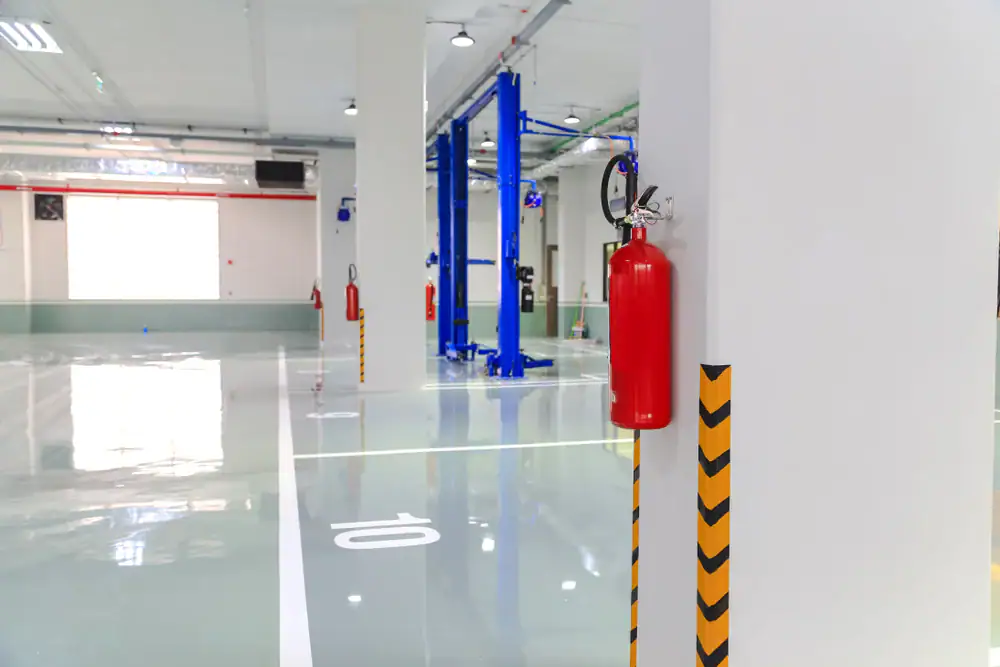
Your garage stays cooler because the reflective surface doesn’t absorb heat like bare concrete. That matters when Miami summer temps push past 90°F and your garage hits 110°F or higher.
Spills don’t stain. Oil, brake fluid, antifreeze—they sit on top instead of soaking in. You wipe them up and move on.
The floor doesn’t crack under pressure from temperature swings or moisture creep. It doesn’t peel after the first rainy season. And when a storm rolls through, water doesn’t seep into the slab—it stays on the surface where you can squeegee it out fast.
You’re not repainting in two years. Most professionally installed epoxy floors last 10 to 20 years in Miami’s climate, and they need almost no maintenance beyond occasional mopping. That’s the difference between a garage floor coating that works and one that doesn’t.
Miami Epoxy Flooring Contractors
We handle epoxy flooring and concrete polishing for residential and commercial clients across South Florida. We’ve worked with the Coast Guard, US Army, City of Doral, City of Sunny Isles, and high schools throughout Miami-Dade County.
We also install floors at places like the Faena Hotel and Hard Rock. Those jobs don’t go to companies that cut corners.
Our team uses Sherwin Williams and Fosroc products, and we adjust resin ratios based on real-time humidity readings. That’s how you get an epoxy garage floor that doesn’t peel after five years. Most residential installs take two to three days from prep to cure, and we handle everything in-house—no subcontractors.
Garage Floor Coating Process in Miami
We start with concrete prep. That means grinding down the surface, filling cracks, and making sure the slab is clean and level. If your concrete is in rough shape, we’ll resurface it first. Skipping this step is why most DIY epoxy jobs fail within a year.
Next comes the epoxy application. We mix the resin on-site and adjust the formula based on temperature and humidity that day. Miami’s climate changes fast, and the mix has to match conditions or it won’t cure right. We apply the base coat, then the topcoat, and add any custom flake or color you want.
Curing takes 24 to 48 hours depending on the system we use. After that, you can walk on it. Full cure for vehicle traffic usually happens within 72 hours. We’ll give you a timeline before we start so you know exactly when your garage is back in service.
Ready to get started?
What’s Included in Epoxy Flooring Miami
You get full concrete preparation, which includes crack repair, surface grinding, and cleaning. We don’t just roll epoxy over a dirty slab and hope it sticks.
The epoxy system itself is commercial-grade. We’re using materials designed for warehouses, food processing plants, and military facilities—not the stuff you buy in a box at the hardware store. It’s chemical-resistant, impact-resistant, and built to handle Miami’s temperature swings without cracking or peeling.
We also include a non-slip additive if you want it. Some people skip this, but in Miami where it rains often and humidity makes floors slick, it’s worth considering. You’ll also get options for custom colors and decorative flakes if you want your garage to look sharp, not just functional.
Most two-car garages in Miami run between $2,500 and $4,500 depending on the condition of your concrete and the system you choose. That’s the realistic range for a professional install that lasts. If someone quotes you half that, ask what they’re skipping.
How long does garage epoxy flooring last in Miami’s climate?
A professionally installed epoxy garage floor lasts 10 to 20 years in Miami if it’s done right. The key is proper concrete prep and using a resin mix that’s adjusted for South Florida’s humidity.
DIY kits usually fail within two to five years because they don’t account for moisture in the slab or temperature changes during application. When the concrete isn’t prepped correctly, the epoxy doesn’t bond. It peels, bubbles, or cracks.
We’ve seen our clients’ floors hold up for over a decade with minimal maintenance—just occasional mopping. The floors we install at commercial sites and military facilities use the same materials. If it works in a warehouse or Coast Guard station, it’ll work in your garage.
Will epoxy flooring hold up during Miami’s hurricane season?
Yes. Epoxy creates a seamless, waterproof surface that prevents water from soaking into the concrete during storms. If your garage floods, the water sits on top instead of seeping into cracks and causing long-term damage.
After the storm, you can squeegee or mop the water out without worrying about mold growth or slab deterioration. Bare concrete absorbs water, which leads to cracking when temperatures fluctuate. Epoxy stops that.
We’ve worked on projects across Miami-Dade County where hurricane resistance was a priority. The epoxy floor coating acts as a barrier, and that matters when you’re dealing with storm surge or heavy rain. It’s one less thing to worry about when the forecast turns bad.
How much does epoxy garage flooring cost in Miami?
Most residential garage floor coatings in Miami cost between $3 and $12 per square foot depending on the system and the condition of your concrete. A standard two-car garage usually runs $2,500 to $4,500 for a professional installation.
If your slab has major cracks or needs resurfacing, that adds to the cost. But skipping those repairs means the epoxy won’t last. You’re better off fixing the concrete once than redoing the whole floor in three years.
DIY kits are cheaper upfront—maybe $200 to $500—but they fail fast in Miami’s climate. You’ll spend more redoing it than you would’ve spent hiring us the first time. We’ve torn out plenty of failed DIY jobs, and it’s not a fun conversation to have with a homeowner who thought they were saving money.
Can you install epoxy flooring in one day?
Some systems can be installed in one day, but most residential jobs take two to three days when you include prep, application, and curing time. Rushing the process usually leads to problems down the road.
Concrete prep alone can take several hours depending on the condition of your slab. If we’re filling cracks, grinding the surface, or doing any resurfacing, that’s day one. Day two is the epoxy application. Day three is cure time before you can park a vehicle on it.
We’ve done rapid turnaround jobs—24 to 48 hours—for commercial kitchens and other spaces that can’t afford downtime. But for a garage, it’s smarter to let the epoxy cure properly. You get a stronger bond and a floor that lasts longer. We’ll give you an exact timeline during the consultation so you can plan around it.
Does epoxy flooring get slippery when wet in Miami?
It can, especially in Miami where humidity and rain are constant. That’s why we offer a non-slip additive that goes into the topcoat. It gives you traction without making the floor rough or hard to clean.
Most people don’t think about this until after the floor is installed and they realize how slick it gets during rainy season. If you’re walking in and out of the garage frequently, or if you have kids or older family members using the space, the non-slip option is worth it.
The additive doesn’t change the look of the floor much, and it doesn’t trap dirt or make cleaning harder. You still get the smooth, polished finish—it just has a little more grip when water hits it. We recommend it for most Miami installs unless you’re only using the garage for storage.
What’s the difference between epoxy and other garage floor coatings?
Epoxy is a two-part resin system that chemically bonds to the concrete. It’s thicker, more durable, and more chemical-resistant than paint or sealers. Garage floor paint sits on top of the concrete and wears off quickly, especially in high-traffic areas.
Polyurethane and polyaspartic coatings are alternatives, but they’re usually more expensive and don’t offer much advantage for a residential garage in Miami. Epoxy handles heat, moisture, and chemicals just fine, and it costs less.
Some companies will try to upsell you on coatings you don’t need. For most homeowners, a professional-grade epoxy system is the right call. It’s been the standard in commercial and industrial settings for decades because it works. We use the same materials in your garage that we use in warehouses and military facilities.
Other Services we provide in Miami
Leave a Reply