


Garage Epoxy Flooring in Miami Gardens, FL
Your Garage Floor Fixed Right the First Time
Hear from Our Customers
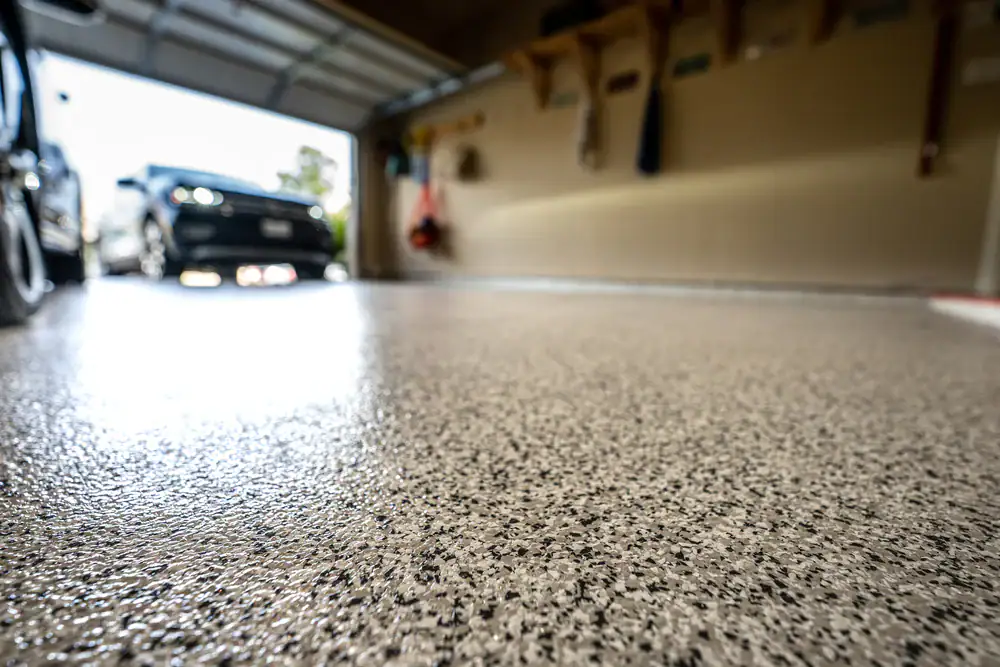
Epoxy Garage Floor Coating That Lasts
Your garage floor takes a beating. Oil stains from your car. Spills from weekend projects. Water tracked in during Miami Gardens’ afternoon storms. Left untreated, concrete absorbs all of it, creating permanent stains and cracks that get worse every year.
A professional epoxy floor coating changes that. You get a seamless surface that repels oil, chemicals, and water instead of soaking them in. Cleaning becomes a quick mop job, not a scrubbing session with diminishing returns.
The difference shows up in how your space looks and functions. No more embarrassment when you open the garage door. No more worrying about resale value taking a hit because your floor looks like it’s been through a war. Just a clean, protected surface that holds up to real use.
This matters in Miami Gardens because humidity destroys cheap solutions fast. Moisture vapor rises through concrete here year-round. Without proper prep and commercial-grade materials, coatings fail. You’ve probably seen it—peeling edges and bubbles within months. That’s not a coating problem, it’s an installation problem.
Trusted Epoxy Flooring Contractors Miami Gardens
We handle epoxy and concrete work for residential and commercial clients across South Florida. We’ve installed floors for the Coast Guard, US Military facilities, City of Doral, City of Sunny Isles, and multiple schools and county projects. That’s not name-dropping, it’s context. Government contracts require accountability, proper licensing, and work that actually lasts.
We bring that same approach to your garage. You get the same moisture testing, surface prep, and commercial-grade Sherwin Williams and Fosroc materials we use on institutional projects. No shortcuts, no cheap substitutes.
Miami Gardens homeowners deal with unique challenges. High humidity, frequent rain, and heat that never quits. Your garage floor needs to handle all of it without breaking down. We’ve been solving these exact problems locally since 2020, and we know what works in this climate versus what fails.
Our Garage Floor Coating Process
First, we test your concrete for moisture. This step separates professional installations from DIY disasters. South Florida concrete holds moisture vapor that causes coatings to bubble and peel if you don’t address it. We measure it, then install vapor barriers if needed.
Next comes surface preparation. We grind or shot-blast your concrete to create the profile epoxy needs to bond permanently. This removes any existing coatings, oils, or contaminants. It’s loud, it’s messy, and it’s absolutely necessary. Skipping this step is why store-bought kits fail.
Then we apply the epoxy system in layers. Base coat, optional decorative flakes or metallic finish, and a clear topcoat for UV and chemical resistance. Each layer needs specific temperature and humidity conditions to cure properly. We control for Miami Gardens’ climate so you get a floor that bonds correctly and lasts 10 to 20 years.
Most garage projects take 24 to 48 hours from start to finish. You can walk on it within a day, park on it within three. We schedule around your life, not the other way around.

Ready to get started?
Professional Garage Floor Painting Miami Gardens
You get a one-on-one consultation before we start. We look at your floor, explain what’s needed, and give you transparent pricing upfront. No surprises, no upselling once we’re halfway through the job.
The installation includes complete surface preparation, moisture testing, crack repair if needed, and a multi-layer epoxy system with your choice of finish. We use commercial-grade products from Sherwin Williams and Fosroc, the same materials specified for industrial and government projects. These aren’t consumer products repackaged with markup—they’re contractor-grade systems designed for heavy use.
Miami Gardens’ climate demands extra attention. We account for humidity levels, temperature swings, and the moisture vapor that rises through concrete slabs here. That means proper ventilation during application, climate-controlled curing times, and vapor barriers when moisture tests show you need them.
You also get follow-up. We check in after installation to make sure everything’s performing as expected. If you have questions about maintenance or notice anything unusual, you have a direct line to us. We’ve worked with homeowners and institutions across South Florida, and that experience shows up in how we handle your project from consultation through completion.
How much does professional garage epoxy flooring cost in Miami Gardens?
For a standard two-car garage around 400 square feet, expect to invest between $1,200 and $4,800 depending on the system you choose and your floor’s current condition. That breaks down to roughly $3 to $12 per square foot for professional installation.
The range exists because not all floors start in the same condition. If your concrete has significant cracks, oil stains, or previous coatings that need removal, prep work increases. If moisture testing shows high vapor transmission, you need a barrier system. These aren’t upsells—they’re requirements for installations that don’t fail.
Cheaper quotes usually mean corners cut on prep or materials. You’ll see the difference in six months when edges start peeling. Higher-end pricing typically includes decorative metallic finishes or specialized topcoats for extreme chemical resistance. We price transparently during consultation so you know exactly what you’re getting and why it costs what it does.
Why do DIY epoxy kits from home improvement stores fail so often here?
Miami Gardens’ humidity kills DIY garage floor coatings because moisture vapor rises through concrete constantly in this climate. Store-bought kits don’t include moisture testing or vapor barriers. You’re applying a coating over concrete that’s actively releasing moisture, which causes bubbling and delamination within months.
Surface prep is the other failure point. Those kits assume your concrete is clean and profiled correctly. It’s not. Garage floors have oil contamination, existing sealers, and smooth surfaces that epoxy can’t grip. Without professional grinding or shot-blasting, you’re just laying a coating on top of contaminants. It might look good for a few weeks, but it won’t bond permanently.
The products themselves are also formulated differently. Consumer epoxy has lower solids content and shorter pot life, making it more forgiving for inexperienced applicators but less durable long-term. Commercial systems require precise mixing ratios and application techniques, but they create chemical bonds that last decades instead of months.
How long does garage epoxy flooring actually last in South Florida?
Professional installations using commercial-grade materials last 10 to 20 years in Miami Gardens with basic maintenance. That’s not marketing speak—it’s what happens when you install correctly for this climate. The key factors are proper moisture mitigation, thorough surface prep, and UV-stable topcoats that handle Florida sun exposure.
Lifespan depends partly on use. A garage that sees two cars daily, occasional projects, and normal foot traffic will hit that 15 to 20 year mark easily. If you’re running a workshop with heavy equipment, chemical spills, or constant abrasion, expect the lower end of that range before you need a refresh coat.
Maintenance extends life significantly. Sweep regularly to prevent dirt from acting as sandpaper under tires. Clean spills promptly, though epoxy resists most automotive fluids without staining. Use pH-neutral cleaners, not harsh degreasers that can dull the finish over time. Follow those basics and your floor will outlast most other garage improvements you make.
What’s the difference between epoxy and other garage floor coatings?
Epoxy creates a chemical bond with concrete through a reaction between resin and hardener. It’s not sitting on top of your floor—it’s bonded into the surface. That’s why properly installed epoxy doesn’t peel. It would have to break the concrete itself to come up. Other coatings like paint or acrylic sealers just sit on the surface and wear off with traffic.
Polyaspartic and polyurea coatings are newer alternatives that cure faster and handle UV exposure better than epoxy. They’re excellent for South Florida but typically cost more. For most garage applications, a high-quality epoxy system with a polyaspartic or polyurea topcoat gives you the best balance of durability, appearance, and cost.
Concrete stains and dyes are another category entirely. They color the concrete but don’t protect it. You’d still need a sealer on top, and you’re back to a coating that wears off rather than bonds permanently. For garage floors that see real use, epoxy-based systems remain the standard because they combine protection, durability, and appearance in one application.
Can you install epoxy flooring over my existing garage floor coating?
Sometimes, but usually it’s better to remove what’s there. If your existing coating is failing, peeling, or poorly bonded, anything we put over it will only be as strong as that weak layer underneath. We’d essentially be guaranteeing a future failure.
If your current coating is fully intact, well-bonded, and compatible with epoxy, we can profile it and coat over it. That requires testing and proper surface prep to ensure new material bonds to old. It’s less common than you’d think because most existing coatings have contamination, wear patterns, or adhesion issues that make removal the smarter choice.
Removal adds cost and time, but it eliminates the risk of your new floor failing because of what was underneath. We use grinders or shot-blasters to take everything down to bare concrete, then start fresh. You get a floor that’s only as good as the prep work that went into it, and that means starting with a clean slate when the existing coating isn’t up to standard.
How soon can I use my garage after epoxy installation?
You can walk on your new epoxy floor within 24 hours in most cases. Light foot traffic won’t damage properly cured epoxy after that initial set period. For parking vehicles, wait 72 hours minimum, though we typically recommend a full week if you can manage it.
Cure time depends on temperature and humidity during application. Miami Gardens’ heat actually speeds chemical curing, but high humidity can slow it. We adjust our systems and schedule installations when conditions are optimal. Rushing this process by parking too early can leave tire marks or create surface imperfections that become permanent.
Full chemical cure takes about seven days. That’s when your floor reaches maximum hardness and chemical resistance. You won’t damage it by using it sooner, but giving it that full week means you get the complete durability you paid for. We’ll give you specific timing based on the system we install and conditions during your project.
Other Services we provide in Miami Gardens
Leave a Reply