


Garage Epoxy Flooring in Newport Isles, FL
Floors That Actually Hold Up in Florida
Hear from Our Customers
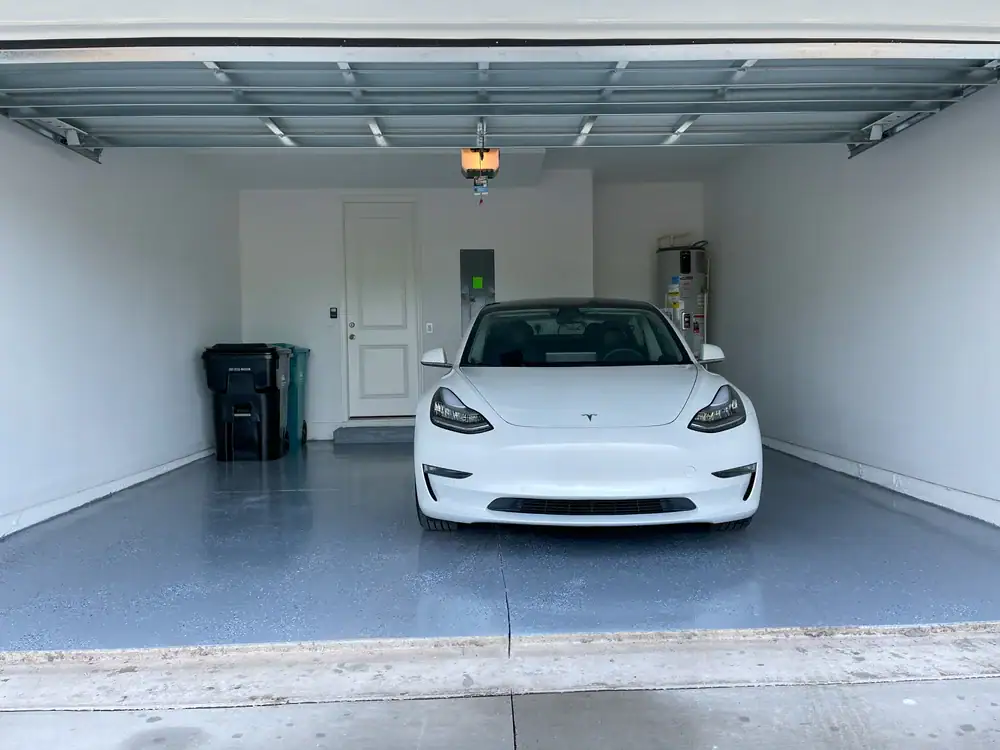
Epoxy Garage Floor Coating Newport Isles
A garage floor that doesn’t bubble when Florida humidity spikes. No peeling when you park a hot car on it in August. No constant resealing or patching cracks every six months.
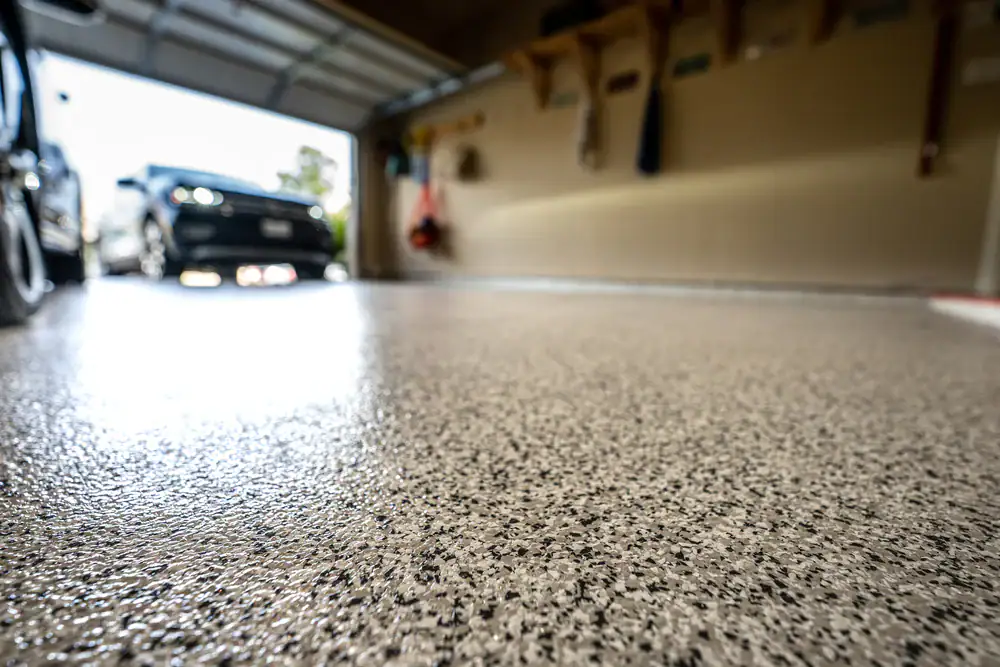
You get a surface that resists oil stains, handles dropped tools without chipping, and cleans up with a mop and water. The finish stays intact through storms, salt air, and the kind of moisture that ruins standard concrete in under five years.
Most epoxy garage flooring installations in Newport Isles last 10 to 20 years with basic maintenance. That’s because the coating bonds directly to prepared concrete and creates a sealed barrier against moisture vapor—the main reason cheaper coatings fail in South Florida. You’re not repainting. You’re not calling someone back in two years. You’re using your garage the way you need to without worrying about the floor underneath.
Newport Isles Epoxy Flooring Contractors
SPF Industrial has been installing epoxy floor coatings and polished concrete across South Florida since 2020. We’re veteran-owned, and we’ve completed projects for the U.S. Coast Guard, the U.S. Army, the City of Doral, the City of Sunny Isles, and multiple county facilities.
That means we’re used to specs, inspections, and floors that need to perform under real pressure. We bring that same standard to residential garage floors in Newport Isles, FL—transparent pricing, direct communication, and materials from Sherwin Williams and Fosroc that are built for Florida’s climate.
We’re not the cheapest option. But we’re the one that shows up with the right prep equipment, applies coatings at the correct temperature and humidity levels, and doesn’t cut corners on moisture mitigation. Because in South Florida, that’s what separates a five-year floor from a five-month failure.
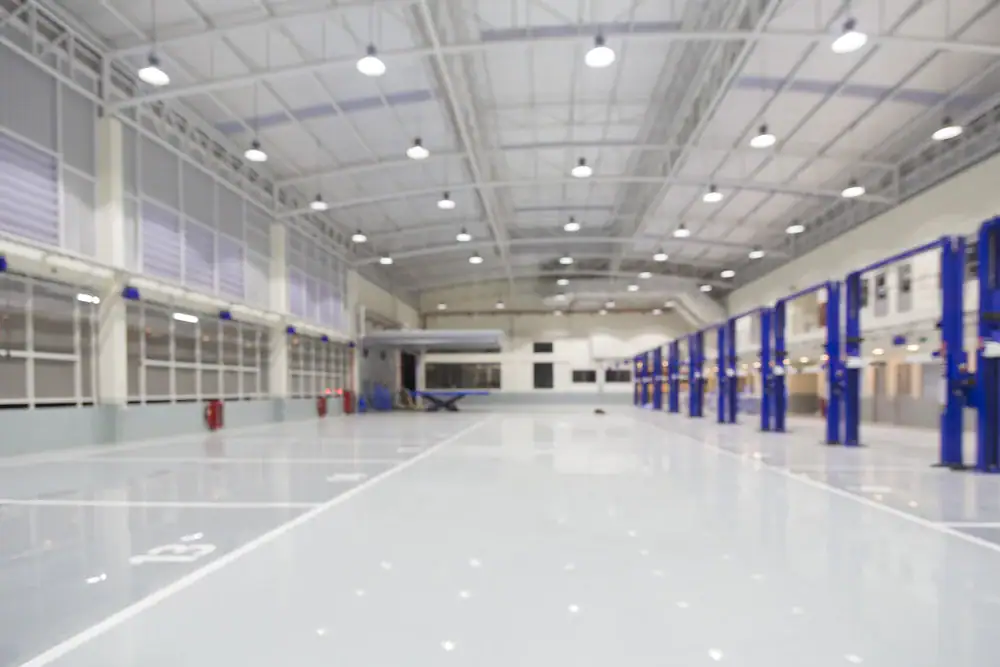
Garage Floor Coating Installation Process
First, we assess your concrete slab for moisture vapor emissions. Florida slabs can push 8 to 20 pounds of moisture vapor through the surface, and if that’s not addressed, no coating will hold. We test for it. If your slab needs a moisture barrier system, we’ll tell you upfront.
Next is surface prep. We grind or shot-blast the concrete to remove any existing coatings, oils, or contaminants. This also opens the pores of the concrete so the epoxy can bond properly. Skipping this step is why most DIY jobs and cheap installs fail within a year.
Then we apply the epoxy system—usually a primer coat, a base coat, and a topcoat with your choice of color or decorative flake. We work in controlled conditions, monitoring temperature and humidity to ensure proper curing. The entire process typically takes two to three days, and in some cases we can complete smaller jobs in one day if conditions allow. After curing, you’ve got a floor that’s ready for vehicles, equipment, and daily use without babying it.
Ready to get started?
Epoxy Flooring Options Newport Isles FL
Every garage floor coating job includes moisture testing, surface preparation, and a multi-layer epoxy system designed for Florida conditions. You’re not getting a single-coat DIY product. You’re getting industrial-grade materials that we use on commercial and government projects.
We offer solid color finishes, decorative flake patterns, and metallic epoxy options depending on what you’re looking for. All coatings are chemical-resistant, slip-resistant, and UV-stable so they don’t yellow under Florida sun exposure. We also handle any concrete repairs, crack filling, or joint sealing before we coat—because a good finish starts with a solid base.
In Newport Isles, most residential garages run between $3 and $12 per square foot depending on the system and finish you choose. That typically translates to $2,500 to $7,500 for a standard two-car garage. Higher-end metallic or decorative systems cost more, but they also add measurable resale value—usually between $2,000 and $8,000 for South Florida homes. We’ll walk you through options during a one-on-one consultation so you know exactly what you’re paying for and why.
How long does epoxy flooring last in Florida’s humidity?
Professionally installed epoxy garage flooring lasts 10 to 20 years in Florida when the installation accounts for moisture vapor and surface prep. The key difference is how the concrete is prepared and whether a moisture barrier is used.
Florida’s humidity doesn’t ruin epoxy—it ruins poorly installed epoxy. If the slab isn’t tested for moisture vapor emissions and the coating is applied over a wet or contaminated surface, you’ll see bubbling and peeling within months. That’s why 85% of epoxy failures in South Florida trace back to moisture issues that were ignored during prep.
We test every slab before we coat it. If your concrete is pushing moisture, we use a vapor barrier system that can handle 8 to 20 pounds of MVE. That’s what allows the epoxy to bond and stay bonded, even during Florida’s wet season. With proper prep and the right system, your floor outlasts cheaper coatings by a decade or more.
What’s the difference between DIY epoxy kits and professional installation?
DIY kits don’t include moisture testing, professional-grade surface prep, or the multi-layer systems we use on commercial projects. Most homeowners don’t own a concrete grinder, shot blaster, or moisture meter—so they’re applying a coating over whatever’s already there.
That’s why DIY epoxy jobs show 90% more peeling after five years compared to professional installs. The coating might look fine for six months, but once Florida heat and humidity cycle through a few seasons, the bond fails. You’ll see lifting around the edges, bubbles where hot tires sit, and sections that peel up in sheets.
Professional installation means we’re grinding the concrete to remove contaminants, testing for moisture vapor, repairing cracks, and applying a system that’s designed to flex and bond under real-world conditions. We’re also using Sherwin Williams and Fosroc products—not retail-grade kits. The upfront cost is higher, but you’re not redoing the floor in two years or dealing with a peeling mess that lowers your home’s value.
Can you install epoxy flooring over stained or damaged concrete?
Yes, but the concrete has to be properly repaired and prepped first. Epoxy doesn’t hide damage—it highlights it. If there are cracks, spalling, or oil stains, those need to be addressed before any coating goes down.
We start by grinding or shot-blasting the surface to remove stains, old sealers, and any weak concrete. Cracks get filled and sealed. If there are low spots or surface damage, we’ll use a concrete patching compound to level things out. The goal is to create a clean, sound surface that the epoxy can bond to without any weak points.
In Newport Isles, most garage floors have some level of wear—oil spots from cars, surface cracks from settling, or staining from humidity and salt air. None of that disqualifies your floor from an epoxy coating. It just means the prep work is more involved, and that’s where a professional install makes the difference. Skipping repairs leads to coatings that fail at the weak points, and you end up with a floor that looks worse than when you started.
How soon can I park my car after installation?
Most epoxy garage floor coatings are ready for foot traffic in 24 hours and vehicle traffic in 48 to 72 hours. The exact timeline depends on the system we’re using, the temperature during installation, and how thick the topcoat is.
We don’t rush curing. Florida’s heat can actually speed up the process, but high humidity can slow it down. We monitor conditions throughout the install to make sure each layer cures properly before the next one goes on. If we apply a coating when it’s too hot, too cold, or too humid, it won’t bond correctly—and that’s how you end up with a floor that fails in six months.
For most residential jobs in Newport Isles, we recommend waiting three full days before parking a vehicle, especially if it’s a heavy truck or SUV. Light use is fine sooner, but giving the coating time to fully harden means you’re not risking tire marks, scuffing, or bond failure. If you need a faster turnaround, we can discuss rapid-cure systems, but standard epoxy installations perform better when they’re allowed to cure on schedule.
What maintenance does an epoxy garage floor require?
Regular sweeping and occasional mopping with mild soap and water. That’s it. Epoxy flooring doesn’t need waxing, resealing, or special cleaners. It’s one of the lowest-maintenance surfaces you can install in a Florida garage.
Avoid using harsh chemicals, degreasers with high acid content, or abrasive scrubbing pads. Those can dull the finish over time. For oil spills or tire marks, a standard household cleaner and a soft brush are enough. The coating is chemical-resistant, so most spills wipe up without staining.
If you want to extend the life of the floor even further, you can have a topcoat reapplied every 10 to 15 years. That’s not required—it’s just an option if you want to refresh the gloss or add another layer of protection. Most homeowners in Newport Isles don’t bother. The floor holds up fine with basic cleaning, and because it’s sealed, moisture and humidity can’t penetrate the surface the way they do with bare concrete.
How much does garage epoxy flooring cost in Newport Isles?
Professional epoxy garage flooring in Newport Isles typically runs between $3 and $12 per square foot, depending on the system, finish, and condition of your concrete. A standard two-car garage usually costs between $2,500 and $7,500 for a complete installation.
Solid color epoxy with a clear topcoat is on the lower end. Decorative flake systems, metallic finishes, or jobs that require extensive concrete repair cost more. If your slab has high moisture vapor emissions and needs a barrier system, that adds to the cost—but it’s also what keeps the floor from failing in Florida’s climate.
We give transparent pricing after a one-on-one consultation. We’ll measure your space, test the concrete, and walk you through the options so you know exactly what you’re paying for. No surprises, no upselling. Just a clear breakdown of what the job involves and what you’re getting for the investment. Most homeowners see a return of $2,000 to $8,000 in property value, and the floor pays for itself in durability and maintenance savings over the next 10 to 20 years.
Other Services we provide in Newport Isles
Leave a Reply