


Garage Epoxy Flooring in North Miami Beach, FL
Turn Your Garage Into Showroom-Quality Space
Hear from Our Customers
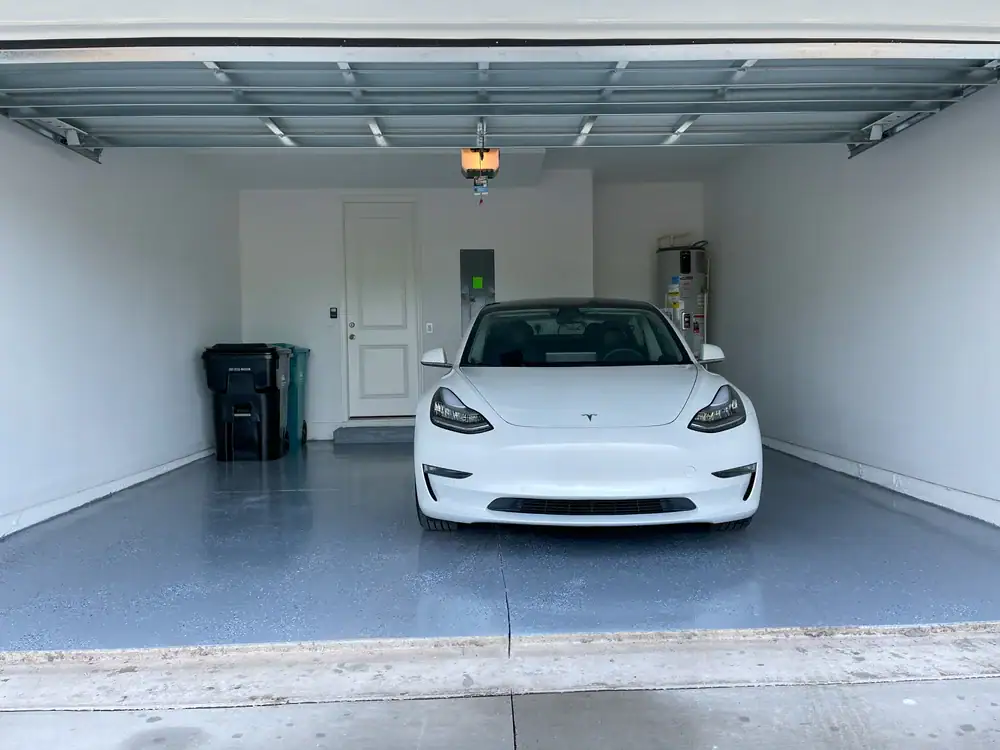
Epoxy Garage Floor Solutions That Last
Your garage floor takes a beating. Hot tires, oil drips, humidity that never quits, and salt air that eats through everything. Most coatings can’t handle it, which is why you see peeling, bubbling, and discoloration within a couple years.
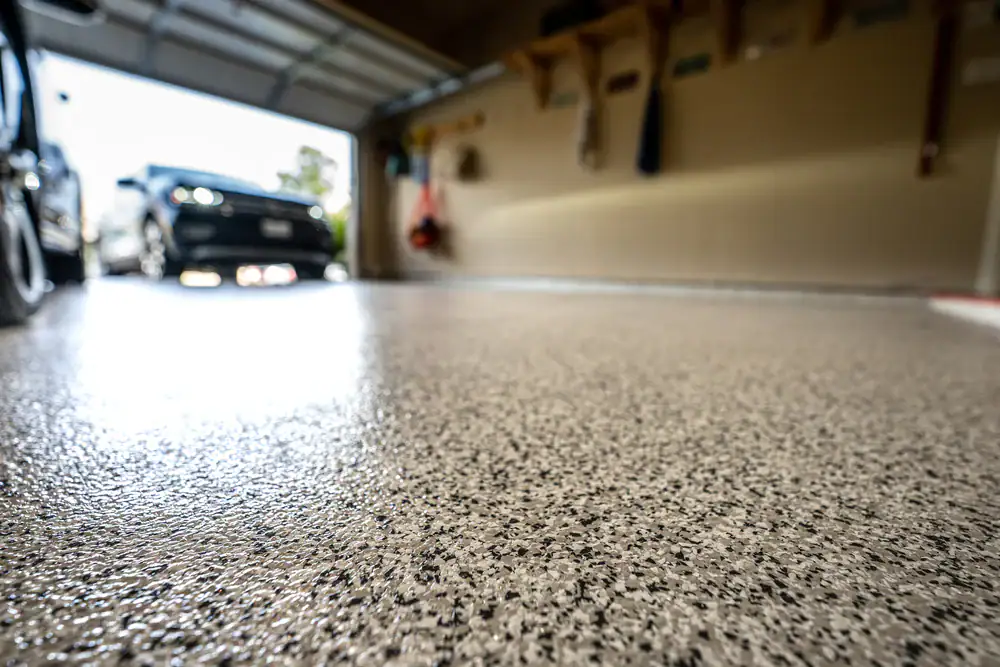
A professionally installed epoxy garage floor changes that. The surface becomes resistant to chemicals, impact, and moisture. It’s easier to clean because spills wipe up instead of soaking in. And it actually looks good – the kind of floor that makes you want to park inside instead of avoiding the space altogether.
North Miami Beach homeowners deal with unique climate challenges that cheap coatings and DIY kits weren’t designed for. When the installation is done right, with proper surface prep and Florida-specific materials, your floor can last 10 to 15 years or more. That’s not marketing talk – that’s what happens when moisture mitigation, quality epoxy, and experienced application all line up.
Veteran-Owned Epoxy Flooring Contractor
We’ve been installing epoxy flooring and polished concrete across South Florida since 2020. We’re veteran-owned, and we’ve worked on projects for the U.S. Coast Guard, Army facilities, the City of Doral, the City of Sunny Isles, and multiple high schools and county buildings.
That experience matters because those jobs don’t tolerate shortcuts. When a military facility or municipal building needs flooring that performs under heavy use and tough conditions, the standards are high. We bring that same level of prep, material quality, and attention to detail to every residential garage floor we install in North Miami Beach.
We work directly with homeowners, not through general contractors. That means you get transparent pricing, straight answers, and someone who shows up when they say they will. If you need a consultation, we’ll walk the space with you and explain what’s involved – no pressure, no runaround.
Our Garage Floor Coating Process
First, we assess your garage floor. We check for cracks, moisture issues, old coatings, and surface contamination. If there’s a moisture problem – and in Florida, there often is – we address it with a moisture-tolerant primer or vapor mitigation system. Skipping this step is why most epoxy jobs fail.
Next comes surface preparation. We grind or shot-blast the concrete to open up the pores and create a clean, textured surface for the epoxy to bond to. This isn’t optional. If the concrete isn’t prepped correctly, the coating won’t stick, no matter how good the product is.
Then we apply the epoxy floor coating. Depending on your needs, that could be a solid color system, a decorative flake system, or a clear topcoat over stained concrete. We use high-solids epoxy and UV-resistant sealants that are built for Florida’s sun and humidity. Most garage floors are ready to walk on within 24 hours and fully cured for vehicle traffic within a couple days.
We also offer safety line striping, resurfacing, and polished concrete if your project goes beyond a standard epoxy garage floor. Every job gets a follow-up call to make sure everything is holding up the way it should.
Ready to get started?
What’s Included in Garage Epoxy Flooring
When we install an epoxy garage floor in North Miami Beach, the service includes a full surface evaluation, moisture testing, and concrete repair if needed. We don’t just roll product over whatever’s there and hope it sticks.
You’ll get professional-grade materials – we work with Sherwin Williams and Fosroc products that are designed for commercial and industrial use. These aren’t the same coatings you’ll find in a big box store. They’re thicker, more durable, and formulated to handle Florida’s climate, which means high humidity, intense UV exposure, and temperature swings that cause cheaper coatings to fail.
The process also includes proper ventilation and curing time. We don’t rush jobs to move on to the next one. If your garage needs a 24-hour cure before you can park on it, that’s what we’ll tell you – and that’s what we’ll do. Most residential garage floor coatings are fully installed within one to two days, depending on the size and condition of the space.
We also handle safety striping, custom color options, and decorative flake systems if you want something beyond a standard finish. And if you’re a veteran, senior, or new client, ask about available discounts during your consultation.
How long does epoxy flooring last in Florida’s climate?
A professionally installed epoxy garage floor in Florida should last 10 to 15 years, sometimes longer with proper care. The key is moisture mitigation and surface prep. Florida’s humidity is brutal on coatings, and if moisture vapor is moving through your concrete slab, it will create pressure under the epoxy and cause it to lift or bubble.
That’s why we test for moisture before every installation. If there’s a vapor issue, we use moisture-tolerant primers or mitigation systems to stop it from becoming a problem later. We also use high-solids epoxy and UV-resistant topcoats that are built to handle Florida’s sun and heat, which break down cheaper coatings over time.
DIY kits and low-grade contractor work often fail within 18 to 36 months because they skip these steps. You’re not just paying for the coating – you’re paying for the prep work and materials that make sure it actually lasts.
What’s the difference between epoxy and other garage floor coatings?
Epoxy is a two-part resin system that chemically bonds to concrete, creating a hard, durable surface. It’s thicker and more impact-resistant than paint or single-part coatings, which just sit on top of the concrete and wear off quickly. Epoxy floor coating also resists chemicals like oil, gas, and salt better than most alternatives.
Other options like polyurea or polyaspartic coatings cure faster and are more UV-stable, but they’re also more expensive. For most residential garages in North Miami Beach, a high-quality epoxy system with a UV-resistant topcoat gives you the best balance of durability, appearance, and cost.
Garage floor painting is the cheapest option, but it’s also the weakest. Paint doesn’t bond the same way epoxy does, and it won’t hold up to hot tires, heavy traffic, or Florida’s humidity. If you’re looking for something that lasts, epoxy or a polyaspartic topcoat over epoxy is the way to go.
Can you install epoxy over my existing garage floor coating?
Sometimes, but not always. If your existing coating is peeling, bubbling, or poorly bonded, we’ll need to remove it completely before installing new epoxy. Putting a new coating over a failing one just means the new layer will fail too, usually faster than the original.
We start by testing the bond strength of whatever’s already there. If it’s solid and well-adhered, we can sometimes prep the surface and coat over it. But in most cases, especially with DIY kits or old garage floor coatings that were installed without proper prep, removal is the smarter move.
The good news is that we handle that process as part of the job. We’ll grind or blast off the old coating, address any underlying moisture or damage, and then install the new epoxy system the right way. It adds a little time and cost upfront, but it’s the only way to make sure the new floor actually lasts.
How much does garage epoxy flooring cost in North Miami Beach?
Most residential epoxy garage floors in North Miami Beach run between $5 and $15 per square foot, depending on the condition of your concrete, the type of system you choose, and whether any repairs or moisture mitigation are needed. A standard two-car garage is usually around 400 to 600 square feet, so you’re looking at $2,000 to $9,000 for a complete installation.
That range accounts for different levels of finish. A basic solid-color epoxy system with a clear topcoat is on the lower end. Decorative flake systems, metallic epoxies, or jobs that require extensive surface repair or moisture treatment will cost more.
We give transparent pricing during the consultation. We’ll walk your garage, test the slab, and give you an upfront estimate based on what your specific floor needs – not a generic quote that changes later. If you’re comparing bids, make sure the other contractors are including surface prep, moisture testing, and quality materials. The cheapest bid usually means someone’s cutting corners.
How do I maintain an epoxy garage floor after installation?
Maintenance is simple. Sweep or blow off dirt and debris regularly so it doesn’t get ground into the surface. For deeper cleaning, use a mop with warm water and a mild detergent – nothing acidic or abrasive. Avoid using harsh chemicals or degreasers unless they’re specifically rated as safe for epoxy.
If you spill oil, gas, or other chemicals, wipe them up quickly. Epoxy resists these substances well, but leaving them sitting for days isn’t ideal. For tougher stains, a soft brush and some soapy water usually does the job.
Over time, you might notice some dulling in high-traffic areas, especially near the garage door where UV exposure is strongest. That’s normal. A fresh topcoat every five to seven years will bring back the shine and add another layer of protection. We can handle that when the time comes, and it’s a fraction of the cost of a full reinstall.
Why do so many DIY epoxy kits fail in Florida?
Because they’re not designed for Florida’s climate, and most people don’t have the equipment or experience to prep the concrete correctly. Over 70% of DIY epoxy installations fail within 18 to 36 months, and the main reasons are moisture, poor surface prep, and low-quality coatings.
Florida’s humidity means there’s almost always moisture vapor moving through your concrete slab. If you don’t test for it and address it with a primer or mitigation system, that vapor will push up under the epoxy and cause it to bubble or peel. DIY kits don’t include moisture testing or mitigation products – they assume your slab is dry, which it almost never is.
Surface prep is the other issue. Concrete needs to be ground or shot-blasted to create a rough profile that the epoxy can bond to. Most DIYers use an acid etch or just clean the floor, which isn’t enough. Without proper prep, the coating doesn’t bond, and it starts lifting as soon as you park a hot car on it or expose it to any stress. Professional installation costs more upfront, but it’s cheaper than redoing a failed DIY job a year later.
Other Services we provide in North Miami Beach
Leave a Reply