


Garage Epoxy Flooring in North Miami, FL
A Garage Floor That Actually Survives Florida
Hear from Our Customers
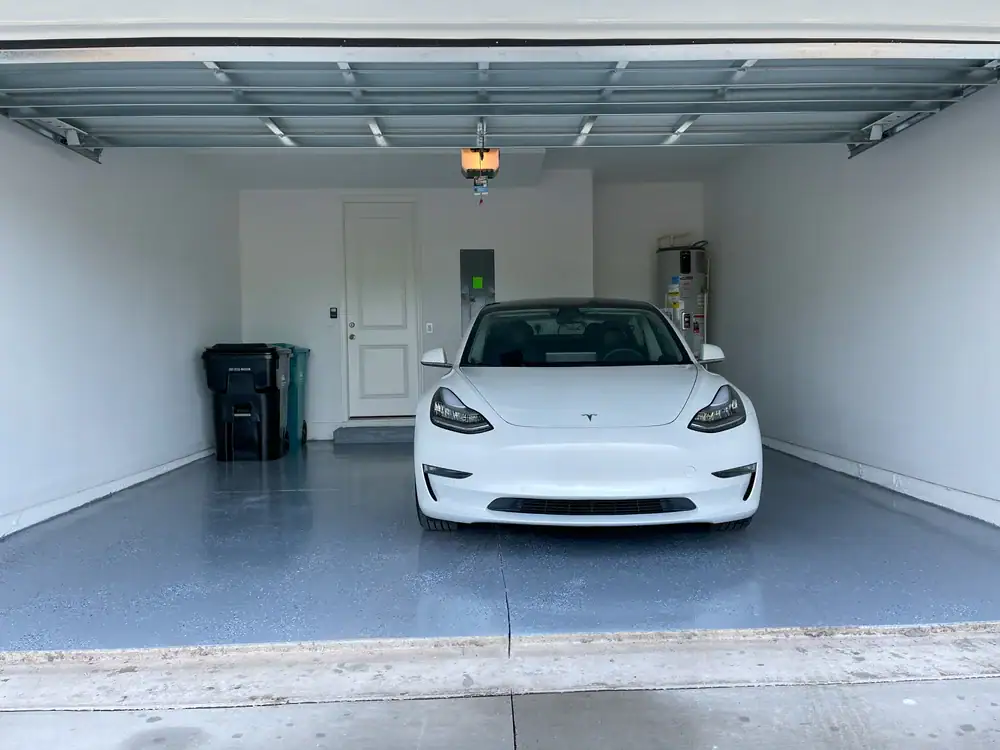
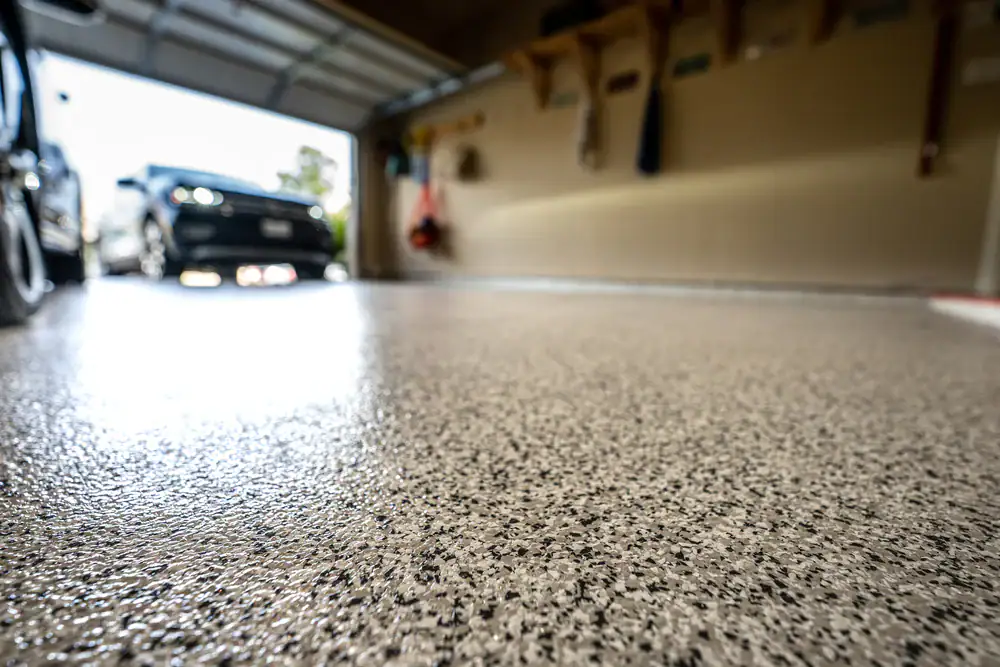
Epoxy Garage Floor Coating North Miami
You’ll have a floor that doesn’t collect oil stains or grow mold in the corners. Rain gets tracked in, you hose it down, and it dries clean. No slippery spots when it’s wet outside.
The coating holds up under hot tires in August and doesn’t crack when your AC drips condensation all summer. You’re not repainting in two years or dealing with peeling edges around the door threshold.
If you sell later, buyers notice. A finished garage floor signals the home was maintained, not just lived in. It’s one of those upgrades that pays you back without you having to explain why it matters.
Epoxy Flooring Contractors North Miami FL
We’ve been installing epoxy floors since 2020 across South Florida. We’ve worked with the U.S. Army, Coast Guard facilities, City of Doral, City of Sunny Isles, and county schools—projects where the floor can’t fail after six months.
North Miami homeowners deal with the same humidity and heat those facilities do. Your garage might not see military equipment, but it sees Florida weather every single day. We use the same moisture-resistant primers and high-solids epoxy systems whether it’s a government building or your two-car garage.
We don’t subcontract the prep work. Our crew grinds the concrete, patches the cracks, tests for moisture, and applies every layer. You get one team, one timeline, and one phone number if something needs attention later.
Professional Garage Floor Coating Process
We start by grinding the concrete surface mechanically. This opens the pores so the epoxy can bond at a chemical level, not just sit on top. Most failures happen because someone skipped this step or used an acid wash that doesn’t cut deep enough.
Next, we patch any cracks or uneven spots and run a moisture test. Florida concrete holds water like a sponge. If the slab is too wet, we’ll tell you before we coat it—not after it bubbles. We use moisture-tolerant primers when needed, especially during rainy months.
Then we apply the epoxy system in layers. First coat seals and bonds. Second coat builds thickness. Top coat adds UV resistance and the finish you picked—high-gloss, satin, or slip-resistant texture. The whole process takes one to two days depending on your square footage. You can park on it 24 to 48 hours after we finish.

Ready to get started?
Garage Floor Painting North Miami FL
You’re getting mechanical surface prep, crack repair, moisture testing, and a multi-layer epoxy system rated for Florida’s climate. We use Sherwin Williams and Fosroc products—commercial-grade materials that handle heat, humidity, and chemicals without breaking down.
The coating resists gasoline, oil, brake fluid, and most household cleaners. It won’t stain when you spill something or grow mold if water sits overnight. North Miami’s humidity during summer can hit 80% or higher. Standard DIY kits weren’t formulated for that. Ours were.
We also offer custom colors, flake blends, and metallic finishes if you want the floor to look sharp, not just functional. Some clients add slip-resistant texture near the entry or around wet zones. Others go full gloss because they want the garage to feel like an extension of the house. You decide the look. We make sure it holds up.
If you need line striping for parking guides or safety zones, we handle that too. One crew, one project, no coordinating between different contractors.
How long does epoxy flooring last in Florida’s humidity and heat?
A properly installed epoxy garage floor lasts 10 to 20 years in Florida, even with high humidity and summer heat. The key is moisture-resistant prep and using epoxy formulas designed for wet climates.
Most failures you see—bubbling, peeling, discoloration—happen because the installer didn’t test for moisture or used a coating meant for dry climates. Florida concrete sweats. If you seal over that moisture without addressing it, the coating lifts within months.
We use moisture-tolerant primers when the slab needs it and high-solids epoxy that bonds chemically, not just mechanically. That’s why our floors stay down through rainy season, summer heat, and daily use. You’re not redoing this in three years.
Will my garage floor be slippery when it rains or gets wet?
Standard high-gloss epoxy can get slippery when wet, which is a real concern in Florida. We add slip-resistant texture to the top coat if you want traction, especially near doorways or areas that see water.
The texture doesn’t ruin the look. It’s a fine aggregate mixed into the final layer that gives your shoes grip without making the floor rough or hard to clean. You still get the durability and stain resistance of epoxy, just with better footing when someone tracks in rain or a drink spills.
Some clients skip the texture if their garage stays dry or they prefer the full gloss finish. It’s your call. We just make sure you know the trade-off before we start so there’s no surprise the first time it gets wet.
Can you fix a garage floor that’s already peeling or damaged?
Yes. We strip the old coating, grind the concrete back to a clean surface, and reapply the epoxy system correctly. Most peeling happens because the original installer didn’t prep the slab or used the wrong product for Florida.
If the concrete itself is cracked or settling, we address that first. Epoxy won’t fix structural problems, but it will cover surface cracks and minor imperfections once we patch and level them. You’ll end up with a floor that looks new and actually bonds this time.
The process takes about the same amount of time as a fresh install—one to two days depending on how much prep is needed. We’ve redone plenty of DIY jobs and cheap contractor work. It’s fixable, you just need someone who knows what went wrong the first time.
What’s the difference between epoxy and the kits sold at hardware stores?
DIY kits use water-based or low-solids epoxy that’s easier to apply but doesn’t hold up in Florida’s climate. They’re thinner, less durable, and not formulated for high humidity or heat. Most fail within a year or two.
Professional-grade epoxy has higher solids content, which means more actual resin and less filler. It bonds deeper, resists chemicals better, and handles temperature swings without cracking or yellowing. The application process is also more involved—mechanical grinding, moisture testing, multiple coats—which is why most homeowners don’t DIY it successfully.
You’ll spend $200 to $400 on a kit, then redo it in 18 months. Or you’ll invest in a professional install once and not think about it for a decade. The math makes sense if you plan to stay in the house or want the garage to add value when you sell.
How soon can I park my car after the epoxy is applied?
You can walk on the floor after 24 hours and park your car after 48 hours. Full cure takes about seven days, but the surface is hard enough for normal use within two days.
We schedule most jobs so you’re not without your garage for long. If you need faster turnaround, we can adjust the timeline depending on the coating system and temperature. Hotter weather speeds up cure time. Cooler or more humid conditions slow it down slightly.
Don’t put heavy equipment or jack stands on the floor for the first week. Light traffic is fine, but the epoxy is still hardening at a chemical level during that time. After seven days, it’s fully cured and you can use the space however you normally would—park, store, work, whatever.
Do you offer any warranties or guarantees on your epoxy floors?
Yes. We stand behind the installation and materials. If the floor fails due to improper prep or product defect, we’ll fix it. What we don’t cover is damage from improper use—like dragging metal across the surface or using harsh solvents not rated for epoxy.
Most issues that come up in the first year are related to moisture we couldn’t detect during install or settling in newer homes. We’ll come back, assess what happened, and make it right if it’s on our end. If it’s a concrete issue or something outside our control, we’ll walk you through options.
We’ve been doing this since 2020 and worked on military and municipal projects where accountability matters. Your garage floor isn’t different. If we install it, we own the result. You shouldn’t have to chase us down if something goes wrong.
Other Services we provide in North Miami
Leave a Reply