


Garage Epoxy Flooring in Northport Village, FL
Florida-Grade Garage Floors That Actually Last
Hear from Our Customers
Epoxy Garage Floor Solutions for Northport Village
Your concrete is absorbing moisture right now. In Northport Village, that’s not a minor issue—it’s the reason garage floors crack, stain, and deteriorate faster here than almost anywhere else in the country.
Florida’s water table pushes moisture up through your slab. The humidity traps it there. Temperature swings make it expand and contract. That cycle destroys unprotected concrete, and it happens whether you see it or not.
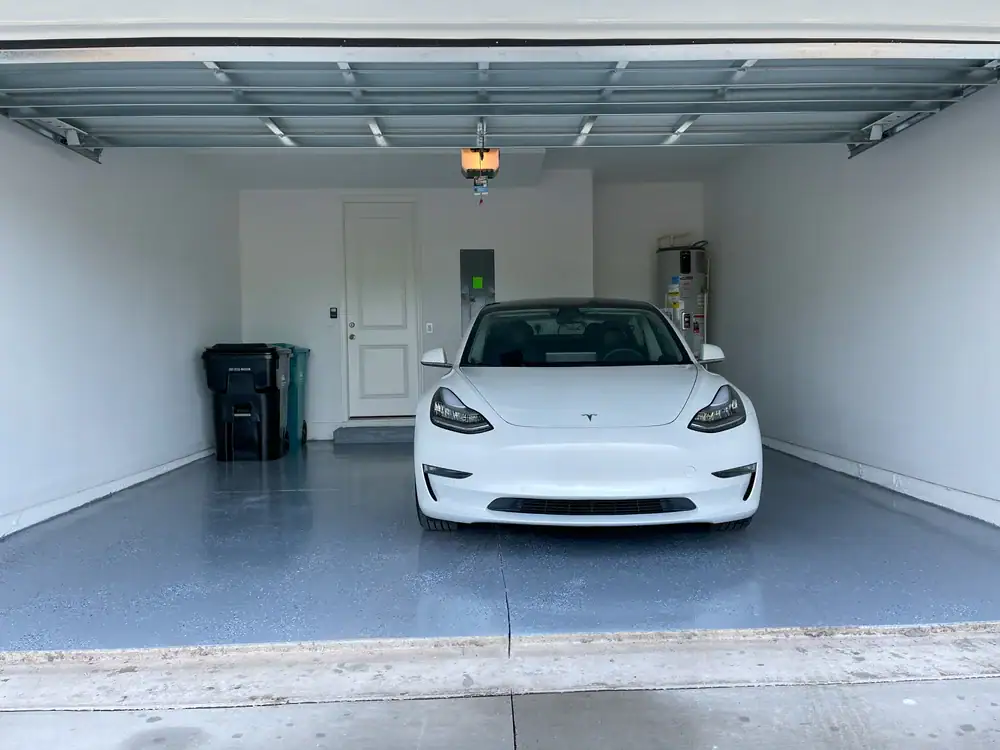
A professional epoxy garage floor stops that process. The coating seals the surface completely, blocking moisture infiltration and chemical damage. Hot tire marks don’t stick. Oil spills wipe clean. The floor you park on today will look the same in fifteen years.
You’re not just covering concrete. You’re ending the maintenance cycle. No more staining, no more resurfacing, no more wondering if the next rainstorm will make things worse. Just a garage floor that works the way it should from day one.
Epoxy Flooring Contractors Serving Northport Village
We’ve been installing epoxy floor coatings across South Florida since 2020. We’re a veteran-owned operation that’s worked with the Coast Guard, US Army, City of Doral, City of Sunny Isles, and county facilities throughout the region.
That portfolio matters because government work requires precision. There’s no room for shortcuts, no tolerance for callbacks, and no second chances when a floor fails. We’ve built our reputation on installations that perform exactly as specified.
We serve Northport Village and the surrounding areas with the same approach we use on municipal projects: proper surface prep, professional-grade materials from manufacturers like Sherwin Williams and Fosroc, and installation methods that account for Florida’s demanding climate. You get the same system we’d install at a military facility—because that’s the only system we install.
Our Garage Floor Coating Process
We start with surface preparation. That means grinding or shot-blasting your concrete to open the pores and remove any existing coatings, contaminants, or weak surface material. This step determines whether your floor lasts two years or twenty.
Next, we test for moisture. Florida’s humidity requires active management during installation, so we use dehumidification equipment and monitor relative humidity throughout the process. If the conditions aren’t right, we don’t proceed—because forcing an installation in poor conditions guarantees failure.
Once the surface is prepped and conditions are optimal, we apply the epoxy system in layers. We’re using 100% solid epoxy formulations, not the paint-with-epoxy-additive products sold at big box stores. These are industrial-grade coatings designed for chemical resistance, thermal stability, and long-term adhesion.
Most garage floor installations finish in one to two days. You can walk on the surface within hours. Full cure takes longer, but you’re not waiting weeks to use your garage. The floor goes down fast because we’re not learning on your property—we’ve done this hundreds of times, and the process is dialed in.
Ready to get started?
Garage Floor Coatings Built for Florida
Every garage epoxy flooring project includes complete surface preparation, moisture testing, and a multi-layer epoxy urethane system rated for Florida’s climate. We’re not using residential-grade products. These are the same coatings we install in commercial kitchens, warehouses, and government facilities.
You’re getting chemical resistance that handles gasoline, oil, brake fluid, and cleaning solvents without staining or etching. You’re getting thermal resistance that prevents hot tire marking—a common problem with painted or lower-grade coatings. And you’re getting a non-porous surface that won’t absorb moisture, even during Northport Village’s wettest months.
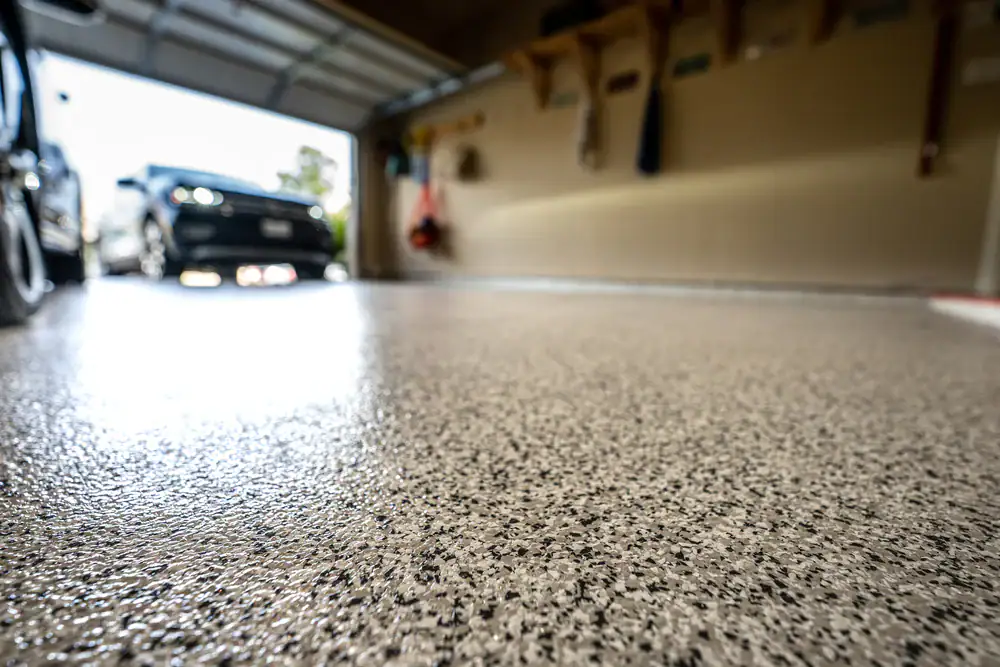
The finish options vary depending on your needs. Solid colors provide a clean, uniform look. Decorative flake systems add texture and hide minor imperfections. Metallic epoxy creates a high-end, showroom appearance. All of them deliver the same underlying performance.
We also handle any necessary repairs before installation. Cracks get filled and stabilized. Low spots get leveled. If your slab has existing damage, we address it properly—not just cover it up and hope the problem doesn’t resurface. That’s how floors fail, and it’s why we don’t skip steps.
How long does garage epoxy flooring last in Florida’s climate?
A professionally installed epoxy garage floor will perform for fifteen years or more in Florida. That’s not marketing language—it’s what happens when you use industrial-grade materials and proper installation methods.
The difference between a fifteen-year floor and a three-year floor comes down to three factors: surface preparation, material quality, and climate management during installation. DIY kits and budget installations fail because they compromise on all three. The concrete isn’t properly profiled, so adhesion is weak. The coating is paint-based rather than 100% epoxy, so it can’t handle thermal stress or chemical exposure. And there’s no moisture management, so trapped humidity causes delamination.
We control all three variables. The surface gets mechanically prepared to the correct profile. We use only commercial-grade epoxy systems from manufacturers like Laticrete and Fosroc. And we monitor humidity levels throughout installation, using dehumidification equipment when necessary. That’s why our floors last.
What’s the difference between professional epoxy and store-bought kits?
Store-bought garage floor painting kits are essentially paint with a small epoxy additive. Professional systems are 100% solid epoxy formulations—completely different products with completely different performance characteristics.
The paint-based products can’t handle Florida’s heat. When your car sits in the sun and you drive into the garage, those hot tires will mark or even lift a painted surface. They also can’t resist chemicals. A small oil drip becomes a permanent stain because the coating is porous. And they don’t bond properly to concrete that hasn’t been mechanically prepared, which is why you see peeling within the first year.
Professional epoxy floor coating systems are engineered for industrial use. They’re the same products used in commercial kitchens, manufacturing facilities, and airplane hangars. They’re designed to handle thermal cycling, chemical exposure, heavy loads, and moisture infiltration. The difference in performance isn’t marginal—it’s the difference between a floor that lasts two years and one that lasts twenty.
How much does epoxy garage flooring cost in Northport Village?
Most residential garage floor coatings in Northport Village run between $3 and $12 per square foot, depending on the system you choose and the condition of your existing concrete. A standard two-car garage typically ranges from $1,800 to $4,500 installed.
That price includes surface preparation, repairs if needed, the epoxy system itself, and professional installation. It doesn’t include decorative upgrades like metallic finishes or custom colors, which add to the cost but deliver a higher-end appearance.
The cheapest option is rarely the best value. A $1,500 installation that fails in three years costs more in the long run than a $3,500 installation that lasts fifteen. You’re not just paying for materials—you’re paying for proper surface prep, climate-controlled installation, and a team that’s done this work on government and military facilities. That experience matters, especially in Florida where moisture and heat create conditions that destroy inferior installations.
Can epoxy flooring handle Florida’s humidity and moisture issues?
Yes, but only if it’s installed correctly. Florida’s humidity is the primary reason garage floors fail, and it’s why professional installation matters more here than in drier climates.
Moisture moves up through your concrete slab from below. That’s not condensation—it’s hydrostatic pressure from Florida’s high water table. If you apply epoxy over a damp surface or in high-humidity conditions, the coating won’t bond properly. Trapped moisture causes bubbling, delamination, and eventual failure.
We manage this by testing moisture levels before installation and controlling the environment during the curing process. If humidity is too high, we use dehumidification equipment. If the slab is releasing too much moisture, we address it with a moisture-mitigating primer. And we don’t install when conditions aren’t right, even if it delays the project. Forcing an installation in poor conditions guarantees problems, and we’re not interested in callbacks or failures. The floor either goes down correctly, or it doesn’t go down at all.
How long does installation take and when can I use my garage?
Most garage floor installations complete in one to two days. You can walk on the surface within a few hours of completion, though full cure takes about a week.
Day one involves surface preparation—grinding or shot-blasting the concrete, making any necessary repairs, and cleaning the surface. That’s the longest part of the process and also the most important. If the prep work isn’t done right, nothing else matters.
Day two is when the epoxy goes down. We apply the base coat, broadcast any decorative flakes if you’ve chosen that option, and then apply the topcoat. The floor is walkable within hours, but we recommend waiting 24 hours before light foot traffic and 72 hours before parking vehicles. Full chemical resistance and hardness develop over the first week.
If you need faster turnaround, we offer rapid-cure systems that can be back in service within 24 to 48 hours. We use these for commercial kitchens and facilities that can’t afford extended downtime. They cost slightly more, but the performance is identical—you’re just paying for the faster cure time.
Will hot tires damage my epoxy garage floor?
Not if you’re using a professional epoxy floor coating system. Hot tire marking is a common problem with painted floors and low-grade coatings, but it doesn’t affect properly installed industrial epoxy.
The issue happens when tires heated by Florida’s sun come into contact with a surface that can’t handle thermal stress. Paint-based coatings soften under heat, allowing the tire to leave a mark or even pull up the coating. Cheaper epoxy products don’t have the thermal stability to resist this.
Professional-grade epoxy systems are formulated for thermal cycling. They’re used in warehouses where forklifts operate continuously and in parking structures where hot tires are a constant factor. The coating doesn’t soften, doesn’t mark, and doesn’t degrade from heat exposure. Your car can sit in the sun all day, and when you pull into the garage, the floor won’t show it. That’s not a special feature—it’s basic performance for an industrial coating. It’s only remarkable because so many residential products fail this test.
Other Services we provide in Northport Village
Leave a Reply