


Garage Epoxy Flooring in Pinecrest, FL
A Garage Floor That Actually Lasts in Florida
Hear from Our Customers
Epoxy Garage Floor Installation Pinecrest
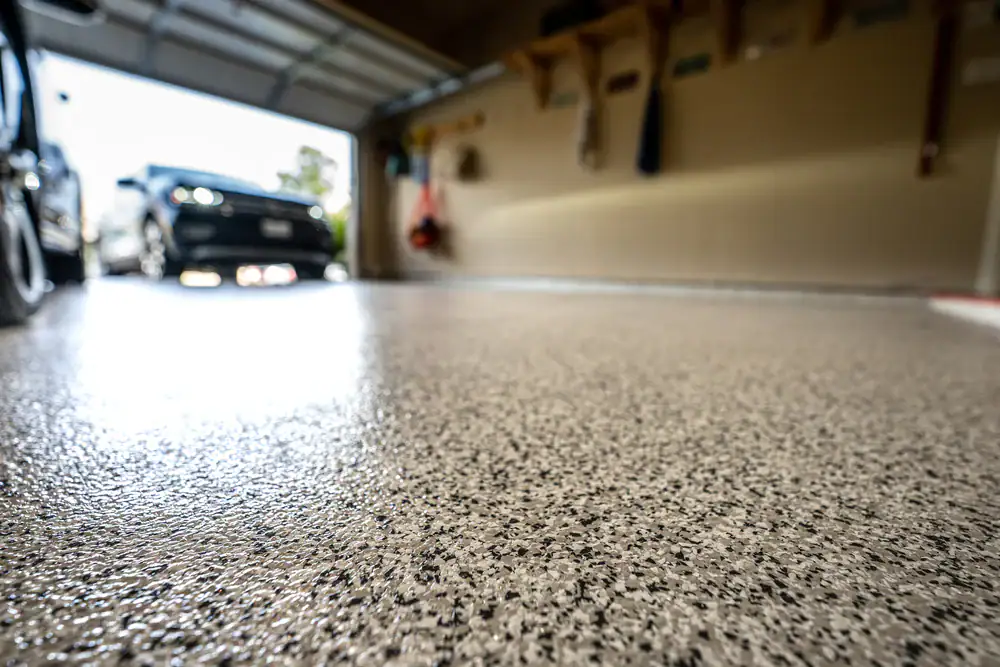
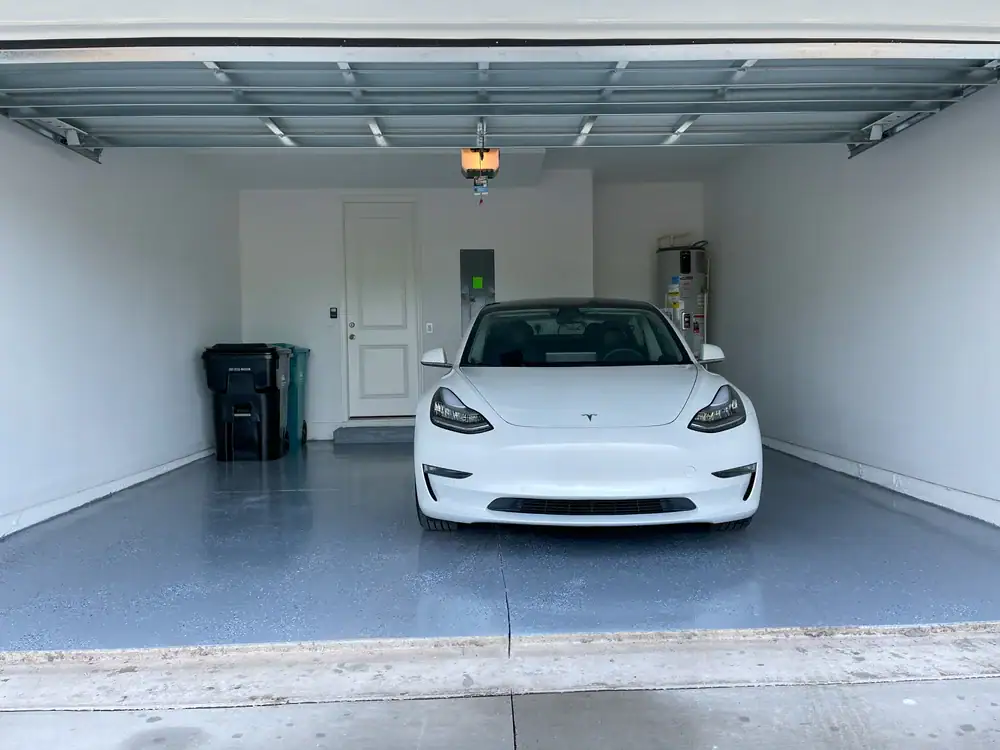
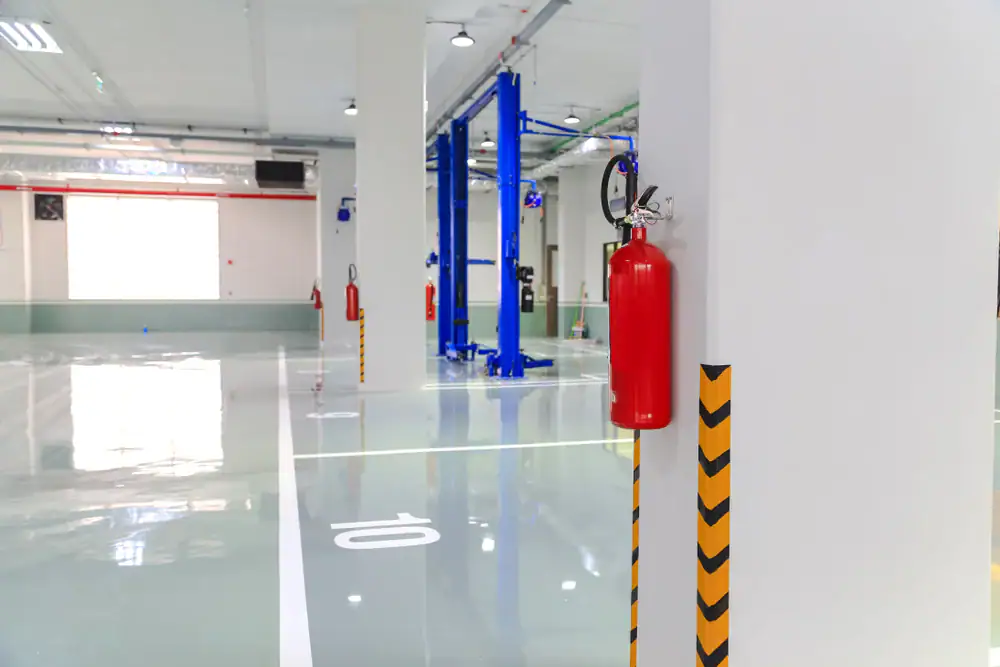
The oil stains are gone. The cracks are sealed. The surface is smooth, glossy, and actually easy to clean.
Your garage stops being the space you avoid and starts being one you might actually want to show off. No more worrying about spills soaking into concrete or tire marks that won’t come up. A quick mop handles most messes now.
The floor holds up to Florida’s humidity without bubbling or peeling because we use moisture-resistant systems designed for this climate. Hot tires don’t lift the coating. Summer storms don’t create slippery spots. The finish stays consistent for years, not months.
Most clients tell us the same thing: they didn’t realize how much the old floor was bothering them until they saw the difference. It’s not just about looks—though that’s a big part of it. It’s about having a functional space that works the way it should. Whether you’re parking cars, running a workshop, or finally organizing years of accumulated stuff, the floor becomes the foundation that makes everything else easier.
Epoxy Flooring Contractors Pinecrest FL
We specialize in epoxy flooring and concrete resurfacing across South Florida. We’re veteran-owned, which means we show up on time, do what we say we’ll do, and don’t cut corners.
We’ve installed floors for the Coast Guard, US Army facilities, City of Doral, City of Sunny Isles, and multiple county projects. Government and military contracts don’t go to companies that do sloppy work. That same standard applies whether we’re coating a 10,000-square-foot warehouse or your two-car garage in Pinecrest.
Pinecrest homeowners deal with the same climate challenges as everyone else in Miami-Dade County—high humidity, intense sun, and concrete that absorbs moisture. We account for those factors in every installation. The prep work, primer selection, and curing process all get adjusted based on local conditions, not some generic instruction manual.
Garage Floor Coating Process Pinecrest
First, we assess your concrete. We’re checking for moisture levels, existing damage, and any previous coatings that need removal. This step determines which system we’ll use and how much prep is required.
Next comes surface preparation—the part most contractors rush and the reason most epoxy floors fail. We grind the concrete to open the pores, remove any contaminants, and create the profile needed for proper adhesion. If there are cracks or divots, we repair them before moving forward. Skipping this step saves time but guarantees problems later, so we don’t skip it.
Once the surface is prepped and cleaned, we apply a moisture-resistant primer designed for Florida’s humidity. Then comes the epoxy base coat, followed by the color flake or solid color topcoat depending on what you’ve chosen. We add slip-resistant aggregate if needed—especially important in South Florida where floors get wet frequently.
The final step is a clear polyurethane or polyaspartic topcoat that adds UV resistance and extra durability. Most installations finish in one to two days. You’ll need to stay off the floor for 24 hours, and we recommend waiting 72 hours before parking vehicles on it.
Ready to get started?
Garage Floor Coatings Pinecrest Florida
Surface preparation is the foundation. We grind, clean, and repair as needed—no shortcuts. The concrete gets profiled correctly so the epoxy actually bonds instead of sitting on top waiting to peel.
You’re getting industrial-grade materials, not the DIY kits sold at home improvement stores. We work with Sherwin Williams and Fosroc products that are formulated for commercial and high-traffic applications. These systems are designed to handle chemical exposure, impact, and Florida’s climate conditions.
The installation includes moisture-resistant primers, base coat, color flakes or solid color (your choice), and a UV-resistant topcoat. We customize slip resistance based on your needs. If you’re concerned about wet floors, we add more aggregate. If you want a smoother finish, we adjust accordingly.
Pinecrest homes often have garages that double as workshops, storage areas, or even home gyms. The floor needs to handle more than just car traffic. Our systems resist oil, gasoline, antifreeze, brake fluid, and most household chemicals without staining. Spills sit on top instead of soaking in, which means cleanup takes seconds instead of requiring special cleaners and scrubbing.
We also offer transparent pricing and one-on-one consultations. No surprises, no hidden fees. You’ll know exactly what you’re getting before we start.
How long does epoxy garage flooring last in Pinecrest’s climate?
Properly installed epoxy flooring typically lasts 10 to 20 years in South Florida when maintained correctly. The key is proper surface preparation and using moisture-resistant primers designed for humid conditions.
Pinecrest’s humidity doesn’t damage quality epoxy installations, but it does require specific installation techniques. We use vapor-tolerant systems that account for moisture in the concrete slab. Cheap installations skip this step and start peeling within a year or two when trapped moisture creates pressure under the coating.
The lifespan also depends on traffic and use. A garage that sees two cars daily will outlast one being used as a workshop with heavy equipment and constant activity. Either way, you’re looking at a decade or more of service if the installation is done right. That’s significantly better than garage floor paint, which needs reapplication every few years.
Will the epoxy floor be slippery when wet?
Standard epoxy can be slippery when wet, but we add slip-resistant aggregates to create traction. This is especially important in South Florida where floors get wet frequently from rain, humidity, or washing vehicles.
We customize the slip resistance based on your specific needs. If you’re concerned about safety—maybe you have kids or elderly family members—we add more aggregate for extra grip. If you prefer a smoother finish and aren’t as worried about wet conditions, we adjust the texture accordingly.
The topcoat also plays a role. Polyaspartic topcoats can be formulated with slip resistance built in, giving you both durability and safety without compromising the appearance. Most clients opt for a moderate texture that provides good traction without feeling rough underfoot. You won’t be sliding around, but you also won’t feel like you’re walking on sandpaper.
Can epoxy flooring handle oil stains and chemical spills?
Yes. Properly formulated epoxy flooring is highly chemical resistant. It repels oil, gasoline, antifreeze, brake fluid, and most household chemicals without staining or damage.
The non-porous surface means spills sit on top instead of soaking in like they do with bare concrete. You can wipe up motor oil with a paper towel and it won’t leave a mark. This is one of the main reasons people install epoxy in garages—they’re tired of permanent stains that make the floor look progressively worse over time.
There are limits. Extremely harsh industrial chemicals or prolonged exposure to certain solvents can affect some epoxy systems. But for typical garage use—car maintenance, lawn equipment, household projects—the floor handles everything without issue. We’ve installed floors in military vehicle maintenance facilities where chemical exposure is constant and severe. Your garage won’t come close to that level of abuse.
What’s the difference between DIY epoxy kits and professional installation?
Surface preparation. DIY kits assume you’ll clean the floor and maybe etch it with acid. Professional installation involves grinding the concrete to create the proper profile for adhesion, repairing cracks and damage, and ensuring the surface is completely clean and dry.
Up to 80% of epoxy floor failures come from improper prep work. The coating itself might be decent, but if it’s applied over a contaminated or improperly prepared surface, it’s going to fail. You’ll see peeling, bubbling, or delamination within months.
The materials are also different. Retail kits use thinner coatings that don’t hold up to heavy use or Florida’s climate. Professional-grade systems are thicker, more durable, and formulated for commercial applications. We’re using the same products that go into warehouses, manufacturing facilities, and government buildings—not consumer-grade coatings designed to hit a price point at the hardware store. The upfront cost is higher, but you’re not redoing the floor every few years when the DIY attempt fails.
How much does garage epoxy flooring cost in Pinecrest?
Most residential garage floors in Pinecrest run between $5 and $12 per square foot depending on the system, surface condition, and any custom features. A standard two-car garage typically costs $2,000 to $4,500 for a complete professional installation.
That price includes surface preparation, repairs, moisture-resistant primer, epoxy base coat, color flakes or solid color, slip-resistant additives, and a UV-resistant topcoat. If your concrete is in rough shape and needs extensive repair, or if you want custom designs or metallic finishes, the cost goes up.
We offer transparent pricing and free consultations. We’ll assess your garage, explain what’s needed, and give you an exact quote before starting any work. No surprises or hidden fees. While the upfront cost is higher than DIY kits or basic paint, the long-term value is significantly better. You’re not repainting every few years or dealing with failed coatings that peel and chip. The floor lasts a decade or more with minimal maintenance, which makes the cost per year much lower than cheaper alternatives.
How soon can I use my garage after epoxy installation?
You can walk on the floor after 24 hours. We recommend waiting 72 hours before parking vehicles or placing heavy equipment on the surface.
Full cure time is seven days. That’s when the epoxy reaches maximum hardness and chemical resistance. But for normal use—walking, light storage, moving things around—72 hours is sufficient. Most clients park their cars in the driveway for a long weekend and have full use of the garage by Monday.
The timeline can vary slightly based on temperature and humidity. Hotter weather speeds up curing. High humidity can slow it down, though the systems we use are designed to cure properly in Florida’s climate. We’ll give you specific guidance based on conditions during your installation. Most jobs complete in one to two days, so the total disruption is minimal. You’re not losing access to your garage for weeks like you would with some other flooring options.
Other Services we provide in Pinecrest
Leave a Reply