


Garage Epoxy Flooring in Roosevelt Gardens, FL
Garage Floors Built for Florida’s Toughest Conditions
Hear from Our Customers
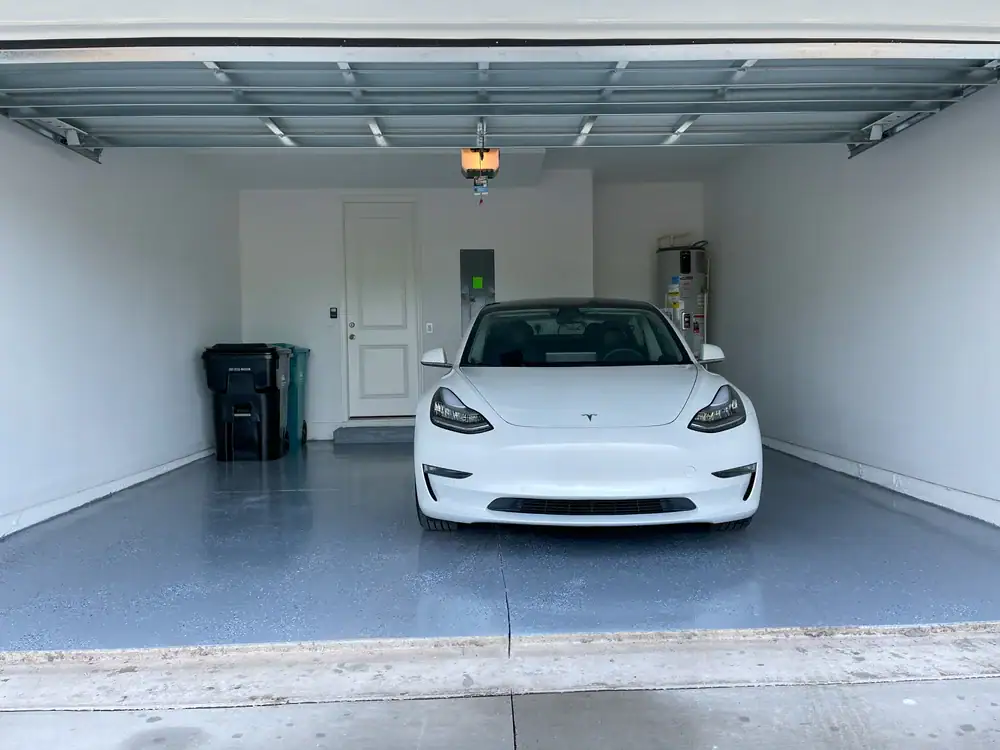
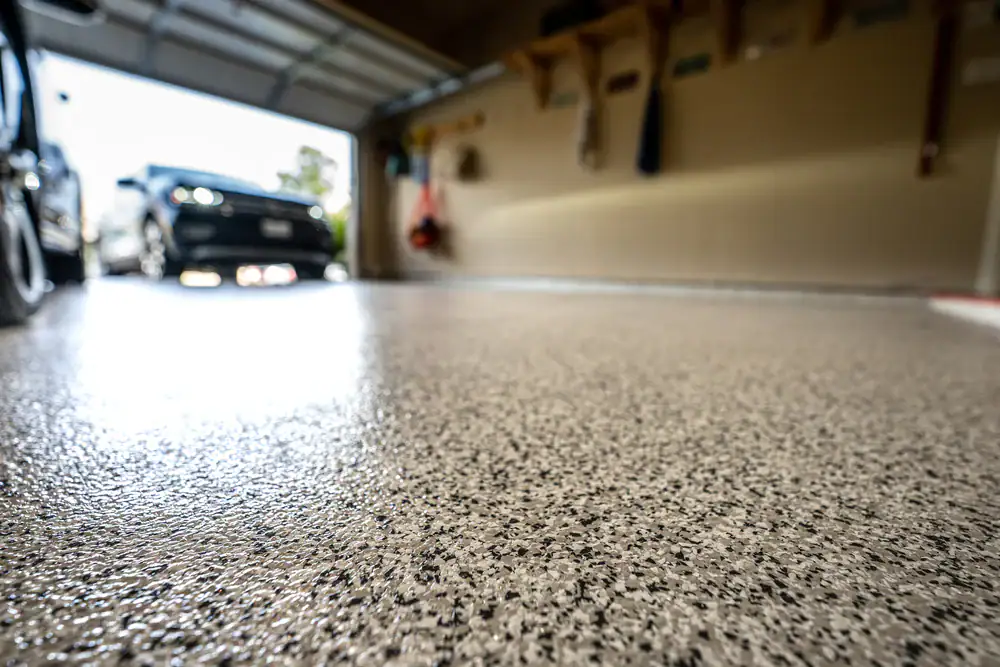
Epoxy Garage Floor Solutions Roosevelt Gardens
Florida humidity destroys most garage floor coatings within a year or two. You’ve probably seen it: bubbling, peeling, that cloudy moisture trapped underneath. It’s not just ugly—it means you’re back to square one, except now you’re also dealing with removal costs.
An epoxy garage floor installed correctly handles what Roosevelt Gardens throws at it. We’re talking about moisture vapor barriers rated for South Florida’s conditions, not the same products they use in Arizona. The floor cures properly even when it’s 90 degrees with 80% humidity outside. You get a surface that resists oil stains, won’t chip when you drop tools, and cleans up with a quick hose-down.
Most installs finish in a day. The floor’s ready for light use within 24 hours and full vehicle traffic in 48. No week-long disruption to your routine. Just a garage floor that actually does what it’s supposed to do—protect your concrete and look good doing it.
Roosevelt Gardens Epoxy Flooring Contractors
We’ve been installing epoxy floor coatings across South Florida since 2020. We work on everything from Coast Guard facilities to residential garages in Roosevelt Gardens. Same attention to detail, same materials, same process.
Roosevelt Gardens sits in Broward County where the water table runs high and concrete sweats half the year. We account for that. Every job starts with moisture testing because guessing doesn’t work here. You’re not getting a cookie-cutter approach—you’re getting a system designed for your specific slab conditions.
We don’t subcontract. The people who quote your job are the same ones who show up to do the work. Transparent pricing, clear timelines, no surprises.
Garage Floor Coating Installation Process
First, we test your concrete for moisture. This isn’t optional in Florida—it’s the difference between a floor that lasts 15 years and one that fails in 18 months. If moisture levels are high, we apply a vapor barrier rated for up to 16 pounds per 1,000 square feet. That’s what keeps the coating bonded when summer humidity spikes.
Next comes surface prep. We grind down the concrete to remove any existing sealers, oils, or contaminants. The profile needs to be right for the epoxy to lock in. Shortcuts here mean peeling later, so we don’t take them.
Then we apply the coating system. For most residential garages, that’s a 100% solids epoxy base with a polyaspartic topcoat. The epoxy provides the bond and chemical resistance. The polyaspartic adds UV stability and cures fast—usually within two hours. You can walk on it the same day.
We finish with a light texture additive for slip resistance and clean up completely. Most jobs wrap in 6-8 hours start to finish. You’re not losing your garage for a week.

Ready to get started?
Garage Floor Painting and Coating Options
Every garage epoxy flooring job includes moisture testing, surface grinding, crack repair if needed, and a multi-layer coating system. We use Sherwin Williams and Fosroc products—industrial-grade materials that meet military and municipal specs. Not the stuff you find in a home improvement store.
Roosevelt Gardens homes were mostly built in the 1950s. That means older concrete that’s had decades to absorb moisture and develop hairline cracks. We address that before coating. Small cracks get filled and ground smooth. Larger structural issues get flagged so you know what you’re dealing with before we start.
Color and finish options vary. Most people go with a neutral gray or tan base with decorative flake for texture and visual interest. If you want a specific look to match your home’s style, we can do that. The coating goes down in whatever configuration makes sense for your space.
Cleanup and final inspection happen before we leave. The floor should look showroom-clean, and the edges should be crisp. If something’s not right, we fix it then—not after you’ve already paid.
How long does epoxy flooring last in Florida’s humid climate?
A professionally installed epoxy garage floor lasts 15-20 years in South Florida if the moisture prep work is done right. That’s the critical part most people miss. Florida’s humidity pushes moisture up through concrete slabs year-round. If you don’t address that with a proper vapor barrier, the coating will delaminate—usually within the first two years.
We test every slab before installation to measure moisture vapor transmission rates. Anything above 3 pounds per 1,000 square feet gets a moisture mitigation system first. That’s a specialized epoxy barrier that bonds to damp concrete and blocks vapor from reaching the topcoat. It’s an extra step, but it’s also why our floors stay bonded while others peel.
Once installed correctly, the coating itself is incredibly durable. It handles Florida heat, UV exposure from open garage doors, chemical spills, and heavy vehicle traffic without breaking down. You’re looking at minimal maintenance—just occasional sweeping and mopping—for well over a decade.
What’s the difference between DIY epoxy kits and professional installation?
DIY epoxy kits use water-based or low-solids formulas that aren’t built for Florida conditions. They’re cheaper because they’re thinner and easier to apply, but they also fail faster. Most homeowners who try the DIY route end up calling us within two years to fix peeling, bubbling, or complete coating failure.
Professional-grade systems use 100% solids epoxy, which means no water or solvents that evaporate and leave gaps. The coating is thicker, bonds harder, and resists moisture penetration. We also use commercial grinders to properly profile the concrete—something a rental floor buffer can’t replicate. Without the right surface profile, even the best epoxy won’t stick.
The other issue is application conditions. Epoxy needs specific temperature and humidity ranges to cure correctly. In Roosevelt Gardens, that means working early morning or timing the job around weather. DIY kits don’t come with that knowledge, and if the coating doesn’t cure right, it never will. You end up with a soft, tacky surface that attracts dirt and looks worse than bare concrete.
How soon can I park my car after installation?
Light foot traffic is fine after 24 hours. Full vehicle traffic should wait 48 hours. That’s with our standard polyaspartic topcoat system, which cures significantly faster than traditional epoxy alone.
The polyaspartic layer is what allows the quick turnaround. It’s a two-component coating that hardens through a chemical reaction rather than evaporation, so humidity doesn’t slow it down the way it does with other products. Within two hours of application, the surface is tack-free. By the next day, it’s hard enough to walk on without leaving marks.
We recommend waiting the full 48 hours before driving on it, especially with heavier vehicles. The coating continues to harden over the first week, reaching full chemical resistance around day seven. That’s when it’s completely cured and ready for everything—hot tires, oil changes, dropped tools, whatever your garage sees. Rushing it won’t ruin the floor, but giving it the full cure time maximizes durability.
Will epoxy coating fix cracks in my garage floor?
Epoxy can fill and seal small hairline cracks, but it won’t repair structural damage or stop active settling. If your garage slab is cracked due to soil movement, tree roots, or foundation issues, those problems need to be addressed first. Coating over active cracks just means the epoxy will crack too.
For minor surface cracks—the kind that come from age and normal concrete shrinkage—we grind them out slightly, fill them with an epoxy paste, and grind smooth again before coating. Once the floor system goes down, those small cracks disappear visually and are sealed against moisture intrusion. They won’t spread or worsen under the coating.
Larger cracks, anything wider than a quarter-inch or showing vertical displacement, usually indicate a bigger issue. We’ll point those out during the initial inspection and recommend whether they need structural repair before we coat. Sometimes a crack is just cosmetic and can be filled. Other times it’s a sign that the slab is still moving, and coating it would be a waste of money. We’d rather tell you that upfront than take your money and deliver a floor that fails in six months.
How do I maintain an epoxy garage floor?
Sweep or blow out debris regularly and mop with a mild cleaner when it gets dirty. That’s it. Epoxy flooring is about as low-maintenance as flooring gets. The surface is non-porous, so oil, chemicals, and dirt sit on top rather than soaking in. A quick wipe or rinse takes care of most spills.
For routine cleaning, a dust mop or leaf blower handles daily dirt and leaves. When you need a deeper clean, use a deck brush and a mix of water with a little dish soap or a pH-neutral cleaner. Avoid harsh degreasers or acidic cleaners—they’re overkill and can dull the finish over time. A garden hose works fine for rinsing if your garage has a drain or slopes toward the driveway.
The polyaspartic topcoat resists UV yellowing and chemical etching, so the floor keeps its appearance without needing resealing or waxing. If you ever do scratch or chip the surface—say, from dragging a heavy metal toolbox—we can spot-repair it without redoing the entire floor. But most homeowners go years without needing any touch-ups. The coating is tough enough to handle normal garage use without babying it.
Does garage floor coating increase home resale value?
Yes. Homes with finished garage floors sell about 12% faster than comparable homes with bare concrete, and buyers consistently rate them as move-in ready. A professionally coated garage signals that the home has been maintained, which matters more than the actual dollar value of the coating itself.
In Roosevelt Gardens, where many homes are older and being renovated by new buyers, a clean, finished garage stands out. It’s one of those upgrades that photographs well in listings and makes a strong impression during showings. Buyers see it as one less project they have to tackle immediately, and real estate agents report it removes objections during negotiations.
The ROI isn’t always a direct dollar-for-dollar return, but it’s reflected in faster sale times and fewer price reductions. Finished garages also appeal to the 25-40 age demographic that’s buying heavily in this area—people who want a home that’s ready to use, not a fixer-upper. If you’re planning to sell within the next few years, an epoxy garage floor is one of the higher-impact improvements you can make relative to cost.
Other Services we provide in Roosevelt Gardens
Leave a Reply