


Garage Epoxy Flooring in Rosser Reserve, FL
Turn Your Garage Into Usable Space Again
Hear from Our Customers
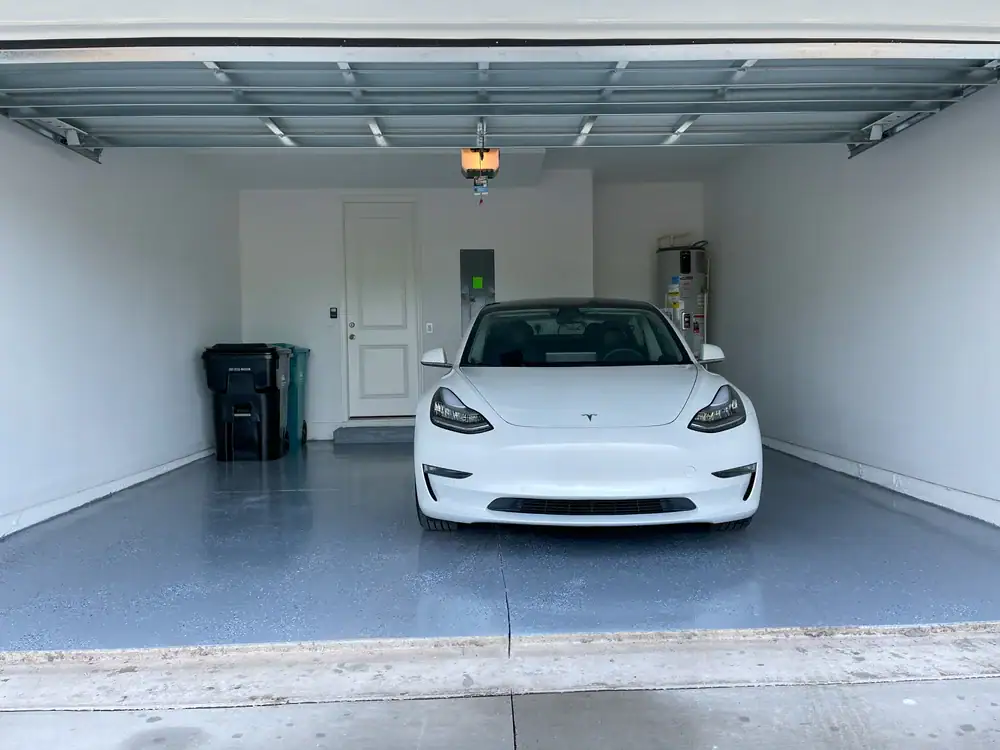
Epoxy Garage Floor Solutions for Florida
Your garage floor takes a beating. Oil drips from cars soak into bare concrete and never come out. Florida’s humidity creeps into those pores and starts breaking down the slab from the inside. Heavy rains shift the sandy soil underneath, and suddenly you’ve got cracks that weren’t there last month.
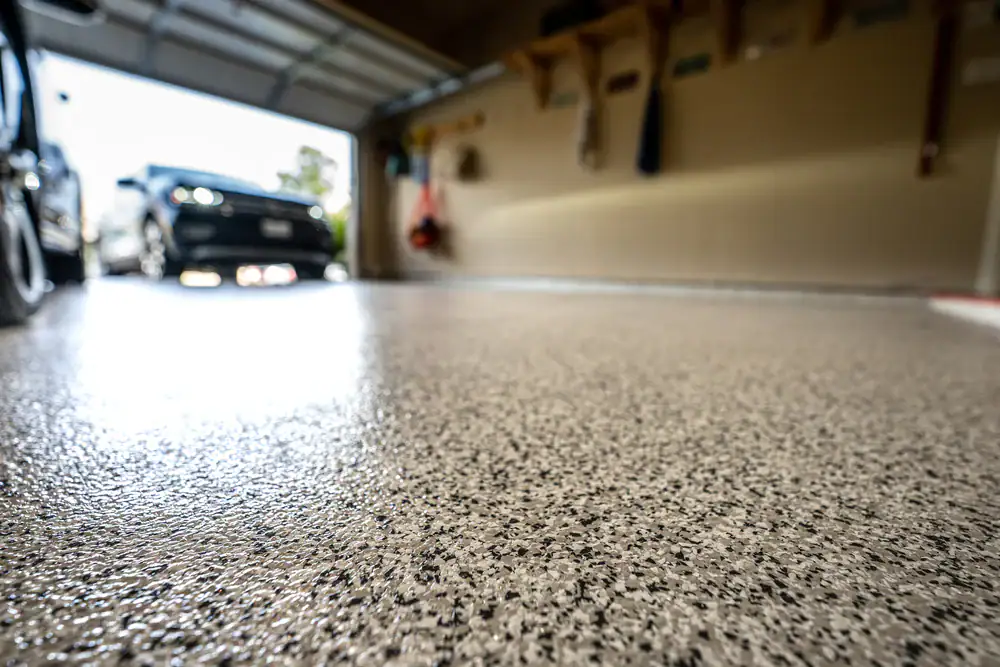
A proper epoxy garage floor seals all of that off. The coating creates a non-porous surface that oil can’t penetrate, moisture can’t infiltrate, and chemicals can’t stain. When hurricane season hits and water gets into your garage, it sits on top instead of soaking in and causing long-term damage.
You also get a floor that’s easier to keep clean. Sweep it once, mop it when you feel like it. No scrubbing oil stains or worrying about what’s getting tracked into your house. The floor stays looking clean because nothing can actually stick to it or soak in.
And if you’re thinking about selling down the road, finished garages move faster in Rosser Reserve. Buyers notice when a garage looks like part of the home instead of an afterthought.
Epoxy Flooring Contractors in Rosser Reserve
We’ve been installing epoxy flooring and polished concrete across Florida since 2020. We’ve worked with the Coast Guard, the US Army, the City of Doral, Sunny Isles, and county schools. Those clients don’t hire based on the cheapest bid—they hire based on who can do the job right the first time.
We bring that same standard to residential projects in Rosser Reserve. You’re not getting a crew that learned epoxy flooring from YouTube. You’re getting installers who understand Florida’s climate, how concrete behaves in this soil, and what actually holds up when the humidity stays above 70% for months.
We use Sherwin Williams and Fosroc products because they’re engineered for durability, not because they’re easy to apply. And we’ll walk you through exactly what we’re doing and why—no upsells, no runaround. Just a clear conversation about what your garage needs and what it’ll cost.
Garage Floor Coating Installation Process
We start with surface prep, which is the most important part. Your concrete gets diamond ground or shot blasted to open up the pores and remove any existing coatings, sealers, or contaminants. If there are cracks, we fill and seal them so they don’t telegraph through the new coating. This step determines whether your epoxy floor lasts two years or twenty.
Once the surface is prepped and cleaned, we apply a moisture-resistant primer that’s designed for Florida’s humidity levels. This creates the bond between your concrete and the epoxy system. Then comes the base coat—a high-build epoxy resin that fills imperfections and creates that seamless, non-porous surface.
If you want color flakes or a specific finish, that gets broadcast into the wet epoxy. After it cures, we apply a clear topcoat that adds UV resistance and chemical protection. The topcoat is what gives you that glossy, showroom look and makes the floor easy to clean.
Most residential garages in Rosser Reserve take 24 to 48 hours from start to finish, depending on size and conditions. You’ll need to stay off it for about 24 hours after the final coat, and we recommend waiting 72 hours before parking a car on it. After that, it’s ready for whatever you throw at it.

Ready to get started?
Garage Epoxy Flooring Options in Florida
Every garage floor coating project includes full surface preparation—not just a quick sweep and pour. We’re grinding or blasting the concrete to create proper adhesion, repairing cracks, and making sure moisture levels are within spec before any coating goes down. Skipping this step is why most DIY epoxy jobs fail within a year.
You get a moisture-resistant primer system that’s specifically designed for South Florida’s climate. Standard epoxy primers aren’t built to handle the humidity levels we see in Rosser Reserve, especially during summer months. The primer we use creates a vapor barrier that prevents moisture from pushing up through the slab and delaminating your coating.
The epoxy resin itself is a high-build, commercial-grade system—not the thin stuff you buy in a box at the hardware store. It’s thick enough to fill minor imperfections and create a truly level surface. We can add color flakes in different sizes and blends if you want texture and visual interest, or keep it solid if you prefer a clean, uniform look.
The clear topcoat adds UV stability so your floor doesn’t yellow in the sun, plus chemical resistance for anything you’re storing or working on in the garage. It’s also what makes the floor easy to clean—liquids bead up instead of soaking in, so you’re just wiping things off the surface.
How long does epoxy flooring last in Florida’s climate?
A professionally installed epoxy garage floor should last 10 to 20 years in Florida if it’s done right. The key is proper surface prep and using a moisture-resistant system that’s designed for high humidity.
Most failures happen because the concrete wasn’t prepped correctly or because a standard epoxy system was used instead of one engineered for Florida’s conditions. Moisture vapor pushes up through the slab, gets trapped under the coating, and eventually causes it to peel or bubble. We use primers and resins that account for that.
The other factor is UV exposure. If your garage gets direct sunlight, you need a topcoat with UV inhibitors or the epoxy will yellow and break down faster. That’s standard in our installations, but it’s not always included in cheaper systems.
Can epoxy floor coating handle oil stains and chemicals?
Yes, that’s one of the main reasons people get it. Epoxy creates a non-porous surface, so oil, gasoline, brake fluid, and most household chemicals sit on top instead of soaking into the concrete. You can wipe them up without leaving a permanent stain.
Bare concrete is full of tiny pores that absorb liquids. Once oil gets in there, it’s almost impossible to remove. You end up with dark stains that spread over time and weaken the concrete structure. Epoxy seals all of that off.
That said, you still want to clean up spills relatively quickly. While epoxy is chemical-resistant, leaving harsh chemicals or solvents sitting on the surface for days can eventually dull the finish. For normal garage use—cars, tools, storage—it handles everything without issue.
What’s the difference between epoxy and the kits at hardware stores?
The kits you buy at big box stores are thin, water-based coatings that are designed for easy application, not long-term durability. They’re usually around 2-3 mils thick when dry. Professional epoxy systems are 10 to 20 mils thick and use solvent-based or 100% solids resins that bond much stronger to concrete.
The other big difference is surface prep. The instructions on those kits tell you to etch the concrete with acid or just clean it. That’s not enough to create a lasting bond, especially in Florida where moisture is constantly trying to push up through the slab. Professional installations involve diamond grinding or shot blasting to open up the concrete and remove any contaminants.
Most DIY epoxy kits start peeling within 12 to 18 months, especially in high-traffic areas or where the concrete flexes. Professional systems, when installed correctly, last 10 to 20 years. You’re paying more upfront, but you’re not redoing the floor every couple of years.
How soon can I use my garage after installation?
You can walk on the floor after about 24 hours, but we recommend waiting 72 hours before parking a vehicle on it. The epoxy needs time to fully cure and reach its maximum hardness, especially in Florida’s heat and humidity.
If you park too soon, you risk leaving tire marks or imprinting the coating, particularly if the car sits in the same spot for days. Hot tires can also soften epoxy that hasn’t fully cured yet. Waiting the full three days ensures the coating has reached its full chemical resistance and hardness.
For foot traffic, moving light items, or walking in and out, 24 hours is usually fine. Just avoid dragging heavy objects or putting significant weight on the floor until that 72-hour mark. After that, the floor is fully cured and ready for normal use.
Will epoxy flooring crack if my concrete cracks?
Epoxy follows the concrete underneath it, so if the slab cracks, the coating will likely crack too. That’s why crack repair is part of the prep process. We fill and seal any existing cracks before applying the epoxy system so they don’t telegraph through.
Florida’s sandy soil shifts after heavy rain, which can cause concrete slabs to settle unevenly and develop new cracks over time. There’s no coating that can prevent structural movement in the slab itself. But a properly installed epoxy system is flexible enough to handle minor concrete movement without delaminating.
If a new crack does appear, it can usually be repaired without redoing the entire floor. We can grind out the crack, fill it, and recoat that section to blend it back in. It’s a much smaller job than starting over, and it keeps the floor sealed and protected.
Does garage floor coating help with humidity and moisture issues?
Yes, a moisture-resistant epoxy system acts as a vapor barrier that slows down moisture transmission through the concrete. It won’t fix a serious water intrusion problem, but it does help manage the normal humidity levels that Florida garages deal with year-round.
Bare concrete absorbs moisture from the air and from the ground underneath. That moisture can lead to mold growth, musty odors, and gradual deterioration of the slab. Sealing the surface with epoxy reduces how much moisture can move through the concrete and evaporate into your garage.
If you have standing water or active leaks, those need to be addressed before any coating goes down. But for typical humidity and occasional water from rain or washing cars, epoxy keeps the floor dry and prevents moisture-related damage. It’s one of the reasons epoxy garage flooring is so popular in coastal areas like Rosser Reserve.
Other Services we provide in Rosser Reserve
Leave a Reply