


Garage Epoxy Flooring in Seminole Manor, FL
Epoxy Floors That Actually Last in Florida
Hear from Our Customers
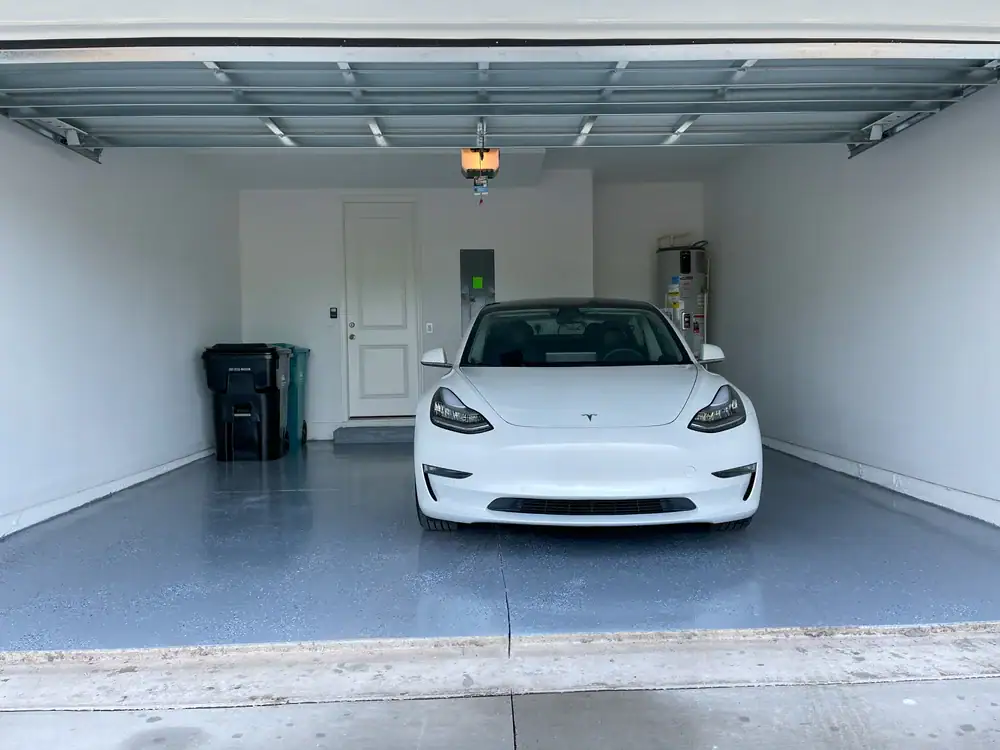
Epoxy Garage Floor Solutions in Seminole Manor
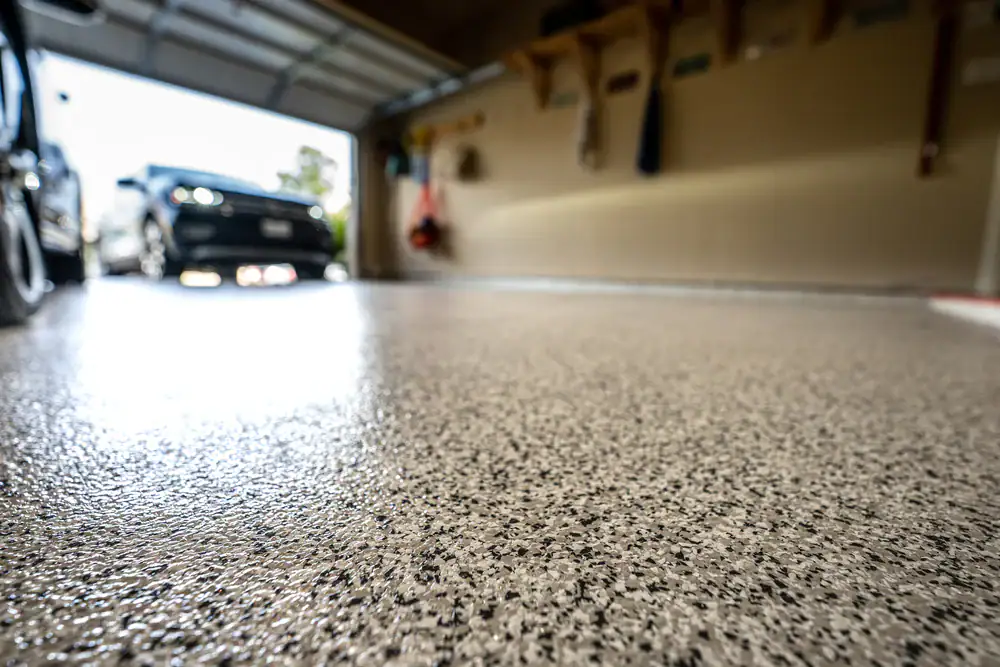
Your garage stops being a maintenance headache. The floor resists oil stains, cleans up with a quick hose-down, and holds up against the kind of moisture that makes cheap coatings fail in months.
You’re not repainting every few years or dealing with peeling edges. A properly installed epoxy garage floor in Seminole Manor protects your concrete for 10 to 20 years when the prep work is done right and the materials match Florida’s demands.
Most homeowners see an immediate difference in how the space looks and functions. The floor becomes an extension of your home that you’re not embarrassed to show. It’s cleaner, safer with non-slip options, and it signals that you take care of your property.
Garage Floor Coating Experts in Seminole Manor
We’ve been installing epoxy flooring across South Florida since July 2020. We’ve worked with the Coast Guard, US Military, City of Doral, and Sunny Isles on projects where failure isn’t an option.
That same attention to detail applies when we’re in your garage. We’re not a general contractor trying to upsell you on services we don’t specialize in. Epoxy, resin, polished concrete, and resurfacing are what we do every single day.
Seminole Manor homeowners deal with the same moisture challenges we see across the region. Sandy soil, high humidity, and sudden storms all threaten concrete integrity. We’ve learned how to address those issues before the coating goes down, which is why our floors don’t fail the way DIY kits and cheap installs do.
Our Garage Epoxy Flooring Process
We start with a laser-level scan and calcium chloride testing. This isn’t overkill—it’s how we map moisture levels and identify trouble zones before they become expensive problems. If your slab is holding water or has hidden cracks, you’ll know before we discuss coating options.
Next comes surface prep. We grind the concrete to open the pores, remove any existing coatings or contaminants, and create the profile needed for proper adhesion. Skipping this step is why most garage floor coatings fail within a year.
Then we apply a 100% solid epoxy moisture vapor barrier if your slab needs it. This is the layer that stops moisture from pushing up through the concrete and causing bubbles or peeling. We use a saline-based additive that increases vapor resistance up to 16 pounds per 1,000 square feet.
The topcoat goes on last. Depending on your needs, that might be a polyaspartic system that cures fast and resists UV damage, or a moisture-tolerant epoxy designed specifically for Florida’s coastal environment. Most projects are done in 24 to 48 hours, and you’re back to using your garage without a long wait.
Ready to get started?
What’s Included in Garage Floor Coating
Every garage epoxy flooring project in Seminole Manor includes moisture testing, surface preparation, crack repair if needed, and a multi-layer coating system. We’re not brushing on a single coat and calling it done.
You’re also getting materials from Sherwin Williams and Fosroc—brands that back their products with real warranties when installed correctly. We follow manufacturer specs and stay current on training, so your floor benefits from proven techniques instead of shortcuts.
Florida’s climate makes this work harder than it should be. Garages here regularly hit over 100°F, and humidity allows moisture to seep into concrete year-round. That’s why we recommend polyaspartic or polyurea systems for most residential projects. They cure faster than traditional epoxy, handle UV exposure without yellowing, and create a chemical-resistant surface that stands up to gas, oil, and cleaning agents.
If your garage has existing moisture issues, we address them with vapor barriers and breathable sealers. Skipping that step to save a few hundred dollars upfront almost always costs thousands later when the coating fails and needs to be stripped and redone.
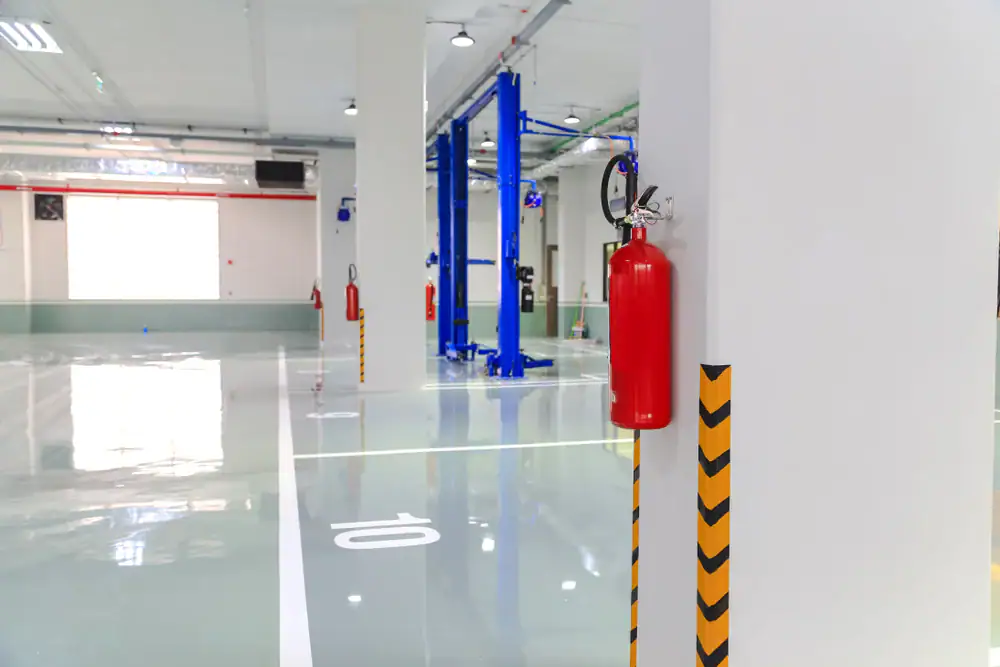
How much does garage epoxy flooring cost in Seminole Manor?
Most two-car garages in Seminole Manor run between $1,800 and $4,500 depending on the size, condition of the concrete, and coating system you choose. If your slab has cracks, moisture issues, or old coatings that need removal, that adds to the prep work and the price.
A basic single-layer epoxy is cheaper upfront but won’t last as long in Florida’s climate. You’ll likely see peeling or discoloration within a few years. A multi-layer polyaspartic or polyurea system costs more but gives you 15 to 20 years of performance with minimal maintenance.
We don’t quote over the phone because every garage is different. The only way to give you an accurate number is to test your slab, check for moisture, and talk through what you actually need. That’s what the consultation is for—so you’re not guessing or getting surprised later.
Will epoxy flooring hold up in Florida’s humidity and heat?
It depends entirely on the prep work and the coating system. Standard hardware store epoxy kits fail in Florida because they’re not designed for high moisture or extreme heat. They bubble, peel, and yellow within months.
Professional-grade epoxy garage floor coatings with proper moisture barriers handle Florida’s conditions without breaking down. We use 100% solid epoxy systems with vapor resistance built in, plus topcoats that are UV-stable and breathable. That combination stops moisture from pushing up through the slab and prevents the coating from trapping water underneath.
Your garage in Seminole Manor is dealing with sandy soil, seasonal rain, and year-round humidity. If the installer skips moisture testing or doesn’t apply a vapor barrier when needed, the floor will fail. That’s not a material problem—it’s a process problem. We test first, prep correctly, and use coatings rated for coastal environments so you’re not dealing with repairs in two years.
How long does it take to install epoxy flooring in a garage?
Most residential garages are done in 24 to 48 hours from start to finish. Day one is prep—grinding the concrete, repairing cracks, and applying the base coat or vapor barrier. Day two is the topcoat and any non-slip additives or flake finishes you want.
Polyaspartic and polyurea systems cure faster than traditional epoxy, so you can walk on the floor within a few hours and park your car the next day. Standard epoxy takes longer to cure, sometimes three to five days before it’s fully ready for vehicle traffic.
Weather affects the timeline. If it’s too humid or raining, we may need to adjust the schedule to ensure proper curing. Rushing the process in bad conditions leads to soft spots, poor adhesion, and premature failure. We’d rather delay a day than install a floor that won’t last.
Can you install epoxy over my existing garage floor coating?
Sometimes, but usually no. If your existing coating is peeling, bubbling, or poorly bonded, we have to remove it completely before installing new epoxy. Coating over a failing layer just means the new floor will fail too—it’s only as strong as what’s underneath.
We test the existing coating by trying to scrape it up and checking for soft spots or delamination. If it’s still fully adhered and in good shape, we can sometimes rough it up and coat over it. But in most cases, especially with DIY kits or cheap previous installs, removal is the only option.
Grinding off old coatings adds time and cost to the project, but it’s the only way to ensure the new epoxy bonds properly to the concrete. Seminole Manor’s moisture levels make this even more critical—if water is already trapped under the old coating, it’ll destroy the new one within months.
What’s the difference between epoxy and polyaspartic garage floor coatings?
Epoxy is a two-part resin system that’s been the standard for decades. It’s durable, chemical-resistant, and bonds well to concrete. The downside is it takes longer to cure, can yellow under UV exposure, and struggles in high-moisture environments without the right prep.
Polyaspartic coatings are newer and cure much faster—usually within a few hours. They’re UV-stable so they won’t yellow or fade, and they handle Florida’s heat and humidity better than traditional epoxy. Most polyaspartic systems also have better scratch and abrasion resistance, which matters if you’re moving tools, bikes, or heavy equipment around.
For Seminole Manor garages, polyaspartic or polyurea systems are usually the better choice. They cost a bit more upfront, but the faster install time and longer lifespan make them worth it. You’re not waiting days to use your garage, and you’re not recoating in five years because the floor yellowed or started peeling.
Do I need a moisture barrier under my garage epoxy flooring?
If your slab is releasing more than 3 pounds of moisture per 1,000 square feet in a 24-hour period, yes. We test that with calcium chloride kits during the consultation. Most garages in Seminole Manor show elevated moisture levels because of the sandy soil and high water table.
A moisture vapor barrier is a layer of 100% solid epoxy with additives that increase its resistance to water vapor pushing up through the concrete. Without it, that moisture gets trapped under your topcoat and causes bubbles, peeling, and mold growth. It’s one of the most common reasons DIY epoxy jobs fail.
Adding a vapor barrier costs a few hundred dollars extra, but skipping it when you need one almost always leads to a full redo within a year or two. That’s thousands of dollars in wasted materials and labor. We test your slab, tell you what the numbers say, and let you decide—but if moisture is present, we won’t install without addressing it first.
Other Services we provide in Seminole Manor
Leave a Reply