


Garage Epoxy Flooring in Swan Park, FL
A Garage Floor That Actually Lasts in Florida
Hear from Our Customers
Epoxy Floor Coating Built for Swan Park
You pull in after work and the floor still looks clean. Oil drips wipe up in seconds. The surface doesn’t peel, bubble, or turn cloudy after a few months of Florida summer.
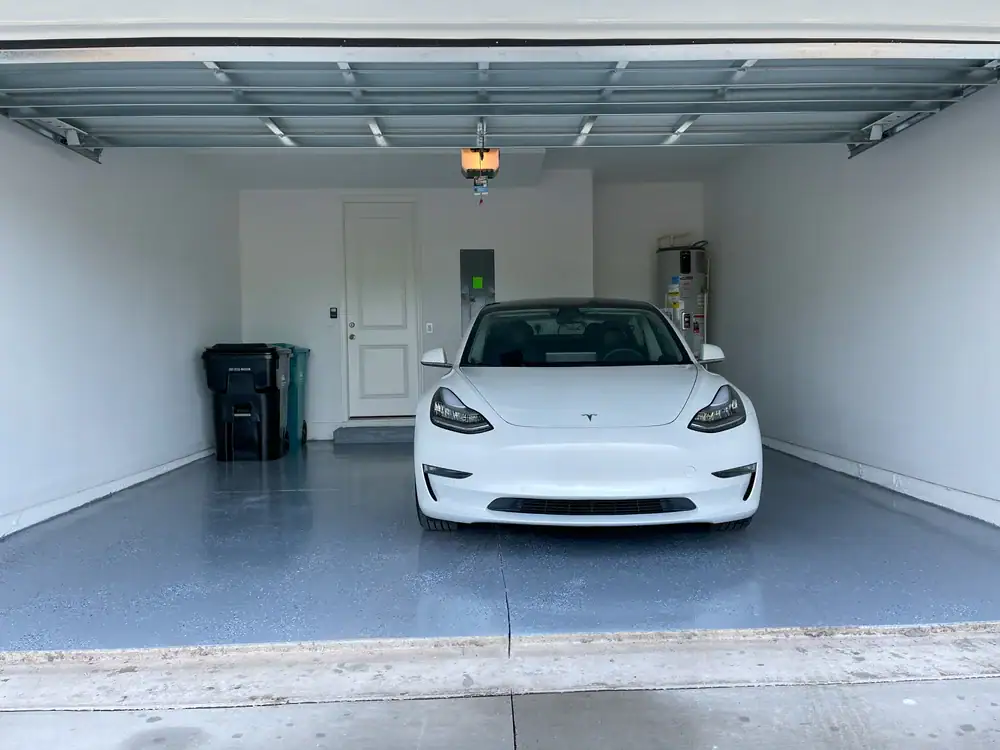
That’s what happens when epoxy flooring is installed correctly. The coating bonds to the concrete, seals out moisture, and holds up under the weight of vehicles, tools, and whatever else ends up in your garage. It’s not about making things pretty—it’s about creating a surface that works.
Most homeowners in Swan Park deal with concrete that’s already showing wear. Cracks, stains, rough patches. An epoxy garage floor covers that damage and prevents it from getting worse. The floor becomes easier to maintain, safer to walk on, and more functional overall.
Professional Epoxy Flooring Contractors in Swan Park
We’ve been installing epoxy and polished concrete since 2020. We’ve worked with the Coast Guard, the U.S. Army, and municipal clients across Florida—projects where the floor has to perform under serious conditions.
We bring that same level of preparation and material quality to residential garages in Swan Park. You’re not getting a different process because it’s a home instead of a facility. Same surface prep, same products, same attention to Florida’s climate challenges.
Swan Park homeowners deal with heat, humidity, and salt air. Those conditions accelerate wear on garage floors. We account for that during installation—moisture testing, proper ventilation during curing, UV-resistant topcoats. The goal is a floor that lasts 15 to 20 years, not one that fails after the first rainy season.
How We Install Garage Floor Coatings
We start with surface preparation. That means grinding down the existing concrete to remove old coatings, stains, and any weak spots. This step determines how well the epoxy bonds. Skip it or rush it, and the coating fails early.
Next, we test for moisture. Florida concrete holds water, especially in coastal areas like Swan Park. If moisture levels are too high, we use a moisture-tolerant primer before applying the epoxy. This prevents hydrostatic pressure from lifting the coating later.
Then we apply the epoxy floor coating in layers—base coat, color coat, and a clear topcoat with UV protection. We can add slip-resistant additives if you want better traction. The floor needs 24 to 48 hours to cure, depending on temperature and humidity. After that, it’s ready for vehicles and regular use.

Ready to get started?
What’s Included in Our Epoxy Garage Flooring
Our garage floor coating process includes full surface grinding, moisture testing, crack repair if needed, and a multi-layer epoxy system designed for Florida conditions. We use Sherwin Williams and Fosroc products—commercial-grade materials that handle heat, humidity, and chemical exposure.
Most garages in Swan Park were built between the 1970s and early 2000s. That means the concrete has settled, absorbed moisture, and developed surface damage over time. We address those issues before any coating goes down. If there are cracks, we fill them. If the surface is uneven, we level it. The floor has to be right before the epoxy can do its job.
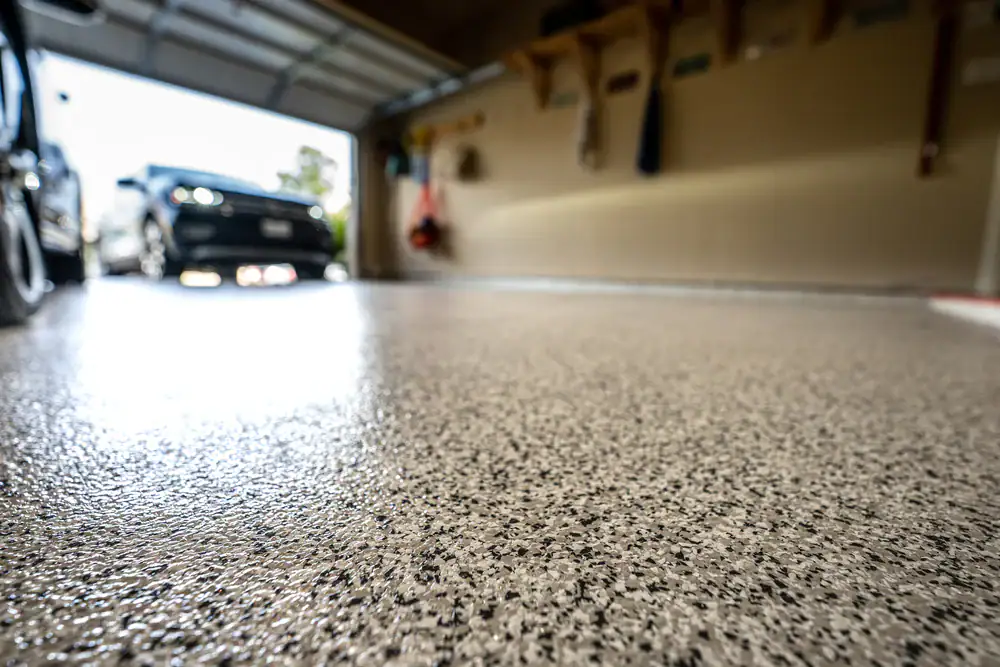
You also get a finish that resists stains from oil, gas, and cleaning chemicals. The high-gloss surface reflects light, which makes the garage brighter and easier to work in. And because the coating is seamless, there’s nowhere for dirt or moisture to collect. Sweeping and occasional mopping keep it looking clean.
How long does epoxy flooring last in a Florida garage?
A professionally installed epoxy garage floor lasts 15 to 20 years in Florida if the surface prep is done right and the materials are made for high humidity. DIY kits usually fail within two to three years because they don’t account for moisture in the concrete or temperature swings during curing.
The key is moisture testing and using a primer that can handle hydrostatic pressure. Florida concrete absorbs water from the ground, and that water tries to push through the coating. If the epoxy isn’t designed to handle that, it bubbles and peels. We use moisture-tolerant systems specifically because of this issue.
UV-resistant topcoats also matter. Florida sun heats up garage floors, and cheaper coatings can yellow or lose their gloss. A proper topcoat keeps the floor looking clean and maintains its durability even in high temperatures.
What’s the difference between epoxy and the coatings sold at hardware stores?
Hardware store kits are water-based or low-solids epoxy, which means they don’t bond as strongly to concrete. They’re thinner, easier to apply, and cheaper—but they don’t hold up under vehicle traffic or Florida’s climate. Most start showing wear within 18 months.
Professional epoxy floor coatings are 100% solids, which means the entire product cures into a hard, durable surface. There’s no water or solvent that evaporates and leaves gaps. The coating is thicker, bonds deeper into the concrete, and resists chemicals and abrasion much better.
The application process is also different. We grind the concrete to open up the pores so the epoxy can penetrate and lock in. DIY kits usually just require acid etching, which doesn’t create the same level of surface profile. That’s why they peel so easily—especially in garages where moisture is present.
Can you install epoxy flooring over cracked or stained concrete?
Yes, but the cracks need to be repaired first and the stains need to be ground out. Epoxy doesn’t fill large cracks or cover deep damage on its own. If the concrete is moving or the crack is still active, we address the underlying issue before coating.
Small hairline cracks get filled with an epoxy filler that bonds to the surrounding concrete. Larger cracks may need a flexible filler or a control joint, depending on what’s causing the movement. Oil stains get ground off during surface prep—they prevent the epoxy from bonding if left in place.
Once the surface is prepped and repaired, the epoxy goes down as a smooth, uniform layer. You won’t see the old stains or feel the rough spots. The floor looks and performs like new concrete, but with better durability and easier maintenance.
How long does the installation take and when can I use the garage?
Most residential garage floor installations take one to two days, depending on the size and condition of the concrete. Surface prep and coating application happen on day one. The epoxy needs 24 to 48 hours to cure before you can park a vehicle on it.
Foot traffic is usually fine after 24 hours, but we recommend waiting the full 48 before driving on the surface. Florida’s heat and humidity can affect curing times, so we adjust our schedule based on the weather. If it’s especially hot or humid, we may add ventilation or adjust the product mix to ensure proper curing.
Once the floor is fully cured, it’s ready for normal use. No special break-in period, no restrictions. You can park, work, and store things in the garage without worrying about damaging the coating.
Does epoxy flooring get slippery when wet?
Standard epoxy has a smooth, glossy finish that can be slippery when wet. That’s why we offer slip-resistant additives that get mixed into the topcoat. These additives create texture on the surface without making the floor rough or hard to clean.
The level of slip resistance depends on what you need. Light texture works for most garages. If you’re in and out during rain or washing vehicles inside, we can add more texture for better traction. It’s adjustable based on how the space gets used.
Even with a slip-resistant finish, the floor still looks clean and professional. The texture doesn’t show up visually—it’s something you feel underfoot. And it doesn’t trap dirt or make mopping harder. You still get the same easy maintenance as a smooth epoxy floor.
What happens if the epoxy coating gets damaged or starts to peel?
If the coating was installed correctly, damage is rare. But if something does happen—a heavy tool drop, a chemical spill that sits too long, or an area that starts to lift—the fix depends on the size and cause of the damage.
Small chips or scratches can be spot-repaired with matching epoxy. Larger areas of peeling usually mean there was a moisture or prep issue during installation, and those sections need to be ground out and recoated. Spot repairs work as a temporary fix, but if the problem is widespread, a full resurface is the better long-term solution.
That’s why surface prep and moisture testing matter so much upfront. When the floor is installed right the first time, you don’t deal with peeling or failure. The coating stays bonded, and the only maintenance you’re doing is cleaning—not repairing.
Other Services we provide in Swan Park
Leave a Reply