


Garage Epoxy Flooring in The Acreage, FL
Floors That Actually Hold Up in Florida
Hear from Our Customers
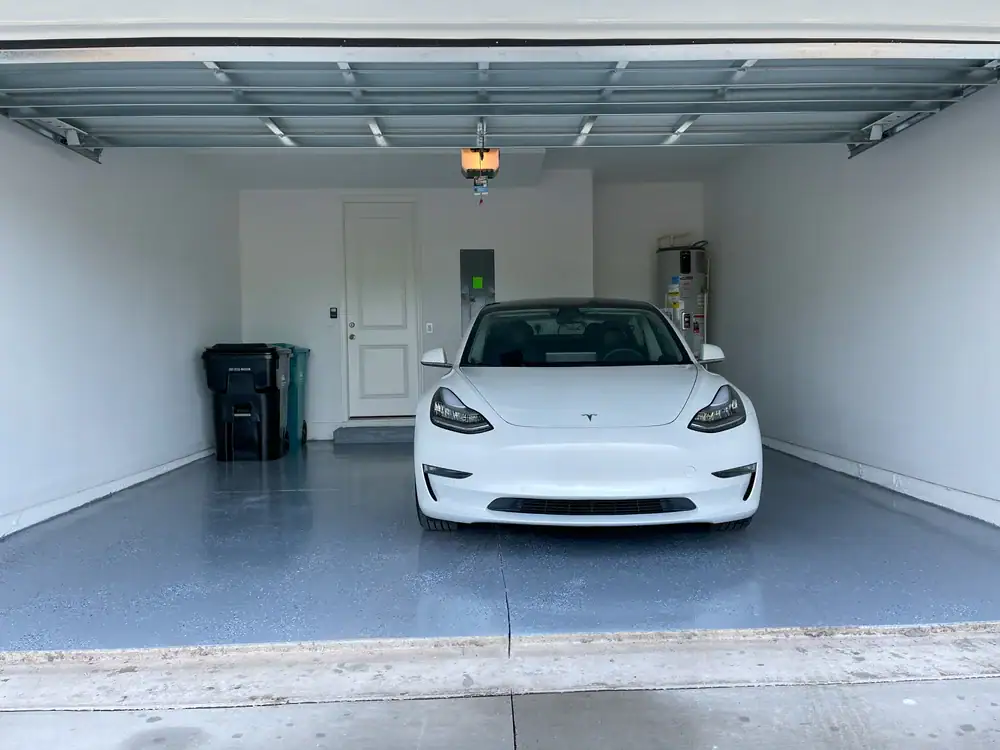
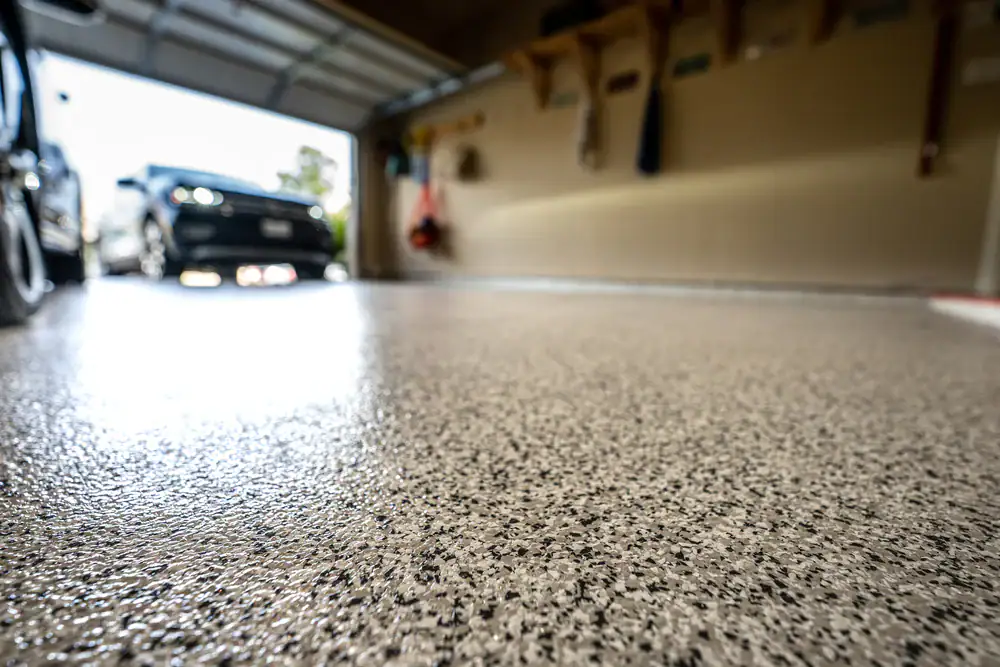
Epoxy Garage Floor Coating The Acreage
You’re not looking for the cheapest option. You want a garage floor that doesn’t bubble after the first rainy season, doesn’t peel when your tires are hot, and doesn’t turn into a maintenance project six months later.
That’s what happens when epoxy flooring gets installed by someone who understands Florida’s climate. The humidity here isn’t a minor inconvenience—it’s the reason most DIY kits and budget coatings fail fast. Moisture vapor moves through your concrete slab constantly, and if the installer doesn’t account for that, you’ll see bubbles, cracks, and delamination before the year’s out.
We use commercial-grade epoxy floor coating systems designed for high-moisture environments. The kind of materials that hold up in Coast Guard facilities and municipal garages across South Florida. Your floor gets the same prep work, the same products, and the same attention whether it’s a two-car garage in The Acreage or a 10,000-square-foot warehouse.
The result is a surface that resists chemical spills, handles heavy equipment, and looks clean with almost zero maintenance. You can walk on it in 12 hours. Drive on it in three days. And it’ll still look good a decade from now.
Epoxy Flooring Contractors The Acreage FL
SPF Industrial has been installing epoxy garage flooring and polished concrete across South Florida since 2020. We’re a veteran-owned company, and we bring that same standard of precision and accountability to every residential and commercial project we take on.
Everything we do is handled in-house. No subcontractors. No hand-offs. From shot-blasting and diamond grinding to the final topcoat, our full-time crew manages the entire process. That’s how we control quality and timelines.
We’ve worked with the Coast Guard, the U.S. Army, the City of Doral, the City of Sunny Isles, and county facilities throughout Palm Beach and Broward. If you’re in The Acreage and you want a garage floor coating that performs like the ones we install for government clients, that’s exactly what you’ll get.
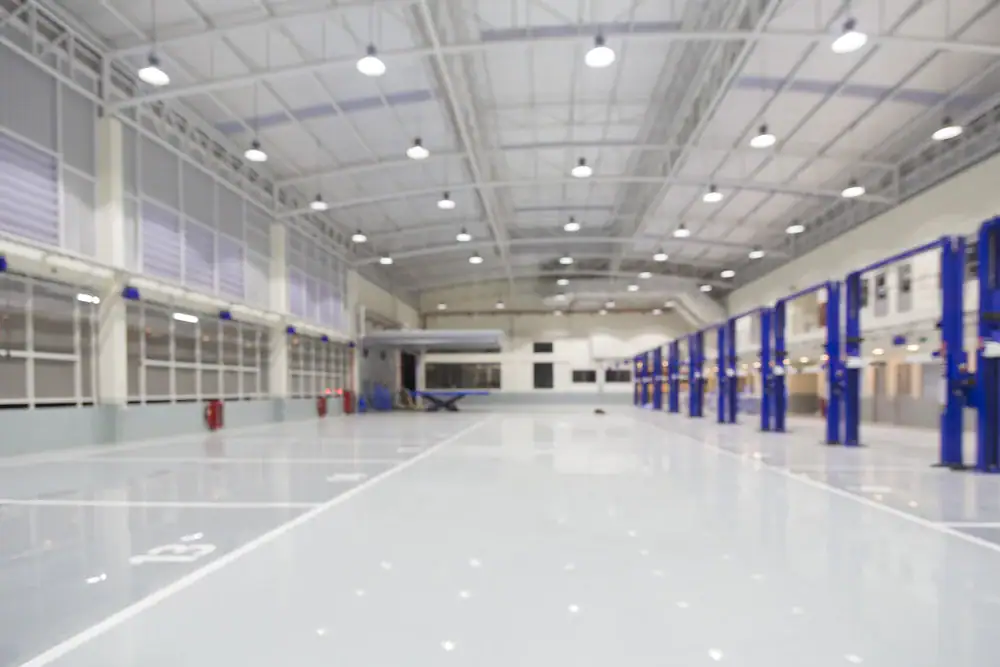
Garage Floor Coating Process The Acreage
We start with a moisture test. Not the kind you do with tape and plastic—we use a dual-method assessment that’s prevented over 90% of potential failures in our last 50 projects. If your slab has moisture issues, we address them before any coating goes down.
Next comes surface prep. We shot-blast or diamond-grind the concrete to open up the pores and create a profile that epoxy can actually bond to. This step is where most cheap jobs fail. If the surface isn’t prepped right, nothing else matters.
Then we apply a moisture-mitigating primer if needed, followed by the base coat. We use products from manufacturers like Laticrete, Sherwin-Williams, and Fosroc—commercial-grade systems that are built for Florida’s heat and humidity. You can choose from different finishes and colors depending on how you use the space.
The topcoat goes on last. It’s UV-resistant, chemical-resistant, and designed to handle the kind of abuse that comes with parking hot vehicles on it every day. After 12 hours, you can walk on it. After 72 hours, it’s ready for full vehicle traffic.

Ready to get started?
Garage Epoxy Flooring Options The Acreage
Every garage floor coating we install starts with a one-on-one consultation. We’ll walk the space, test for moisture, and recommend the system that makes sense for how you use your garage—whether that’s parking cars, running a workshop, or setting up a home gym.
You’ll get transparent pricing upfront. No surprises, no upsells after we start. We’ll also walk you through material options, finish types, and color choices so you know exactly what you’re getting.
In The Acreage, most homeowners are dealing with large properties, detached garages, and high expectations for quality. You’re not looking for a temporary fix. The epoxy garage floor systems we install are the same ones we use in high-traffic commercial facilities. They’re built to last 10 to 20 years with minimal maintenance.
We also offer rapid turnaround for projects that need to move fast. If you’re preparing a property for sale or working around a tight timeline, we can coordinate scheduling to get your floor done without dragging the project out for weeks. And because we’re local to South Florida, we understand what it takes to install epoxy flooring in this climate—high humidity, sudden storms, and heat that can compromise inferior products.
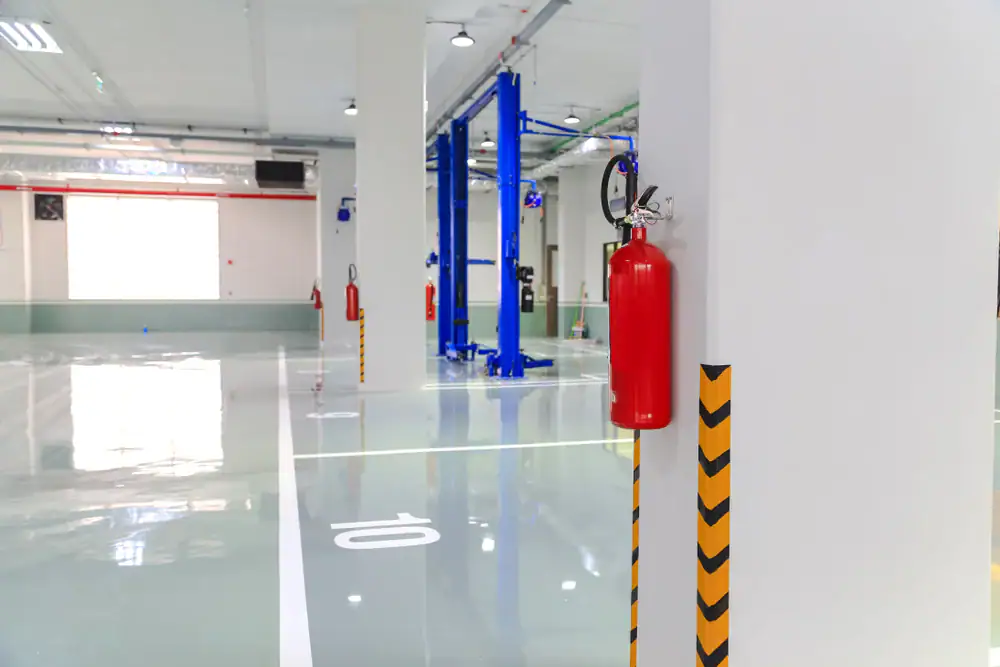
How long does garage epoxy flooring last in Florida’s climate?
If it’s installed correctly with commercial-grade materials, you’re looking at 10 to 20 years. The key word is “correctly.” Florida’s humidity and heat will destroy cheap epoxy or DIY kits within two to three years.
The difference comes down to surface prep and moisture management. If the concrete isn’t properly profiled and primed, the coating won’t bond. If moisture vapor isn’t addressed, it’ll push up through the slab and cause bubbling or delamination. We use dual-method moisture testing and commercial systems designed for high-moisture environments, which is why our installs hold up long-term.
You’ll also want a UV-resistant topcoat. Florida sun is brutal, and cheaper coatings will yellow or fade. The systems we use are formulated to resist UV damage, chemical spills, and the constant expansion and contraction that happens when your garage heats up and cools down every day.
What’s the difference between epoxy and other garage floor coatings?
Epoxy is a two-part system—resin and hardener—that chemically bonds to concrete and creates a rigid, durable surface. It’s thicker and more impact-resistant than paint or single-part coatings, and it handles heavy loads without chipping or peeling.
Other coatings, like polyurethane or acrylic, are easier to apply but don’t offer the same level of durability. They’re fine for light-duty spaces, but they won’t hold up to the kind of abuse a Florida garage sees—hot tires, humidity, chemical spills, and constant traffic. Epoxy floor coating is what we install in Coast Guard facilities and municipal garages because it’s built for punishment.
That said, not all epoxy is the same. The stuff you buy at a big-box store isn’t comparable to commercial-grade systems from manufacturers like Laticrete or Sherwin-Williams. The solids content, the cure time, and the chemical resistance are all different. If you want a floor that lasts, you need professional-grade materials and someone who knows how to install them in Florida’s climate.
Can you install epoxy flooring over cracked or damaged concrete?
Yes, but the cracks need to be repaired first. Epoxy won’t fix structural issues—it’ll just follow the existing damage. If your slab has cracks, spalling, or uneven areas, we’ll grind them down, fill them, and level the surface before any coating goes on.
For minor cracks, we use epoxy-based fillers that bond to the concrete and create a smooth, stable base. For larger damage, we may need to do more extensive resurfacing. Either way, the goal is to give the epoxy a solid foundation so it doesn’t crack or separate later.
If the concrete is severely damaged or has major moisture problems, epoxy might not be the right solution. We’ll tell you that upfront. There’s no point in coating a floor that’s going to fail in six months. Sometimes polished concrete or a full resurfacing job makes more sense, and we’ll walk you through those options if that’s the case.
How much does garage epoxy flooring cost in The Acreage?
For a standard two-car garage, you’re typically looking at $1,500 to $3,500, depending on the size, the condition of the concrete, and the system you choose. Larger garages or spaces that need significant prep work will cost more.
The price includes surface prep, moisture testing, repairs if needed, the epoxy system, and the topcoat. We don’t charge separately for each step—you get one number that covers the whole job. If we find issues during the moisture test or surface evaluation, we’ll let you know before we start so there are no surprises.
It’s worth noting that a professionally installed epoxy garage floor can increase your property value by $2,000 to $8,000, depending on the size and finish. In The Acreage, where homes are sitting on large lots with high property values, a finished garage is a selling point. Buyers see it as move-in ready, and it eliminates concerns about needing to replace or repair the floor down the line.
Will the epoxy floor be slippery when wet?
It can be if you choose a high-gloss finish without any texture. That’s why we recommend adding an anti-slip additive to the topcoat, especially if you’re in and out of the garage frequently or if the floor might get wet from rain, washing cars, or humidity.
The additive is a fine aggregate that gets mixed into the final coat. It creates a slightly textured surface that gives you traction without being rough or hard to clean. You won’t even notice it visually, but you’ll feel the difference when you’re walking on it.
If you’re using the garage as a workshop or gym, slip resistance is even more important. We’ll talk through your options during the consultation and recommend the right finish based on how you’re using the space. The goal is a floor that’s safe, functional, and easy to maintain—not just one that looks good in photos.
How soon can I use my garage after the epoxy is installed?
You can walk on it after 12 hours. Light foot traffic is fine at that point. For vehicles, you’ll want to wait 72 hours before driving on it. That gives the epoxy time to fully cure and reach its maximum hardness.
If you need to move faster, we can use a rapid-cure system that cuts the timeline down, but it’s not always necessary. Most homeowners are fine with the standard three-day cure. We’ll coordinate the schedule with you so the installation doesn’t disrupt your routine more than it has to.
Once it’s cured, the floor is ready for full use. You can park cars, move equipment, spill chemicals—whatever you normally do in your garage. The coating is designed to handle it. And because we’re using commercial-grade systems, you won’t see wear or fading for years. Just sweep it occasionally and wipe up spills. That’s it.
Other Services we provide in The Acreage
Leave a Reply