


Garage Epoxy Flooring in Verano, FL
Florida-Proof Garage Floors That Actually Last
Hear from Our Customers
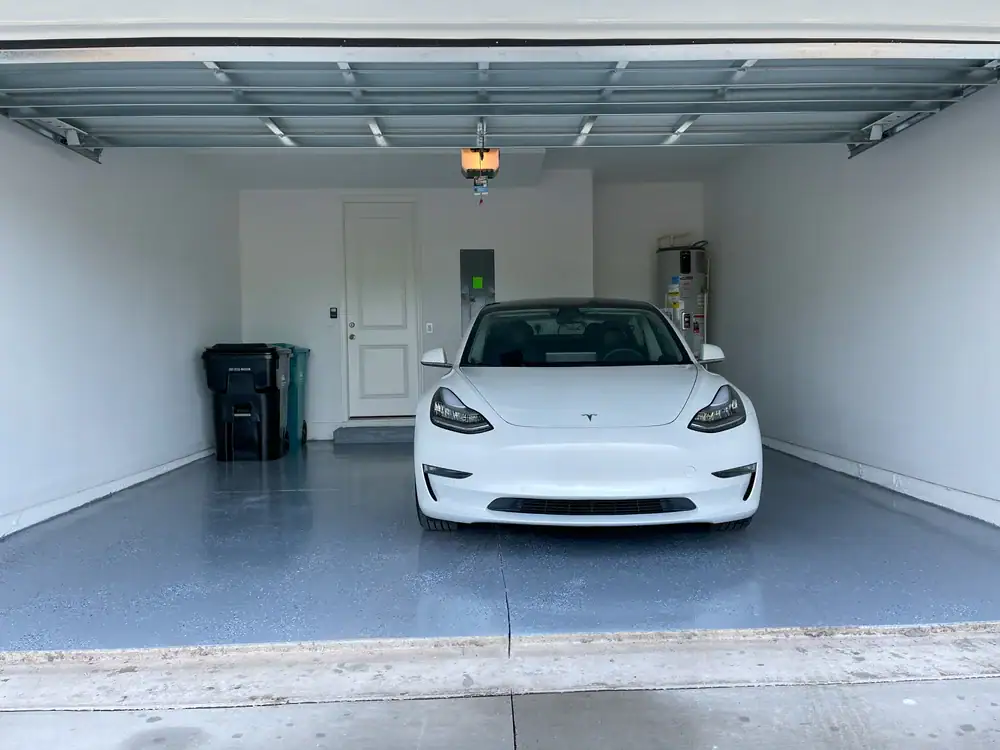
Epoxy Garage Floor Installation Verano
You’re tired of looking at stained, cracked concrete. Or maybe you tried a DIY epoxy kit that’s already peeling up like old wallpaper. Either way, you need a garage floor that works in South Florida’s climate, not against it.
Here’s what changes when your garage floor is done right. No more oil stains that won’t come out. No more worrying about hot tires lifting the coating. No more sweeping dust that just keeps coming back through porous concrete.
You get a seamless, non-porous surface that resists chemicals, moisture, and UV damage. Cleanup becomes a quick sweep or hose-down. And if you’re thinking about selling, a finished garage floor can add $10,000 to $15,000 in perceived value. Buyers notice.
The floor looks sharp. It performs. And it holds up for 15-20 years when installed correctly with the right products and prep work.
Professional Epoxy Flooring Contractors Verano
SPF Industrial is a veteran-owned epoxy and concrete polishing company serving Verano and the greater South Florida area. We’ve installed epoxy garage floors, polished concrete, and commercial coatings for homeowners, businesses, and government clients including the Coast Guard, US Military, City of Doral, and City of Sunny Isles.
We work directly with property owners, not through general contractors. That means you get transparent pricing, straight answers, and someone who actually shows up when they say they will.
We use Sherwin Williams and Fosroc product lines. We follow manufacturer training. And we don’t skip the prep work that makes or breaks an epoxy installation in Florida’s humidity. Most residential garage floors are done in 24-48 hours, and we offer emergency response if you need it.
Garage Floor Coating Process Verano
First, we assess your concrete. We’re checking for moisture issues, existing coatings, cracks, and surface contamination. If your slab is holding moisture, we address it before any coating goes down. Skipping this step is why most epoxy fails in Florida.
Next comes surface prep. We grind or shot-blast the concrete to open the pores and create a profile that epoxy can bond to. We fill cracks, patch spalls, and remove any oil or grease. This is the most important phase. If the prep is wrong, nothing else matters.
Then we apply a moisture-resistant primer formulated for humid conditions. Once that cures, we install the epoxy base coat, followed by color flakes if you want them, and a clear topcoat with UV inhibitors. We monitor humidity and temperature throughout the process, using dehumidification equipment when needed.
Most jobs take 1-2 days. The floor is ready for light foot traffic in 24 hours and full vehicle traffic in 3-5 days, depending on the system we use. We don’t rush the cure. That’s how coatings end up sticking to your tires instead of your floor.
Ready to get started?
Garage Epoxy Floor Options Verano FL
Every garage floor we install includes full surface preparation, crack repair, moisture testing, and a multi-coat epoxy system designed for Florida’s climate. You’re not getting a single-coat DIY product. You’re getting a professionally installed system with flexible resins that handle thermal expansion, UV inhibitors that prevent yellowing, and a chemical-resistant topcoat.
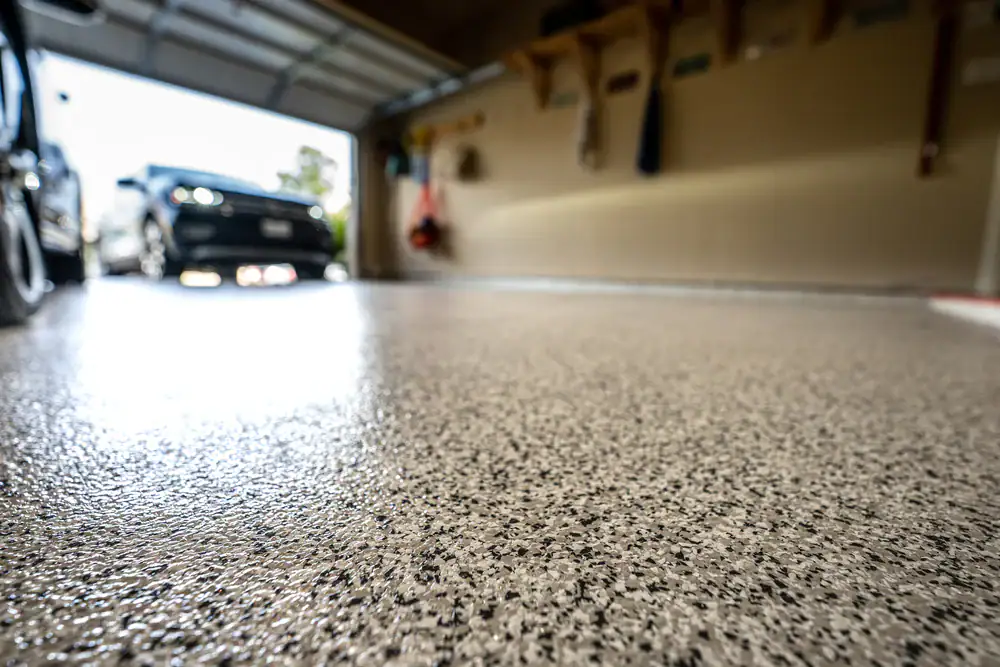
We offer solid colors, flake finishes, and metallic options depending on the look you want. The flake systems add texture for slip resistance and hide imperfections better than solid colors. Metallic systems give you a high-end, reflective finish that’s popular in showroom-style garages.
In Verano and across South Florida, we see a lot of homes with garages that double as workshops, gyms, or storage spaces. A proper epoxy floor makes those spaces more functional. It’s easier to clean, brighter with the reflective finish, and it doesn’t harbor dust, mold, or odors like bare concrete does.
The typical cost for a 400-square-foot two-car garage runs between $2,600 and $9,000 depending on the system and prep required. We give you transparent pricing upfront after we assess your floor. No surprises.
How long does epoxy flooring last in Florida’s climate?
A professionally installed epoxy garage floor lasts 15-20 years in Florida when it’s done right. The key is using products formulated for high humidity and UV exposure, which we do.
Most failures happen because the installer skipped moisture testing, didn’t prep the surface correctly, or used a product not rated for Florida’s conditions. We use moisture-resistant primers and flexible epoxy resins that handle the expansion and contraction that comes with temperature swings.
Your floor won’t last if it’s installed during a rainstorm with 90% humidity and no climate control. We monitor conditions and use dehumidifiers when needed. That’s the difference between a floor that lasts two decades and one that bubbles up in two years.
Will the epoxy coating peel when I park my car on it?
Not if it’s fully cured before you park on it. Hot tire pickup happens when epoxy hasn’t cured properly and warm tires literally lift the coating off the concrete. It’s one of the most common problems with rushed or DIY installations.
We don’t let you park on the floor until it’s ready. That’s usually 3-5 days depending on the system and the temperature. Some coatings cure faster in Florida’s heat, but we follow manufacturer guidelines, not shortcuts.
We also use topcoats with higher heat resistance. If you’re parking a vehicle that’s been sitting in the sun or just came off the highway, the floor needs to handle that without softening. Cheap coatings can’t. The systems we install can.
Can you install epoxy over my existing garage floor coating?
Sometimes, but usually it’s better to remove the old coating first. If the existing coating is already peeling, bubbling, or delaminating, anything we put over it will fail too. The new epoxy is only as good as what’s underneath it.
We test the bond of your existing coating. If it’s solid and compatible with what we’re installing, we can prep and coat over it. But if there’s any question, we remove it. That usually means grinding it off, which adds time and cost, but it’s the right way to do it.
A lot of homeowners try to save money by coating over a failing floor. It doesn’t work. You end up paying twice—once for the bad job and again to fix it. We’d rather do it right the first time.
What’s the difference between epoxy and other garage floor coatings?
Epoxy is a two-part system that chemically bonds to concrete. It’s thicker, harder, and more durable than single-component paints or sealers. Garage floor paint sits on top of the concrete and wears off quickly, especially in high-traffic areas.
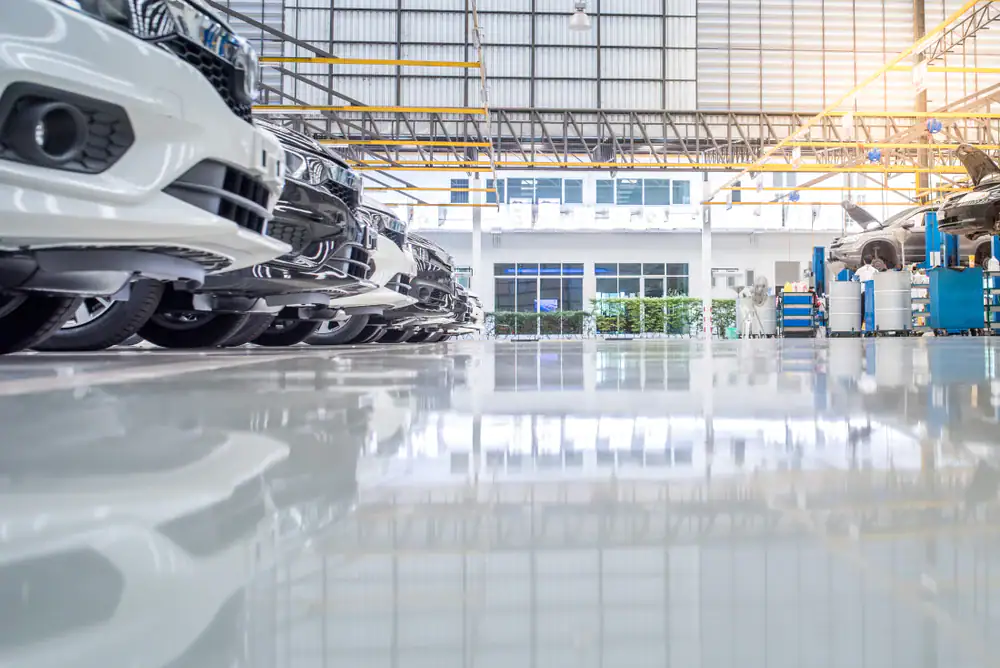
Epoxy creates a protective layer that’s resistant to chemicals, abrasion, and moisture. It’s what you see in commercial warehouses, auto shops, and industrial facilities because it holds up under heavy use. For a residential garage in Florida, it’s the best option if you want something that lasts.
Polyurethane and polyaspartic coatings are other options. They cure faster and have better UV resistance, but they’re more expensive. We use them as topcoats over epoxy to get the best of both—epoxy’s durability and polyurethane’s UV protection. It depends on your budget and timeline.
How do I maintain my epoxy garage floor after installation?
Maintenance is simple. Sweep or blow off dirt and debris regularly. Mop with a mild cleaner and water when it gets dirty. That’s it. The seamless, non-porous surface doesn’t trap dirt or absorb stains like bare concrete does.
If you spill oil, gasoline, or chemicals, wipe them up when you can. Epoxy resists most automotive fluids, but leaving them sitting for weeks isn’t ideal. A quick cleanup keeps the floor looking new.
Avoid using harsh acidic cleaners or metal scrapers that can scratch the topcoat. If you’re dragging heavy equipment or toolboxes across the floor, use furniture pads or rubber wheels. The floor is durable, but it’s not indestructible. Treat it reasonably and it’ll last 15-20 years without needing a recoat.
How much does garage epoxy flooring cost in Verano, FL?
For a standard 400-square-foot two-car garage, expect to pay between $2,600 and $9,000. The range depends on the condition of your concrete, the level of prep required, and the type of finish you choose. Solid colors are less expensive than flake or metallic systems.
If your floor has significant cracking, moisture issues, or an old coating that needs removal, the cost goes up. We give you a clear estimate after we assess your garage. No hidden fees or surprise charges.
Some companies advertise low prices and then upsell you once they’re on-site. We don’t do that. You’ll know what you’re paying before we start, and that price includes all prep, materials, labor, and cleanup. We prefer dealing directly with homeowners, so you’re not paying a general contractor’s markup either.
Other Services we provide in Verano
Leave a Reply