


Garage Epoxy Flooring in Virginia Gardens, FL
Floors That Handle Florida’s Heat and Humidity
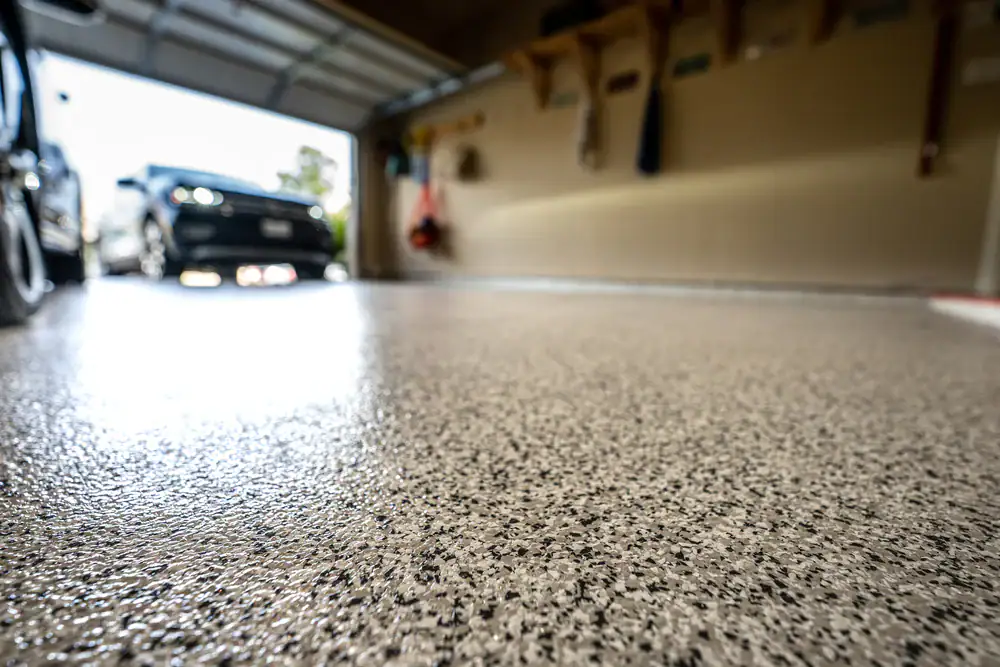
Hear from Our Customers
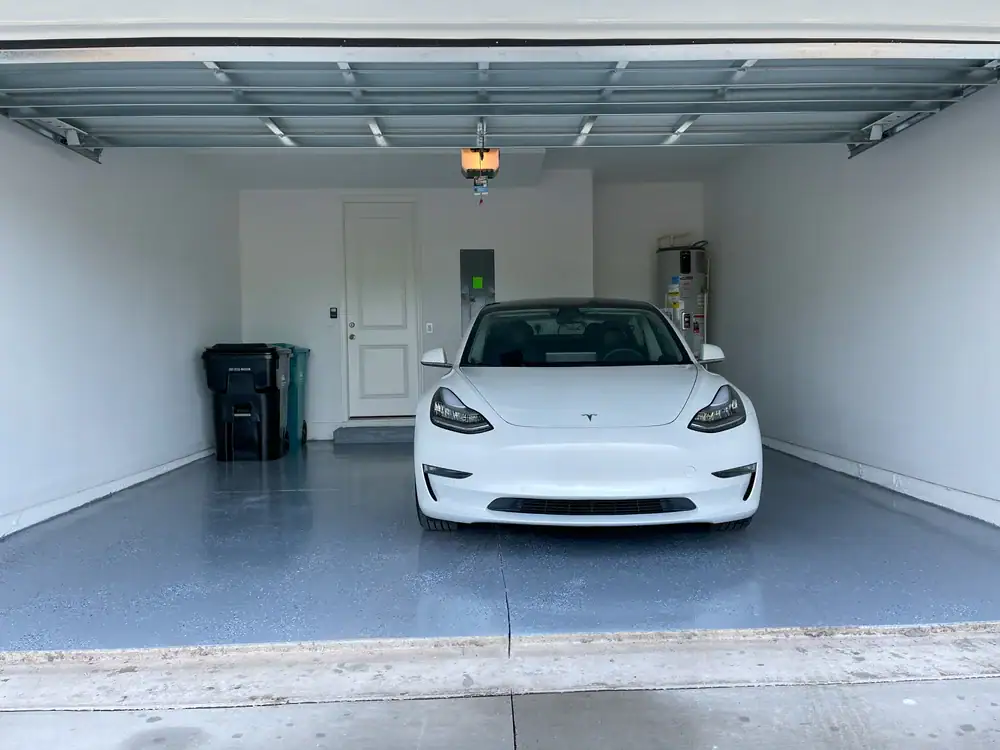
Epoxy Garage Floor Solutions Virginia Gardens
You walk into your garage and the floor actually looks finished. No more oil stains that won’t come up. No more dust tracked into the house. The surface shrugs off spills, resists hot tire pickup, and cleans with a quick mop.
Most epoxy garage floor installations in Virginia Gardens, FL fail because installers skip the prep work or use products that can’t handle 74% average humidity. We use moisture-resistant primers and commercial-grade epoxy floor coating systems designed specifically for South Florida’s conditions. We shot-blast or diamond-grind the concrete, repair cracks properly, and apply urethane topcoats that won’t yellow under UV exposure.
The result is a garage floor coating that holds up to daily use without constant maintenance. You’re not repainting in two years. You’re not dealing with peeling edges or moisture blisters. The floor just works, year after year, even during hurricane season when groundwater sits 18-24 inches below the surface.
Trusted Epoxy Flooring Contractors Virginia Gardens
We’ve been installing garage epoxy flooring across Miami-Dade, Broward, and Palm Beach counties since 2020. We’ve handled projects for the Coast Guard, US Army, City of Doral, City of Sunny Isles, and multiple county facilities. That portfolio exists because we get the details right.
Virginia Gardens properties face unique challenges. High water tables, constant humidity, and intense UV exposure destroy standard epoxy systems. We account for dew point, use low-VOC formulations that cure properly in humid conditions, and apply coatings thick enough to resist Florida’s sun breaking down the finish 40% faster than in cooler climates.
You’re not getting a crew that learned epoxy flooring in a different climate and hopes it works here. You’re getting contractors who understand what moisture does to concrete in South Florida and how to prevent it from ruining your investment.
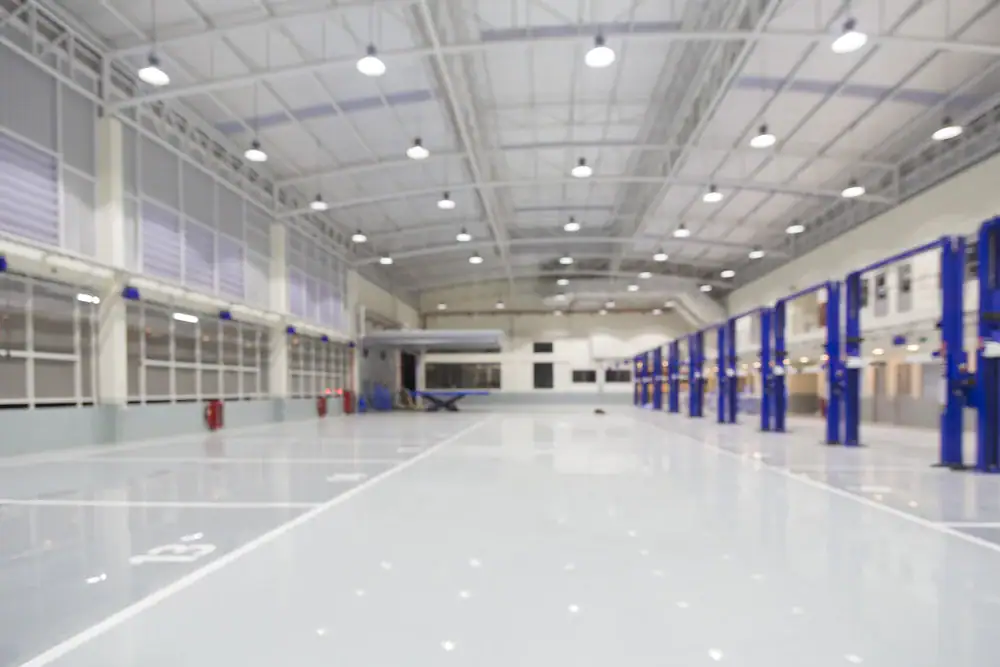
Garage Floor Coating Installation Process
First, we assess your concrete. We’re checking for moisture levels, existing coatings, cracks, and surface contamination. If the slab isn’t ready, no coating will stick properly regardless of quality.
Next comes surface preparation. We shot-blast or diamond-grind to open the concrete’s pores, creating a profile that epoxy can bond to. We repair cracks with flexible fillers that move with the concrete instead of cracking out. We remove oil stains completely because epoxy won’t adhere over petroleum residue.
Then we apply a moisture-resistant primer designed for Florida’s humidity. This seals the concrete and prevents groundwater vapor from pushing up through the coating. We follow with commercial-grade epoxy flooring in your chosen finish, then seal everything with a urethane topcoat that resists chemicals, abrasion, and UV yellowing.
Most residential garage floor painting projects finish in 24-48 hours. Commercial jobs take longer depending on square footage. Either way, you’re not waiting weeks for a usable floor. We work fast without cutting corners on cure times or coat thickness.

Ready to get started?
Garage Floor Coatings Built for Virginia Gardens
Every garage epoxy flooring project starts with a consultation where we discuss your space, usage, and budget. We give you transparent pricing upfront. No surprises when the job’s done.
You get full concrete preparation including crack repair, oil stain removal, and mechanical surface profiling. We don’t acid-etch because it doesn’t create enough texture for proper adhesion in high-moisture environments like Virginia Gardens, FL. We use shot-blasting or diamond grinding instead.
The coating system includes moisture-resistant primer, commercial-grade epoxy, and urethane topcoat. We source materials from manufacturers like Laticrete, Sherwin Williams, Fosroc, and Flowcrete. These aren’t retail-grade products. They’re industrial formulations that handle forklift traffic, chemical spills, and constant wear.
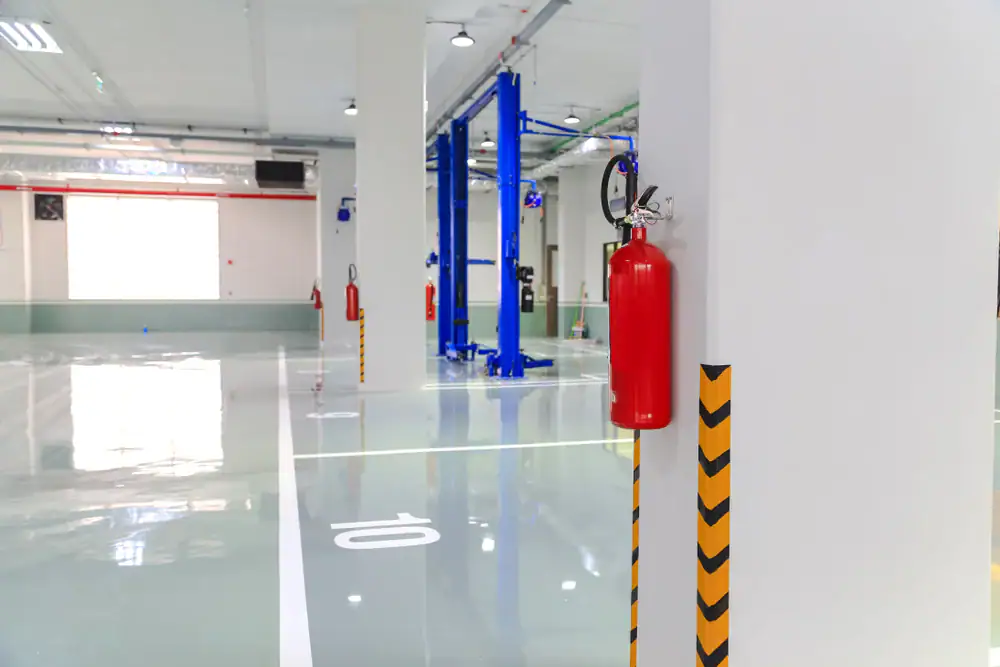
You also get options for decorative flake finishes, non-slip additives, and custom colors. If you need safety line striping for a commercial garage, we handle that too. The goal is a floor that meets your functional needs and looks professional, whether clients are visiting your business or you’re just tired of an ugly garage at home.
How much does garage epoxy flooring cost in Virginia Gardens, FL?
Residential garage floor coating typically runs between $3-$12 per square foot depending on the system you choose and your concrete’s condition. A standard two-car garage averages 400-600 square feet, putting most projects in the $1,200-$7,200 range.
That price includes surface preparation, crack repair, primer, epoxy, and topcoat. If your concrete has extensive damage, needs moisture mitigation, or requires decorative finishes, costs increase. Commercial projects price differently based on square footage, required durability, and chemical resistance needs.
The cheapest option isn’t always the best investment. Retail-grade epoxy garage floor kits sold at home improvement stores cost less upfront but often fail within 1-2 years in Florida’s climate. You’ll spend more removing the failed coating and starting over than you would have spent on a professional installation initially. We price our work to last 10-20 years, not to be the lowest bid that peels off in 18 months.
How long does epoxy flooring installation take?
Most residential garage floor painting projects complete in 24-48 hours from start to finish. Day one covers surface preparation, repairs, and primer. Day two handles epoxy application and topcoat. You can walk on the floor after 24 hours and drive on it after 72 hours.
Commercial installations take longer depending on square footage and complexity. A 5,000-square-foot warehouse might need 3-5 days. Larger facilities can take a week or more, though we often work in sections to minimize disruption to your operations.
Weather affects timing in Virginia Gardens, FL. High humidity slows cure times, and we won’t apply coatings if rain is forecast within the cure window. We also monitor dew point because condensation between coats causes delamination. We’d rather delay a day than install a floor that fails in six months because we rushed the process during poor conditions.
Will epoxy flooring hold up to Florida’s humidity and heat?
Properly installed epoxy floor coating handles Florida’s climate without issues. The key is using moisture-resistant primers and commercial-grade materials designed for high-humidity environments. Retail products and installers unfamiliar with South Florida conditions create most of the failures you see.
Virginia Gardens averages 74% humidity year-round, with levels hitting 90%+ during summer. Groundwater sits 18-24 inches below the surface during rainy season, creating constant moisture pressure against your concrete slab. If the installer doesn’t account for this, moisture vapor pushes up through the coating, causing bubbles, delamination, and peeling.
We use primers that block moisture transmission and epoxy systems with enough flexibility to handle concrete movement from temperature swings. The urethane topcoat resists UV yellowing, which matters because Florida’s sun breaks down standard epoxy 40% faster than in northern climates. Hot tire pickup—where tires peel coating off the floor—happens when installers use soft epoxy formulations. We use harder systems that resist this issue even when your car sits in the sun all day before pulling into the garage.
What’s the difference between epoxy and other garage floor coatings?
Epoxy creates a thick, durable surface that bonds chemically to concrete. It’s harder and more chemical-resistant than paint, which just sits on top of the concrete and wears off quickly. Epoxy garage floors typically last 10-20 years with proper installation and maintenance.
Polyaspartic coatings cure faster than epoxy and resist UV yellowing better, but they cost more and require precise application because you can’t fix mistakes once they start curing. They’re excellent for commercial spaces that can’t shut down for days, but epoxy offers better value for most residential garages.
Concrete stains and sealers penetrate the surface rather than coating it. They’re more breathable, which helps in high-moisture environments, but they don’t provide the same level of protection or ease of cleaning. You’re still looking at bare concrete texture, just colored and somewhat protected. Epoxy flooring gives you a smooth, sealed surface that cleans with a mop and resists stains completely.
How do I maintain an epoxy garage floor?
Sweep or blow off loose dirt regularly. Mop with water and a mild cleaner when needed. That’s basically it. Epoxy garage floor maintenance is minimal compared to bare concrete, which absorbs stains and requires constant scrubbing.
Avoid using acidic cleaners or degreasers with citrus, vinegar, or harsh chemicals. These can dull the finish over time. Stick with pH-neutral cleaners designed for epoxy flooring. If you spill automotive fluids, wipe them up reasonably soon. The coating resists chemicals, but leaving battery acid or transmission fluid sitting for days isn’t great for any floor.
Place mats under toolboxes or heavy equipment if you’re concerned about scratches, though commercial-grade epoxy floor coating resists abrasion well. If you drop something heavy enough to chip the coating, small repairs are possible. The floor won’t suddenly fail because of one chip. In Virginia Gardens, FL, the biggest maintenance concern is keeping the surface clean so you can spot any moisture issues early if they develop, though proper installation prevents this.
Can you install epoxy flooring over existing coatings or damaged concrete?
Sometimes, but usually it’s better to remove old coatings first. If there’s existing paint, sealer, or failed epoxy, we need to strip it completely. Epoxy bonds to concrete, not to whatever’s already on the concrete. Installing over old coatings means your new floor is only as strong as the weakest layer underneath.
Damaged concrete needs repair before coating. Small cracks get filled with flexible epoxy fillers that move with the slab. Large cracks, spalling, or structural issues require more extensive repair. If the damage is severe enough, we’ll tell you epoxy isn’t the right solution until you address the underlying concrete problems.
Moisture is the biggest concern in Virginia Gardens, FL. If your concrete is actively transmitting water vapor, we need to address that before applying garage floor coatings. This might mean moisture-blocking primers, extended cure times, or in extreme cases, telling you the slab isn’t suitable for epoxy until drainage issues get fixed. We’re not going to install a floor that fails in six months just to get the job. You’re better off knowing the real situation upfront.
Other Services we provide in Virginia Gardens
Leave a Reply