


Garage Epoxy Flooring in Washington Park, FL
Turn Your Garage Into Usable Space Again
Hear from Our Customers
Epoxy Floor Coating Washington Park
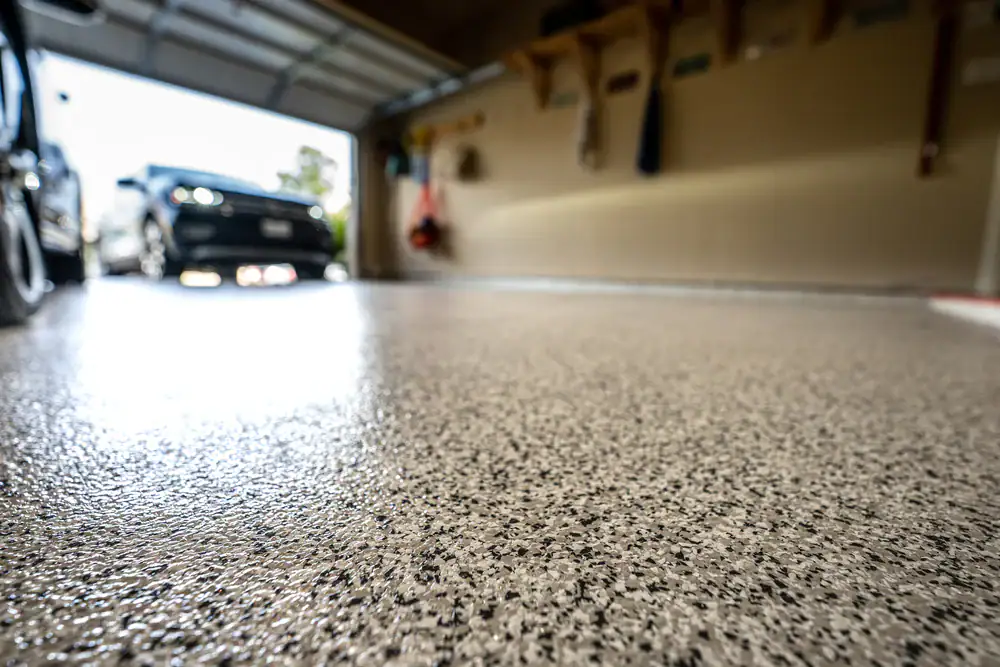
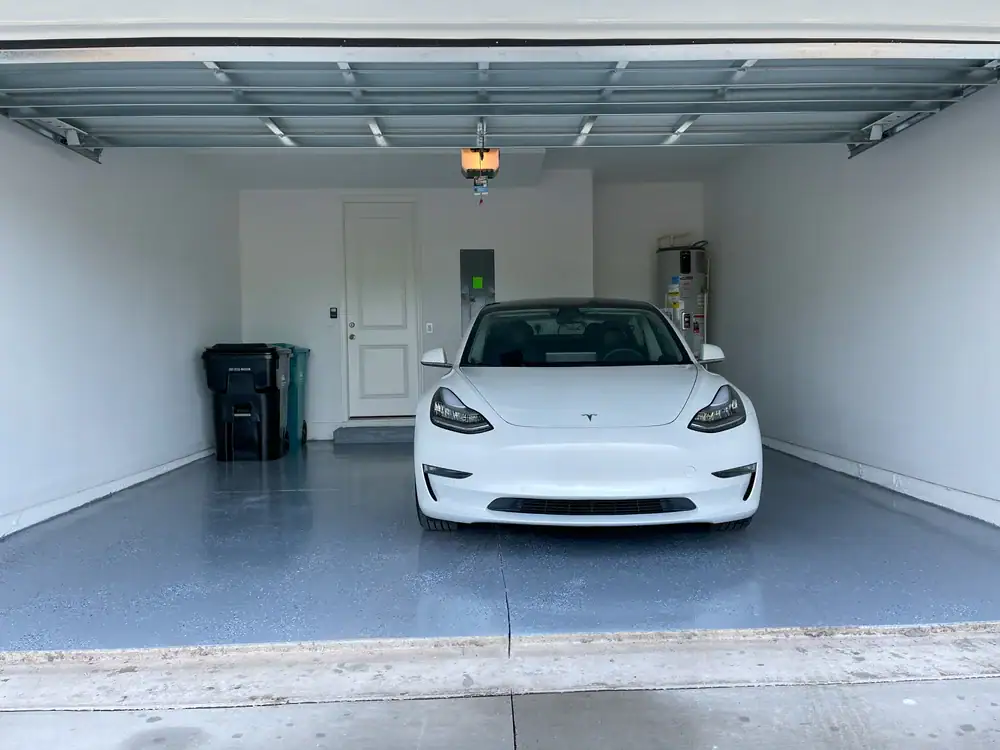
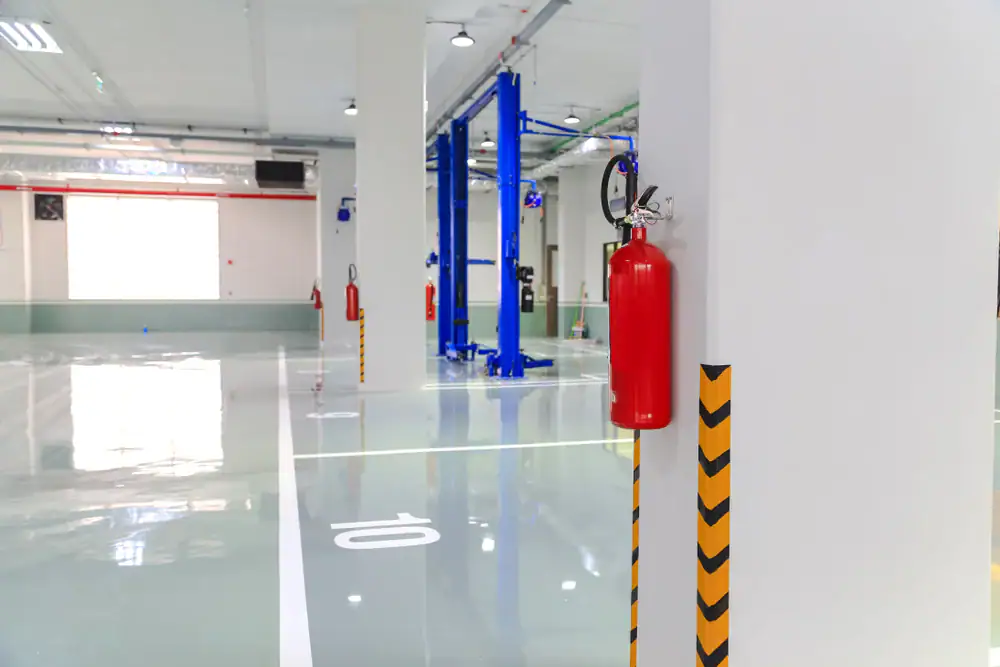
Your garage stops being the room you avoid. The floor actually looks clean, reflects light better than bare concrete, and you can hose it down without worrying about damage.
Spills from oil, antifreeze, or battery acid wipe up in seconds. The coating resists the salt and sand tracked in from Washington Park roads, and it won’t yellow under UV exposure like cheaper alternatives do. You’re not repainting every few years or dealing with peeling chips that make the floor look worse than when you started.
The surface cures hard enough to park on within 24 hours. You can walk on it in six hours. That’s faster than most garage floor painting jobs, and the result lasts decades instead of seasons. No dust kicking up from the concrete. No slip hazards when the floor gets wet. Just a clean, functional space that finally matches the rest of your home.
Epoxy Flooring Contractors Washington Park
We’ve been installing epoxy garage floors and polished concrete systems across South Florida since 2020. We’ve completed projects for the Coast Guard, US Army, City of Doral, City of Sunny Isles, and multiple county facilities. Those clients don’t hire contractors who cut corners.
Washington Park homeowners deal with the same concrete challenges our commercial clients face: moisture from humidity, temperature swings that crack slabs, and constant exposure to chemicals. We use the same preparation methods and coating systems for your garage that we use on military installations. The process doesn’t change based on project size.
We work directly with you, not through a general contractor. You get transparent pricing, a clear timeline, and access to the same Sherwin Williams and Fosroc products we use on government jobs. No upselling. No surprises. Just a straightforward installation backed by a lifetime warranty on residential work.
Garage Floor Coating Installation Process
We start with surface preparation, which determines whether your epoxy garage floor lasts two years or twenty. That means grinding down the concrete to remove old coatings, oils, and contaminants that prevent adhesion. We fill cracks and repair damaged areas so the substrate is level and stable.
Next comes the primer coat, which bonds to the prepared concrete and creates the foundation for the epoxy system. We’re not rolling on a single layer and calling it done. The base coat goes down first, followed by color flakes or metallic pigments if you want them, then a clear topcoat that provides UV resistance and chemical protection.
The resin and hardener mix creates a chemical reaction that cures into a rock-hard surface. You’ll smell nothing during installation because we use low-VOC formulations. The floor is walkable in six hours and ready for vehicle traffic in 24. We clean up completely, walk the job with you, and follow up after installation to make sure everything performs as expected. You’re not waiting weeks to use your garage again.
Ready to get started?
Garage Epoxy Flooring Options Washington Park
You get full surface preparation with diamond grinding equipment, not just a quick acid etch that fails in humid climates like Washington Park. We repair all cracks and surface defects before any coating goes down. The epoxy system includes primer, base coat, optional decorative flakes or metallic finish, and a clear UV-resistant topcoat.
Florida garages face specific challenges that cheaper garage floor coatings can’t handle. Moisture vapor from the ground pushes up through concrete slabs, especially in areas with high water tables like Washington Park. We test for moisture issues and apply vapor barriers when needed. The coating system we install is designed for high-humidity environments, not just temperature-controlled showroom floors.
You also get anti-slip additives mixed into the topcoat, which matters when you’re walking on a wet surface near power tools or vehicle jacks. The finish amplifies existing light, so your garage looks brighter without adding fixtures. And because the coating is seamless, there are no grout lines to trap dirt or moisture. The entire floor cleans with a damp mop or garden hose.
We’re not the cheapest option in Washington Park, and that’s intentional. You’re paying for preparation work that most contractors skip, professional-grade materials that don’t fail in Florida’s climate, and installation experience from projects where failure isn’t acceptable. The floor costs more upfront and saves you money over the next twenty years.
How long does epoxy garage flooring last in Florida’s climate?
A properly installed epoxy garage floor lasts 15 to 20 years in Florida, sometimes longer depending on use and maintenance. The key word is “properly installed.” Most failures happen because the contractor skipped surface preparation or used a coating system not designed for high humidity.
Florida’s climate is hard on garage floors. Moisture vapor rises through concrete slabs year-round, and temperature swings cause expansion and contraction that can crack weaker coatings. We use epoxy systems with flexible properties that move with the concrete instead of cracking. The chemical bond between resin and hardener creates a coating that’s significantly stronger than paint or single-part epoxies sold at home improvement stores.
You’ll see cheap garage floor painting jobs fail within two to five years. The coating yellows under UV light, chips around the edges, and peels up in sheets when moisture gets underneath. That doesn’t happen with a two-part epoxy system installed over properly prepared concrete. We back residential installations with a lifetime warranty because we know the floor will outlast cheaper alternatives by a decade or more.
What’s the difference between epoxy and garage floor paint?
Epoxy floor coating is a two-part system where resin and hardener chemically react to form a rigid, durable surface. Garage floor paint is a single-part acrylic or latex coating that dries through evaporation. The difference in performance is significant.
Paint sits on top of concrete and bonds mechanically, which means it can peel or chip when something impacts the surface. Epoxy bonds chemically at the molecular level and becomes part of the concrete substrate. It’s exponentially harder and more resistant to chemicals, abrasion, and moisture. You can drop a wrench on epoxy and it won’t chip. Do that on painted concrete and you’ll see bare concrete underneath.
Paint also can’t handle Florida’s humidity. Moisture vapor pushes up through the slab and lifts the paint film, causing bubbles and peeling. Epoxy systems are designed to handle vapor transmission without delaminating. The thickness matters too. Paint goes on thin, usually one or two coats at a few mils thick. Epoxy builds up in layers that can be 10 to 20 mils thick, creating a protective barrier that actually changes how the concrete performs. If you’re comparing costs, remember that repainting every three years adds up fast. Epoxy costs more once and lasts decades.
Can you install epoxy over my existing garage floor coating?
Sometimes, but only if the existing coating is fully bonded and compatible with epoxy. Most of the time, the old coating needs to come off completely. If there’s any peeling, bubbling, or delamination, we’re removing it down to bare concrete before starting.
The problem with coating over existing materials is that your new epoxy is only as strong as whatever it’s bonded to. If the old paint or coating fails, the epoxy fails with it. We’ve seen contractors try to save time by coating over failing paint, and the entire system peels up within months. That’s not a risk worth taking.
We use diamond grinding equipment to remove old coatings and profile the concrete surface at the same time. This creates the texture needed for proper epoxy adhesion and removes any contaminants that would prevent bonding. It adds time to the job, but it’s the difference between a floor that lasts two years and one that lasts twenty. If your existing coating is in good shape and compatible, we’ll test adhesion and make the call. But in most Washington Park garages we work in, the old coating is already compromised by humidity and needs to go.
How soon can I park my car after epoxy installation?
You can park your car on the epoxy garage floor 24 hours after we finish the topcoat. You can walk on it in six hours. That’s significantly faster than most concrete coatings, and it’s one reason we use polyaspartic topcoats on projects where downtime matters.
The curing process depends on temperature and humidity, which is why Florida installations sometimes cure faster than the same system would in a cold climate. The chemical reaction between epoxy resin and hardener generates heat and hardens the coating from the inside out. It’s not drying like paint. It’s curing into a solid mass.
We don’t recommend rolling heavy equipment or parking a lifted truck on the floor for the first 72 hours, even though the coating is hard enough for normal vehicles at 24 hours. The epoxy continues to cure and harden over the first week, reaching full strength around day seven. But for normal use, you’re back in your garage the next day. Compare that to painted floors that need 48 to 72 hours before light foot traffic and up to a week before parking. If you need your garage functional fast, epoxy garage flooring is the better option.
Will the epoxy floor be slippery when wet?
Not if it’s installed correctly with anti-slip additives in the topcoat. A bare epoxy surface can be slippery when wet, which is why we mix in texture that provides traction without making the floor hard to clean.
The anti-slip additives are fine particles that create a slightly textured surface. You won’t feel it underfoot when the floor is dry, but it provides grip when water, oil, or other liquids are present. This matters in a garage where you’re tracking in rain from Washington Park streets or hosing down the floor after working on a vehicle.
Some contractors skip this step to save money or because they don’t think about how the floor will perform in real-world conditions. We include it standard because a slippery garage floor near sharp tools or heavy equipment is a safety issue. The texture doesn’t compromise the coating’s durability or make it harder to clean. You still get a smooth, glossy finish that mops clean in minutes. You just don’t have to worry about slipping when the surface is wet.
What maintenance does an epoxy garage floor need?
Almost none. Sweep or blow off loose dirt when it builds up, and mop with water or a mild cleaner when the floor looks dirty. That’s it.
Epoxy garage floors don’t require sealing, waxing, or special treatments. The topcoat is the protective layer, and it’s designed to handle years of use without breaking down. Spills wipe up with a rag or paper towel. Oil, antifreeze, brake fluid, and most household chemicals won’t stain or damage the surface if you clean them up within a reasonable time.
For deeper cleaning, you can use a garden hose or pressure washer on a low setting. The seamless surface means there’s nowhere for dirt or moisture to hide. Avoid using harsh solvents or acidic cleaners regularly, as they can dull the finish over time, but normal cleaning products are fine. The floor won’t absorb stains like bare concrete does, and it won’t chip or peel like paint. Most Washington Park homeowners tell us their epoxy garage floor is the easiest surface in their home to maintain. You’re not scrubbing concrete or repainting every few years. You’re just keeping it clean, and that takes minutes.
Other Services we provide in Washington Park
Leave a Reply