


Garage Epoxy Flooring in West Park, FL
Floors That Handle Florida Heat and Humidity
Hear from Our Customers
Epoxy Floor Coating Built for West Park
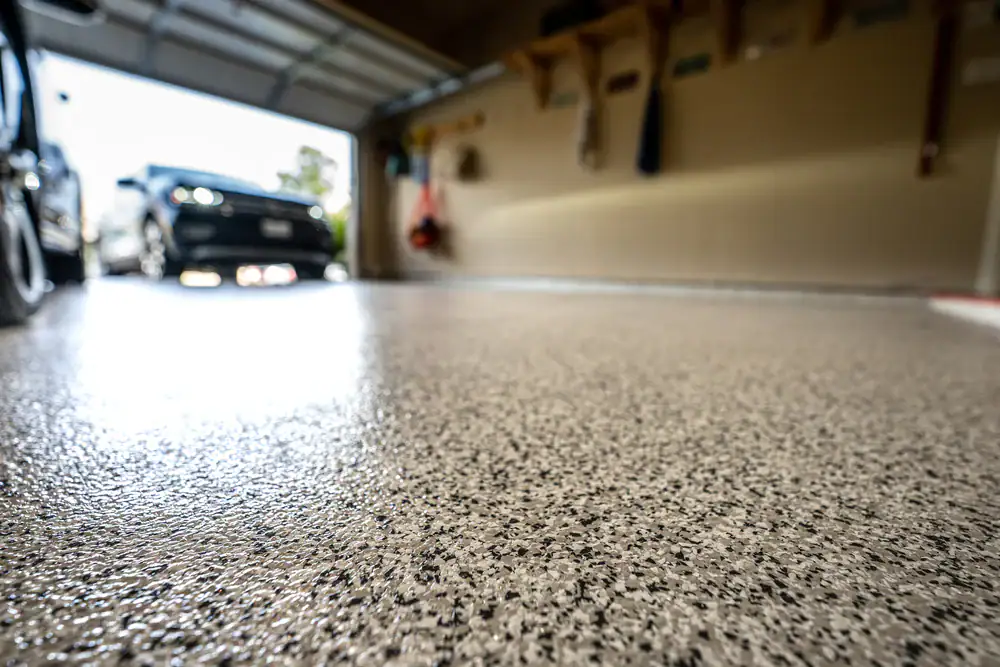
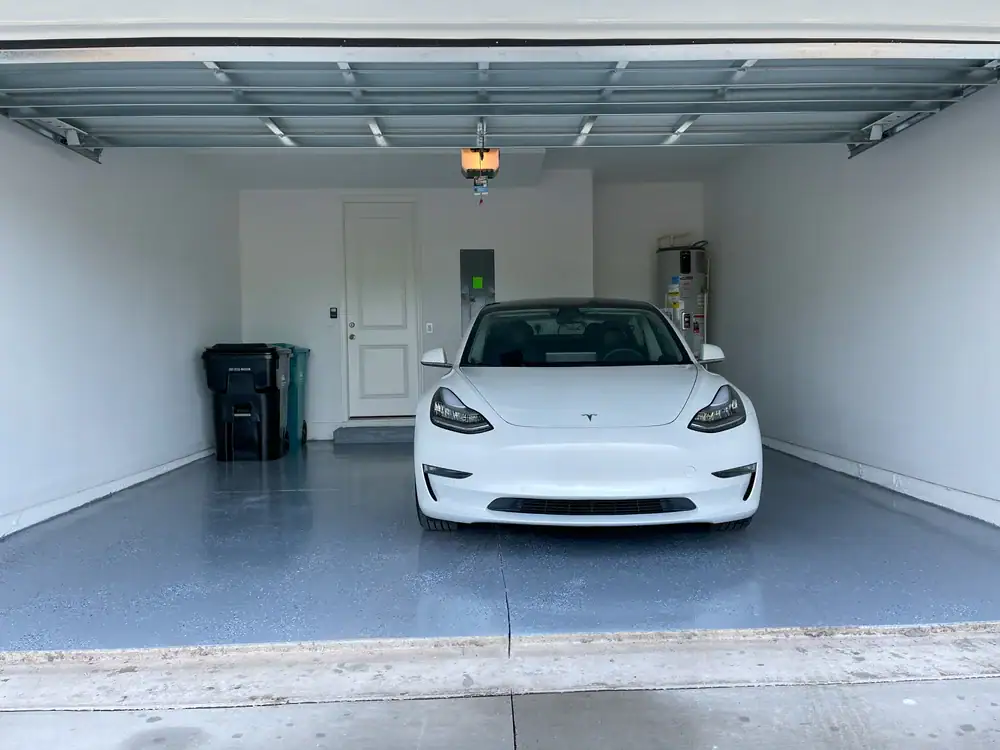
You’ll walk into a garage that looks cleaner than it ever has. The floor reflects light instead of absorbing dust. Spills wipe up in seconds instead of staining concrete.
Your car sits on a surface that won’t crack under Florida’s heat or bubble when humidity spikes. You’re not repainting in three years or dealing with peeling coatings after one rainy season.
The floor stays cool underfoot even in summer. It resists the salt air that eats away at untreated concrete across South Florida. You’re looking at 15-20 years of performance if you maintain it properly, which takes almost no effort compared to bare concrete that constantly sheds dust and absorbs every oil drip.
This is what happens when the installation is done right the first time. No shortcuts on surface prep. No cheap coatings that yellow under UV exposure. Just a garage floor that works as hard as you do.
West Park Epoxy Flooring Specialists
We started SPF Industrial in July 2020, and we’ve spent the last four years learning exactly what works in West Park’s climate. We’re veteran-owned, which means we show up on time and finish what we start.
We don’t use subcontractors. Every person on your job is a full-time SPF employee who’s done hundreds of garage floors across Broward County. We’ve worked with the Coast Guard, US Army, City of Doral, and Sunny Isles on their facilities, so we know how to handle projects that can’t afford to fail.
You’ll talk directly to us from estimate to completion. No middleman. No runaround. We use Sherwin Williams and Fosroc products because they hold up in Florida’s humidity better than the big-box store kits that most homeowners try and regret.
Our Garage Floor Coating Process
We start with surface preparation, which is where most DIY jobs and cheap contractors fail. We grind down the concrete to remove any existing coatings, sealers, or contaminants. This creates the rough profile that epoxy needs to bond properly. If there’s moisture vapor coming through your slab, we address it now, not after the coating fails.
Next comes crack repair and filling any imperfections. Florida concrete moves and settles. We don’t just coat over problems and hope they disappear.
Then we apply the base coat of epoxy or polyaspartic coating, depending on what your garage needs. If you want decorative flakes for texture and style, we broadcast them into the wet coating and seal everything with a clear topcoat. If you prefer a solid color or metallic finish, we have options for that too.
The floor is ready to walk on in six hours. You can park your car on it within 24 hours. Full cure takes about a week, but you’re not waiting around wondering when you can use your garage again.
We clean up completely. You won’t find dust or coating residue tracked into your house.
Ready to get started?
Epoxy Garage Flooring Options in West Park
You get a floor system engineered for South Florida. That means coatings that resist UV yellowing from the sun exposure your garage gets every afternoon. It means moisture barriers that prevent the humidity from pushing up through your concrete and causing bubbles or delamination.
West Park sits in a humid subtropical zone where temperatures hit 90+ degrees for months at a time. Your garage floor needs to handle hot tires that can pull up weak coatings. Our polyaspartic systems cure fast and bond stronger than standard epoxy, which is why we use them for residential garages that see daily vehicle traffic.
You’ll choose from solid colors, decorative flake blends, or metallic finishes. The flake systems hide imperfections better and add slip resistance. Solid colors give you a clean, modern look. Metallic finishes create depth and visual interest if you’re turning your garage into a showroom space.
Every installation includes proper surface prep, crack repair, your chosen coating system, and a clear topcoat that protects against chemicals, abrasion, and UV damage. We don’t charge extra for moving typical garage items or basic cleaning. You’re paying for a complete job, not a list of add-ons that inflate the price after we arrive.
How long does garage epoxy flooring last in West Park’s climate?
A professionally installed epoxy garage floor typically lasts 15-20 years in West Park if you maintain it properly. That means sweeping regularly and wiping up spills instead of letting them sit. Florida’s humidity and heat are hard on coatings, which is why surface preparation matters so much.
DIY kits from hardware stores usually fail within 5-10 years because homeowners can’t properly grind the concrete or address moisture issues. The coating looks good for a year or two, then starts peeling at the edges or bubbling where humidity gets trapped underneath.
We use commercial-grade polyaspartic and epoxy systems that are formulated to handle moisture vapor and UV exposure. These aren’t the same products you’ll find at retail stores. The upfront cost is higher, but you’re not redoing your floor every few years because the coating failed prematurely.
What’s the difference between epoxy and polyaspartic garage floor coatings?
Epoxy takes longer to cure and can yellow over time when exposed to UV light. It’s a proven coating system that works well in garages without direct sunlight. Polyaspartic cures faster, resists UV yellowing, and creates a harder surface that stands up better to abrasion and hot tire pickup.
For West Park garages that get afternoon sun, polyaspartic is usually the better choice. It costs more per square foot, but you’re not dealing with discoloration two years down the road. The fast cure time also means you’re back in your garage within 24 hours instead of waiting several days for epoxy to fully harden.
We’ll recommend the right system based on your garage’s sun exposure, how you use the space, and your budget. Some homeowners prefer epoxy for enclosed garages or workshops where UV isn’t an issue. Others want the extra durability and fast turnaround that polyaspartic provides. Both options outperform bare concrete or DIY kits by a wide margin.
How much does epoxy flooring cost for a typical West Park garage?
Most two-car garages in West Park run between $1,800 and $4,500 depending on the coating system you choose and the condition of your existing concrete. A basic solid-color epoxy system with minimal prep costs less than a full polyaspartic installation with decorative flakes and extensive crack repair.
We give you transparent pricing during the consultation. You’ll know exactly what you’re paying for before we start. There are no surprise charges for moving standard garage items or basic surface cleaning.
The cost breaks down to roughly $3-12 per square foot. Surface preparation is the biggest variable. If your concrete is in good shape with minimal cracking, the job costs less. If we’re repairing significant damage or removing old coatings, that adds time and materials. We don’t cut corners on prep work because that’s where most coating failures start. You’re paying for a floor that lasts, not one that looks good for six months and then falls apart.
Can you install epoxy flooring over my existing garage floor coating?
Sometimes, but usually we recommend removing the old coating first. If the existing coating is failing or wasn’t installed properly, putting new epoxy over it just means you’re building on a weak foundation. The new coating will fail wherever the old one lets go.
We test the existing coating during our consultation. If it’s well-bonded and in good condition, we can rough it up and coat over it. But most garage floor coatings we see in West Park are either DIY jobs that didn’t bond correctly or builder-grade sealers that are already peeling.
Removing old coatings adds time and cost to the project, but it’s the only way to guarantee your new floor will last. We use grinders to take everything down to bare concrete, then start fresh with proper surface prep. You end up with a floor system that’s bonded directly to the concrete instead of relying on whatever’s underneath to hold everything together.
How do I maintain my garage floor after epoxy installation?
Sweep or blow out dust and debris regularly. Wipe up oil, antifreeze, and other spills when they happen instead of letting them sit for days. That’s really it. Epoxy garage flooring is one of the lowest-maintenance surfaces you can install.
You can mop with soap and water if the floor gets dirty. Avoid harsh degreasers or acidic cleaners that can dull the finish over time. A pH-neutral cleaner works fine for anything beyond basic soap and water.
The coating resists most chemicals, but it’s not indestructible. If you drag heavy metal objects across the floor without protection, you can scratch the surface. If you drop a transmission on it from three feet up, you might chip the coating. Normal garage use won’t damage a properly installed floor, but treating it with basic care means it’ll still look good in 15 years instead of showing heavy wear in five.
Will epoxy flooring work in my garage if I have moisture issues?
It depends on how much moisture is coming through your concrete. Some moisture vapor is normal in Florida. Excessive moisture that’s causing visible dampness or efflorescence means we need to address the source before coating your floor.
We test for moisture during the consultation using a calcium chloride test or moisture meter. If your slab is releasing too much vapor, we’ll either apply a moisture-mitigating primer or recommend fixing drainage issues around your garage before we install any coating.
Most West Park garages don’t have severe moisture problems, but humidity is always a factor. That’s why we use coating systems designed for Florida’s climate. They allow some vapor transmission without delaminating or bubbling. If we coat your floor and it fails due to moisture within the first year, that’s on us for not properly assessing the situation upfront. We don’t take shortcuts on testing because moisture is the number one cause of epoxy flooring failure in South Florida.
Other Services we provide in West Park
Leave a Reply