


Garage Epoxy Flooring in West Perrine, FL
Floors That Handle Florida Heat Without Failing
Hear from Our Customers
Epoxy Garage Floor Solutions
You’re tired of concrete that looks worse every year. Stains that won’t lift. Cracks spreading wider. Moisture creeping up through the slab because Florida’s water table doesn’t care about your garage.
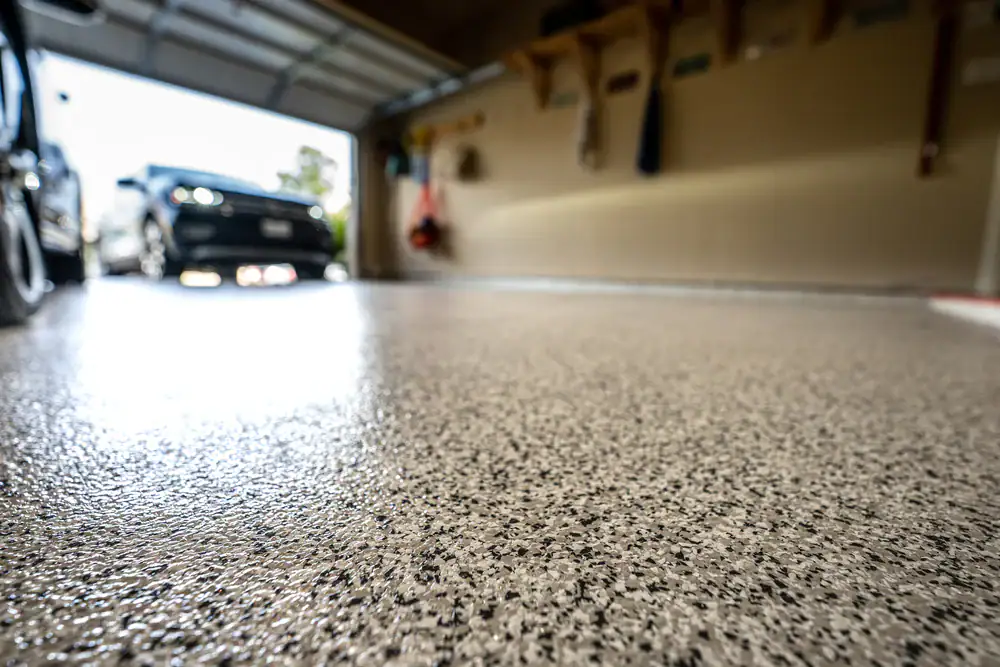
Epoxy floor coating creates a seamless barrier over your existing concrete. Oil, brake fluid, transmission fluid—they wipe away without leaving marks. Hot tires don’t damage the surface. And when installed correctly for Florida’s climate, the coating handles humidity without bubbling or peeling.
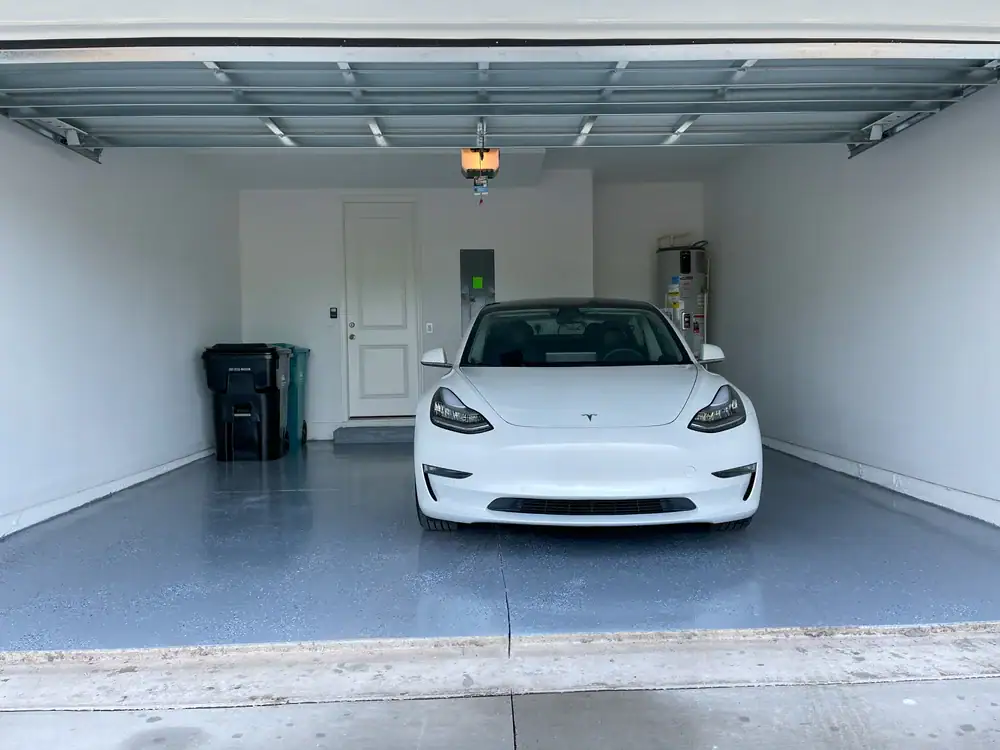
Your garage becomes usable space again. Clean. Bright. Protected. Whether you’re parking vehicles, running a workshop, or finally setting up that home gym, the floor performs without constant maintenance. That’s what happens when the installation accounts for moisture control and temperature from the start.
West Perrine Epoxy Flooring Experts
We serve West Perrine and the broader South Florida market with epoxy flooring and polished concrete. We’ve handled projects for the Coast Guard, US Army, City of Doral, City of Sunny Isles, and multiple county facilities. Government work requires precision—no shortcuts, no callbacks.
That same approach applies to your garage. We monitor humidity levels during installation because Florida’s moisture will ruin an epoxy job if conditions aren’t controlled. We prep the surface completely, repair cracks properly, and use professional-grade materials from Sherwin Williams and Fosroc.
You’re not getting a crew that learned epoxy last month. You’re getting installers who understand how South Florida’s sandy soil, high water table, and temperature swings affect concrete. West Perrine sits in the same challenging climate zone, and your floor needs to be installed accordingly.
Our Garage Floor Coating Process
First, we assess your concrete. We’re checking for moisture issues, existing damage, and whether the slab needs repair before coating. If there are cracks, we fix them. If there’s an old sealer or paint, we remove it. Epoxy only bonds to clean, prepared concrete.
Next comes surface preparation. We grind or shot-blast the concrete to open the pores and create a profile for the epoxy to grip. Any oils, grease, or contaminants get stripped away. This step determines whether your floor lasts two years or twenty.
Then we apply the epoxy system. Depending on your needs, that might include a primer coat, base coat, decorative flakes for texture and slip resistance, and a clear topcoat with UV protection. We monitor temperature and humidity throughout the process because Florida’s conditions can interfere with curing.
Most garage projects cure enough for light foot traffic within 24 hours. Full cure for vehicle traffic typically takes 3-7 days depending on the system. We’ll give you the exact timeline based on your specific installation and current weather conditions.
Ready to get started?
What’s Included in Garage Epoxy Flooring
Every installation includes full surface preparation, crack repair, and professional-grade epoxy application. We’re not rolling coating over dirty concrete and calling it done. You’re getting a floor system designed for Florida.
That means moisture testing before we start. West Perrine’s high water table and frequent rain create moisture vapor issues in concrete slabs. If we detect moisture levels that will cause coating failure, we address it before installation—not after you’ve paid and the floor is bubbling.
UV protection gets added to prevent yellowing under Florida’s intense sun. Slip-resistant aggregates go into areas where you need traction. The topcoat is chemical-resistant, so automotive fluids and cleaning products won’t damage the surface when cleaned up promptly.
You also get a warranty covering materials and workmanship. We stand behind the installation because we control every variable that affects performance. The floor either performs for 15+ years or we fix it. That’s how professional epoxy flooring works when it’s done right from the beginning.
How long does epoxy flooring last in Florida’s humidity and heat?
Professional epoxy flooring typically lasts 15 to 20 years in residential garages, even with Florida’s humidity and temperature swings. The key is proper installation that accounts for moisture.
Florida’s high humidity can cause epoxy to fail if the installer doesn’t monitor conditions during application. We check moisture levels in your concrete slab before starting. If moisture is traveling up through the concrete—common in West Perrine due to the high water table—we address it before coating.
Temperature also matters. Epoxy needs specific conditions to cure correctly. Too hot, too humid, or applied on concrete that’s retaining moisture, and you’ll see bubbling or peeling within months. We schedule installations when conditions support proper curing, and we control the environment as much as possible during application. That’s why our floors last 15+ years while DIY kits from big-box stores start failing in 2-3 years.
What’s the difference between epoxy we install and the kits from hardware stores?
DIY epoxy kits use thinner coatings and don’t include the surface preparation or moisture control that professional installations require. You’re getting a fraction of the thickness and none of the prep work.
Professional epoxy systems go down in multiple coats—primer, base, decorative layer, topcoat—with each layer serving a specific purpose. The total thickness is significantly greater than a single-coat DIY product. More thickness means better impact resistance, chemical resistance, and longevity.
Surface prep makes the biggest difference. We grind or shot-blast your concrete to create a profile for the epoxy to bond. We remove all contaminants. We repair cracks properly. DIY kits assume you’re working with perfect concrete, which doesn’t exist in Florida. Without proper prep, the coating peels. We see it constantly—homeowners who tried DIY first, watched it fail, then called us to install a real system. The concrete is your foundation. The coating is only as good as what it’s bonding to.
Will epoxy flooring hold up to hot tires and automotive fluids?
Yes, when installed with the right topcoat. Professional epoxy flooring is highly resistant to automotive fluids and thermal shock from hot tires. The surface won’t soften, stain, or peel under normal garage use.
Oil, gasoline, brake fluid, and transmission fluid won’t penetrate the coating if you clean up spills promptly. The seamless surface prevents liquids from seeping into the concrete underneath. Hot tires from driving in Florida heat won’t leave marks or cause the coating to lift.
That said, the topcoat matters. We use chemical-resistant, high-build topcoats designed for garage environments. Some cheaper systems use water-based topcoats that don’t hold up to chemicals or heat. You need solvent-based or 100% solids epoxy topcoats for real protection. We’ll walk you through the options during your consultation based on how you use your garage. If you’re parking multiple vehicles daily, working on cars, or storing equipment, we’ll recommend the system that handles your specific demands.
How do we prevent moisture problems during installation in West Perrine?
We test your concrete for moisture before installation and monitor humidity levels throughout the process. Florida’s moisture issues will ruin an epoxy job if ignored, so we control every variable we can.
West Perrine sits in an area with a high water table and frequent rain. Moisture travels up through concrete slabs, especially in garages without proper vapor barriers underneath. We use moisture meters to measure levels in your slab. If readings are too high, we either apply a moisture-mitigating primer or recommend addressing the source before coating.
During installation, we track temperature and humidity. If conditions aren’t right for the epoxy to cure properly, we reschedule. Applying epoxy in 95-degree heat with 80% humidity sounds fine until the coating traps moisture and bubbles three weeks later. We’ve been doing this in South Florida since 2020. We know what works and what fails. Your floor gets installed when conditions support a 15-year lifespan, not when it’s convenient for our schedule.
Can we add slip resistance to the epoxy coating?
Yes, we add slip-resistant aggregates to areas where you need traction. You can customize the texture level based on how you use the space and whether moisture is a concern.
Decorative vinyl flakes serve double duty—they add visual interest and create a slightly textured surface that’s easier to walk on when wet. For more aggressive slip resistance, we can broadcast larger aggregates into the coating before it cures. The topcoat then encapsulates the texture.
The goal is balance. You want enough traction to prevent slips, but not so much texture that the floor becomes hard to clean. Smooth epoxy is easy to sweep and mop, but it can be slippery when wet. We’ll discuss your priorities during the consultation. If you’re using the garage as a workshop where spills happen, we’ll recommend more texture. If it’s strictly for parking and storage, a light texture from decorative flakes is usually enough. The system is customizable based on your actual needs.
What’s the cost difference between epoxy and polished concrete for a garage?
Epoxy garage floor coating typically costs less than polished concrete for residential garages. Polished concrete requires more extensive grinding and processing, which increases labor and time on site.
Epoxy coating goes over your existing concrete after surface prep and crack repair. We’re adding a protective layer, not refinishing the entire slab. Polished concrete involves grinding the surface through multiple grits to expose aggregate and create a smooth, reflective finish. It’s more labor-intensive and takes longer.
Both options perform well in Florida’s climate when installed correctly. Polished concrete is extremely durable and doesn’t require a topcoat, but it can stain if not sealed properly. Epoxy provides a seamless, chemical-resistant surface with more color and design options. The right choice depends on your budget, aesthetic preferences, and how you use the space. We offer both services, so we can walk you through the pros and cons of each during your consultation without pushing you toward the more expensive option.
Other Services we provide in West Perrine
Leave a Reply