


Garage Epoxy Flooring in Westchester, FL
Florida-Proof Garage Floors That Actually Last
Hear from Our Customers
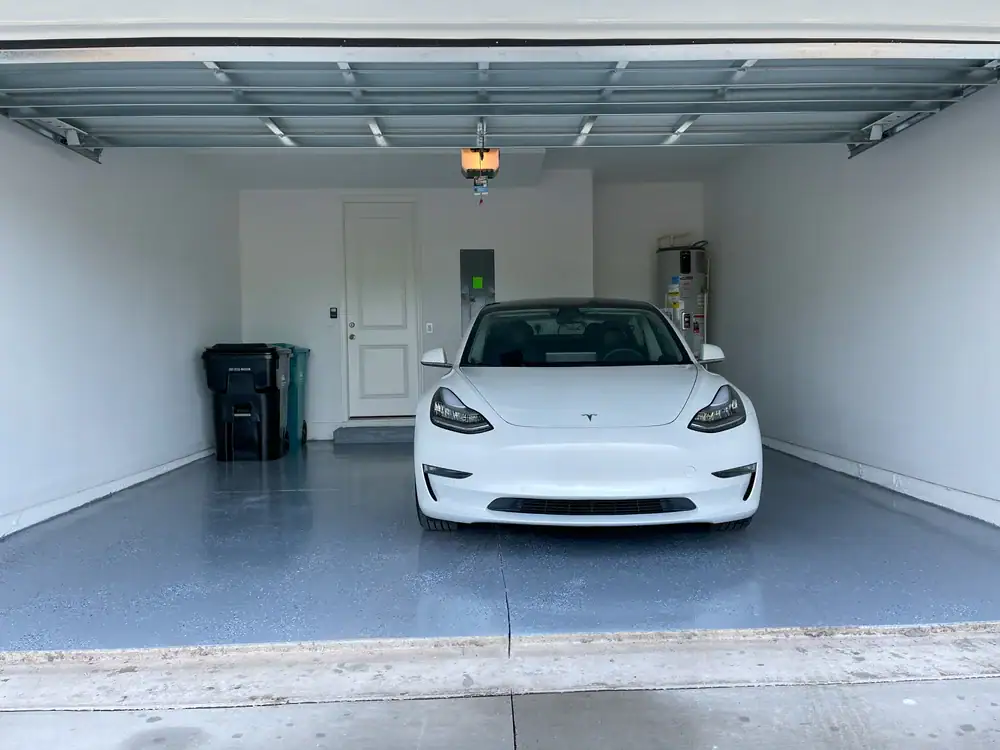
Epoxy Garage Floor Installation Westchester
You’re done scrubbing oil stains out of porous concrete. Done worrying about cracks spreading every time it rains. Done looking at a floor that makes your whole garage feel unfinished.
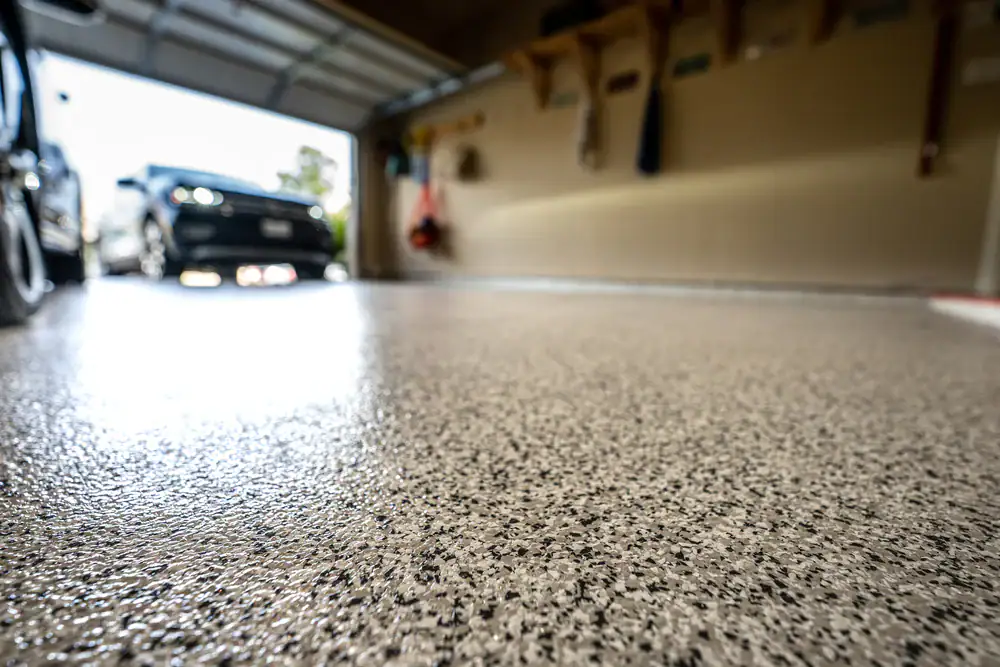
Epoxy floor coating creates a sealed, non-porous surface that resists everything your garage throws at it. Motor oil, brake fluid, gasoline, dropped tools, car batteries, paint spills—none of it soaks in. A quick sweep or mop and you’re back to clean.
And in Westchester’s climate, that matters more than you think. Florida’s humidity causes concrete to sweat, trap moisture, and break down faster than in drier states. Epoxy stops that cycle. It seals the concrete, reflects heat instead of absorbing it, and keeps your garage cooler and brighter year-round. If you’re using your garage as a workshop, gym, or extra living space, that difference is immediate.
Westchester Epoxy Flooring Contractor
We specialize in epoxy and resin flooring across South Florida. We’ve installed floors for the Coast Guard, US Army, City of Doral, City of Sunny Isles, and county facilities throughout the region. We also work directly with homeowners in Westchester who want the same level of precision without the markup.
We don’t subcontract the prep work. We don’t rush the cure time. And we don’t use the same products you’d find at a big box store. Every floor we install uses commercial-grade materials from Sherwin Williams and Fosroc—the same systems we’d use on a municipal project.
Westchester homeowners deal with the same climate challenges as everyone else in South Florida: intense UV exposure, year-round humidity, and concrete that never fully dries. We account for all of that during installation. That’s why our floors don’t bubble after the first rainy season or peel when summer heat hits.
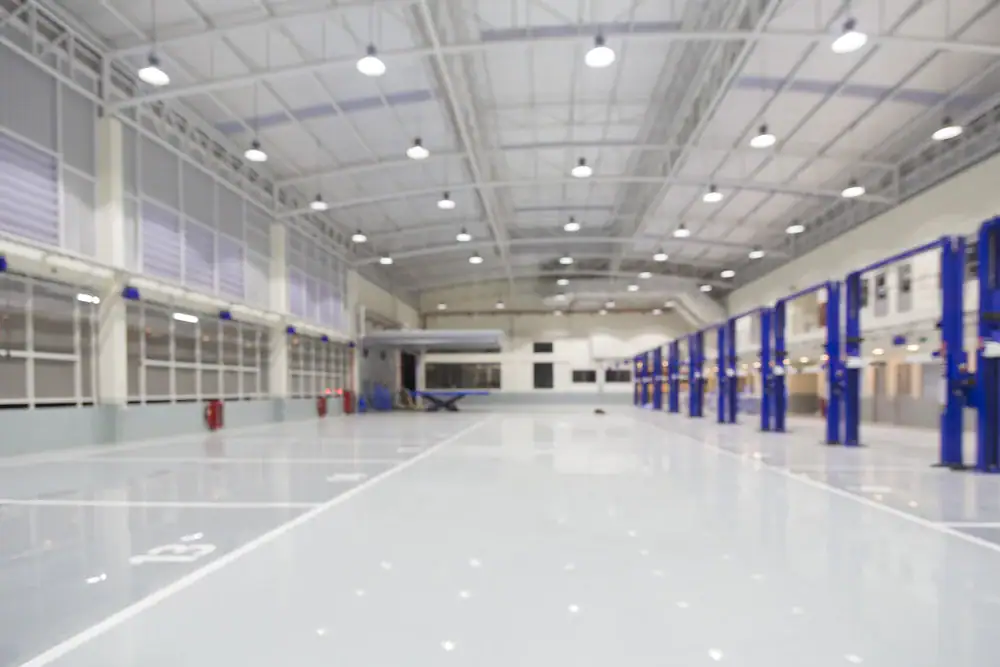
Garage Floor Coating Process Westchester
Surface preparation is everything. We start by grinding the concrete to open the pores and remove any existing coatings, sealers, or contaminants. This step alone accounts for 80% of whether an epoxy floor succeeds or fails. If the concrete isn’t properly profiled, nothing sticks—no matter how good the product is.
Next, we apply a moisture-tolerant primer designed for Florida’s humidity. Standard epoxy primers can trap vapor and cause blistering. We use high-solids systems that allow the concrete to breathe while still creating a strong bond. Then we apply the base coat, broadcast decorative flakes if you want them, and finish with a clear topcoat that adds UV stability and chemical resistance.
We control temperature and humidity during application. If the concrete is too hot, the epoxy cures too fast and doesn’t bond. If it’s too cool or humid, it takes too long and can trap moisture. We monitor conditions throughout the process to make sure everything cures correctly. Most residential garage floors are ready for light foot traffic in 24 hours and full vehicle use in 48 to 72 hours.
Ready to get started?
Garage Floor Coatings Westchester FL
You’re getting a multi-layer system, not a single coat of paint. That includes surface grinding and profiling, moisture-tolerant primer, 100% solids epoxy base coat, optional decorative flake broadcast, and a UV-stable clear topcoat. We also add anti-slip additives if you want extra traction, especially near garage door areas where rain can blow in.
In Westchester, most two-car garages take one to two days depending on the condition of the existing concrete. If there are major cracks or surface damage, we’ll address that first with epoxy mortar or crack repair. We don’t just coat over problems—that’s how floors fail in six months.
The finished floor is chemical-resistant, impact-resistant, and easy to maintain. It won’t fade under UV exposure, won’t yellow in high heat, and won’t delaminate when Florida’s summer storms roll through. And if you’re planning to sell, garage upgrades consistently rank as one of the top ROI renovations for Florida homes. Buyers see a finished garage floor and assume the rest of the property has been maintained the same way.
How long does epoxy garage flooring last in Florida’s climate?
With proper installation and minimal maintenance, epoxy floors last 15 to 20 years even in Florida’s humid climate. The key is using moisture-tolerant primers and UV-stable topcoats designed for high heat and humidity.
Most failures happen because the installer skipped proper surface prep or used a product not rated for Florida conditions. Concrete here holds more moisture than in drier climates, so standard epoxy systems can trap vapor and cause bubbling or delamination within the first year. We use high-solids epoxy and moisture-mitigating primers specifically because of that.
You’ll need to sweep or mop occasionally and avoid dragging sharp metal objects across the surface, but that’s it. No waxing, no resealing, no special cleaners. The floor either works or it doesn’t—and if it’s installed correctly, it works for decades.
Why do some epoxy floors bubble or peel after installation?
Moisture intrusion causes most epoxy failures in Florida. Concrete slabs absorb groundwater and release it as vapor, especially during humid months. If the epoxy isn’t designed to handle that vapor drive, it creates pressure under the coating and literally lifts it off the surface.
Poor surface preparation is the other major cause. If the concrete isn’t ground and profiled correctly, the epoxy has nothing to grip. It might look fine for a few weeks, but as soon as the slab expands and contracts with temperature changes, the coating starts to separate.
We test for moisture levels before we start and use primers that allow vapor transmission without sacrificing bond strength. We also grind the concrete to the correct profile—not too smooth, not too rough—so the epoxy mechanically locks into the surface. That’s the difference between a floor that lasts two years and one that lasts twenty.
Can I use a DIY epoxy kit from a home improvement store?
You can, but most of those kits aren’t true epoxy—they’re single-part acrylic paint with some epoxy resin mixed in. They might look good for a few months, but they don’t have the chemical resistance, abrasion resistance, or bond strength of a professional-grade system.
The bigger issue is surface prep. Those kits assume you’re applying over clean, dry concrete, but Florida concrete is rarely dry. Without proper grinding, moisture testing, and priming, even a decent product will fail. And once it starts peeling, you’ll need to remove all of it before a professional system can go down, which adds cost and time.
If you’re committed to DIY, at least rent a concrete grinder and buy a real two-part 100% solids epoxy system. But for most homeowners, the time and equipment cost ends up being close to what a professional install would cost anyway—and you’re still taking on all the risk if something goes wrong.
What’s the difference between epoxy and other garage floor coatings?
Epoxy is a two-part system that chemically bonds to concrete and cures into a hard, durable surface. Polyurethane and polyaspartic coatings are often used as topcoats over epoxy because they add UV resistance and faster cure times, but they don’t bond as strongly on their own.
Concrete sealers and paints sit on top of the surface rather than bonding into it, so they wear off quickly under vehicle traffic. Epoxy actually penetrates the concrete pores and locks in mechanically, which is why it holds up to heavy use.
For garage floors in Florida, we typically use a 100% solids epoxy base with a polyurethane or polyaspartic topcoat. That combination gives you the bond strength and impact resistance of epoxy with the UV stability and chemical resistance of a urethane finish. It’s the same system we’d use on a commercial facility or military base—just scaled for a residential garage.
How much does garage epoxy flooring cost in Westchester?
Most two-car garages in Westchester run between $1,800 and $3,500 depending on the condition of the existing concrete, the coating system you choose, and whether you want decorative flakes or a solid color. If there’s significant cracking or surface damage, that adds to the prep work and cost.
We don’t give quotes over the phone because every slab is different. Moisture levels, surface contamination, existing coatings, and how level the floor is all affect what prep work is required. We’d rather look at it in person, test the concrete, and give you an accurate number than lowball a price and surprise you later.
What we don’t do is charge you for lead generation fees like some national franchises. We’re a local contractor. You’re paying for materials, labor, and expertise—not a sales commission or middleman fees. And if you’re military or a senior, ask about our discount when we come out for the consultation.
How soon can I park my car on a new epoxy garage floor?
Light foot traffic is usually fine after 24 hours. Full vehicle traffic depends on the system we install and the temperature during curing, but most floors are ready in 48 to 72 hours.
Florida’s heat actually speeds up cure times compared to northern climates, but it also means we have to work carefully during application. If the concrete is too hot, the epoxy cures too fast and doesn’t bond properly. We monitor slab temperature and sometimes start early in the morning or late in the afternoon to avoid peak heat.
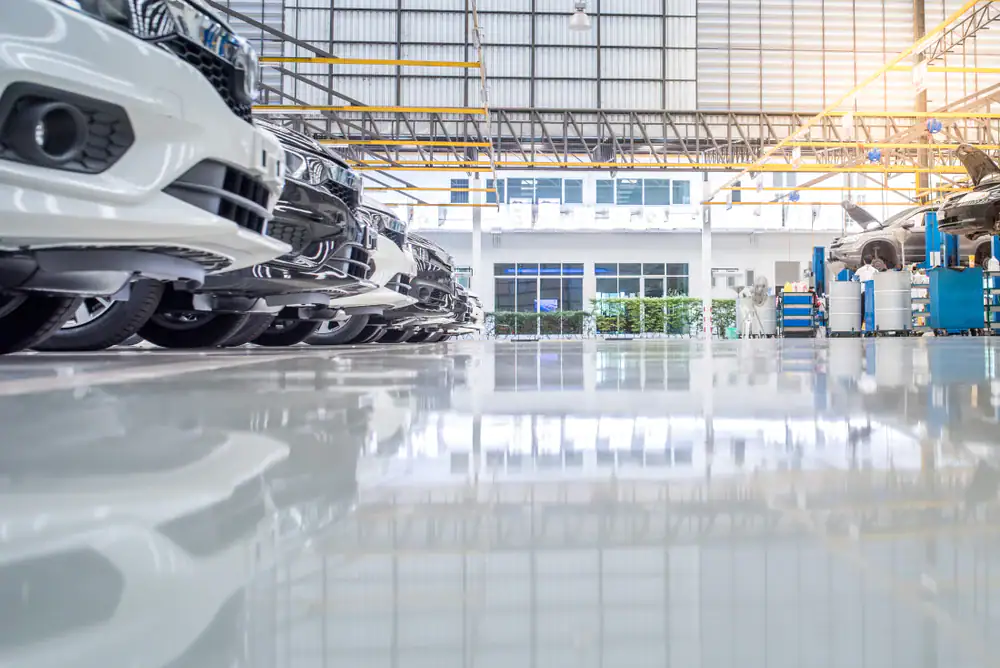
Once the floor is fully cured, it’s ready for anything—car lifts, toolboxes, motorcycles, whatever you’re storing or working on. The coating is harder than the concrete underneath, so you’re not going to damage it with normal garage use. Just avoid dragging sharp metal edges across it during the first week while the topcoat fully hardens.
Other Services we provide in Westchester
Leave a Reply