


Garage Epoxy Flooring in Westgate, FL
Floors That Actually Last in South Florida
Hear from Our Customers
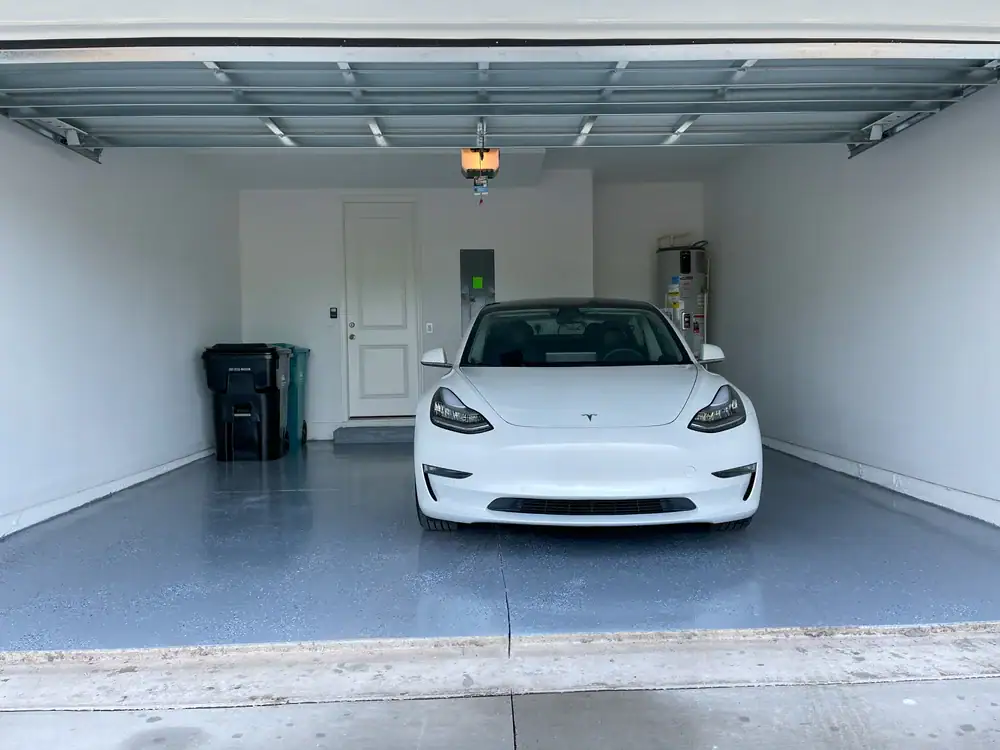
Professional Epoxy Floor Coating Services
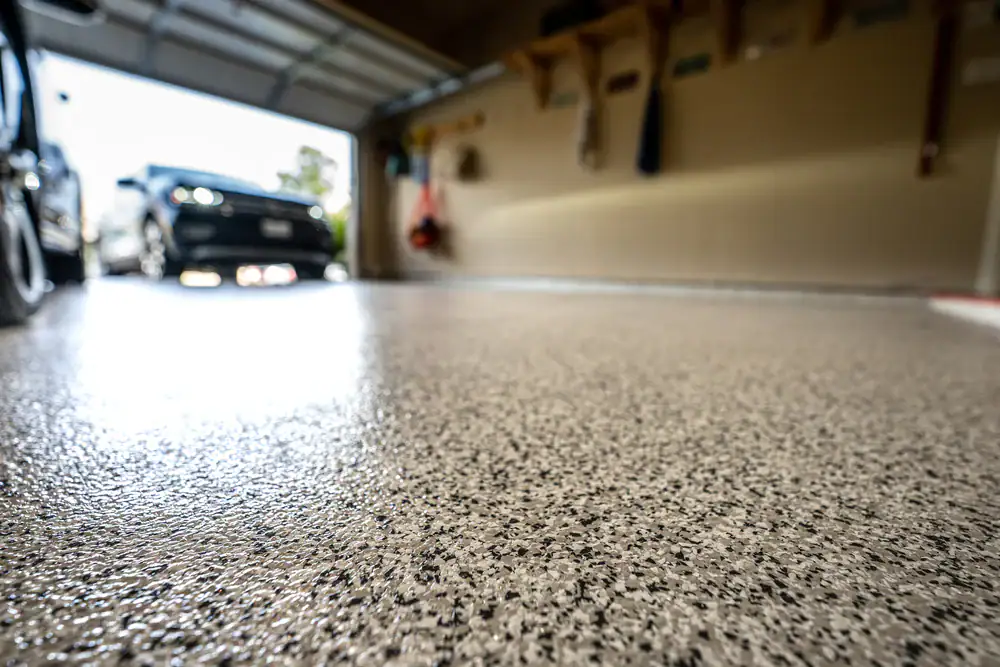
You’re looking at a garage floor that won’t bubble after the first rainy season. One that doesn’t peel when hot tires sit on it all summer. One where oil spills wipe up with a paper towel instead of leaving permanent stains.
That’s what happens when the installation is done right. The concrete gets prepped correctly. Moisture barriers go down where they’re needed. The coating system is the same chemistry used in industrial facilities that can’t afford downtime.
Most epoxy failures happen because someone skipped steps or used residential-grade products in a climate that demands commercial performance. Florida’s humidity moves through concrete slabs constantly. If the floor isn’t sealed properly from below, that moisture creates pressure that destroys coatings within months. You end up with bubbles, cracks, and peeling spots where you thought you’d have a finished floor.
When the job is done with the right materials and process, you get a non-porous surface that resists chemicals, stands up to traffic, and still looks clean after years of use. That’s the difference between a floor coating and an actual flooring system.
Westgate’s Epoxy Flooring Contractors
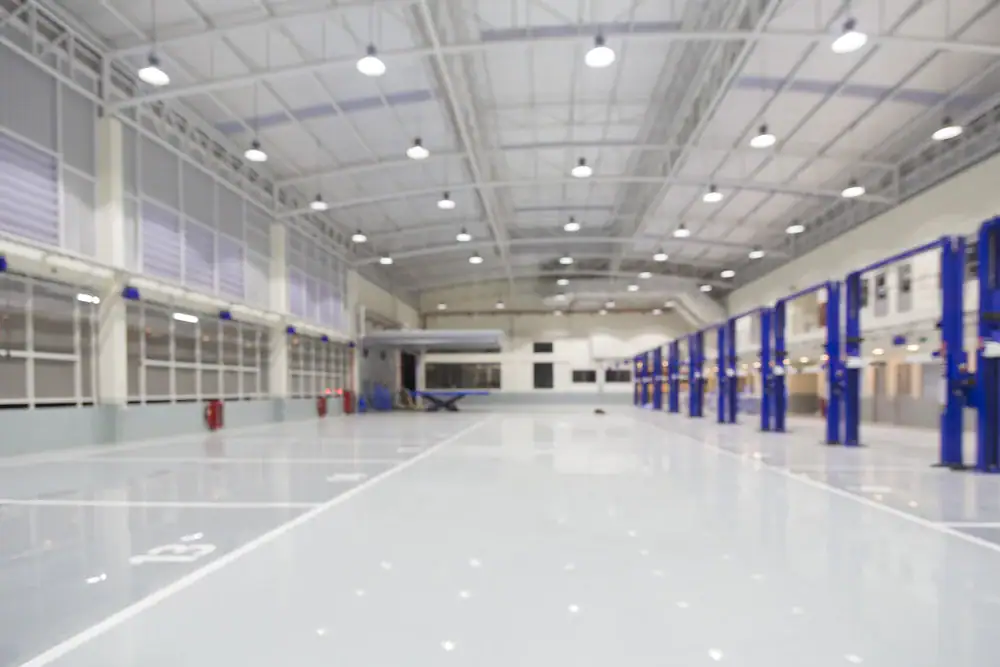
We handle epoxy flooring, polished concrete, and resurfacing across South Florida. We work directly with property owners—residential and commercial—who want floors installed correctly the first time.
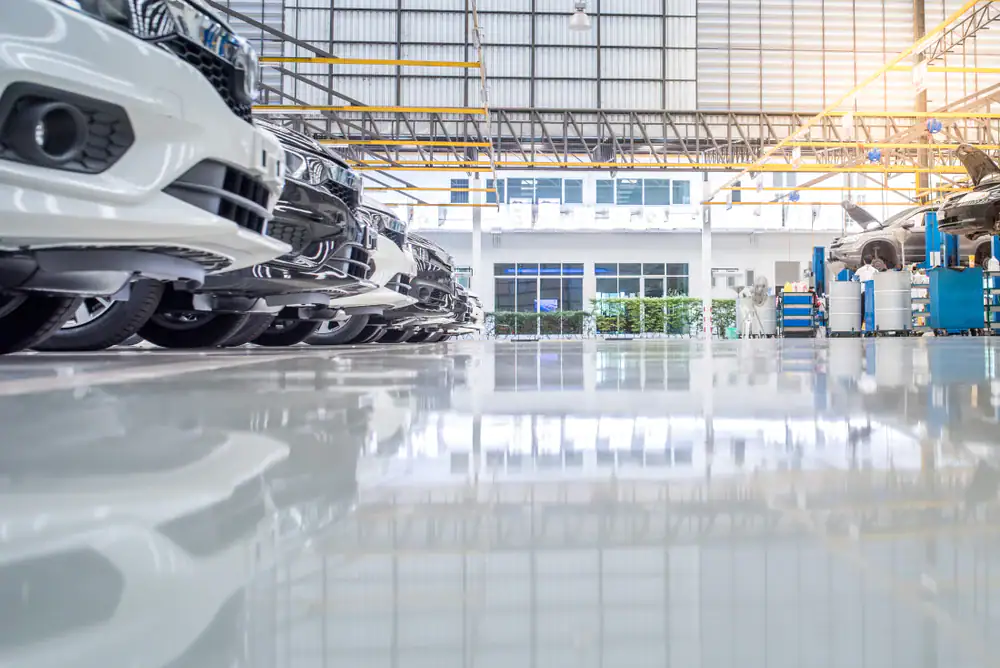
Our client list includes the Coast Guard, US Army, City of Doral, City of Sunny Isles, and county facilities across the region. Those aren’t decorative floors. They’re high-traffic surfaces that need to perform under pressure, and they’re still holding up years later.
Westgate sits in the heart of South Florida’s challenging climate zone. Salt air accelerates concrete deterioration. Afternoon storms bring humidity spikes that test every coating system. We’ve seen what fails here and what doesn’t. The floors we install use Sherwin Williams and Fosroc products—the same materials specified for industrial and government projects—because they’re engineered for environments like this.
Our Garage Floor Coating Process
It starts with a consultation. We look at your concrete, talk about how you use the space, and explain what’s realistic for your situation. If there are moisture issues or existing damage, we’ll tell you upfront what needs to happen before any coating goes down.
Surface prep comes next. This is where most failures start, so it’s where we spend the most time. The concrete gets ground, cleaned, and profiled so the epoxy can bond properly. Any cracks get filled. Any areas that need moisture mitigation get treated. If the surface isn’t ready, the coating won’t stick—no matter how good the product is.
Then we apply the system. Primer goes down first to seal the concrete. The base coat follows, then the topcoat with whatever slip resistance or finish you’ve chosen. Each layer needs to cure properly before the next one goes on. Rushing this part is how you end up with soft spots and premature wear.
Most garage floors are ready for light foot traffic within 24 hours and full vehicle traffic within 48 to 72 hours. We’ll give you specific cure times based on temperature and humidity when we do the work. After that, you’ve got a finished surface that handles whatever you throw at it.
Ready to get started?
Epoxy Garage Flooring in Westgate
You’re getting a multi-layer system, not a single coat. That means primer, base coat, and topcoat—each one serving a specific purpose in the overall performance of the floor. The primer seals the concrete and creates the bond. The base coat provides thickness and impact resistance. The topcoat delivers chemical resistance and the final finish.
Westgate homeowners deal with the same climate challenges as commercial facilities across South Florida. High heat. Constant humidity. Occasional flooding during storm season. A proper epoxy garage floor installation accounts for all of that. Moisture testing happens before any coating goes down. If the slab is releasing too much vapor, we address it with a moisture barrier system. Skipping this step is why you see so many bubbled floors across the region.
Slip resistance gets built into the topcoat using customizable aggregates. You can adjust the texture based on how you use the space. More grip for areas that get wet. Smoother finish for spaces where you’re rolling equipment. The surface stays safer than plain concrete when water or fluids are present.
Color and finish options range from solid tones to flake systems that hide dirt and add visual depth. The flakes aren’t just decorative—they also add texture and help the floor wear more evenly over time. Whatever look you choose, the underlying system stays the same: commercial-grade materials installed with the process that makes them last.
How long does epoxy flooring actually last in Florida’s climate?
A properly installed commercial-grade epoxy system lasts 15 to 20 years in South Florida when it’s maintained correctly. The key phrase there is “properly installed.” Most failures you see aren’t the coating giving out—they’re installation problems showing up.
Florida’s humidity is the biggest threat. Moisture moves through concrete constantly, and if the slab wasn’t sealed correctly or if a moisture barrier wasn’t used where needed, that vapor pressure will eventually lift the coating. You’ll see bubbles, peeling, or soft spots within the first year or two.
The floors we install for government and military facilities are still performing after years of heavy use because the prep work and material selection were done right from the start. Same process applies to residential garage floors. When you use industrial-grade products and follow the full installation protocol, the floor holds up. When corners get cut, it doesn’t.
Why do so many DIY epoxy kits fail so quickly?
DIY kits from home improvement stores use different chemistry than commercial systems. They’re designed for ease of application, not long-term performance in harsh climates. Most fail within 18 to 36 months in Florida because they can’t handle the heat and humidity.
The bigger issue is surface preparation. A DIY installation usually involves some light cleaning and maybe an acid etch. That’s not enough to create a proper bond, especially on older concrete or slabs with existing sealers. Without mechanical grinding to open up the surface, the coating is just sitting on top—not bonded into the concrete.
Commercial installations use diamond grinding equipment to profile the concrete correctly. That creates the texture and cleanliness the epoxy needs to bond at a molecular level. Then there’s moisture testing, crack repair, and proper priming. All of that happens before the first coat of epoxy goes down. DIY kits skip most of these steps, which is why they peel off in sheets once Florida’s weather gets to them.
What’s the real difference between cheap and expensive epoxy flooring?
The difference is in the materials and the process. Cheap epoxy flooring uses thinner coatings, fewer layers, and minimal surface prep. Expensive systems use commercial-grade products with proper primers, thicker base coats, and protective topcoats—plus the prep work that makes them bond correctly.
A low-cost installation might look fine for the first few months. But when hot tires sit on it, the coating softens. When chemicals spill, they stain. When moisture comes up through the slab, bubbles form. You end up paying twice—once for the cheap job, then again to remove it and do it right.
Higher-cost installations use the same products specified for industrial facilities. The coatings are thicker, harder, and chemically resistant. The surface prep includes grinding, crack repair, and moisture mitigation. Each layer gets applied at the right thickness and given proper cure time. That’s why these floors still look good after a decade of use while cheaper versions are peeling after two years. You’re not paying for the coating—you’re paying for a system that works in Florida’s climate.
How soon can I use my garage after epoxy installation?
Light foot traffic is usually fine after 24 hours. Full vehicle traffic and heavy use should wait 48 to 72 hours. The exact timeline depends on temperature and humidity during installation, so we’ll give you specific guidance based on conditions when we do the work.
Epoxy cures through a chemical reaction, not just drying. That process takes time, and rushing it leads to problems. If you drive on the floor too soon, you’ll leave tire marks or create soft spots that never fully harden. If you drag heavy equipment across it before it’s ready, you’ll scratch through the topcoat.
The cure time is one reason we prefer working directly with property owners instead of through general contractors. When there’s pressure to get the space back in service immediately, shortcuts happen. We’d rather schedule the work when you can give the floor the time it needs to cure properly. That way you get the full performance and lifespan the system is designed to deliver.
Will epoxy flooring make my garage slippery when wet?
Not if it’s installed with slip-resistant aggregates in the topcoat. A smooth epoxy surface can be slippery when wet—that’s true. But we build texture into the finish using additives that create grip without making the floor rough or hard to clean.
The amount of slip resistance is adjustable based on how you use the space. If your garage sees a lot of water from rain, car washing, or humidity condensation, we’ll add more aggregate. If it’s a dry space where you’re mostly concerned about appearance and easy cleaning, we’ll use less. Either way, the finished floor has better traction than plain concrete when moisture is present.
This is standard practice for commercial and industrial floors where safety is a priority. The same approach works in residential garages. You get a surface that’s easy to walk on, safe when wet, and still smooth enough to sweep or mop without effort. The texture doesn’t wear down over time because it’s embedded in the topcoat, not applied on top of it.
Can epoxy be applied over my existing garage floor coating?
Sometimes, but usually it’s better to remove what’s there first. If the existing coating is failing—peeling, bubbling, or delaminating—anything you put over it will fail too. The new epoxy will only be as strong as whatever it’s bonded to, and a failing coating isn’t a stable base.
We test the existing surface to see how well it’s adhered. If it’s solid and compatible with the new system, we can prep it and coat over it. But if there are any signs of failure or if we can’t confirm what product was used originally, removal is the safer choice. Grinding off the old coating and starting fresh gives you a proper bond to the concrete and eliminates any risk of the old material causing problems later.
This is another area where trying to save money upfront often costs more in the long run. Coating over a questionable surface might look fine initially, but when it fails six months later, you’re paying for removal and reinstallation anyway. Starting with clean concrete means you know exactly what you’re working with and the new system has the best chance of lasting its full lifespan.
Other Services we provide in Westgate
Leave a Reply