


Concrete Polishing in Hillsboro Beach, FL
Floors That Work As Hard As You Do
Hear from Our Customers
Professional Concrete Polishing Services
Your concrete floors become the foundation that supports everything else you’re trying to accomplish. No more worrying about stains that won’t come out or surfaces that look worn down after a few months of normal use.
The polished concrete we create reflects light better than most alternatives, which means your space feels brighter without adding more fixtures. You’ll notice the difference in your utility bills too.
Most importantly, you stop thinking about your floors. They handle whatever you throw at them—heavy equipment, spills, constant foot traffic—without showing wear or requiring constant attention.
Hillsboro Beach Concrete Solutions
We’ve been transforming concrete floors across South Florida for years, and we understand what works in this climate. The humidity, the salt air, the temperature swings—all of it affects how concrete behaves over time.
We’ve worked with everything from small retail spaces in Hillsboro Beach to large warehouse facilities throughout Broward County. Every project teaches us something new about what property owners actually need versus what they think they need.
Our approach is straightforward: we show up when we say we will, we do the work right the first time, and we explain what’s happening at every step so you’re never wondering where things stand.
Concrete Polishing Process
First, we assess your existing concrete to determine the best approach. Some floors need more prep work than others, and we’ll tell you upfront what we’re dealing with and why.
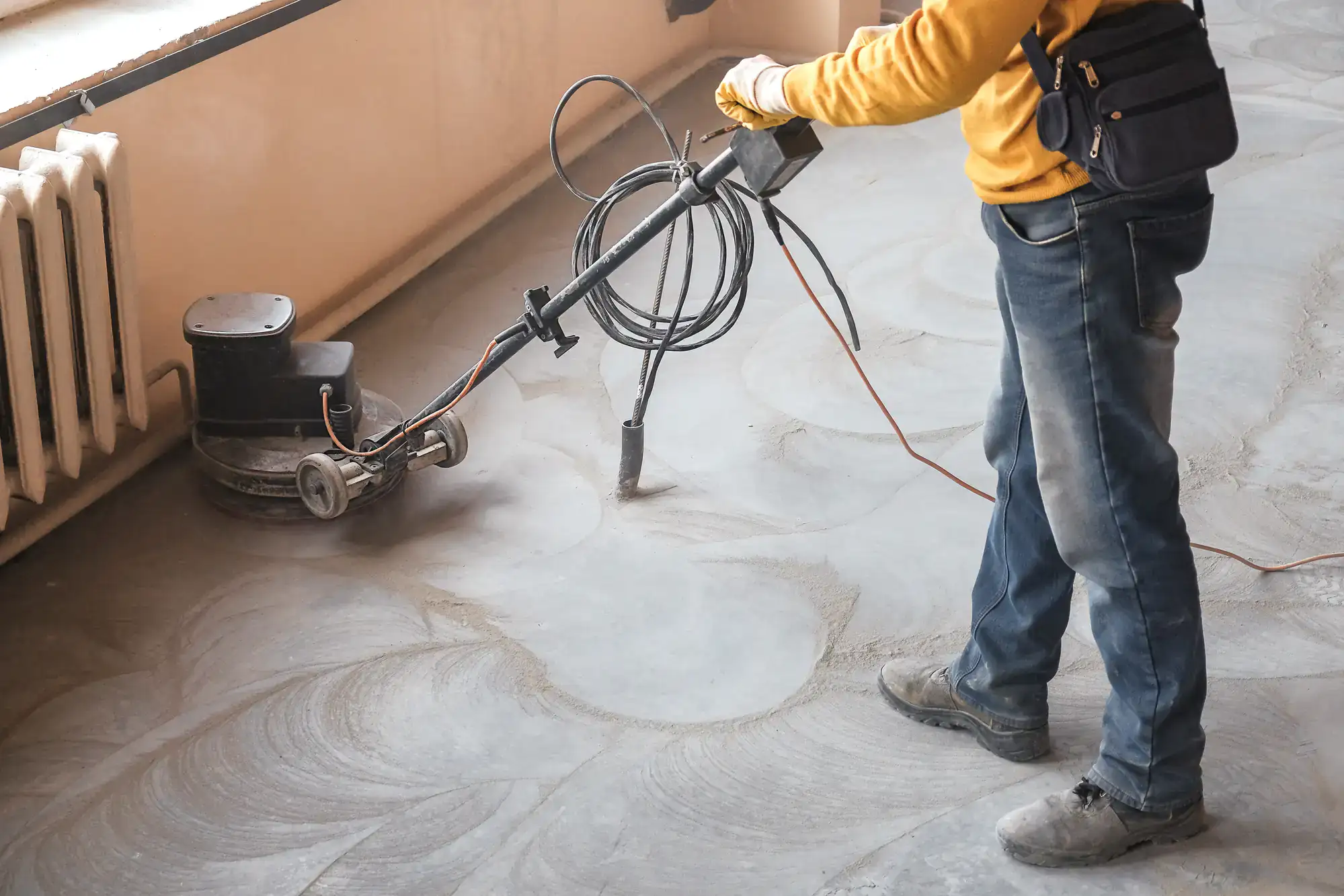
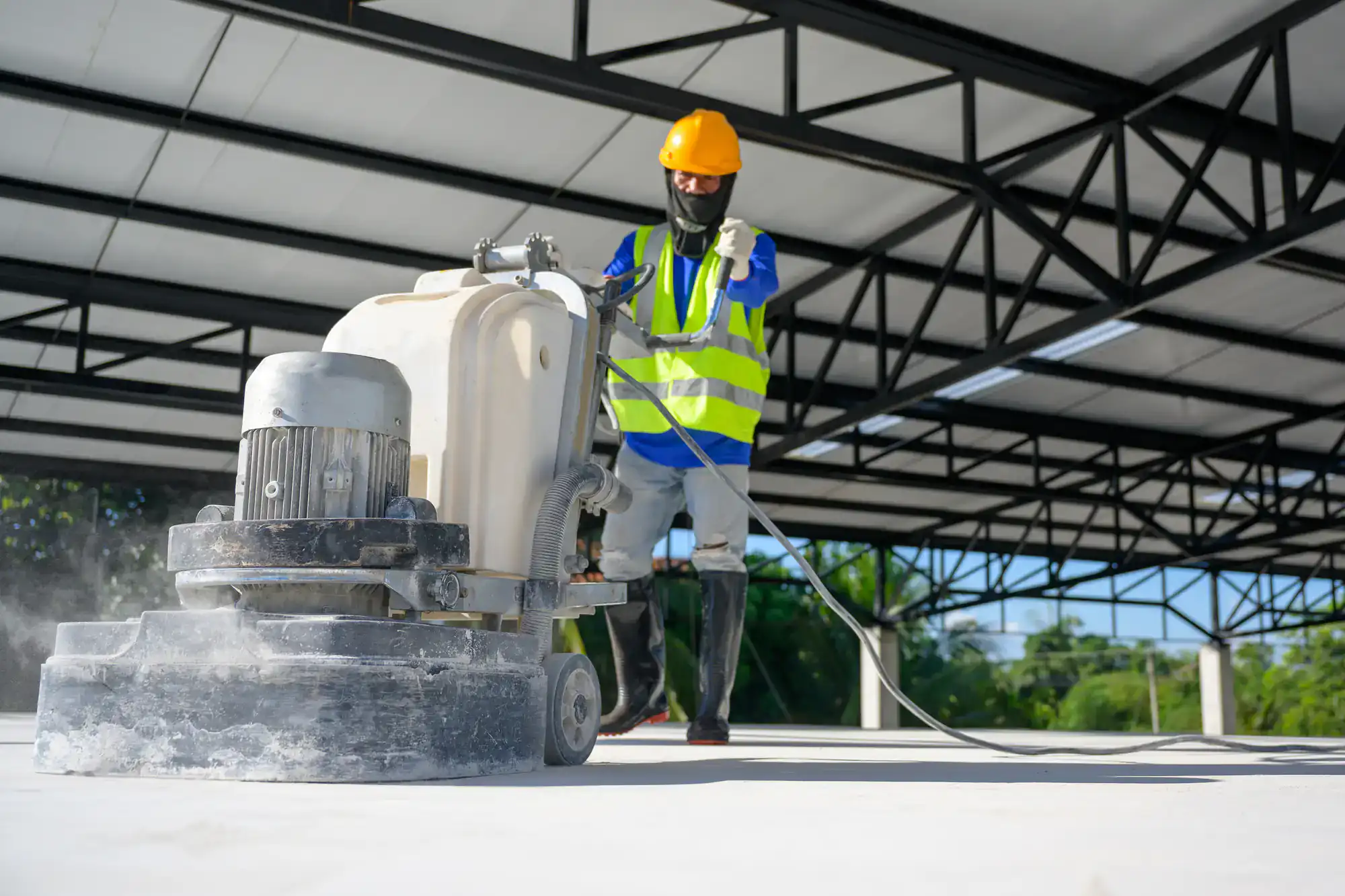
We start with diamond grinding to remove any existing coatings and level the surface. This is where most of the dust and noise happens, but we contain it as much as possible to keep your space functional.
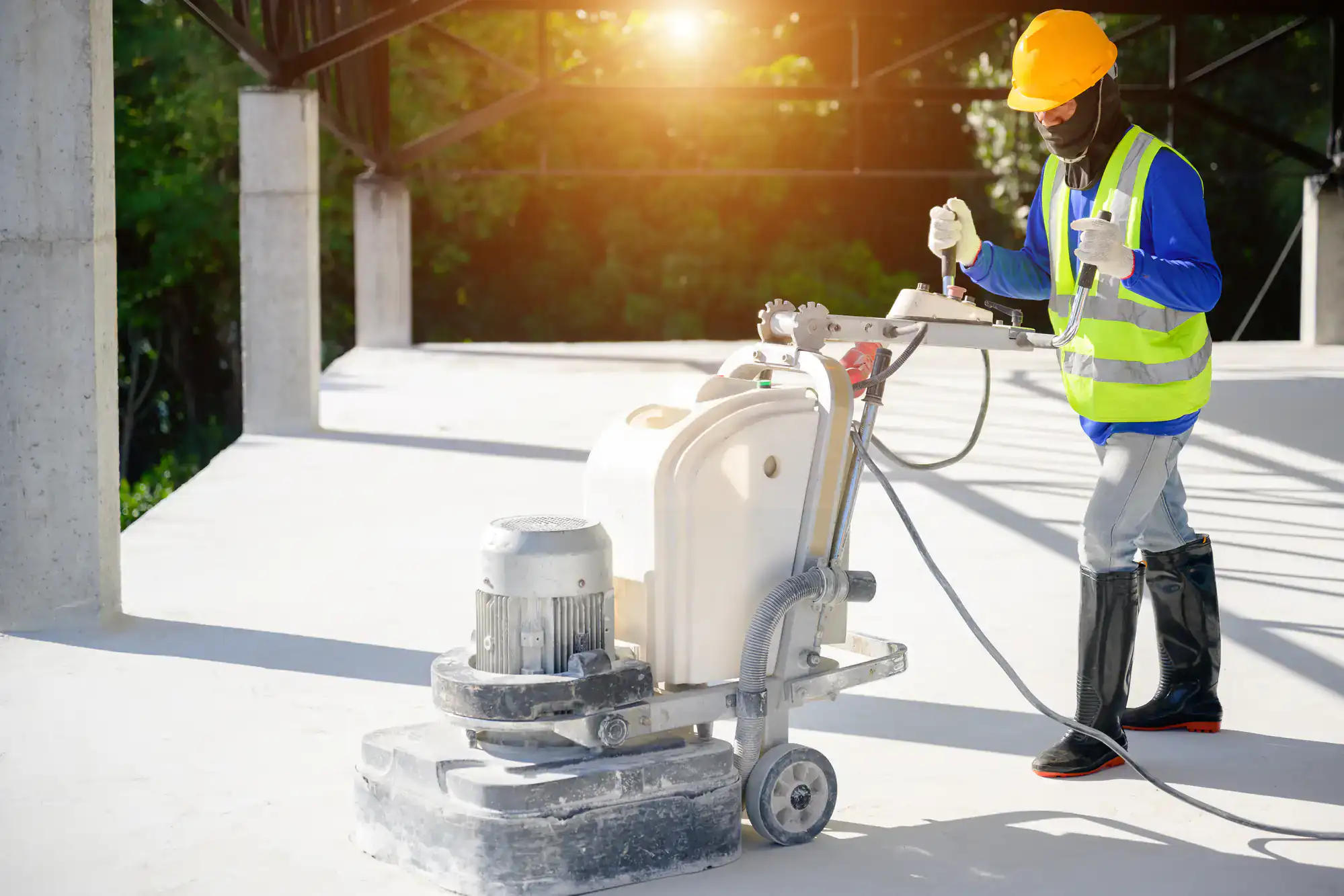
Next comes the polishing sequence—multiple passes with progressively finer diamond pads until we reach the sheen level you want. We can go anywhere from a subtle satin finish to a high-gloss shine that looks almost like marble.
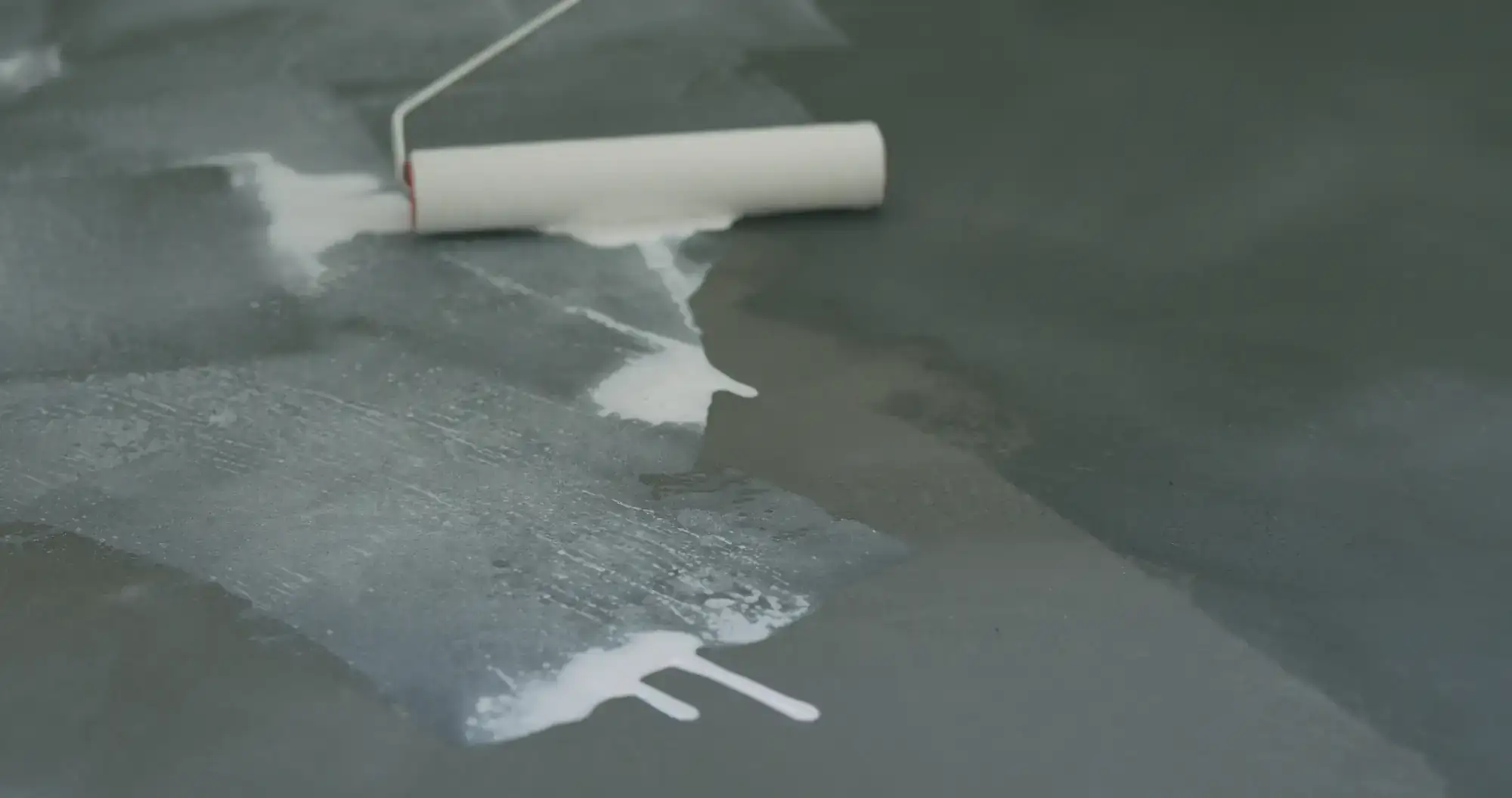
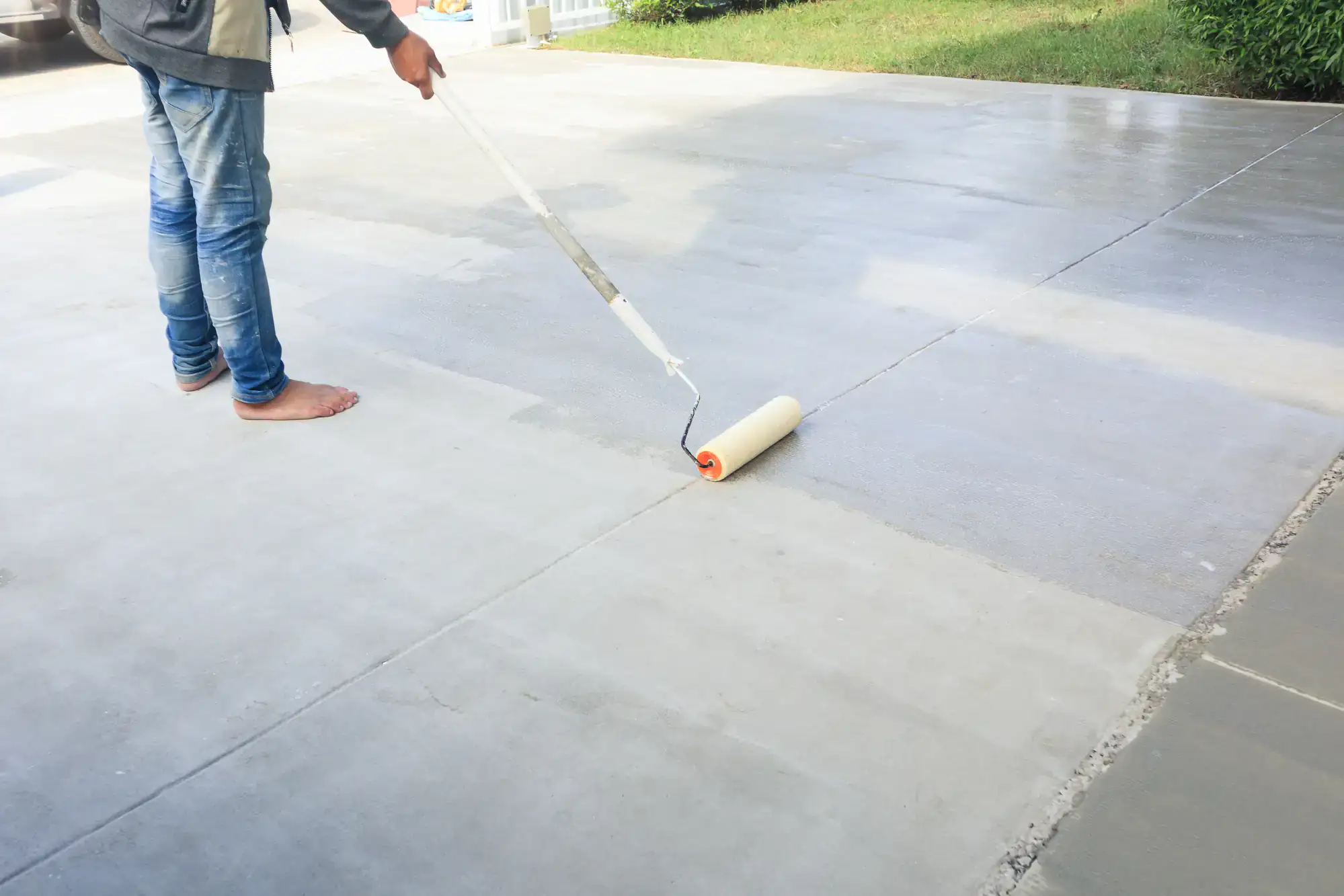
The final step is applying a protective sealer that penetrates the concrete and creates a barrier against stains and moisture. Once it cures, you have a floor that’s ready for whatever your business demands.
Ready to get started?
Durable Flooring Solutions
Every concrete polishing project includes surface preparation, diamond polishing to your specified gloss level, and protective sealing. We don’t cut corners on prep work because that’s what determines how long your floors will last.
In Hillsboro Beach, we see a lot of concrete that’s been exposed to salt air and humidity for years. That means extra attention to any existing damage or weak spots before we start polishing. We’ll repair cracks and fill holes so your finished floor looks uniform.
You also get our standard warranty on workmanship, plus guidance on the minimal maintenance your new floors will need. Most clients are surprised by how little upkeep polished concrete requires compared to other flooring options they’ve dealt with.
How long does concrete polishing take for a typical project?
Most commercial spaces take 2-4 days depending on size and existing concrete condition. We work in sections so you can keep parts of your facility operational during the process.
The timeline depends heavily on what we’re starting with. Concrete that’s been well-maintained and just needs polishing moves faster than floors with damage that needs repair first. We’ll give you a realistic schedule during our initial assessment.
For smaller areas like retail spaces or residential garages, we can often complete the work in 1-2 days. Larger warehouse or industrial spaces might take a week, but we coordinate with you to minimize disruption to your operations.
What’s the difference between polished concrete and epoxy coatings?
Polished concrete uses the existing concrete as the finished surface, while epoxy is a coating applied on top. Polished concrete typically lasts longer because there’s no coating to chip or peel over time.
Epoxy can be a good choice for areas that need specific chemical resistance or decorative colors. But for most commercial applications, polished concrete offers better long-term value because it’s essentially maintenance-free once installed.
The choice often comes down to your priorities. If you need a specific color or pattern, epoxy gives you more options. If you want something that will look good for decades with minimal upkeep, polished concrete is usually the better investment.
Can you polish concrete that already has cracks or damage?
Yes, but we need to repair the damage first for the best results. Small cracks and holes can be filled and ground smooth before polishing begins.
Larger structural issues might require more extensive repair work, which we’ll discuss during our assessment. Sometimes the existing damage is purely cosmetic and won’t affect the performance of the finished floor.
The key is being upfront about what we’re working with. We’d rather spend time on proper repairs than deliver a polished floor that doesn’t meet your expectations because we skipped necessary prep work.
How much maintenance do polished concrete floors require?
Very little compared to most other flooring options. Regular sweeping or dust mopping is usually sufficient for day-to-day cleaning.
For deeper cleaning, a neutral pH cleaner and damp mop work well. Avoid acidic cleaners that can dull the surface over time. Most clients find they’re cleaning their floors less frequently than before because polished concrete doesn’t show dirt and scuff marks like other surfaces.
The protective sealer we apply helps resist stains, but it’s not completely stain-proof. Spills should still be cleaned up promptly, especially acidic substances like citrus or vinegar that can etch the surface if left sitting.
What level of shine can you achieve with concrete polishing?
We can create anything from a low-sheen matte finish to a high-gloss surface that reflects like a mirror. Most commercial clients prefer something in the middle—enough shine to look professional without being so glossy that every footprint shows.
The level of polish affects both appearance and maintenance. Higher gloss levels reflect more light but may show dust and footprints more readily. Lower sheen finishes are more forgiving but don’t have the same dramatic visual impact.
We’ll show you samples of different polish levels so you can see exactly what each option looks like. The choice usually depends on your space, lighting, and how much foot traffic you expect.
Is polished concrete slippery when wet?
Properly finished polished concrete actually provides good traction, even when slightly damp. The polishing process creates a smooth but not slick surface that’s safer than many alternatives.
However, any hard surface can become slippery when wet, so proper drainage and prompt cleanup of spills is important. We can also adjust the final polish level in areas where slip resistance is a priority.
For areas with frequent exposure to water or where slip resistance is critical, we might recommend a slightly lower sheen finish or discuss additional anti-slip treatments that can be integrated into the polishing process.
Other Services we provide in Hillsboro Beach