


Concrete Polishing in Opa-locka, FL
Floors That Work as Hard as You Do
Hear from Our Customers
Professional Concrete Polishing Services Opa-locka
Your concrete doesn’t have to look industrial to be industrial-strength. When we finish polishing your floors, you get surfaces that resist stains, oil, and daily wear while reflecting light to brighten your entire space.
No more dusty concrete that shows every scuff mark. No more slippery surfaces that create safety concerns. Just clean, professional floors that make your facility look like the serious operation it is.
The difference shows up immediately in how your space feels—and in your maintenance budget. These floors clean with a simple mop, resist chemical spills, and maintain their appearance under heavy machinery and foot traffic.
Opa-locka Concrete Floor Specialists
We’re a veteran-owned company that’s been serving South Florida’s industrial and commercial facilities for years. Our approach is simple: show up on time, do exactly what we promise, and stand behind our work with warranties that actually mean something.
Opa-locka’s manufacturing and warehouse district demands flooring that can handle serious use. We understand the unique challenges here—from the humidity that affects curing times to the heavy equipment that tests every surface.
That’s why companies from Miami-Dade’s industrial corridor trust us with their most demanding projects. We’ve polished floors in facilities that run 24/7, and they’re still performing years later.
Concrete Polishing Process Opa-locka FL
First, we assess your concrete’s condition and discuss what level of finish works for your operation. Some facilities need a high-gloss finish for cleanliness standards, others prefer a more subtle sheen that hides wear patterns better.
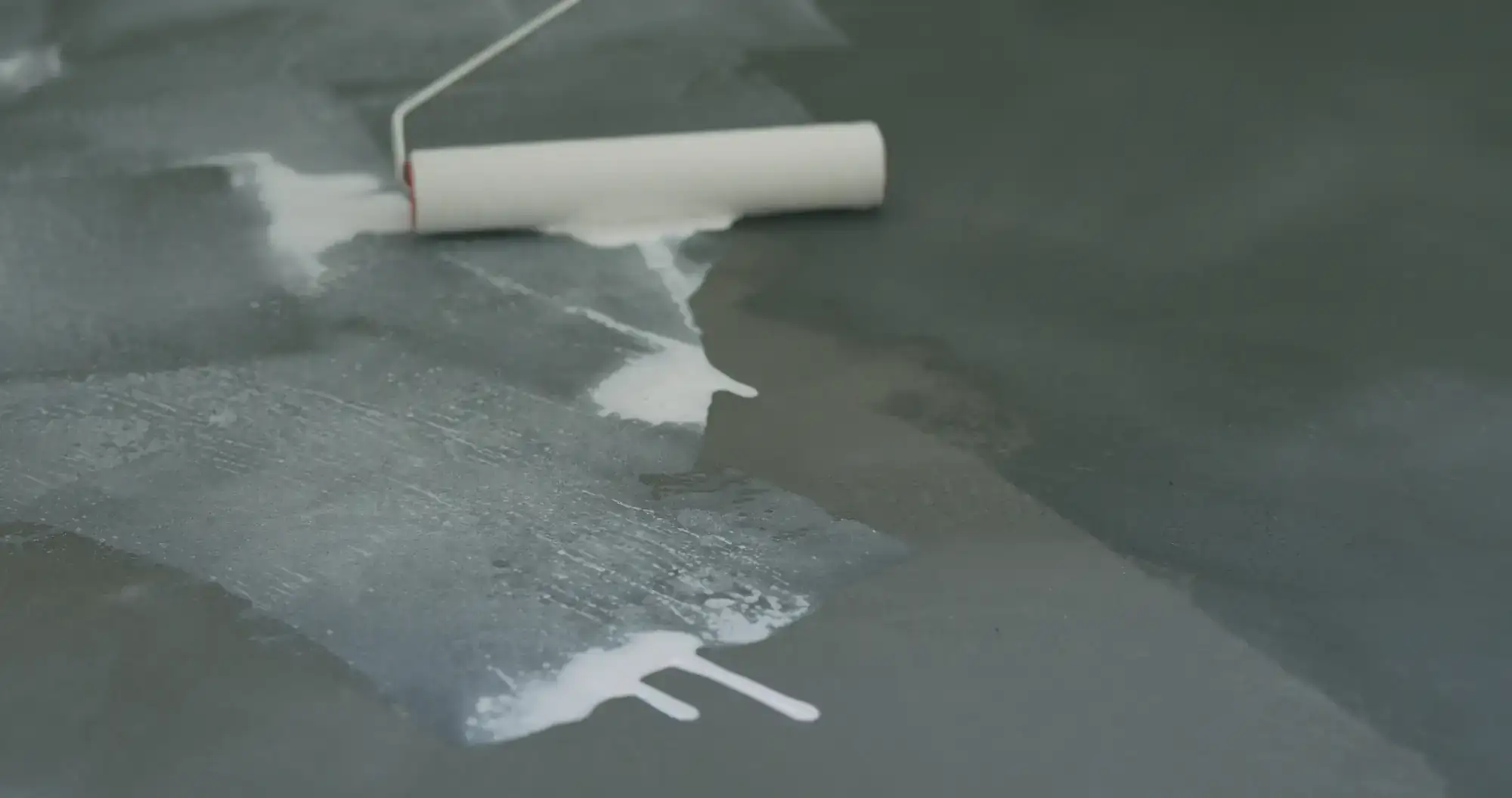
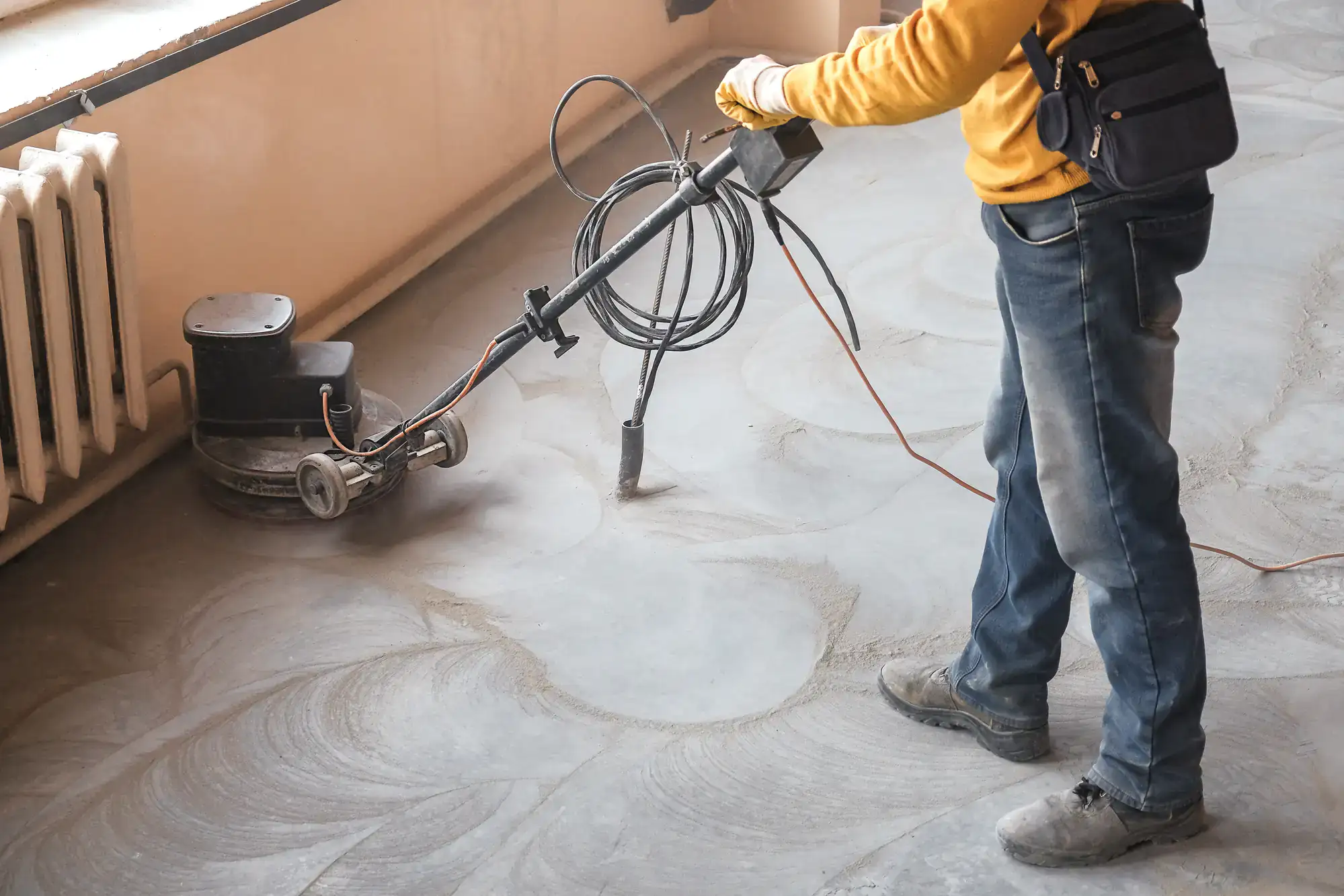
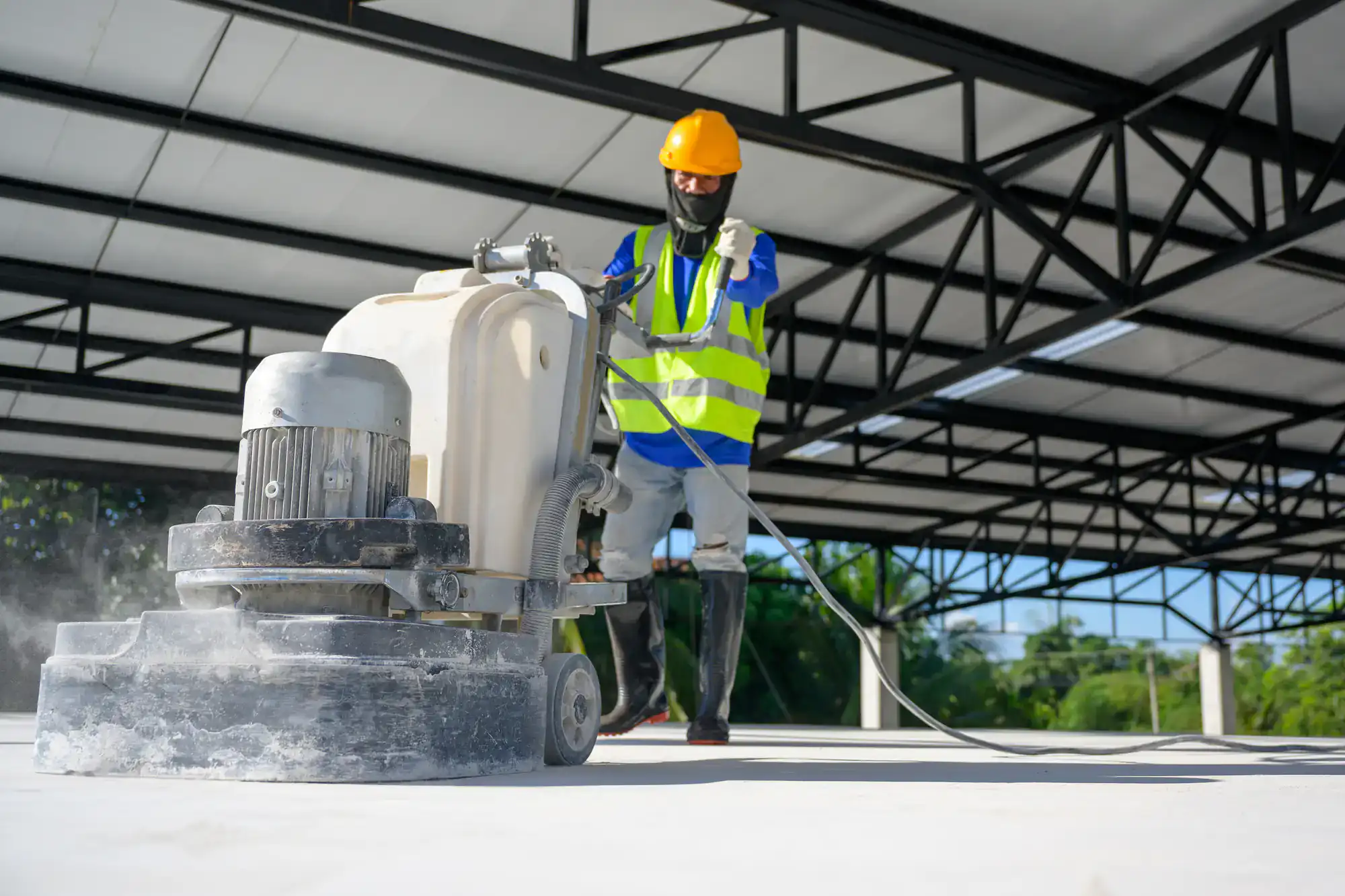
We start with diamond grinding to remove any existing coatings and level the surface. Then we work through progressively finer grits, each pass making the concrete smoother and more reflective. We apply densifiers that chemically react with the concrete to make it harder and more stain-resistant.
The final polishing stages bring out the shine and seal the surface. The whole process typically takes 2-3 days depending on your space size, and you can usually walk on it within hours of completion. No waiting weeks for coatings to cure or off-gassing to clear.
Ready to get started?
Polished Concrete Solutions Opa-locka
Your polished concrete service includes complete surface preparation, multi-stage diamond polishing, chemical densification, and final sealing. We handle everything from shot-blasting preparation to the final protective treatments.
In Opa-locka’s industrial environment, floors take a beating from forklifts, heavy machinery, and constant traffic. That’s why we use commercial-grade densifiers and sealers designed specifically for high-impact applications. These aren’t residential-grade products—they’re engineered for facilities that never sleep.
We also factor in South Florida’s climate challenges. Our curing process accounts for humidity levels and temperature fluctuations that can affect how the concrete responds to treatment. The result is a floor system that performs consistently, whether it’s July or January.
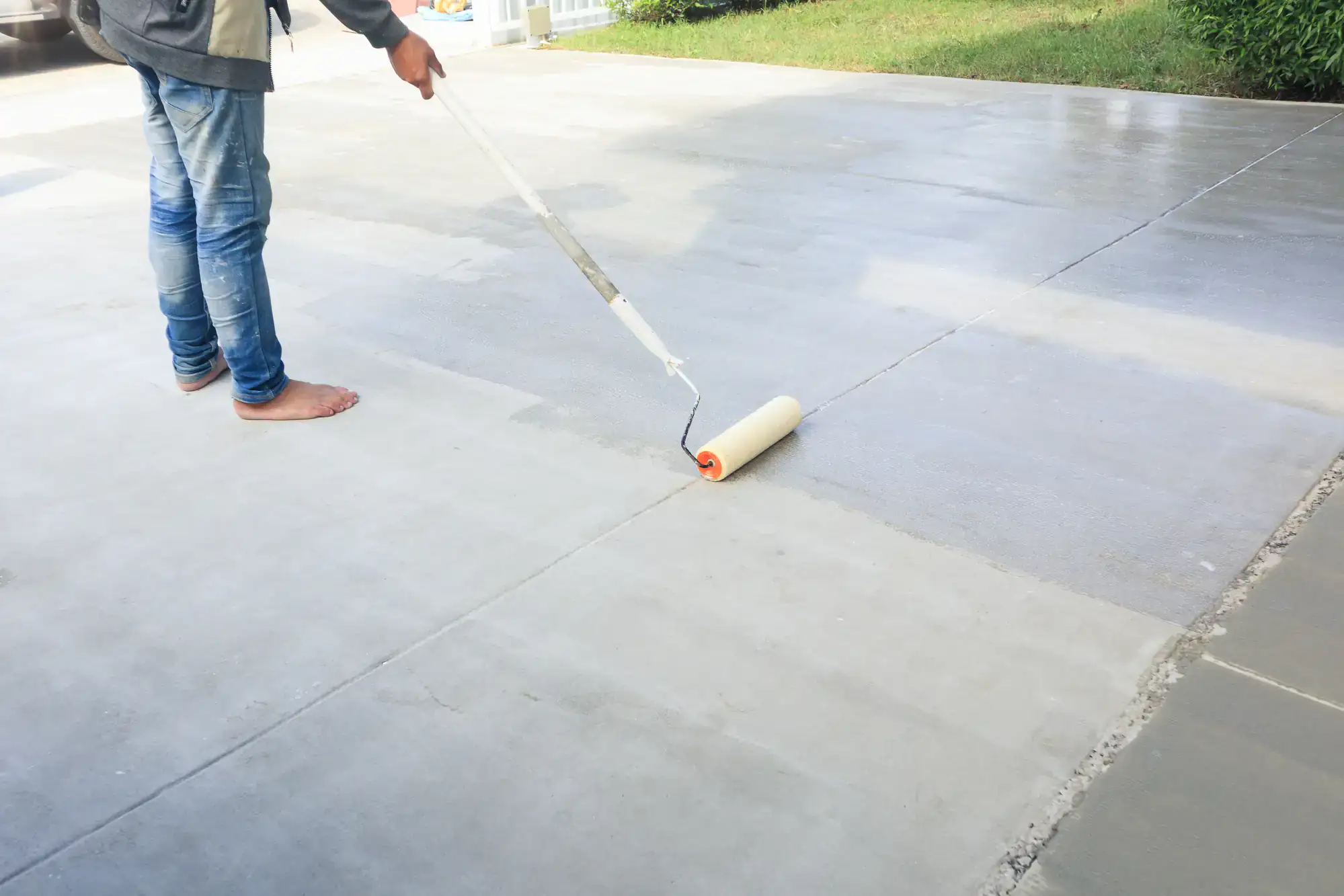
How long does concrete polishing take for a typical warehouse?
Most warehouse polishing projects take 3-5 days depending on the size and current condition of your floors. We work in sections so you can keep operating in other areas of your facility.
The timeline breaks down like this: Day one is surface prep and initial grinding. Days two and three involve the progressive polishing stages. Day four is densification and final polishing. If your concrete is in rough shape or has existing coatings, add another day for prep work.
We schedule around your operations when possible. Many of our Opa-locka clients prefer us to work nights or weekends to avoid disrupting their daily workflow.
Will polished concrete hold up under heavy machinery and forklifts?
Yes, when done correctly, polished concrete is one of the most durable flooring options for heavy industrial use. The densification process we use actually makes the concrete harder than it was originally.
We’ve polished floors in facilities with constant forklift traffic, heavy stamping presses, and machinery that would destroy most other flooring types. The key is proper preparation and using industrial-grade densifiers that penetrate deep into the concrete matrix.
The diamond polishing process also eliminates the weak surface layer that typically chips and spalls under heavy loads. What you’re left with is essentially the hardest part of the concrete, polished to a smooth, durable finish that actually gets stronger over time.
How much maintenance do polished concrete floors require?
Polished concrete requires minimal maintenance compared to other industrial flooring options. Daily cleaning involves sweeping or dust mopping, with weekly damp mopping using a neutral pH cleaner.
There’s no waxing, no periodic refinishing, and no special equipment needed. Spills wipe up easily because the densified surface resists penetration. Even oil and chemical spills that would permanently stain regular concrete clean up without leaving marks.
The biggest maintenance advantage is durability. While epoxy coatings might need reapplication every 5-7 years and other floors need regular refinishing, properly polished concrete can last decades with just basic cleaning. Many of our clients see an 80% reduction in their floor maintenance costs.
Can you polish concrete that already has stains or damage?
In most cases, yes. The grinding process removes surface stains, light damage, and old coatings. We can typically restore concrete that looks beyond repair.
However, deep structural cracks, major spalling, or severe chemical damage might require repair work first. We’ll assess your floors during the initial consultation and let you know exactly what’s involved. Sometimes a small repair investment makes the difference between replacement and restoration.
Even heavily stained warehouse floors usually clean up better than you’d expect. The grinding process removes the contaminated surface layer, and the polishing brings out the clean concrete underneath. We’ve transformed floors that clients thought were hopeless.
What’s the difference between polished concrete and epoxy coatings?
Polished concrete works with your existing slab, making it harder and more durable through mechanical and chemical processes. Epoxy is a coating applied on top of concrete that can chip, peel, or wear through over time.
Polished concrete won’t delaminate because there’s no coating to separate from the substrate. It’s literally the concrete itself, just refined and hardened. This makes it ideal for heavy-duty applications where coatings might fail.
Cost-wise, polished concrete typically costs less initially and much less over time because there’s no recoating needed. Epoxy might seem cheaper upfront, but when you factor in reapplication costs every few years, polished concrete usually wins on total cost of ownership.
How soon can we use the floors after polishing is complete?
You can typically walk on polished concrete within 2-4 hours of completion, and it’s ready for light traffic the same day. Full industrial use can resume within 24 hours in most cases.
This is much faster than epoxy systems that might require days of curing time and have strong odors during application. With polished concrete, there are no fumes, no off-gassing, and no waiting for chemical reactions to complete.
We schedule the final stages of polishing so you can get back to normal operations as quickly as possible. Many clients are surprised they can resume full operations so quickly after what seems like major floor work.
Other Services we provide in Opa-Locka