


Concrete Polishing in Pinewood, FL
Transform Your Concrete Into Professional Flooring
Hear from Our Customers
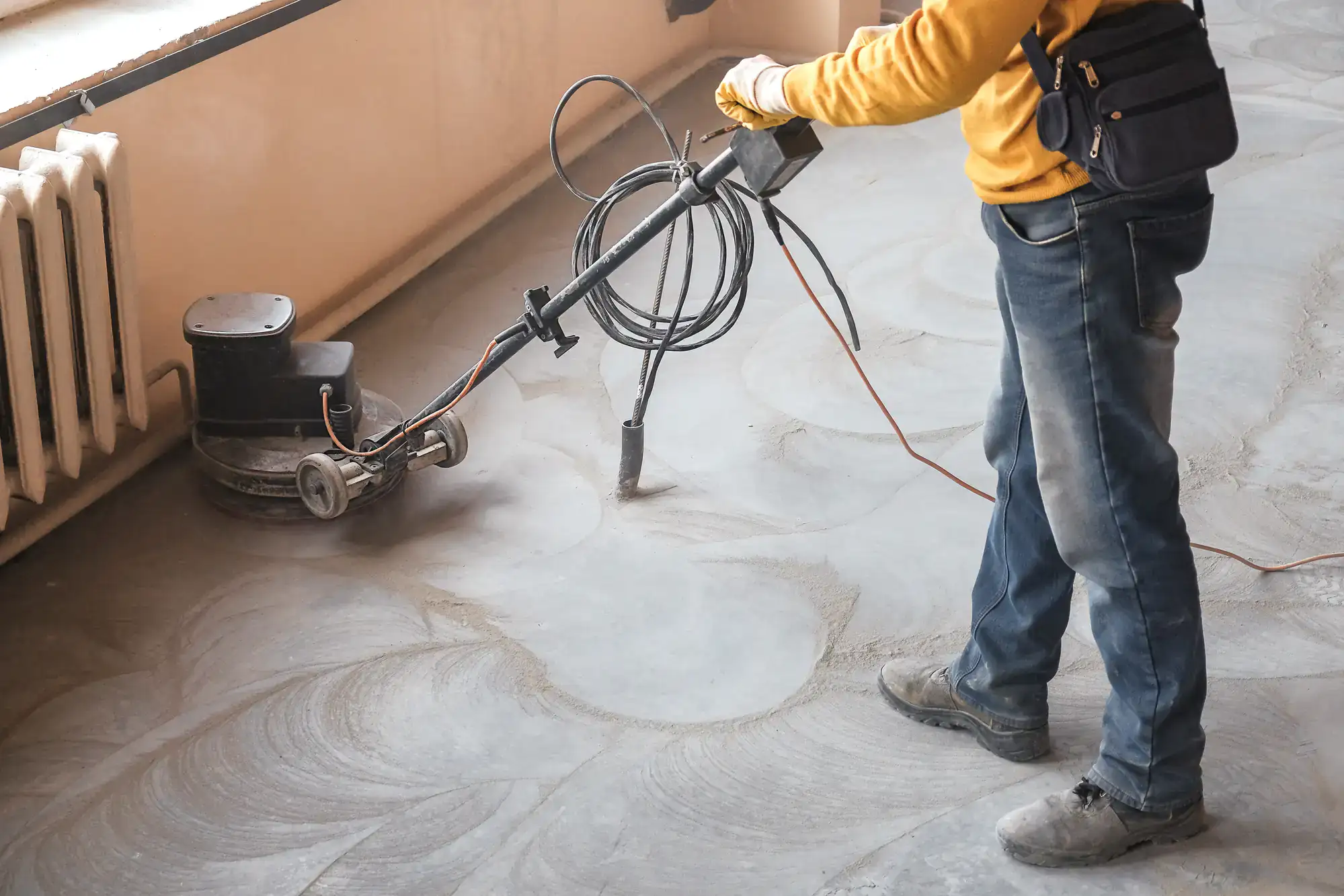
Polished Concrete Floors Pinewood
Your floors stop being a maintenance headache and start working for you. No more dust clouds every time equipment moves across the surface. No more embarrassment when clients visit your facility.
Polished concrete gives you a professional appearance that actually lasts. The surface becomes dense and non-porous, which means spills wipe up instead of soaking in. Lighting improves dramatically because the polished surface reflects light instead of absorbing it.
You’ll cut your floor maintenance time by more than half. The sealed surface resists stains, chemicals, and heavy traffic damage that would destroy regular concrete. Most clients see their cleaning costs drop 60% within the first year.
Concrete Polishing Company Pinewood FL
We’ve been transforming concrete floors across South Florida for years. We understand how humidity, heavy equipment, and constant use affect concrete in this climate.
We’re not the cheapest option in Pinewood, and that’s intentional. You’re investing in equipment that can handle the job right the first time, techniques that last, and service that doesn’t disappear after the check clears.
Most of our work comes from referrals because property owners see the difference professional polishing makes. When your floors look this good and stay this clean, people notice.
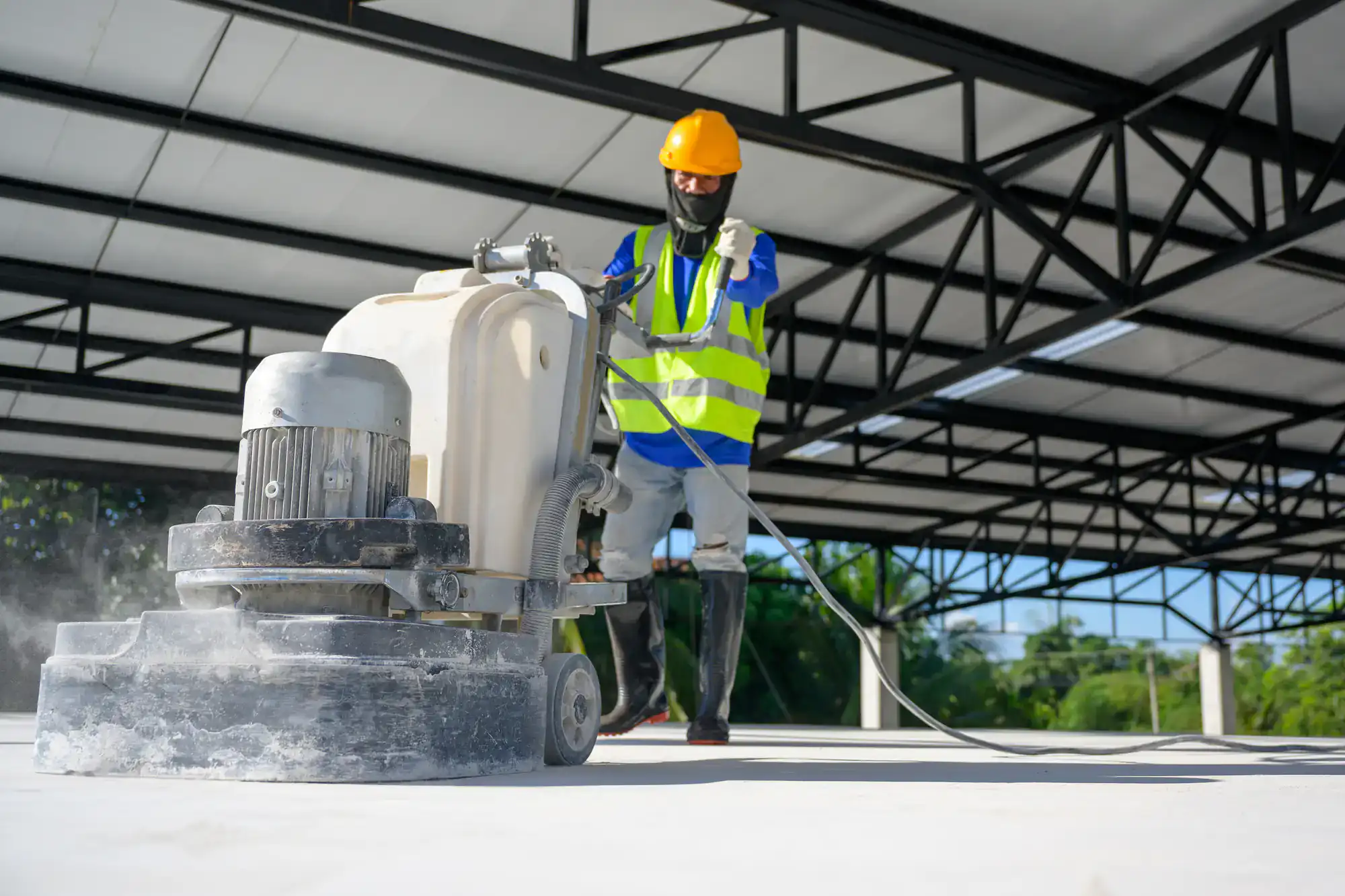
Concrete Polishing Process Pinewood
We start with a thorough assessment of your existing concrete. This tells us what prep work is needed and which polishing level will give you the best results for your specific use case.
The grinding phase removes surface imperfections and opens up the concrete pores. We use progressively finer diamond tools to achieve the exact finish level you need. Each step builds on the last one.
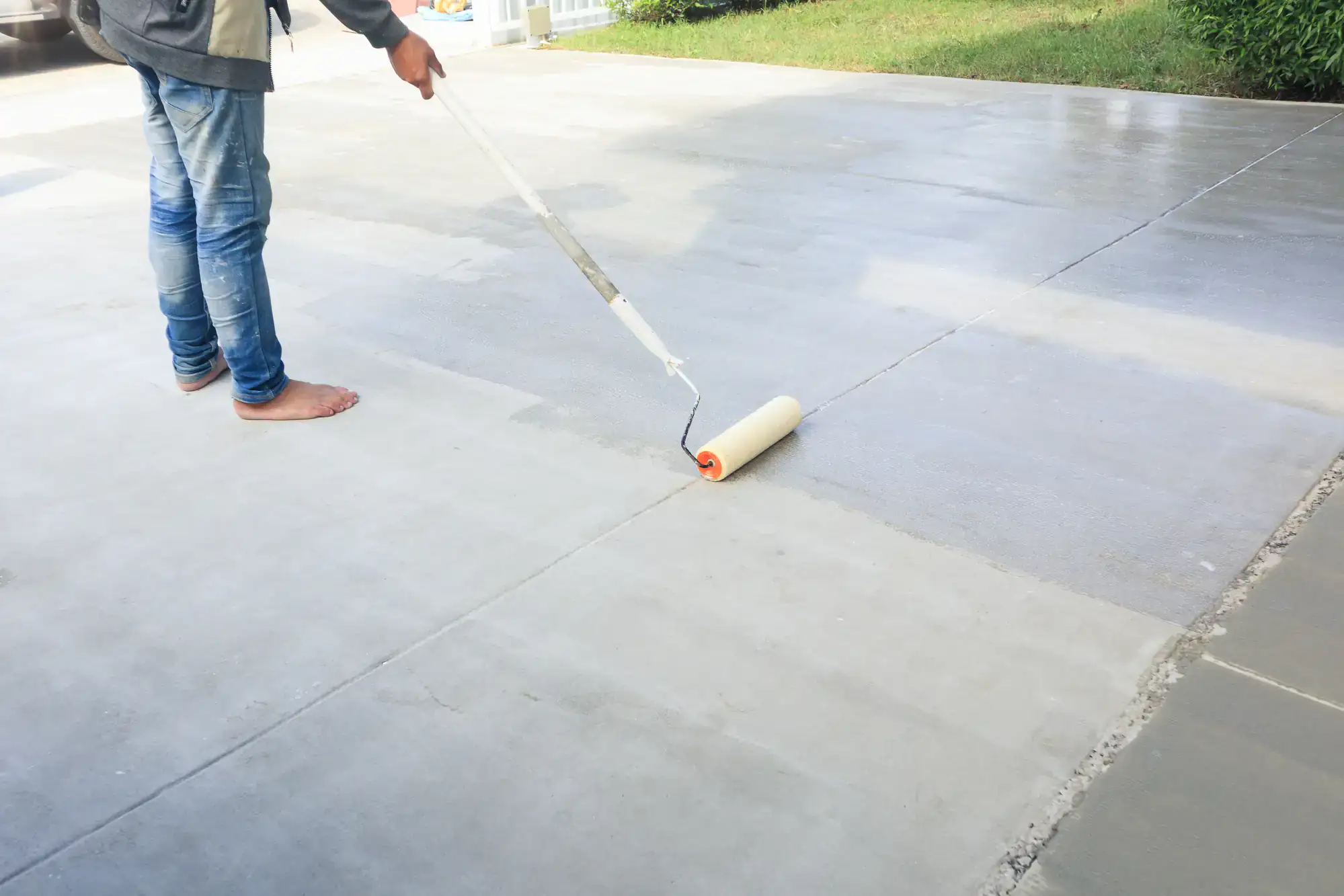
The final polishing creates that smooth, reflective surface you’re looking for. We apply densifiers that harden the concrete and make it virtually maintenance-free. The whole process typically takes 2-3 days for most commercial spaces, and you can walk on it immediately after we’re done.
Ready to get started?
Durable Flooring Solutions Pinewood
We customize the finish level based on how you actually use the space. Light foot traffic gets a different treatment than heavy machinery areas. This isn’t a one-size-fits-all approach.
Pinewood’s industrial facilities need floors that can handle forklifts, chemical spills, and constant activity. Our polishing process creates a surface that’s actually harder than the original concrete. The densification process fills microscopic gaps and creates a barrier that keeps moisture and contaminants out.
You get options for slip resistance too. High-gloss looks impressive in showrooms, but working areas might need more texture for safety. We can adjust the finish to meet your specific requirements without compromising durability.
How long does concrete polishing last in high-traffic areas?
Properly polished concrete typically lasts 15-20 years in high-traffic commercial environments, compared to 3-5 years for most other floor coatings. The key is in the densification process, which actually makes the concrete harder than it was originally.
Heavy equipment and constant foot traffic will eventually wear down any surface, but polished concrete wears much more slowly. When it does need attention, you’re usually looking at a simple repolish rather than complete replacement.
Most of our commercial clients in Pinewood see minimal wear even after 5-7 years of heavy use. The initial investment pays for itself through reduced maintenance and replacement costs.
Can you polish concrete that already has cracks or damage?
Yes, but the existing damage needs to be addressed first. Small cracks and minor surface imperfections are actually common and can be repaired as part of the polishing process.
We evaluate each floor individually. Surface cracks can often be filled and ground smooth during preparation. Deeper structural issues might need more extensive repair work before polishing begins.
The grinding phase removes most surface-level problems. What you end up with is a uniform, smooth surface that hides the original imperfections. However, we’ll be upfront about what’s realistic for your specific floor condition.
How does polished concrete handle chemical spills and stains?
Polished concrete is highly resistant to most chemicals, oils, and stains because the surface becomes non-porous during the densification process. Spills sit on top rather than soaking in, which gives you time to clean them up.
The polishing process closes the concrete’s natural pores and creates a barrier against penetration. This works for everything from automotive fluids to food service spills. Most substances wipe up with standard cleaning methods.
Even if something does manage to stain the surface, the polished concrete can usually be spot-treated and repolished in that area without redoing the entire floor. This is a major advantage over coated floors, which often require complete removal and reapplication.
What’s the difference between polished concrete and epoxy coatings?
Polished concrete is the actual concrete surface that’s been mechanically refined and densified. Epoxy is a coating applied on top of concrete. This fundamental difference affects everything from durability to maintenance.
Polished concrete can’t peel, chip, or delaminate because it’s the floor itself, not something sitting on top. Epoxy coatings, while useful in certain applications, can fail at the bond line, especially in humid climates like Florida.
Maintenance is simpler with polished concrete. You’re cleaning the actual floor surface, not protecting a coating. When polished concrete needs attention, you repolish. When epoxy fails, you often have to strip everything and start over.
How much does concrete polishing cost compared to other flooring options?
Concrete polishing typically costs 40-60% less than premium flooring options like terrazzo or high-end tile when you factor in the lifespan. The initial cost is higher than basic epoxy, but the long-term value is significantly better.
Most commercial projects in Pinewood run between $3-8 per square foot, depending on the existing concrete condition and desired finish level. This includes all prep work, polishing, and sealing.
The real savings show up over time. Polished concrete floors often last 15-20 years with minimal maintenance, while most other commercial flooring options need replacement or major repairs every 5-10 years. When you calculate cost per year of service, polished concrete usually wins.
Can polished concrete work in humid Florida weather conditions?
Yes, polished concrete actually performs better in humid conditions than many other flooring options. The densified surface doesn’t absorb moisture, which prevents the humidity-related problems that affect other materials.
Florida’s climate can cause issues with coated floors, where moisture gets trapped and causes bubbling or delamination. Since polished concrete is the actual slab surface, there’s no coating to fail when humidity levels change.
The polishing process also improves the concrete’s resistance to temperature fluctuations and moisture cycles. This is particularly important in Pinewood’s industrial facilities, where doors open frequently and climate control varies throughout the day.
Other Services we provide in Pinewood