


Concrete Polishing in San Castle, FL
Transform Your Concrete Into Durable Shine
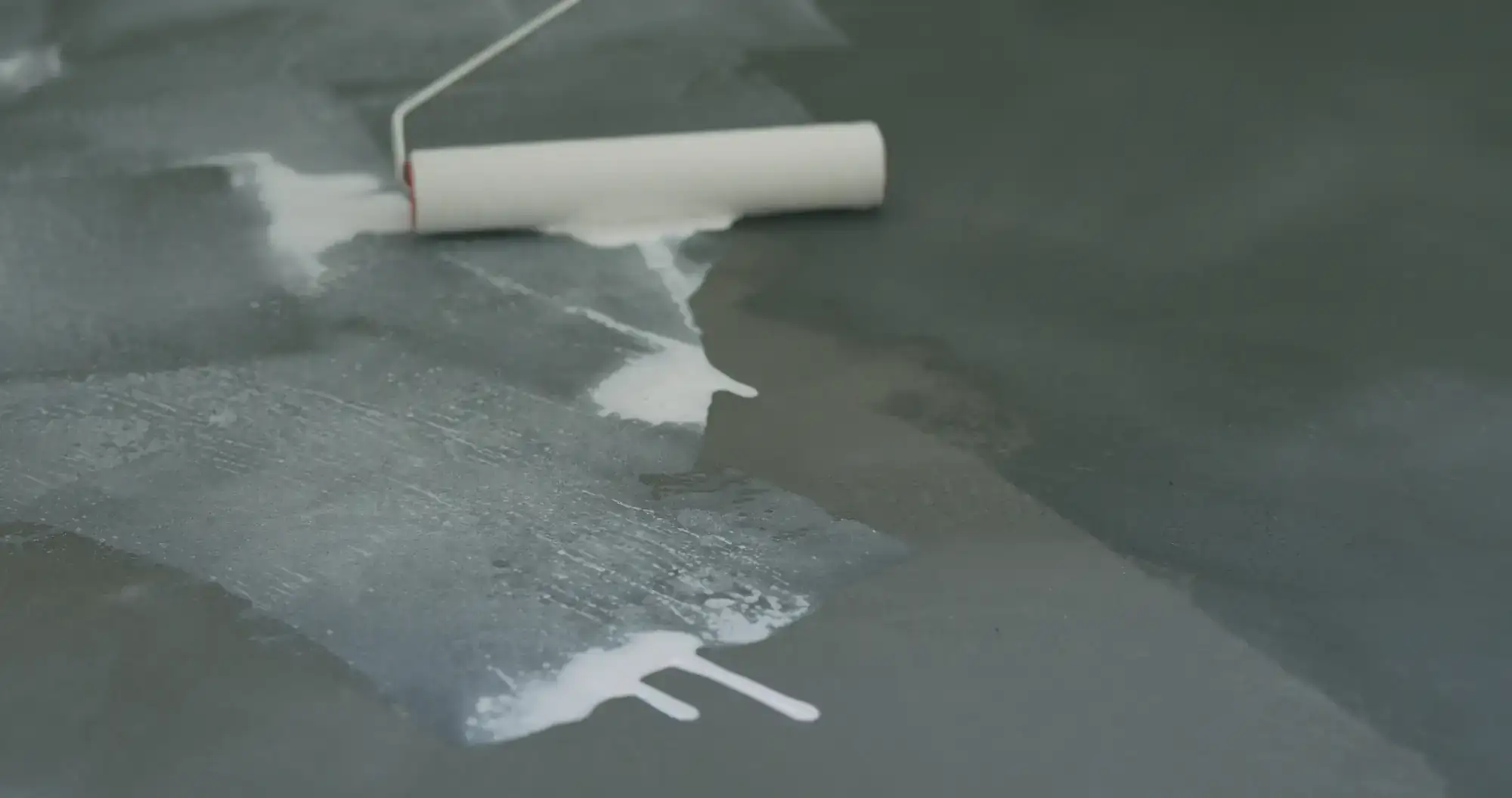
Hear from Our Customers
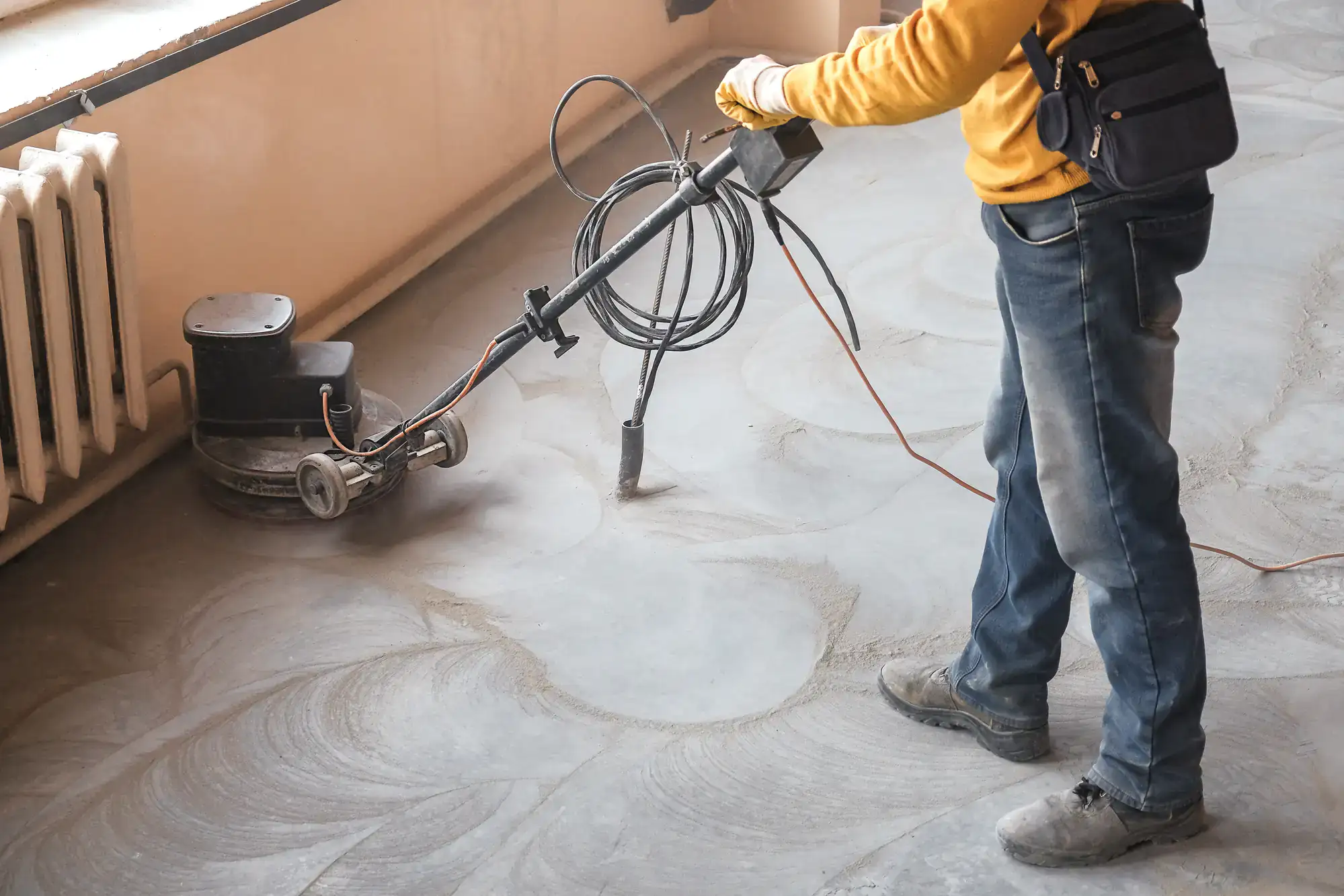
Polished Concrete Solutions San Castle
Your concrete doesn’t have to look tired and worn. When we polish your floors, you get surfaces that handle everything Florida throws at them—humidity, heavy traffic, and daily wear—while looking better than the day we finished.
Polished concrete isn’t just about appearance. It’s about creating floors that last 30+ years in commercial settings, resist stains and moisture damage, and cut your cleaning time in half. No more worrying about replacing floors every few years or dealing with surfaces that show every scuff mark.
You’ll have floors that reflect light naturally, reducing your lighting costs while giving your space that clean, professional look that makes the right impression on customers and employees alike.
Concrete Polishing Contractors San Castle
We’ve been transforming concrete floors across South Florida for years, and we’ve learned what works in this climate. Florida’s humidity and coastal conditions demand flooring solutions that can handle moisture, salt air, and constant temperature changes.
We’re not the cheapest option in San Castle, and that’s exactly why businesses and homeowners choose us. You’re investing in floors that won’t need replacement, won’t develop moisture problems, and won’t leave you dealing with maintenance headaches down the road.
Our team has installed polished concrete in sports stadiums, grocery stores, manufacturing facilities, and luxury homes throughout the region. When other contractors say a job can’t be done, we’re the ones they call.
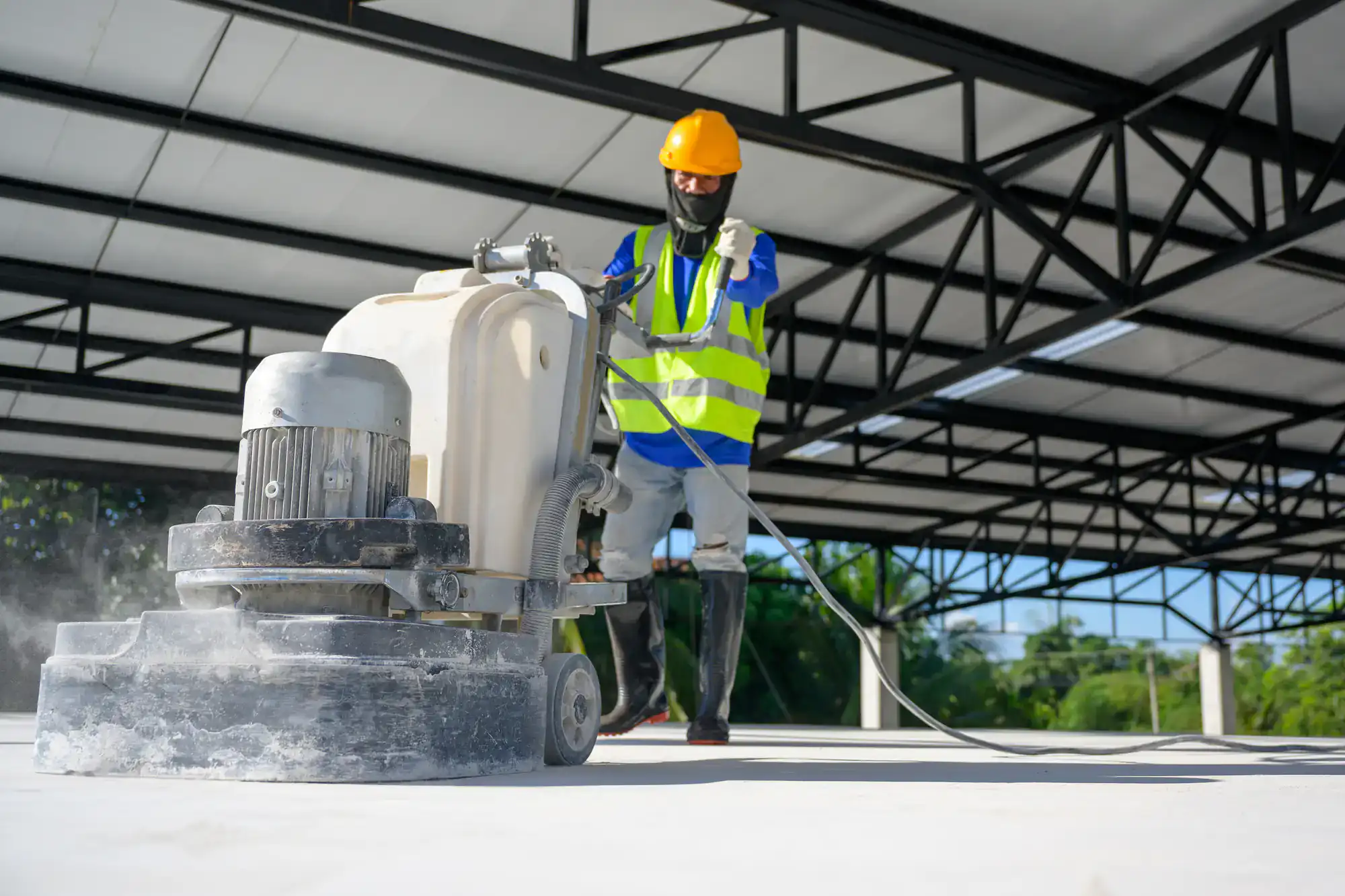
Concrete Polishing Process San Castle
We start by assessing your existing concrete slab. If it’s new, we ensure it’s properly cured—typically two to four weeks. For existing floors, we check for high spots, low areas, cracks, and any existing coatings that need removal.
Next comes the grinding phase. We use heavy-duty equipment with diamond-enhanced grinding discs, starting with coarser grits and progressively moving to finer ones. This levels the surface and removes imperfections while exposing the aggregate underneath.
After initial grinding, we apply chemical hardeners that penetrate deep into the concrete. This step increases durability and stain resistance while improving the final polish quality. We let this cure for 12-24 hours depending on the specific product.
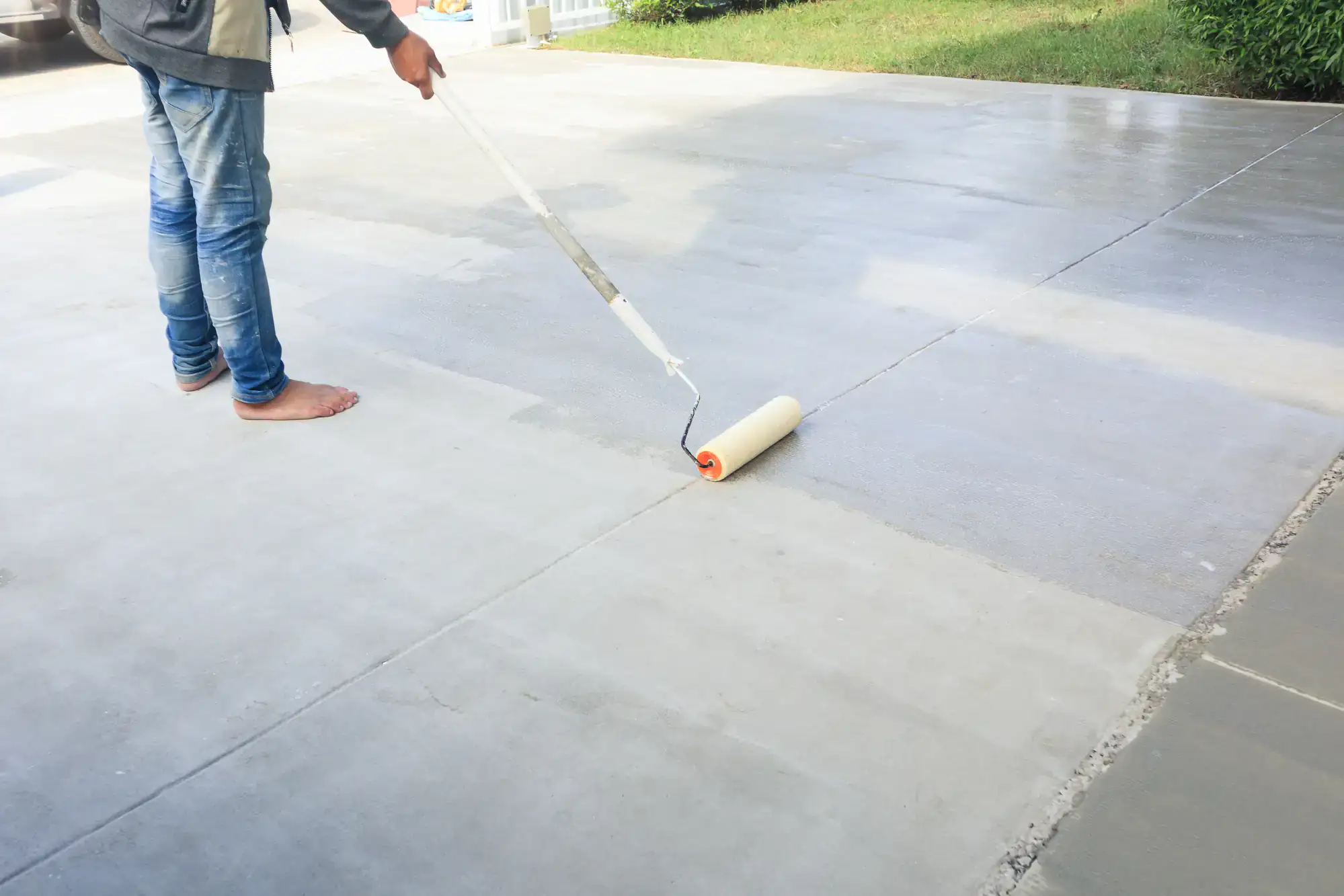
The final polishing phase uses resin-bonded diamonds in progressively finer grits until we achieve your desired level of shine. We finish with a protective sealer that guards against stains and chemical damage, ensuring your investment stays protected.
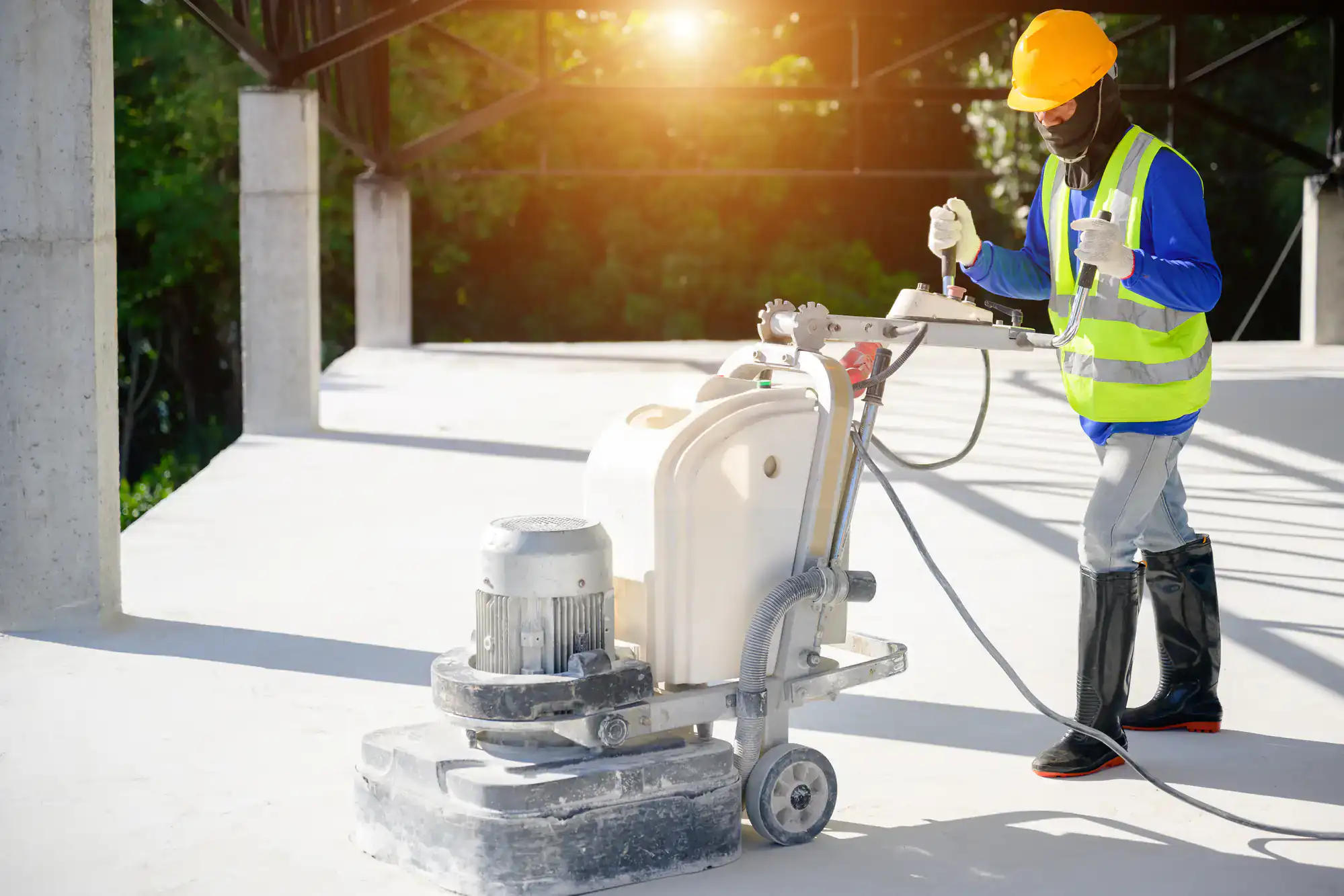
Ready to get started?
Professional Concrete Polishing San Castle
Every concrete polishing project includes complete surface preparation, progressive diamond grinding, chemical hardening, and final protective sealing. We don’t cut corners on prep work because we know that’s what separates floors that last from floors that fail.
In San Castle’s coastal environment, moisture control is critical. We use specialized sealers and treatments designed for Florida’s humidity levels. Your floors won’t develop the moisture problems that plague other flooring materials in this climate.
You’ll also get floors that meet LEED standards for sustainable construction. The increased light reflectivity reduces your facility’s energy consumption, and the long lifespan means fewer resources consumed over time compared to traditional flooring materials.
Our polished concrete works in warehouses handling heavy machinery, retail spaces with constant foot traffic, restaurants dealing with spills and cleaning chemicals, and luxury homes where appearance matters as much as performance.
How long does polished concrete last in Florida’s climate?
Properly installed polished concrete lasts 30+ years in commercial settings and even longer in residential applications. Florida’s humidity actually works in favor of polished concrete because the sealed surface resists moisture penetration that damages other flooring materials.
Unlike wood that warps, carpet that develops mold, or vinyl that degrades in UV exposure, polished concrete maintains its integrity and appearance. The chemical hardeners we use create a surface that’s actually more durable than the original concrete, and our specialized sealers are formulated specifically for coastal conditions.
The key is proper installation and using the right products for Florida’s environment. That’s why we use diamond-sealed treatments and moisture-resistant hardeners that other contractors often skip.
What’s the difference between polished concrete and epoxy coatings?
Polished concrete is the actual concrete surface that’s been mechanically refined and hardened, while epoxy is a coating applied on top of concrete. Think of polished concrete as transforming your existing slab versus covering it with something else.
Polished concrete won’t peel, chip, or wear through because there’s no coating to fail. It’s the concrete itself that’s been densified and polished to a high shine. Epoxy coatings, while durable, can eventually wear through in high-traffic areas or fail if moisture gets underneath.
For San Castle’s climate, polished concrete often performs better long-term because there’s no coating that can delaminate due to moisture or temperature cycling. However, epoxy works better when you need specific chemical resistance or decorative effects that polished concrete can’t achieve.
How much does concrete polishing cost compared to other flooring?
Initial costs for polished concrete typically range from moderate to high depending on your existing slab condition and desired finish level. However, the total cost of ownership over 20-30 years is usually lower than alternatives because you’re not replacing the floor multiple times.
Factor in the reduced maintenance costs, lower cleaning expenses, and energy savings from improved light reflectivity, and polished concrete often pays for itself within 5-10 years. You’re also avoiding the disposal costs and downtime associated with floor replacement every 7-10 years.
The exact cost depends on your slab condition, square footage, desired finish level, and any decorative elements you want. We provide detailed estimates that break down all costs so you can make an informed decision based on your specific situation.
Can you polish concrete that already has coatings or damage?
Yes, we can work with most existing concrete conditions, but the approach varies significantly based on what we’re dealing with. Existing coatings like paint, sealers, or adhesives need complete removal before polishing can begin.
For damaged concrete with cracks, holes, or soft spots, we first assess whether the slab is a good candidate for polishing. Minor cracks and surface imperfections can usually be addressed during the grinding process, but extensive patching or soft concrete may not be suitable.
The key is honest assessment upfront. We’ll evaluate your slab condition and let you know if polishing will give you the results you want, or if other solutions would be more appropriate. Sometimes a combination approach works best—repairing problem areas first, then polishing the entire surface.
How do you maintain polished concrete floors?
Daily maintenance is simple: sweep or dust mop to remove debris, then damp mop with neutral pH cleaners as needed. That’s it. No waxing, no special treatments, no intensive deep cleaning routines that eat up your time and budget.
For commercial spaces, we recommend periodic resealing every 2-5 years depending on traffic levels and use conditions. This maintains the stain resistance and keeps the surface looking its best. Residential applications often go longer between resealing.
Avoid acidic cleaners that can etch the surface, and clean up spills promptly to prevent any potential staining. The sealed surface repels most liquids, giving you time to clean up accidents before they become permanent problems.
Is polished concrete slippery when wet?
Properly finished polished concrete provides good traction even when wet. The polishing process creates a smooth but not slick surface, and we can adjust the final finish level to meet your specific safety requirements.
For areas where wet conditions are common—like restaurant kitchens or pool decks—we can incorporate slip-resistant treatments during the polishing process. These maintain the polished appearance while providing additional traction where needed.
The key is matching the finish level to your application. High-gloss finishes look dramatic but may require slip-resistant additives in wet areas, while satin finishes provide excellent traction naturally while still giving you that professional polished concrete appearance.
Other Services we provide in San Castle