


Concrete Sealing in Glidden Park, FL
Florida-Tough Concrete Protection That Actually Lasts
Hear from Our Customers
Professional Concrete Sealing Services Glidden Park
You’re tired of watching your concrete surfaces deteriorate year after year. The oil stains that won’t budge. The mold and mildew that keeps coming back no matter how much you pressure wash. The constant maintenance that eats up your weekends and your budget.
Here’s what changes when you seal your concrete properly. Your driveway, patio, and walkways become virtually maintenance-free. Water beads up and rolls off instead of soaking in. Oil spills wipe away easily. That annual pressure washing ritual becomes a thing of the past.
The difference isn’t just cosmetic—it’s structural. Properly sealed concrete can increase tensile strength by up to 30%, preventing the cracking and chipping that leads to expensive repairs down the road.
Concrete Sealing Contractors Glidden Park Florida
We’ve been protecting concrete across South Florida since 2020, earning the trust of clients ranging from homeowners to the US Military and Coast Guard. When government agencies need concrete protection that works, they call us.
We’re not the cheapest option in Glidden Park, and that’s intentional. You’re not paying for corners cut or subcontracted work—everything is handled in-house by our full-time team using commercial-grade materials from industry leaders like Laticrete and Sherwin Williams.
Florida’s climate is uniquely harsh on concrete surfaces. The intense UV exposure, sudden downpours, and high humidity create the perfect storm for concrete deterioration. That’s why we exclusively use sealers engineered to withstand these specific conditions, not generic products that fail within a year or two.
Concrete Sealing Process Glidden Park FL
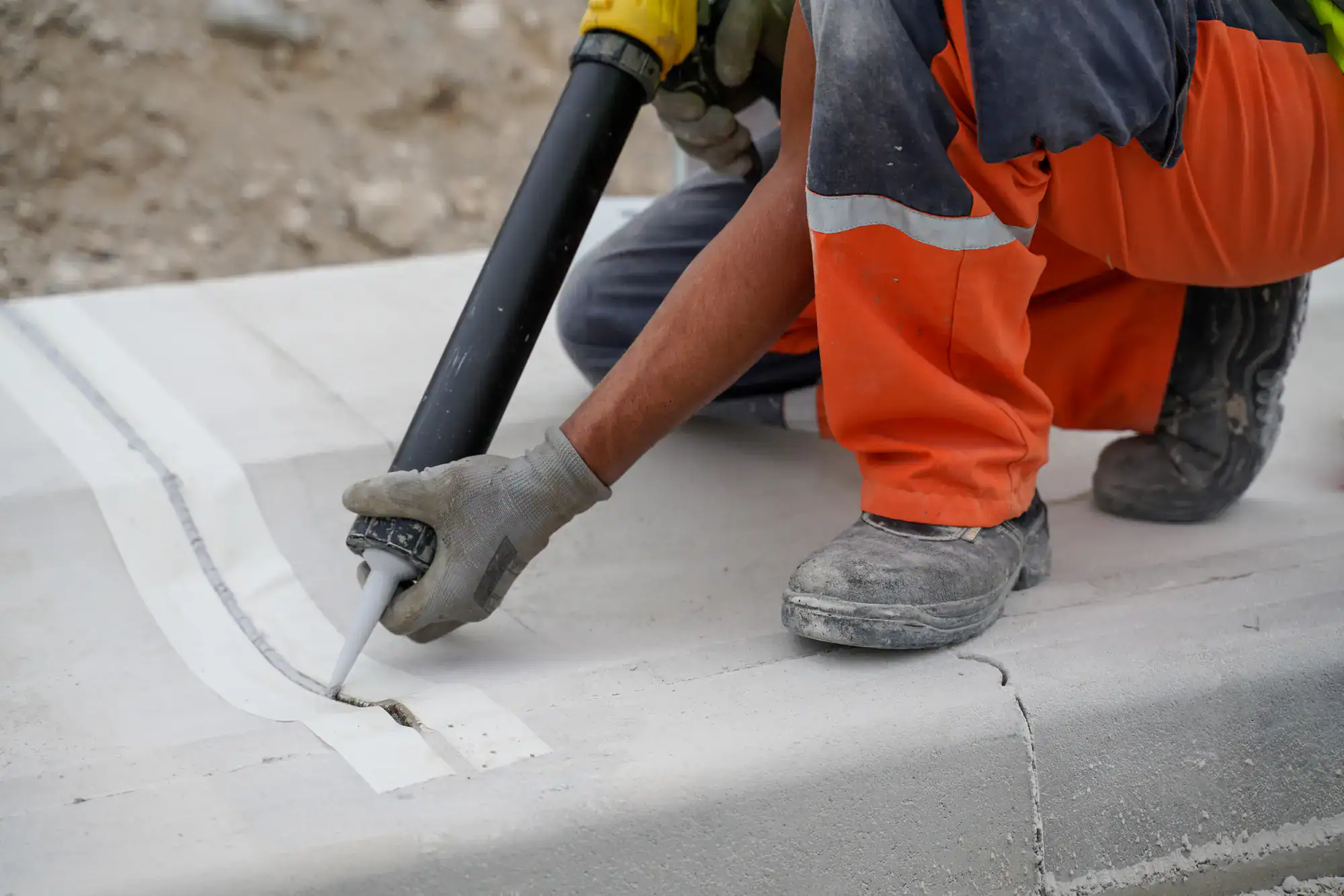
The difference between sealing that lasts and sealing that fails comes down to preparation and precision. We start with thorough surface cleaning using commercial-grade equipment and specialized cleaners that lift embedded stains without damaging the concrete substrate.
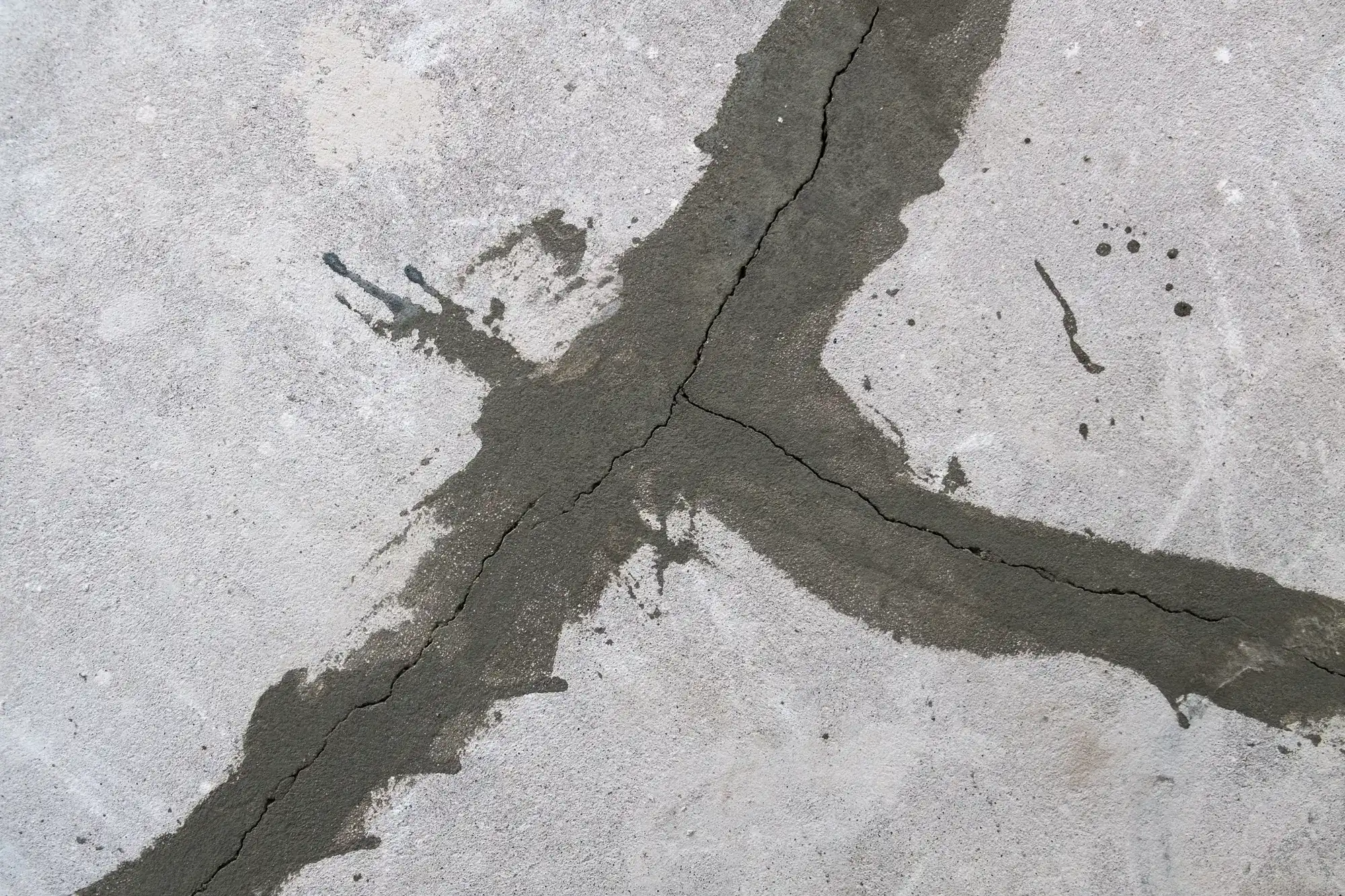
Next comes the critical step most contractors skip—moisture testing. Ground moisture levels directly impact sealer performance, so every job gets tested to ensure optimal conditions before application. Any existing cracks or surface damage get addressed during this phase.
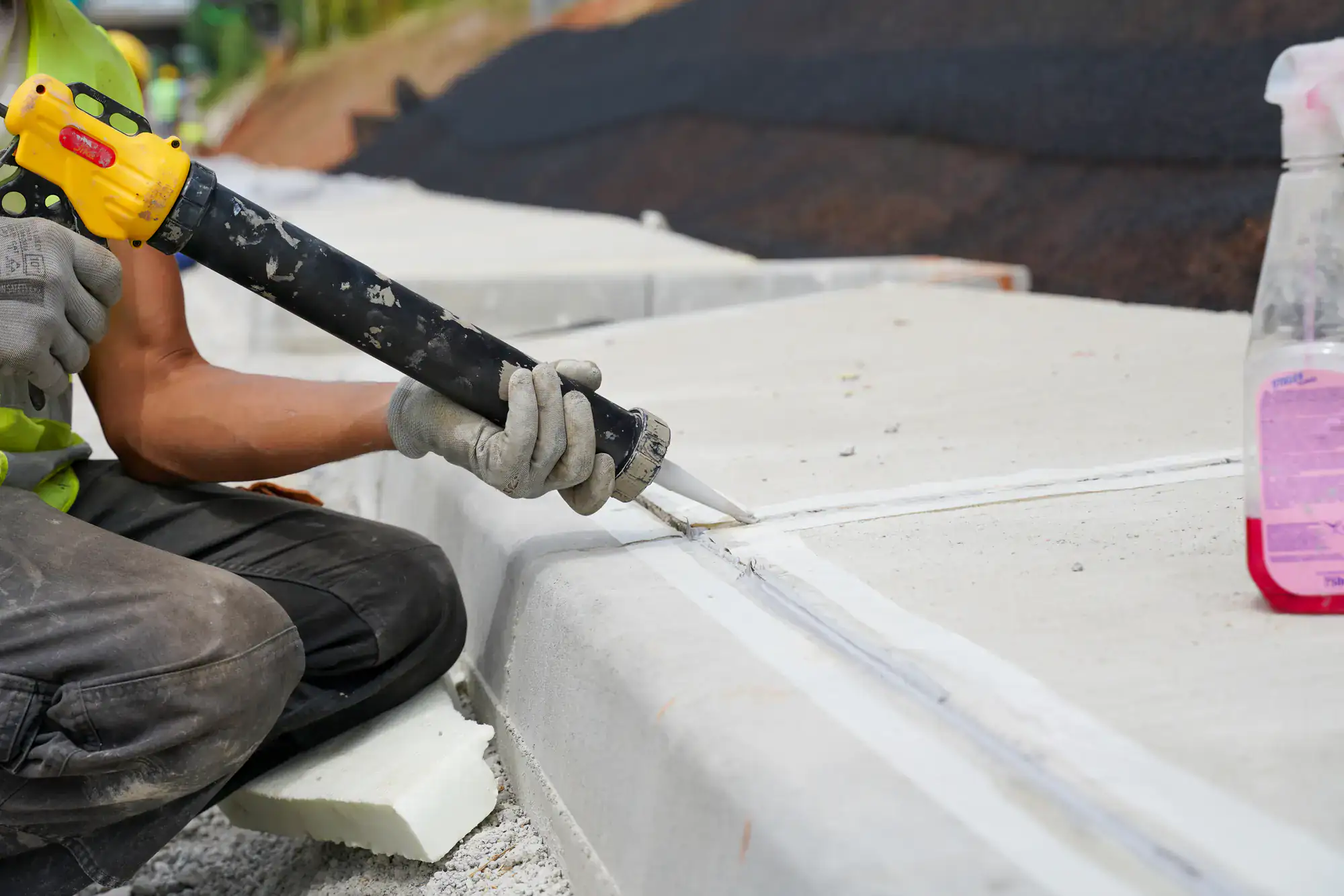
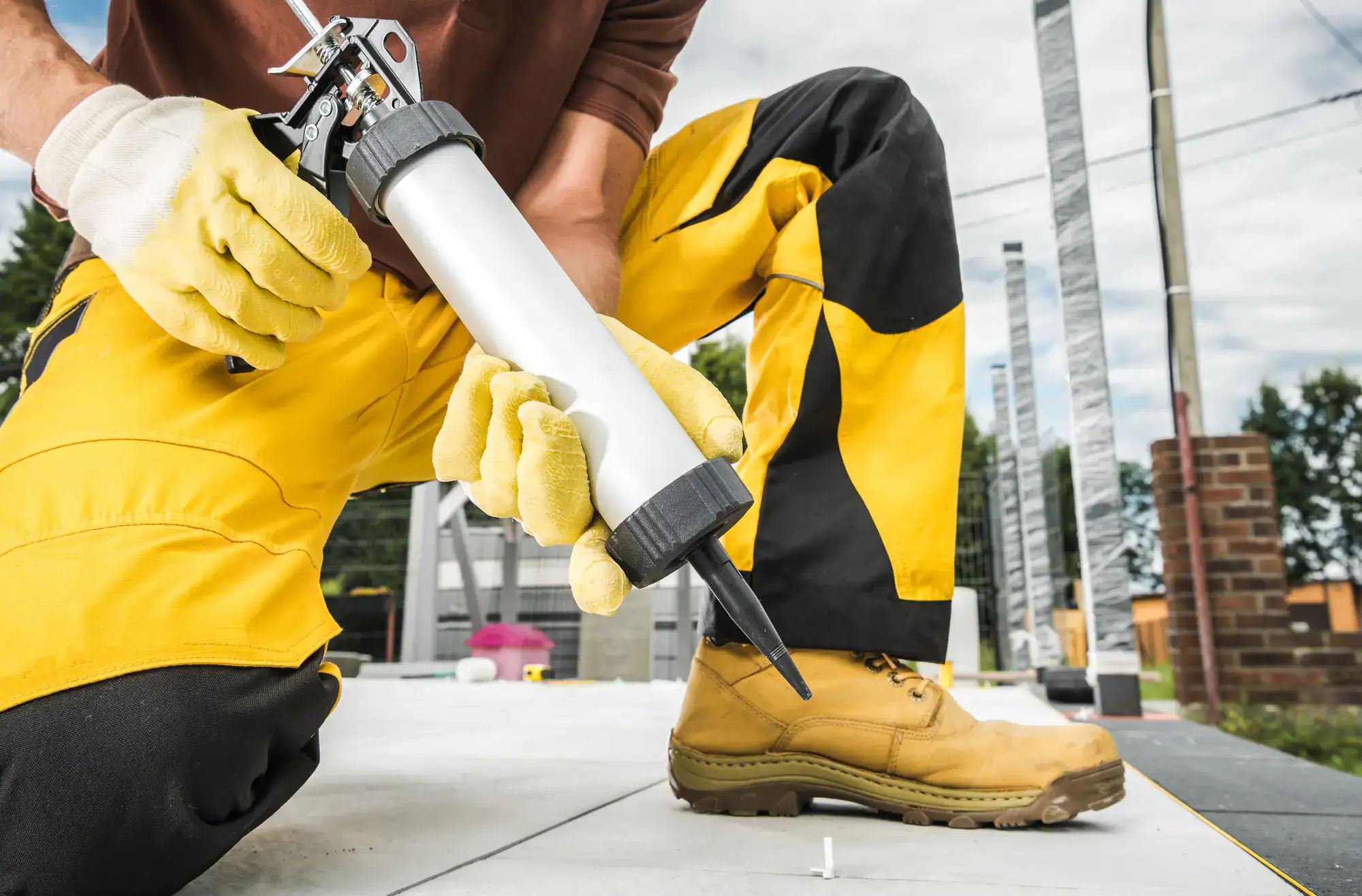
The sealer application itself involves precise coverage using professional tools to prevent streaking, missed spots, or over-application. Our nano-technology sealers penetrate deep into the concrete pores, creating a hydrophobic barrier that prevents water, oils, and contaminants from penetrating while allowing the concrete to breathe naturally. Most surfaces are ready for light foot traffic within 12 hours and full use within 24-48 hours.
Ready to get started?
Long-lasting Flooring Solutions Glidden Park
Not all concrete sealers are created equal, especially in Florida’s demanding climate. While big-box store sealers might last 1-2 years in other climates, they typically fail within months here due to UV degradation and moisture penetration.
Our industrial-grade sealers are specifically formulated to resist Florida’s intense sun exposure and high humidity levels. The result is protection that maintains water-beading performance for years, not months. Laboratory testing shows our sealers maintaining effectiveness at the 10-year mark.
In Glidden Park’s humid subtropical climate, concrete faces unique challenges from frequent afternoon thunderstorms, high humidity levels, and year-round UV exposure. Our sealing systems address these specific conditions with slip-resistant formulations that won’t become hazardous when wet, UV-stable chemistry that won’t break down under Florida’s sun, and breathable barriers that prevent moisture entrapment while blocking liquid penetration.
How long does concrete sealing last in Florida’s climate?
With proper application of commercial-grade sealers, you can expect 2-4 years of effective protection in Florida’s challenging climate. However, this varies significantly based on sealer quality and application method. Many big-box store sealers fail within 6-12 months due to UV degradation from Florida’s intense sun.
Our industrial-grade sealers are specifically formulated to resist UV breakdown and maintain their protective barrier despite high humidity and frequent rain exposure. Laboratory testing shows water-beading performance maintained at the 10-year mark, though we typically recommend evaluation around the 3-4 year point for optimal protection.
The key difference lies in sealer chemistry and application precision. Generic sealers often use recycled resins that break down quickly, while our sealers use virgin materials designed for commercial applications where failure isn’t an option.
Will sealing make my concrete slippery when wet?
Not when done correctly with the right products. This is a common concern, especially around pool decks and outdoor walkways where safety is paramount. We exclusively use slip-resistant sealers that maintain traction even when wet.
The slip-resistance comes from the sealer’s surface texture and chemical composition. Our sealers create a protective barrier without forming a glossy film that becomes hazardous when wet. Instead, they penetrate into the concrete while maintaining the surface’s natural texture.
For high-traffic areas or surfaces with existing slip concerns, we can apply specialized slip-resistant additives during the sealing process. These create additional texture while maintaining the sealer’s protective properties. The result is concrete that’s both protected and safe for foot traffic in all weather conditions.
Can you seal concrete that already has stains or damage?
Yes, but proper preparation is crucial for long-term success. Existing stains, oil spots, and surface damage must be addressed before sealing, or you’ll simply lock in these problems permanently.
Our preparation process includes specialized cleaning agents that can lift most embedded stains, including oil, rust, and organic matter. For stubborn stains, we use diamond grinding or other mechanical methods to reach clean concrete. Any cracks or chips get repaired to create a uniform surface for sealer application.
However, sealing isn’t magic—it won’t make existing stains disappear or repair structural damage. What it will do is prevent new stains from penetrating and make future cleaning much easier. Once sealed, most spills wipe away easily instead of soaking into the concrete and becoming permanent stains.
What’s the difference between penetrating and surface sealers?
Penetrating sealers soak deep into the concrete pores and react chemically with the concrete itself, creating an invisible protective barrier from within. Surface sealers form a protective film on top of the concrete. Each has specific applications and benefits.
Penetrating sealers are ideal for exterior surfaces in Florida because they allow the concrete to breathe while blocking liquid penetration. They won’t peel, flake, or wear away from traffic, and they maintain the concrete’s natural appearance. These sealers typically last longer in harsh climates because they become part of the concrete structure.
Surface sealers provide more dramatic aesthetic enhancement and are often used for decorative concrete or interior applications. However, they require more maintenance in Florida’s climate and can become slippery when wet if not formulated properly. For most Glidden Park applications, penetrating sealers provide the best long-term value and performance.
How soon after concrete installation can sealing be applied?
Standard concrete needs 28 days to fully cure before most sealers can be applied. This curing period allows the concrete to reach its full strength and allows excess moisture to evaporate, which is critical for proper sealer adhesion and performance.
However, there are specialized “cure and seal” products designed for concrete that’s 2-28 days old. These products serve dual purposes—they help the concrete cure properly while providing initial protection. This can be particularly valuable in Florida where rapid weather changes can affect the curing process.
Applying sealer too early can trap moisture in the concrete, leading to efflorescence, discoloration, or sealer failure. We always test moisture levels before application, regardless of the concrete’s age. The surface must be completely clean and dry, with moisture levels within acceptable ranges for the specific sealer being used.
What maintenance is required after concrete sealing?
Properly sealed concrete requires minimal maintenance compared to unsealed surfaces. Regular cleaning with mild detergent and water is usually sufficient to maintain appearance and performance. Avoid using soap-based cleaners, as these create a film that attracts dirt and becomes slippery when wet.
For spills, clean them promptly even though the sealer provides protection. While sealed concrete resists staining, certain chemicals like battery acid or petroleum distillates can affect the sealer if left in contact for extended periods. Most spills wipe away easily when addressed quickly.
Periodic inspection helps identify any areas where the sealer might be wearing thin, particularly in high-traffic zones. Our sealers are renewable, meaning fresh coats can be applied over existing sealed surfaces when needed. This typically occurs every 3-4 years depending on traffic and exposure conditions, making long-term maintenance both predictable and affordable.
Other Services we provide in Glidden Park