


Concrete Sealing in Hillsboro Beach, FL
Stop Florida Weather From Destroying Your Concrete
Hear from Our Customers
Professional Concrete Sealing Services
You get concrete that stays strong against Florida’s relentless humidity and UV exposure. No more watching your investment crack, stain, or develop that slippery mold growth that makes surfaces dangerous.
Our sealing creates an actual barrier that blocks moisture from penetrating your concrete’s pores. This means no more water damage during Hillsboro Beach’s heavy rains, no more oil stains that won’t come out, and no more expensive repairs from concrete that’s breaking down from the inside.
The result? Concrete that looks better longer and costs you less to maintain. Your surfaces stay safe to walk on, resist stains from everyday use, and maintain their appearance even under Florida’s harsh conditions.
Hillsboro Beach Concrete Sealing Experts
We’ve been protecting concrete across South Florida for years, and we know exactly what Hillsboro Beach properties face. The salt air, intense humidity, and UV exposure that other contractors underestimate—we plan for it.
We’re veteran-owned, which means we approach every job with precision and attention to detail. No shortcuts, no subcontractors, no guessing about what your concrete needs.
Every member of our team is a full-time employee who understands how Florida’s climate affects concrete differently than anywhere else. We use only commercial-grade materials from manufacturers like Laticrete and Carboline—the same products trusted by major facilities nationwide.

Concrete Sealing Process Hillsboro Beach
First, we conduct full concrete preparation using shot-blasting, diamond grinding, or scarifying—whatever your slab needs. This isn’t optional prep work; it’s how we ensure the sealer actually bonds properly instead of failing in six months.
Next, we repair any imperfections in your concrete slab. Cracks, chips, surface damage—everything gets addressed before we apply any protective coating. This is where most contractors cut corners, and it’s why their work fails.
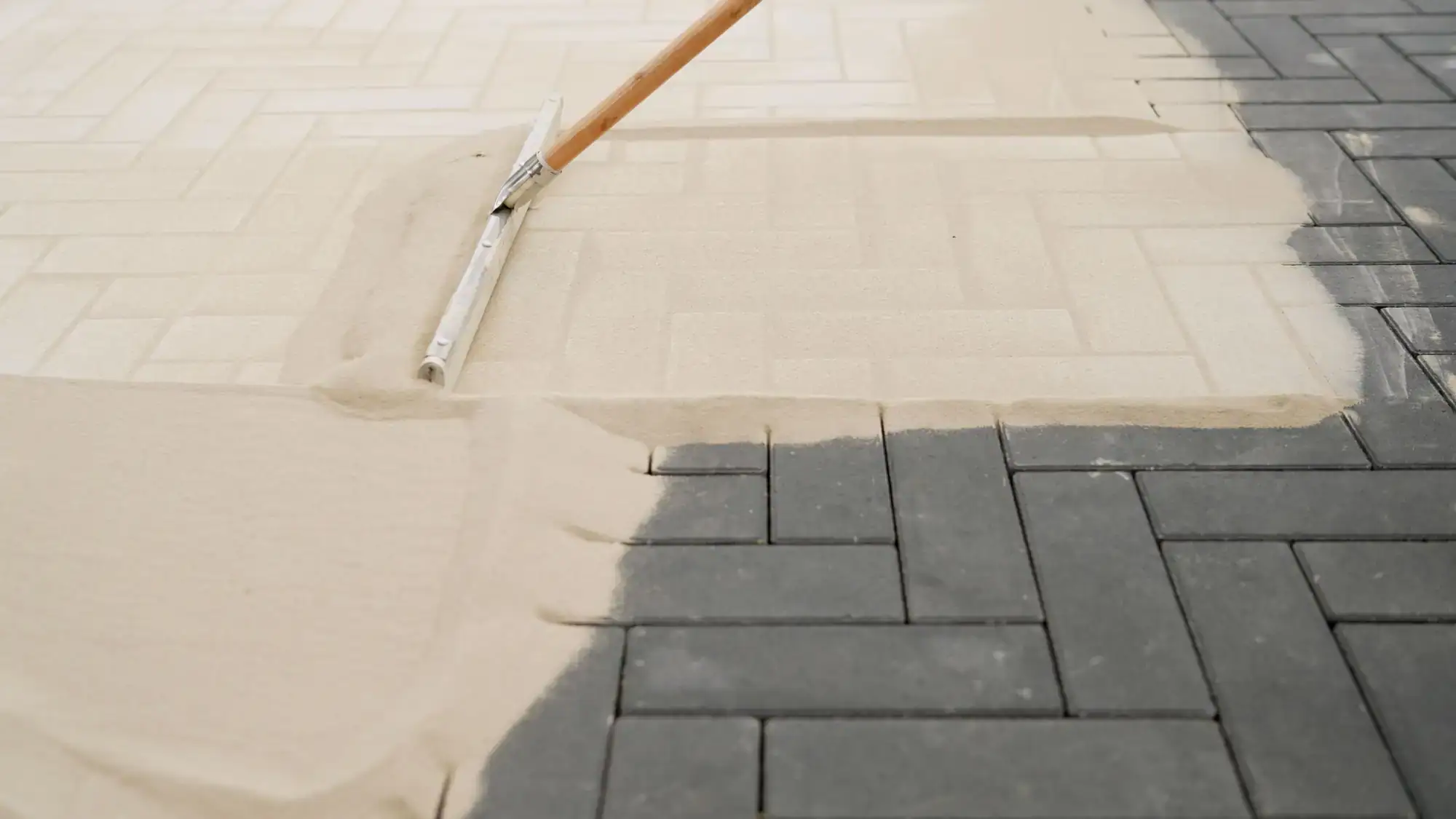
Then we apply our commercial-grade sealer using proven application techniques. We control humidity levels during installation and use materials specifically formulated for Florida’s challenging climate. The sealer penetrates deep into your concrete’s pores, creating a barrier that blocks moisture, prevents stains, and protects against UV damage.
You can walk on the surface within 12 hours, and it’s ready for full use within 72 hours. No extended downtime, no waiting weeks to use your space again.
Ready to get started?
Concrete Sealing Solutions Hillsboro Beach
Your concrete sealing includes complete surface preparation, crack and imperfection repair, and application of commercial-grade sealers designed specifically for South Florida’s climate. We don’t use consumer-grade products that fail in high humidity.
In Hillsboro Beach, your concrete faces unique challenges from salt air coming off the Atlantic, intense UV exposure, and humidity levels that stay high year-round. Our sealing systems account for these specific conditions, using penetrating sealers that create water-repellent barriers deep within your concrete’s structure.
You also get our warranty that’s longer and more comprehensive than what other contractors offer. This isn’t just confidence in our work—it’s proof that we use materials and methods that actually last in Florida’s demanding environment.
Every project includes moisture testing, proper curing time recommendations, and maintenance guidance specific to your location and concrete type. We don’t just seal and leave—we make sure you understand how to maintain your investment.
How long does concrete sealing last in Florida’s humid climate?
Professional concrete sealing typically lasts 2-3 years in South Florida, depending on exposure to traffic, weather, and UV rays. Florida’s high humidity and frequent rain put more stress on sealers than in drier climates, which is why we use commercial-grade products specifically formulated for these conditions.
Consumer-grade sealers often fail within months in Florida’s climate because they can’t handle the constant moisture and temperature fluctuations. Our penetrating sealers bond chemically with your concrete and are designed to withstand humidity levels that regularly hit 72-76% in this area.
We’ll give you specific maintenance recommendations based on your concrete’s location and use. High-traffic areas or surfaces exposed to pool chemicals may need attention sooner, while protected areas can go longer between applications.
Can you seal concrete that already has moisture problems?
We can seal concrete with moisture issues, but we address the source first. Sealing over existing moisture problems without proper preparation leads to bubbling, peeling, and premature failure—problems we see constantly from other contractors’ work.
Our process includes moisture testing using digital sensors to measure actual vapor emission rates. If moisture levels are too high, we use specialized primers and moisture-tolerant systems, or recommend addressing drainage issues before sealing.
In Florida’s climate, even newer concrete can have vapor transmission issues due to groundwater pressure and high ambient humidity. We always test before sealing to ensure your finish holds up, because sealing is a preventative measure, not a fix for existing moisture damage.
What’s the difference between penetrating and surface sealers for Florida concrete?
Penetrating sealers soak into your concrete and bond chemically with the substrate, making them ideal for Florida’s climate. They protect against moisture intrusion while allowing some vapor transmission, which prevents the pressure buildup that causes coating failures.
Surface sealers create a film on top of your concrete. While they can add gloss and enhance appearance, they’re more prone to failure in high-humidity environments because they can trap moisture underneath, leading to bubbling and delamination.
For Hillsboro Beach’s salt air, UV exposure, and humidity, we typically recommend penetrating sealers. They provide long-lasting protection without changing your concrete’s appearance, and they won’t peel or wear off from foot traffic like surface films can.
How soon after pouring can new concrete be sealed in Florida?
New concrete in Florida needs 30-60 days minimum curing time before sealing—significantly longer than in drier climates. Florida’s high humidity slows water evaporation from concrete, and sealing too early traps moisture that will cause problems later.
The standard 28-day curing period that works elsewhere isn’t enough here. We test moisture levels using specialized meters rather than guessing based on calendar days, because ambient humidity affects every slab differently.
Rushing this process is one of the biggest mistakes we see. Concrete that seems dry on the surface can still be releasing moisture from within, and sealing prematurely leads to bubbling, poor adhesion, and early failure. We’d rather wait and do it right than rush and have to redo the work.
Will sealing make my concrete slippery around the pool area?
Properly applied penetrating sealers shouldn’t make textured concrete slippery. The sealer soaks into the pores without creating a surface film, so it maintains your concrete’s original texture and slip resistance.
For pool decks and areas that get wet frequently, we use specific sealers designed for these applications. If your concrete is smooth or we’re using a surface sealer that might affect traction, we add non-slip additives to maintain safety.
We also consider your specific situation—decorative concrete with deep texture patterns typically won’t become slippery when sealed, while smooth troweled surfaces need different treatment. We’ll discuss slip resistance during our evaluation and recommend the best approach for your specific concrete and use.
Do you use the same sealing products as other contractors in the area?
No, we use commercial-grade products from manufacturers like Laticrete, Carboline, and Advanced Polymer Technology—the same materials specified for major commercial and industrial projects. Most residential contractors use consumer-grade products that aren’t designed for Florida’s demanding climate.
These commercial products cost more upfront but last longer and perform better in high humidity, salt air, and UV exposure. They’re formulated specifically for challenging environments, not just basic residential applications.
We’re certified by leading product manufacturers, which means we know how to properly apply these systems and can offer warranties that other contractors can’t match. When you’re investing in concrete sealing, the quality of materials matters as much as the application technique.
Other Services we provide in Hillsboro Beach