


Concrete Sealing in Miami Beach
Stop Moisture Damage Before It Costs Thousands
Hear from Our Customers
Commercial Flooring Contractor Miami Beach
You know what happens to unsealed concrete in Miami Beach. The salt air gets in. Moisture builds up. Cracks appear. Then you’re looking at thousands in repairs or complete replacement.
Our concrete sealing stops that cycle. We use UV-resistant sealers designed specifically for Florida’s harsh conditions – not the consumer-grade products that fail after one season. Your concrete stays protected, your maintenance costs drop, and you avoid the headaches that come with concrete failure.
When we’re done, you’ll have surfaces that resist moisture, prevent mold growth, and maintain their integrity despite everything Miami Beach’s climate throws at them.
Moisture Control Floors Miami Beach
We’ve been protecting South Florida concrete for years, and we’ve learned what works in this climate. We’re not some fly-by-night operation using cheap materials.
We’re veteran-owned, manufacturer-certified, and we’ve worked on everything from the Faena Hotel to major commercial facilities across Miami Beach. Our team understands the unique challenges of coastal concrete – the salt air, the humidity, the UV exposure that destroys most sealers within two years.
That’s why we only use professional-grade, UV-resistant sealers that are formulated to last in Florida. When other contractors are coming back to redo failed work, our sealing jobs are still performing exactly as promised.

Long-Lasting Flooring Solutions Miami Beach
First, we properly prepare the surface. That means diamond grinding to ensure the sealer penetrates correctly and adheres to your substrate. No shortcuts, no surface-level applications that fail in months.
Next, we test moisture levels. This is critical in Miami Beach’s humid climate. If moisture is trapped during sealing, you get that white or yellow discoloration that requires costly stripping and re-application at $4 per square foot.
Then we apply our UV-resistant sealer using professional equipment. We’re talking about sealers that penetrate deep into the concrete, not just sit on the surface. The application is saturated but controlled – no pooling, no missed spots.
Finally, we ensure proper curing time. Most sealers are walkable in 10-12 hours, but we’ll give you exact timing based on current conditions. No guessing, no premature foot traffic that compromises the seal.
Ready to get started?
Concrete Sealing Services Miami Beach
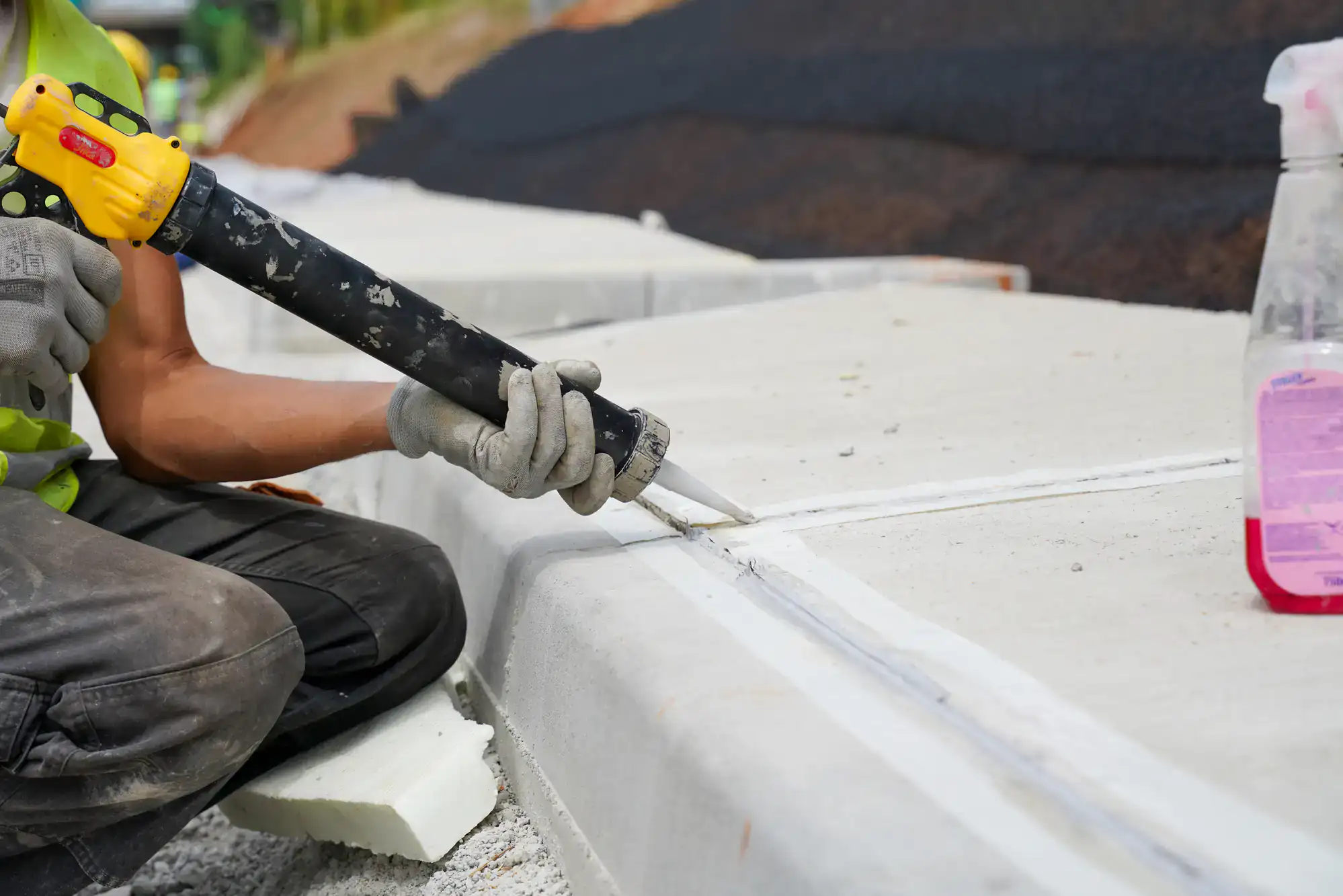
Our concrete sealing service includes complete surface preparation, moisture testing, professional-grade sealer application, and proper curing protocols. We don’t just spray and walk away.
In Miami Beach, you’re dealing with constant salt air exposure, high humidity levels, and UV radiation that destroys inferior sealers. Our flooring services include sealers specifically formulated to handle these conditions. They create a waterproof barrier that prevents chloride ion penetration – the main cause of concrete corrosion in coastal areas.
You’ll also get protection against the “sweating slab syndrome” that’s common in South Florida. This is when moisture accumulates on concrete surfaces, creating slip hazards and damaging equipment. Our sealers prevent moisture intrusion from below while allowing the concrete to breathe.
The result is concrete that maintains its integrity, resists staining and corrosion, and requires minimal maintenance for years. No more annual pressure washing that just provides moisture for new mold growth.
How Long Do Concrete Sealers Last In Miami Beach’s Climate?
Most consumer-grade sealers fail within 1-2 years in South Florida due to intense UV exposure and coastal conditions. That’s why we use professional-grade, UV-resistant sealers specifically formulated for Florida’s harsh climate.
Our sealers are designed to withstand salt air, high humidity, and constant UV radiation. When properly applied with correct surface preparation, they provide protection for many years rather than requiring annual reapplication. The key is using virgin, non-recycled resins that don’t discolor or fail prematurely like cheaper alternatives.
We also perform moisture testing before application to prevent the white or yellow discoloration that occurs when moisture gets trapped between the concrete and sealer – a costly problem that requires complete stripping and reapplication.
What Makes Concrete Sealing Necessary In Miami Beach Specifically?
Miami Beach’s coastal location creates unique challenges for concrete. Salt air contains chloride ions that penetrate unsealed concrete and attack steel reinforcement, causing rust that expands and creates cracks. This allows more moisture and chemicals to enter, accelerating the damage.
The high humidity levels also cause “sweating slab syndrome” where moisture accumulates on concrete surfaces, creating slip hazards and promoting mold and mildew growth. Without proper sealing, concrete becomes a hard sponge that absorbs moisture, leading to structural problems and health issues.
Professional concrete sealing creates a waterproof barrier that prevents salt and moisture intrusion while protecting against UV damage. This is especially critical in Miami Beach where environmental stressors accelerate concrete deterioration much faster than inland areas.
Can You Seal Concrete That Already Has Moisture Problems?
This requires careful evaluation and proper preparation. We always perform moisture testing before sealing because trapping existing moisture under a sealer causes white or yellow discoloration and sealer failure.
If moisture issues exist, we first address the root cause. This might involve improving drainage, allowing proper drying time, or using specialized cure-and-seal products designed for concrete that’s 2-28 days old. In some cases, we may recommend moisture mitigation systems before sealing.
The key is never rushing the process. Sealing over existing moisture problems creates expensive failures that require stripping and reapplication. Our experience in Miami Beach’s challenging climate means we know how to properly assess and address moisture issues before sealing, ensuring long-lasting results rather than costly do-overs.
How Do You Prepare Concrete Surfaces Before Sealing?
Proper preparation is critical for sealer adhesion and longevity. We start with diamond grinding to create the correct surface profile and remove any contaminants, old coatings, or surface irregularities that could prevent proper sealer penetration.
Next, we clean the surface thoroughly and test porosity to ensure the concrete can accept the sealer. Dense or smooth concrete may require additional mechanical preparation. We also remove any oil stains, efflorescence, or other substances that could interfere with sealer adhesion.
Finally, we pressure wash with 2500-3000 PSI and allow 24 hours minimum for complete drying – longer in humid conditions. This preparation ensures the sealer penetrates correctly and bonds permanently to the substrate rather than creating a surface film that can peel or fail.
What’s The Difference Between Penetrating And Topical Concrete Sealers?
Penetrating sealers soak into the concrete and protect from below the surface without changing appearance. They’re excellent for areas with high moisture exposure because they can’t be removed by surface wear and don’t create hot tire pickup issues.
Topical sealers form a protective film on the surface and can enhance appearance with various finishes from matte to high gloss. However, they’re more susceptible to wear, UV damage, and moisture intrusion if the film is compromised.
In Miami Beach’s challenging environment, we often recommend penetrating sealers for their durability and resistance to salt air and moisture. The choice depends on your specific needs, traffic patterns, and aesthetic preferences. Our team evaluates each situation to recommend the best sealer type for maximum protection and longevity.
How Soon Can Concrete Be Walked On After Sealing?
Most concrete sealers allow foot traffic after 10-12 hours, but full cure time varies by product and environmental conditions. Urethane coatings typically require 36-48 hours before being walked on, driven on, or exposed to moisture.
Temperature and humidity significantly affect curing time. In Miami Beach’s humid climate, we may recommend longer cure times to ensure proper sealer hardening. Rushing this process by allowing premature traffic can compromise the seal and lead to premature failure.
We provide specific timing based on the sealer used, current weather conditions, and your concrete’s characteristics. This isn’t guesswork – we give you exact timeframes so you can plan accordingly without risking damage to the freshly sealed surface.
Other Services we provide in Miami Beach