


Concrete Sealing in Queens Cove, FL
Moisture-Proof Your Concrete Before It’s Too Late
Hear from Our Customers
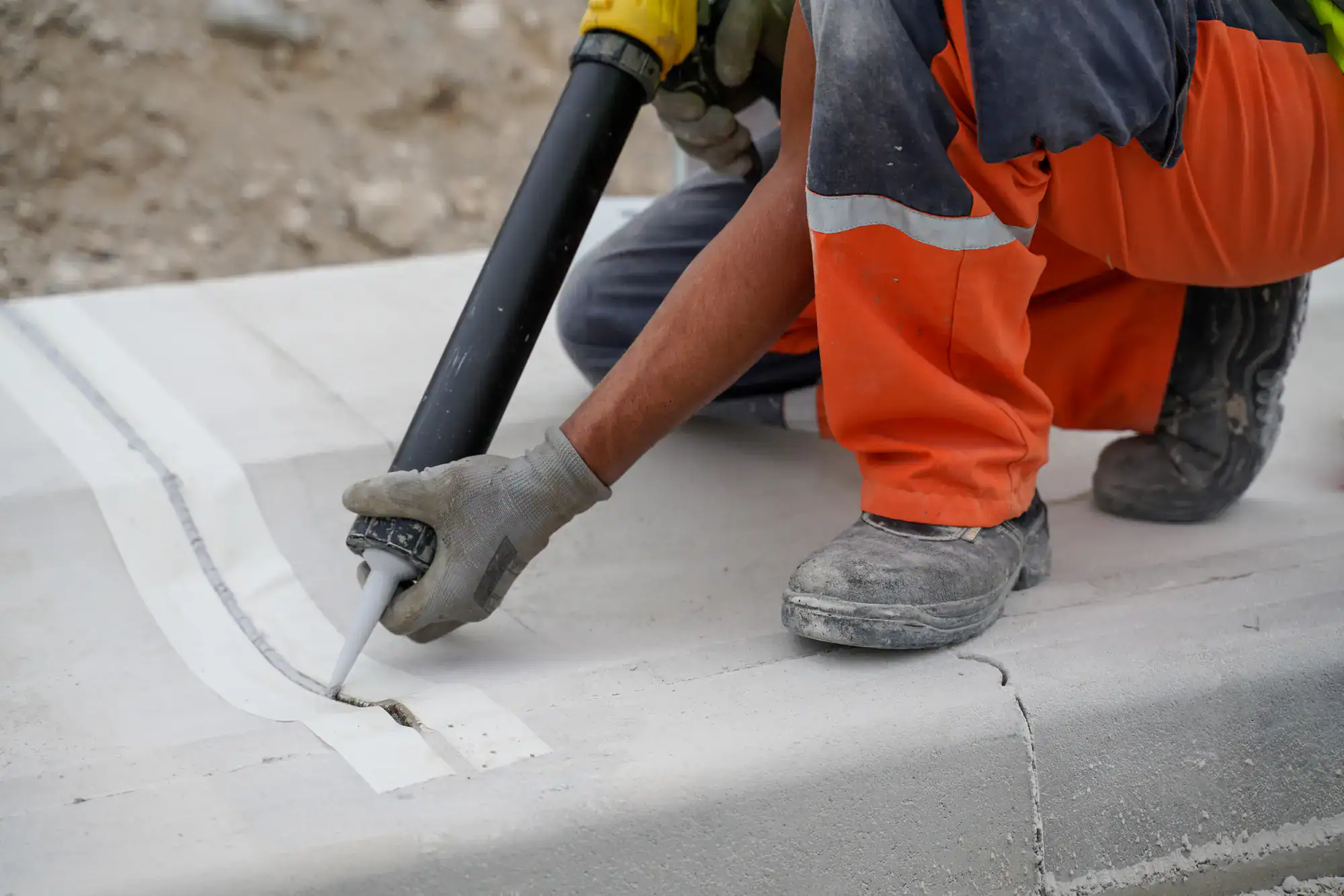
Professional Concrete Sealing Services
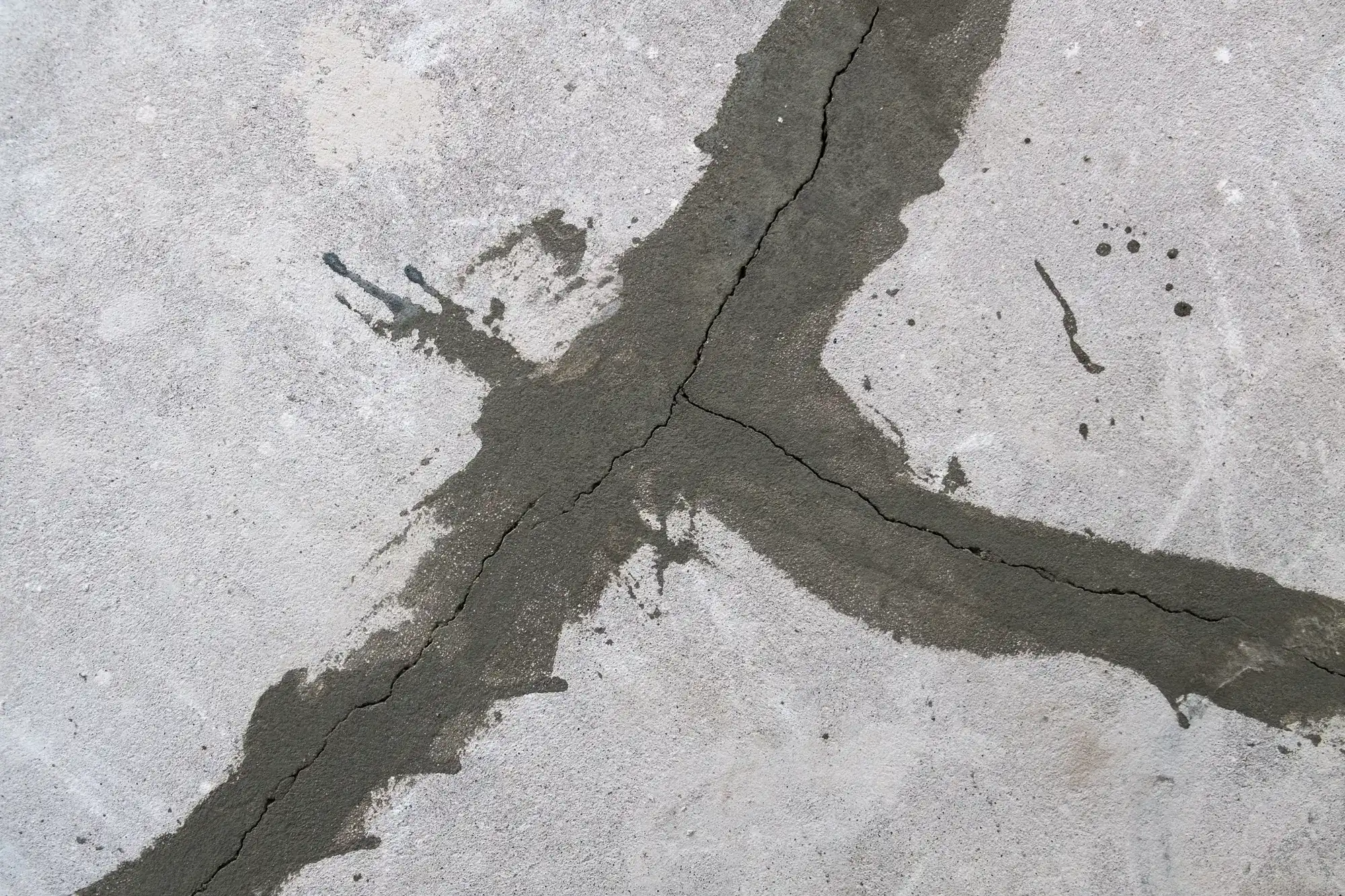
Your concrete isn’t just sitting there looking pretty. It’s absorbing moisture, developing mold, and slowly deteriorating from the inside out. Florida’s humidity and intense UV exposure make this worse, turning what should be a solid foundation into a maintenance nightmare.
Proper concrete sealing creates a moisture barrier that stops water penetration before it starts. You get protection from mold growth, elimination of that musty smell, and concrete that actually gets stronger over time instead of weaker. The right sealer also handles Florida’s brutal sun without breaking down in 1-2 years like most products do.
When moisture can’t get in, you don’t have to deal with expensive mold remediation, failed floor coverings, or the constant cycle of pressure washing that just makes the problem worse.
Queens Cove Concrete Contractors
SPF Industrial has been handling concrete sealing and epoxy flooring projects since 2020, with a client list that includes the US Coast Guard, US Military, City of Doral, and City of Sunny Isles. When government agencies need concrete work done right the first time, they call us.
We work directly with property owners rather than getting buried in general contractor chains. This means transparent pricing, direct communication, and accountability when something needs to be handled quickly. Our emergency response capability has saved Queens Cove businesses from extended downtime when concrete issues threatened operations.
Properties in Queens Cove face unique challenges with moisture intrusion and UV damage from coastal conditions. We use professional-grade Sherwin Williams and Fosroc products specifically chosen for Florida’s climate, not generic sealers that fail within two years.
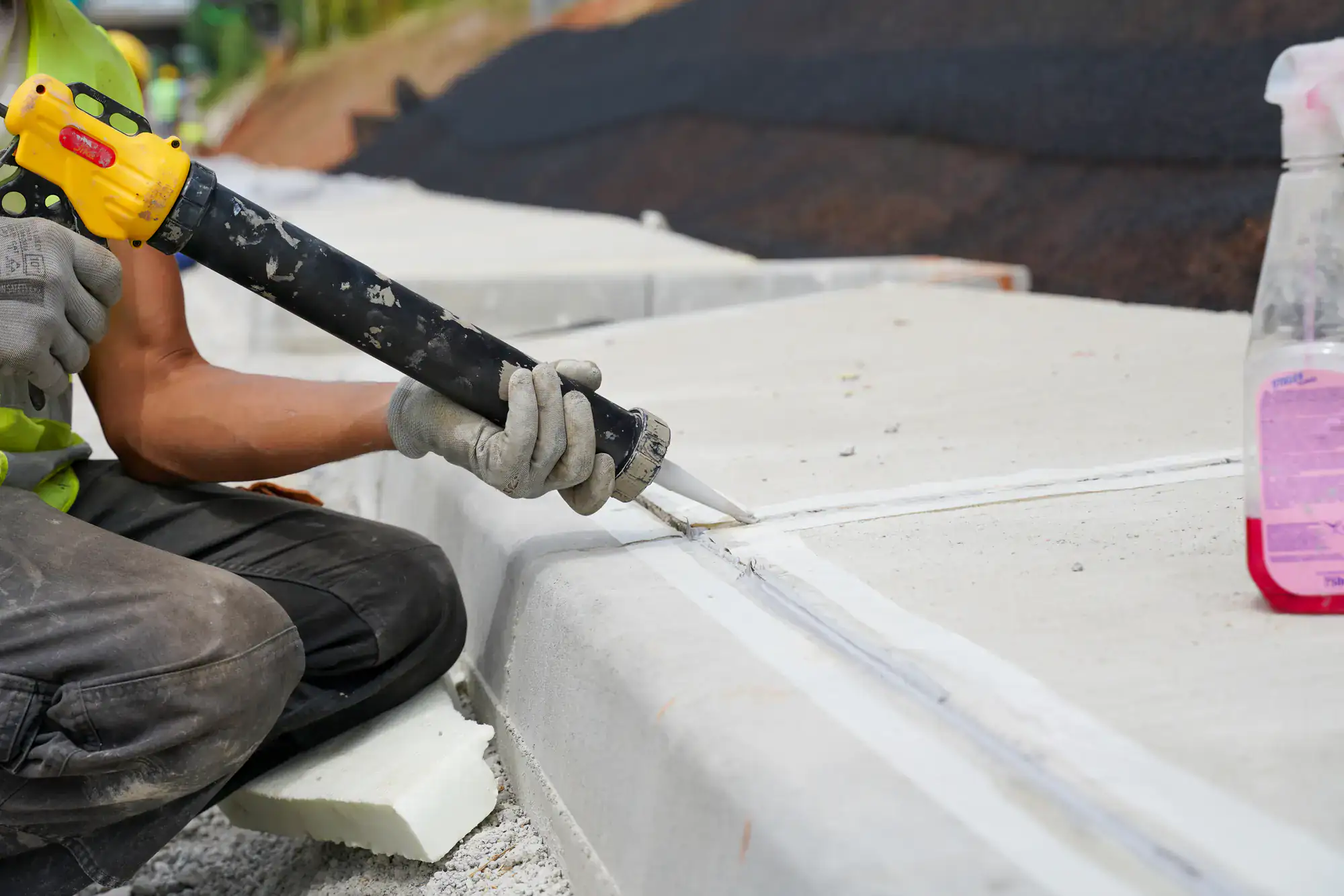
Concrete Sealing Process Florida
First, we test moisture levels in your concrete. This isn’t optional – sealing over trapped moisture creates bigger problems than you started with. Many contractors skip this step, which is why you see white spots and failed sealers peeling up after a few months.
Next comes surface preparation. We clean and prep the concrete properly so the sealer can penetrate up to 1/4 inch deep, not just sit on top. The actual sealing involves multiple coats applied at the right intervals – not the single coat that some companies try to get away with.
The sealer we use creates a hydrophobic barrier that repels water while still allowing vapor to escape. This prevents the trapped moisture problems that cause concrete to deteriorate from within. Most jobs are completed in 24-48 hours, so you’re not dealing with extended downtime.
Ready to get started?
Long-Lasting Flooring Solutions Queens Cove
Our concrete sealing service includes moisture testing, proper surface preparation, and application of UV-resistant sealers designed for Florida conditions. You get slip-resistant surfaces that can handle heavy traffic while preventing the moisture problems that lead to expensive repairs.
Queens Cove’s coastal location means your concrete faces constant humidity and salt air exposure. Standard sealers break down quickly here, but our nanotechnology coatings are specifically formulated to handle these conditions. The sealer penetrates deep and forms permanent bonds with the concrete minerals.
We also handle the details that matter – protecting surrounding areas during application, ensuring proper cure times, and providing follow-up to verify the sealer is performing as expected. The goal is concrete that stays protected for years, not months.
How long does concrete sealing last in Florida’s climate?
Most generic concrete sealers fail within 1-2 years in Florida due to the intense UV exposure and humidity. The cheap acrylic sealers you see advertised simply weren’t designed for our climate conditions.
Our UV-resistant nanotechnology sealers are specifically formulated for Florida’s harsh environment. Lab testing shows these maintain water repellency at the 10-year mark, and we warranty our work because we know the products perform. The key is using the right sealer for the conditions, not just the cheapest option available.
You’ll know a sealer is failing when you start seeing water beading less effectively, or when mold and mildew begin growing on surfaces that were previously protected.
What happens if concrete sealing is done wrong?
Failed concrete sealing creates bigger problems than unsealed concrete. When moisture gets trapped between the concrete and a poorly applied sealer, you get white spots, yellowing, and eventually peeling that costs around $4 per square foot to strip and redo.
The most common mistakes are skipping moisture testing, inadequate surface prep, and using solvent-based sealers that aren’t recommended for Florida. We see this regularly – contractors who don’t understand that concrete needs to breathe while staying protected from water intrusion.
Proper sealing involves moisture testing, surface preparation, and using water-based sealers that penetrate deep while allowing vapor transmission. When done correctly, the sealer becomes part of the concrete structure rather than just a coating on top.
Can you seal concrete that already has moisture problems?
Sealing over existing moisture problems makes them worse, not better. The moisture has nowhere to go and will eventually cause the sealer to fail, often creating white hazing or complete delamination.
We always test for moisture content before sealing. If moisture levels are too high, we address the source first – whether that’s drainage issues, vapor barriers, or other problems. Sometimes this means waiting for concrete to dry properly before sealing can begin.
For concrete with severe moisture issues, we may recommend moisture mitigation systems or specialized primers designed to handle higher moisture content. The goal is a permanent solution, not a temporary fix that fails in six months.
How do you prepare concrete surfaces for sealing?
Surface preparation determines whether your sealer lasts years or months. We start with thorough cleaning to remove dirt, oil, previous failed sealers, and any contaminants that prevent proper adhesion.
Next comes mechanical preparation – grinding or etching to open the concrete pores so the sealer can penetrate deeply. This isn’t just pressure washing; it’s creating the proper surface profile for maximum sealer absorption. We also repair any cracks or damage before sealing begins.
The final step is ensuring the surface is completely clean and at the right moisture content. Many failures happen because contractors rush this process or skip steps to save time. Proper prep work takes time but ensures the sealer performs as intended.
What’s the difference between penetrating and topical concrete sealers?
Penetrating sealers soak into the concrete and create protection from within, while topical sealers form a coating on the surface. For Florida conditions, penetrating sealers typically perform better because they allow the concrete to breathe while repelling water.
Topical sealers can trap moisture underneath, leading to failure in humid climates. They also tend to wear off from traffic and UV exposure. Penetrating sealers become part of the concrete structure and can’t peel or wear away like surface coatings.
We primarily use penetrating siloxane sealers that react with concrete minerals to form permanent hydrophobic barriers. These provide long-term protection without changing the concrete’s appearance or creating slip hazards when wet.
How soon can concrete be used after sealing?
Cure times depend on the sealer type, temperature, and humidity. Our penetrating sealers typically allow light foot traffic after 6-12 hours, with full cure in 24-48 hours. Urethane coatings need 36-48 hours before any traffic.
Temperature and humidity affect cure times significantly. In Florida’s humid conditions, we often extend cure times to ensure proper chemical reaction. Rushing this process leads to sealer failure and the need to redo the entire job.
We provide specific timelines for each project based on conditions and sealer type. For commercial applications where downtime matters, we can often work in phases to keep portions of your facility operational during the sealing process.
Other Services we provide in Queens Cove