


Concrete Sealing in Rosser Reserve, FL
Stop Moisture Damage Before It Starts
Hear from Our Customers
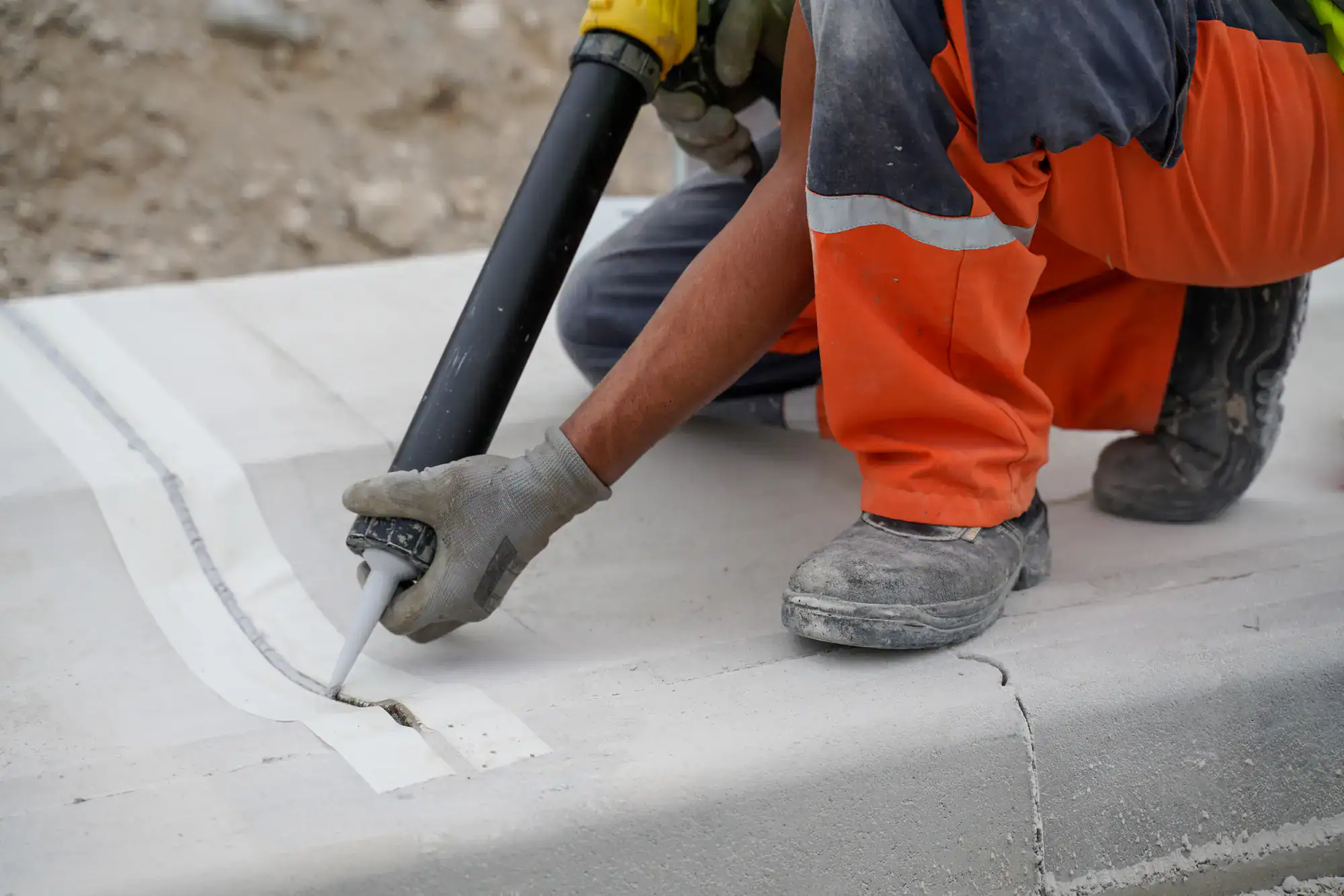
Professional Concrete Sealing Rosser Reserve
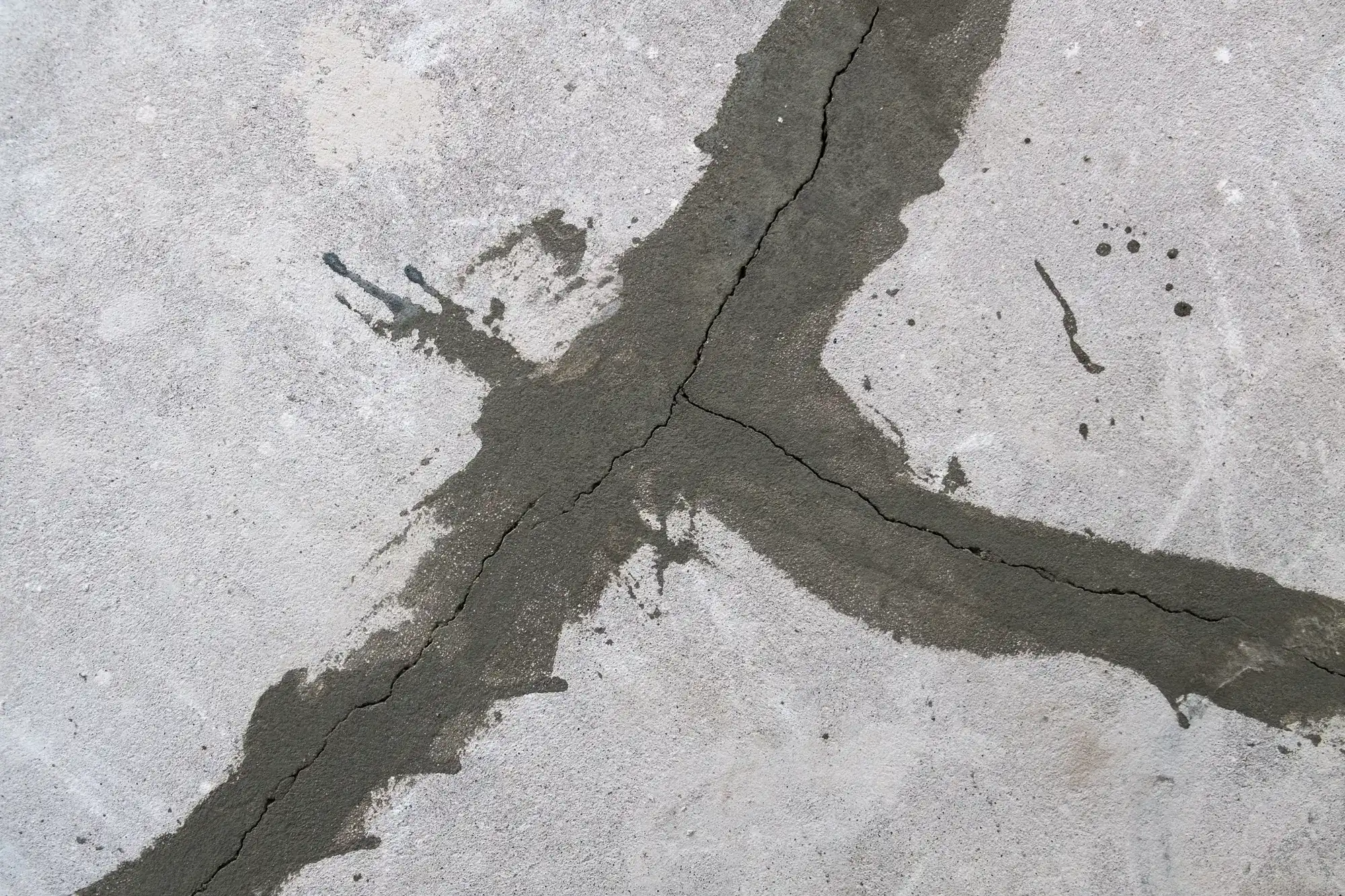
You know that sinking feeling when you spot new cracks, stains, or that telltale white residue on your concrete. In Rosser Reserve’s humid climate, unprotected concrete doesn’t just look bad—it becomes a liability.
Professional concrete sealing changes everything. Your surfaces resist oil stains, chemical spills, and moisture penetration that would otherwise seep through pores and cause expensive damage. The concrete stays structurally sound, increasing tensile strength by up to 30% while preventing the cracking and chipping that costs thousands to repair.
No more pressure washing every few months. No more worrying about mold growth in Florida’s wet season. Just concrete that performs exactly how it should, year after year.
Concrete Sealing Contractors Rosser Reserve
We’ve been solving South Florida’s concrete problems since 2020. While other contractors treat concrete sealing like a simple spray-and-go job, we understand the science behind moisture migration in Florida’s unique climate.
Our team has sealed concrete for the Coast Guard, US Military installations, and municipal projects across South Florida. We’ve seen what works and what fails when humidity levels hit 75%+ and temperatures swing 25 degrees in a single day.
When you choose us in Rosser Reserve, you’re getting contractors who know exactly how Florida’s climate attacks concrete—and exactly how to stop it permanently.
Concrete Sealing Process Rosser Reserve
Every concrete sealing job starts with moisture testing. We measure vapor emission rates and check internal slab conditions because applying sealer to wet concrete guarantees failure. Too many contractors skip this step and wonder why their work peels or bubbles within months.
Once we confirm your concrete is ready, we clean and prepare the surface using professional-grade equipment. This removes all contaminants that would prevent proper adhesion—oil stains, dirt, previous failed sealers, anything that could compromise the bond.
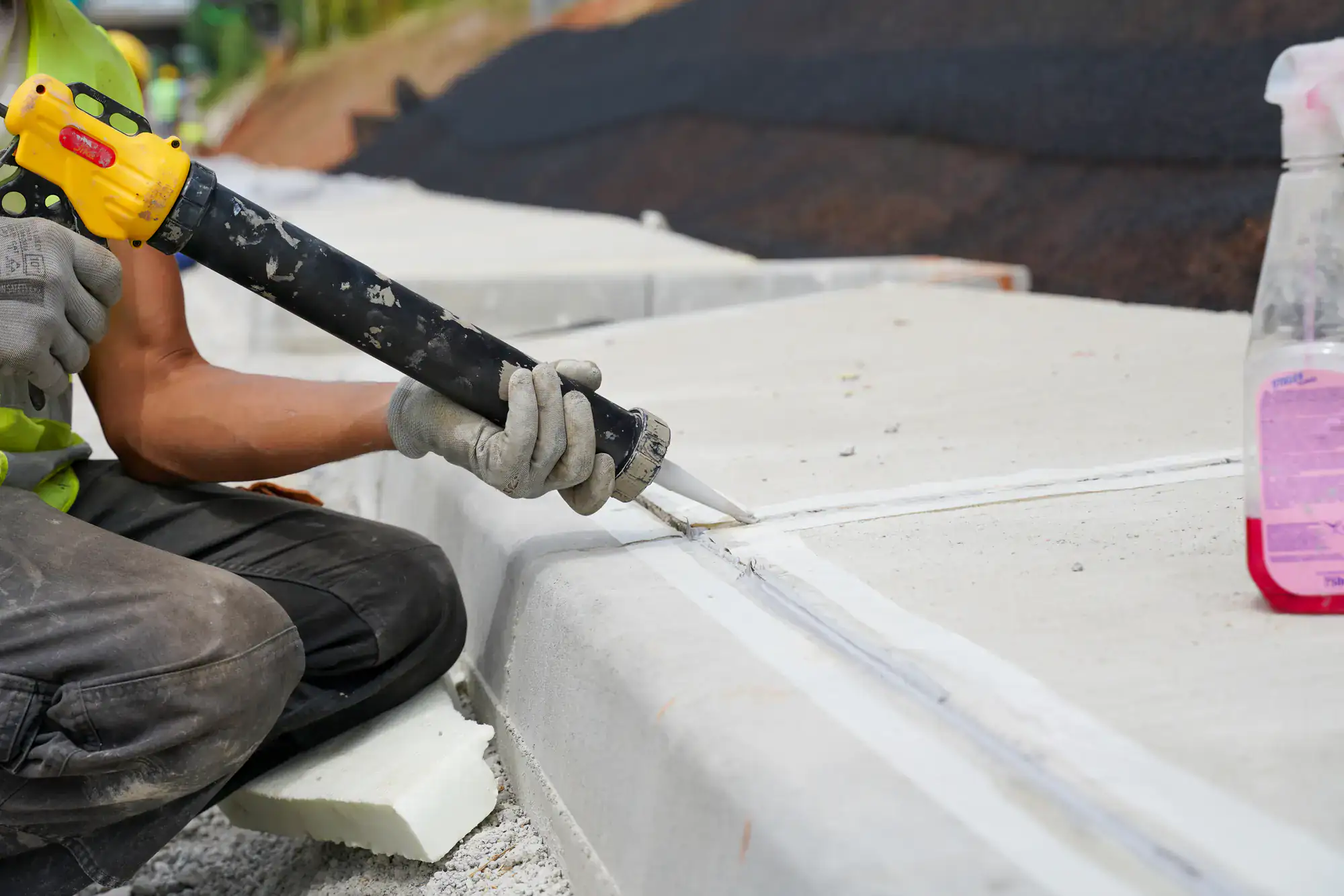
The sealer application itself uses penetrating technology that soaks deep into the concrete pores, forming a permanent barrier against moisture migration. Unlike topical sealers that sit on the surface, our penetrating sealers become part of the concrete structure. The entire process completes in one day, and you can walk on treated surfaces within hours.
Ready to get started?
Moisture Control Floors Rosser Reserve
Rosser Reserve’s location in South Florida means your concrete faces relentless humidity, seasonal flooding, and temperature swings that accelerate moisture migration. Standard concrete sealers fail here because they’re designed for moderate climates, not subtropical conditions.
Our concrete sealing service uses UV-resistant, penetrating sealers specifically formulated for Florida’s harsh environment. These aren’t the consumer-grade products sold at hardware stores—they’re commercial-grade systems that maintain water repellency for 10+ years even under constant moisture exposure.
The service includes complete moisture barrier protection, slip-resistant finish options, and compatibility with existing concrete coatings. Whether you’re protecting a warehouse floor, parking garage, or residential driveway in Rosser Reserve, the sealing system adapts to your specific exposure conditions and traffic requirements.
How long does concrete sealing last in Florida’s humid climate?
Professional-grade penetrating sealers maintain effectiveness for 10-15 years in Florida’s climate when properly applied. The key difference is using sealers specifically formulated for high humidity and UV exposure.
Consumer-grade sealers typically fail within 1-2 years because they’re not designed for Florida’s intense conditions. Our commercial-grade systems penetrate up to 1/4 inch into the concrete, creating a permanent moisture barrier that doesn’t break down under humidity or temperature swings.
Lab testing shows our sealers maintain water beading at the 10-year mark, meaning they continue repelling moisture even after a decade of Florida weather exposure.
What happens if concrete sealing is applied to wet concrete?
Applying sealer to concrete with excessive moisture content causes catastrophic failure—bubbling, peeling, and white discoloration that requires expensive removal and reapplication. This is why moisture testing is critical before any sealing work begins.
In Florida, concrete needs 30-60 days minimum curing time before sealing, significantly longer than drier climates. We use calcium chloride testing to measure vapor emission rates, ensuring readings stay at or below 4 pounds per 1,000 square feet over 24 hours.
If moisture levels are too high, we’ll recommend dehumidification or extended drying time rather than risk a failed application. Proper preparation prevents the $4+ per square foot stripping costs that result from rushed sealing jobs.
Can concrete sealing prevent mold growth in Florida humidity?
Yes, but only when the sealing system prevents moisture penetration in the first place. Mold grows when moisture gets trapped in concrete pores, creating the perfect breeding environment in Florida’s humid conditions.
Penetrating sealers block moisture migration from below while allowing vapor transmission, preventing the moisture buildup that feeds mold growth. This is different from topical sealers that can actually trap moisture if applied incorrectly.
The key is using breathable sealing systems designed for humid climates. Our sealers include anti-microbial properties that provide additional mold resistance while maintaining the concrete’s ability to handle normal vapor transmission without creating moisture problems.
How do you test concrete moisture levels before sealing?
We use two primary testing methods: calcium chloride testing (ASTM F1869) and relative humidity probes (ASTM F2170). Both provide critical data about moisture conditions inside the concrete slab.
Calcium chloride testing measures the amount of moisture vapor emitting from the concrete surface over a 72-hour period. Readings above 4 pounds per 1,000 square feet indicate the concrete isn’t ready for sealing.
Relative humidity testing uses probes inserted into drilled holes at 40% of the slab depth, providing real-time moisture readings from within the concrete. This method is faster and often more accurate for determining internal moisture conditions in Florida’s climate.
What’s the difference between penetrating and topical concrete sealers?
Penetrating sealers soak into the concrete and chemically bond with the substrate, becoming part of the concrete structure. They provide long-term protection without changing the surface appearance or creating a film that can peel or wear off.
Topical sealers sit on the concrete surface, forming a protective film. While they offer some protection and can enhance appearance, they’re more susceptible to wear, UV damage, and adhesion failure in Florida’s climate.
For Florida conditions, penetrating sealers are superior because they handle moisture migration from below while resisting UV breakdown. They last longer, require less maintenance, and won’t fail catastrophically like topical systems can when exposed to constant humidity and temperature swings.
How soon can I use concrete surfaces after sealing?
Most penetrating sealers allow foot traffic within 4-6 hours and full use within 24 hours. The exact timing depends on temperature, humidity, and the specific sealer system used.
In Florida’s humid conditions, we typically recommend waiting the full 24 hours before heavy use to ensure complete curing. High humidity can slow the curing process, and rushing can compromise the sealer’s long-term performance.
Vehicle traffic on driveways or parking areas should wait 24-48 hours depending on the sealer type. We’ll provide specific timing recommendations based on your project’s conditions and intended use patterns.
Other Services we provide in Rosser Reserve