


Concrete Sealing in The Hammocks
Stop Moisture Before It Ruins Everything
Hear from Our Customers
Moisture Control Flooring Solutions
You’re tired of dealing with damp concrete that never seems to dry. The musty smell, the stains that won’t come out, the constant worry about what’s growing underneath your floors.
Here’s what changes when your concrete is properly sealed: no more moisture seeping through the surface, no more mold concerns, and no more expensive repairs down the road. Your floors stay dry, clean, and protected against Florida’s relentless humidity.
The difference isn’t just cosmetic. Sealed concrete is 30% harder and more durable than untreated surfaces. It resists oil stains, water damage, and the kind of wear that forces expensive replacements.
Commercial Flooring Contractor Hammocks
We understand what concrete faces in The Hammocks. The 72-76% humidity levels that make other contractors’ work fail within months. The ground moisture that seeps up through slabs. The temperature swings that crack inferior sealants.
We’ve been solving these problems for local businesses and homeowners who need floors that work in Florida’s climate. Not the generic solutions that work up north, but systems engineered for our specific conditions.
Our approach starts with proper testing and preparation. We don’t guess about moisture levels or skip the surface prep that ensures lasting adhesion.

Long-lasting Flooring Solutions Process
First, we test your concrete’s moisture levels using industry-standard calcium chloride testing. This tells us exactly what we’re working with, not what we hope we’re working with.
Next comes surface preparation. We diamond grind the concrete to remove contaminants and create the profile needed for proper adhesion. This step separates professional results from failed DIY attempts.
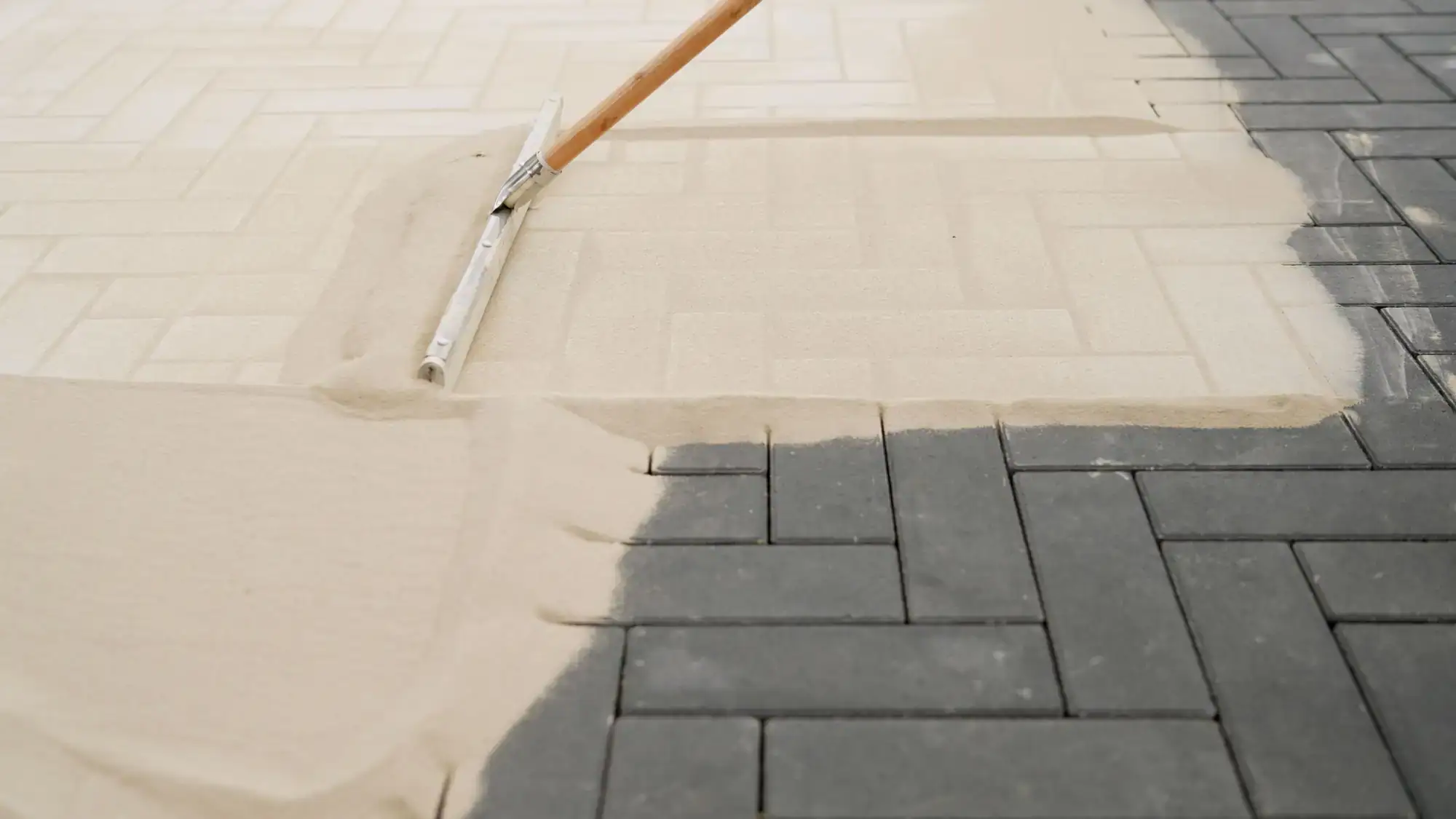
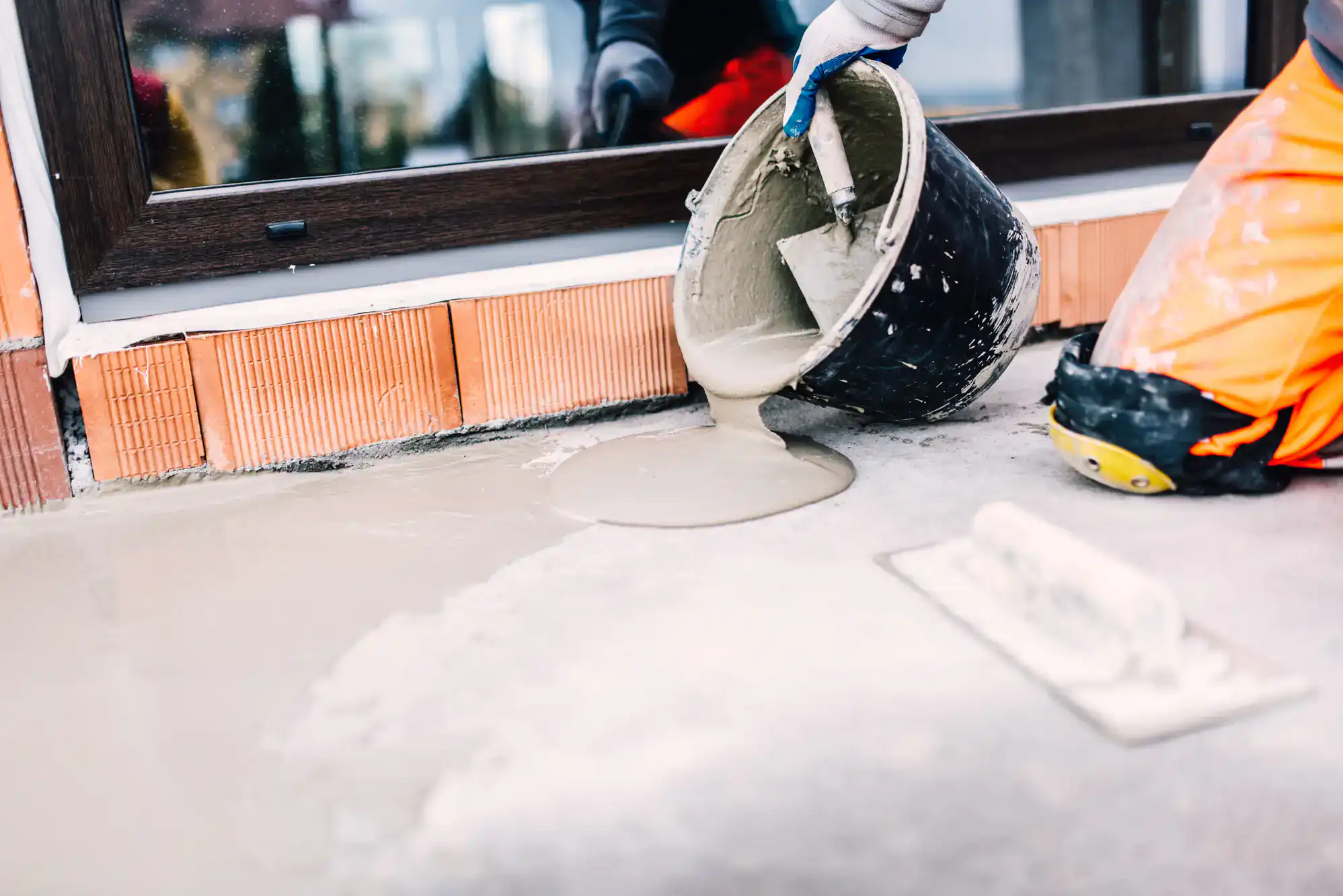
Then we apply our penetrating sealer system. It doesn’t just sit on top like paint—it chemically bonds within the concrete’s pores, creating a permanent barrier against moisture migration. The sealer cures in 6 hours, but the protection lasts decades.
Finally, we conduct quality checks to ensure complete coverage and proper curing. You get documentation of the work and a clear warranty on the results.
Ready to get started?
Concrete Sealing Services Hammocks
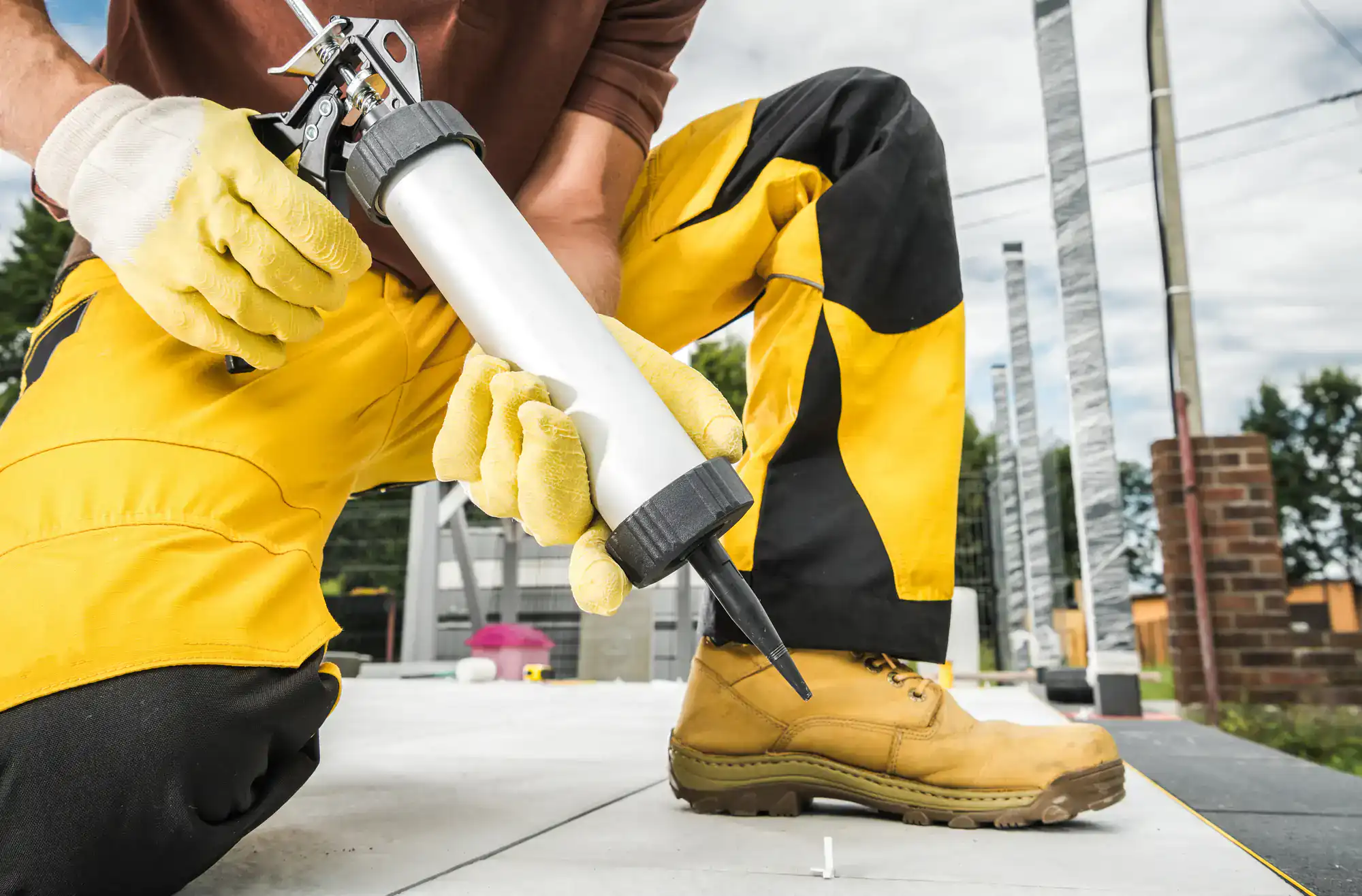
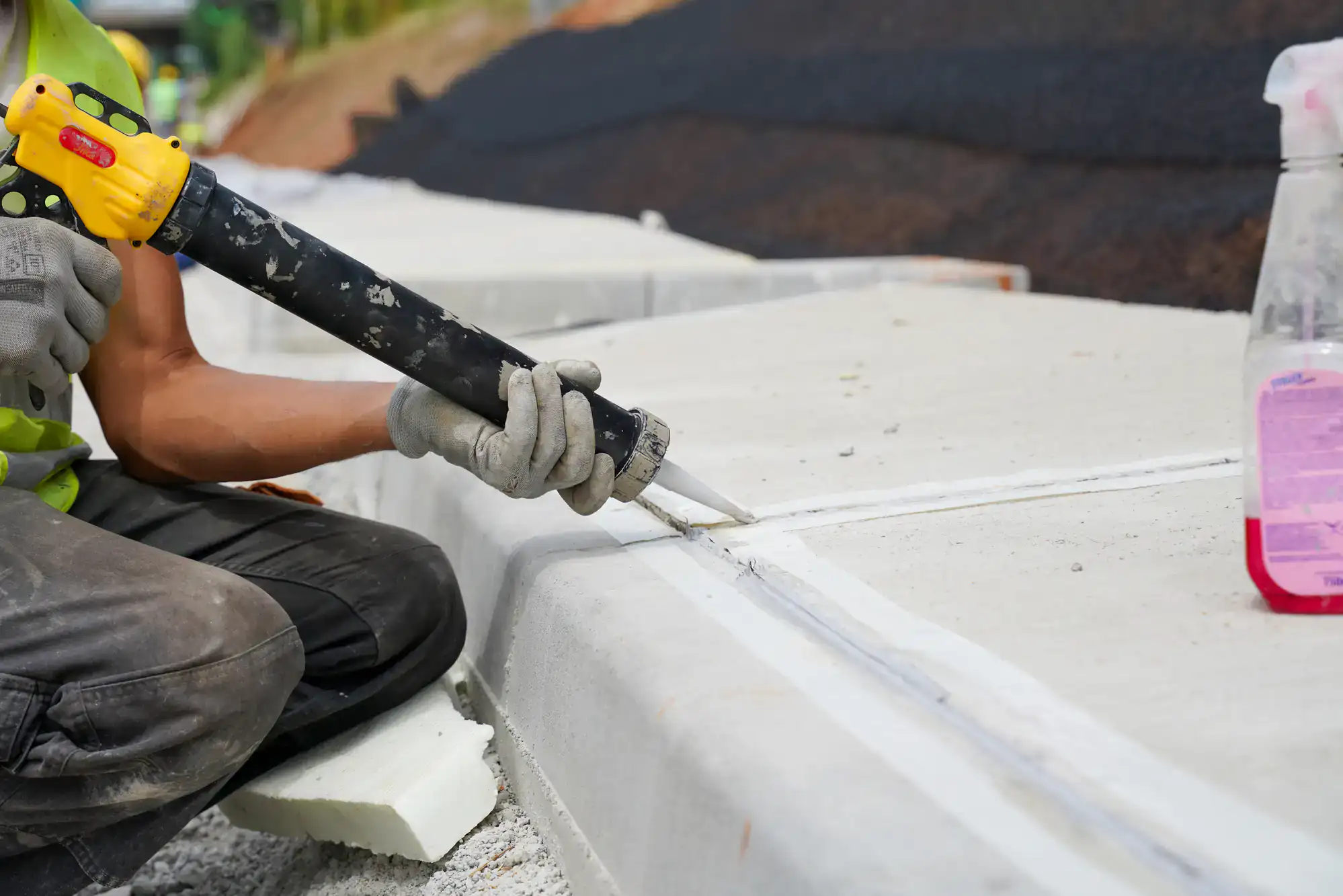
Your concrete sealing project includes moisture testing, complete surface preparation, premium penetrating sealant application, and a 20-year warranty against moisture-related failures.
In The Hammocks, we see the same problems repeatedly: concrete slabs installed without proper vapor barriers, humidity levels that exceed most sealants’ capabilities, and ground water issues that create ongoing moisture problems. Our sealing systems address these local challenges specifically.
The sealant we use includes antimicrobial additives that prevent mold and mildew growth—crucial in our climate. It also increases your concrete’s density and hardness by up to 30%, making it more resistant to the wear and impact that damage unsealed surfaces.
For commercial properties, we can complete most projects with minimal disruption to your operations. The sealer cures quickly enough that you can resume normal use within hours, not days.
How long does concrete sealing last in Florida’s humid climate?
Professional-grade penetrating sealers last 10-20 years in Florida’s climate when properly applied. The key difference is using penetrating sealers rather than surface coatings that fail in high humidity.
Surface coatings like acrylics typically fail within 1-3 years in Florida because they can’t handle the moisture vapor transmission through concrete slabs. Penetrating sealers work differently—they chemically react within the concrete’s pores to create a permanent barrier that moves with the concrete rather than sitting on top of it.
Our systems include a 20-year warranty specifically because we use commercial-grade materials designed for Florida’s challenging conditions. The warranty covers both materials and labor if moisture-related issues develop.
Can you seal concrete that already has moisture problems?
Yes, but the moisture source must be identified and addressed first. Simply sealing over existing moisture problems will cause the sealer to fail and can actually make the situation worse.
We start every project with moisture testing using calcium chloride tests and relative humidity probes. If moisture levels exceed acceptable limits (typically above 4 pounds per 1,000 square feet over 24 hours), we identify whether it’s coming from humidity, ground water seepage, or a failed vapor barrier.
For humidity-related moisture, we can often proceed after proper drying and climate control. For ground water issues, we may need to address drainage problems first. In some cases, we can use specialized moisture-tolerant systems that work even with some vapor transmission present.
What’s the difference between DIY sealers and professional concrete sealing?
DIY sealers from big box stores are typically paint-based products with minimal epoxy content. They fail quickly in Florida’s humidity because they’re not designed for our climate conditions.
Professional sealers are 100% solids penetrating systems that chemically bond within the concrete. They require proper surface preparation, moisture testing, and application techniques that most homeowners don’t have access to. The equipment alone—diamond grinders, moisture meters, professional spray systems—represents a significant investment.
We see DIY failures regularly. About 40% of our business involves fixing failed sealer applications that trapped moisture, created adhesion problems, or simply peeled off within months. The cost of stripping and reapplying often exceeds the original professional installation cost.
How do you handle concrete sealing around pools and outdoor areas?
Pool decks and outdoor concrete require specialized sealers that handle constant moisture exposure, chlorine contact, and UV radiation. We use different sealer formulations for these applications than we do for interior floors.
For pool areas, we typically use polyurethane or specialized epoxy systems with UV inhibitors. These provide excellent chemical resistance against pool chemicals while maintaining slip resistance—crucial for safety around water. We can also add texture additives to increase traction on wet surfaces.
The application timing is critical for outdoor work. We avoid application during rainy periods and ensure temperatures stay above 50°F for at least 24 hours after application. In Florida’s climate, this often means scheduling work during specific weather windows rather than rushing the process.
What preparation is required before concrete sealing application?
Proper preparation is the most critical factor in sealer performance. We start with thorough cleaning to remove all contaminants, oils, and existing coatings that could interfere with adhesion.
Diamond grinding follows the cleaning. This creates the surface profile needed for mechanical bonding and opens the concrete’s pores for penetrating sealer absorption. The grinding also removes the top layer where most contaminants reside.
Moisture testing happens after preparation. We use both calcium chloride tests and relative humidity probes to ensure the concrete is ready for sealing. If moisture levels are too high, we use dehumidification equipment or wait for better conditions rather than proceeding with a job that will fail.
How soon can sealed concrete be used after application?
You can walk on sealed concrete within 6-12 hours, but full cure and maximum performance take 24-48 hours depending on temperature and humidity conditions. Heavy traffic and equipment should wait for complete curing.
The curing process is different from drying. While the sealer may feel dry to the touch quickly, the chemical reaction that creates the permanent bond continues for days. Rushing this process by exposing the sealer to heavy use, moisture, or chemicals can compromise the final performance.
For commercial applications where downtime must be minimized, we can schedule work in phases or during off-hours. We also offer rapid-cure systems for emergency situations, though standard cure times provide the best long-term results. Temperature and humidity control during curing significantly impacts the final sealer performance.
Other Services we provide in The Hammocks