


Concrete Sealing in Weston, FL
Stop Moisture Before It Destroys Your Concrete
Your concrete faces Florida’s toughest enemy every day: moisture. Without proper sealing, you’re looking at cracks, mold, and expensive repairs that could have been prevented.
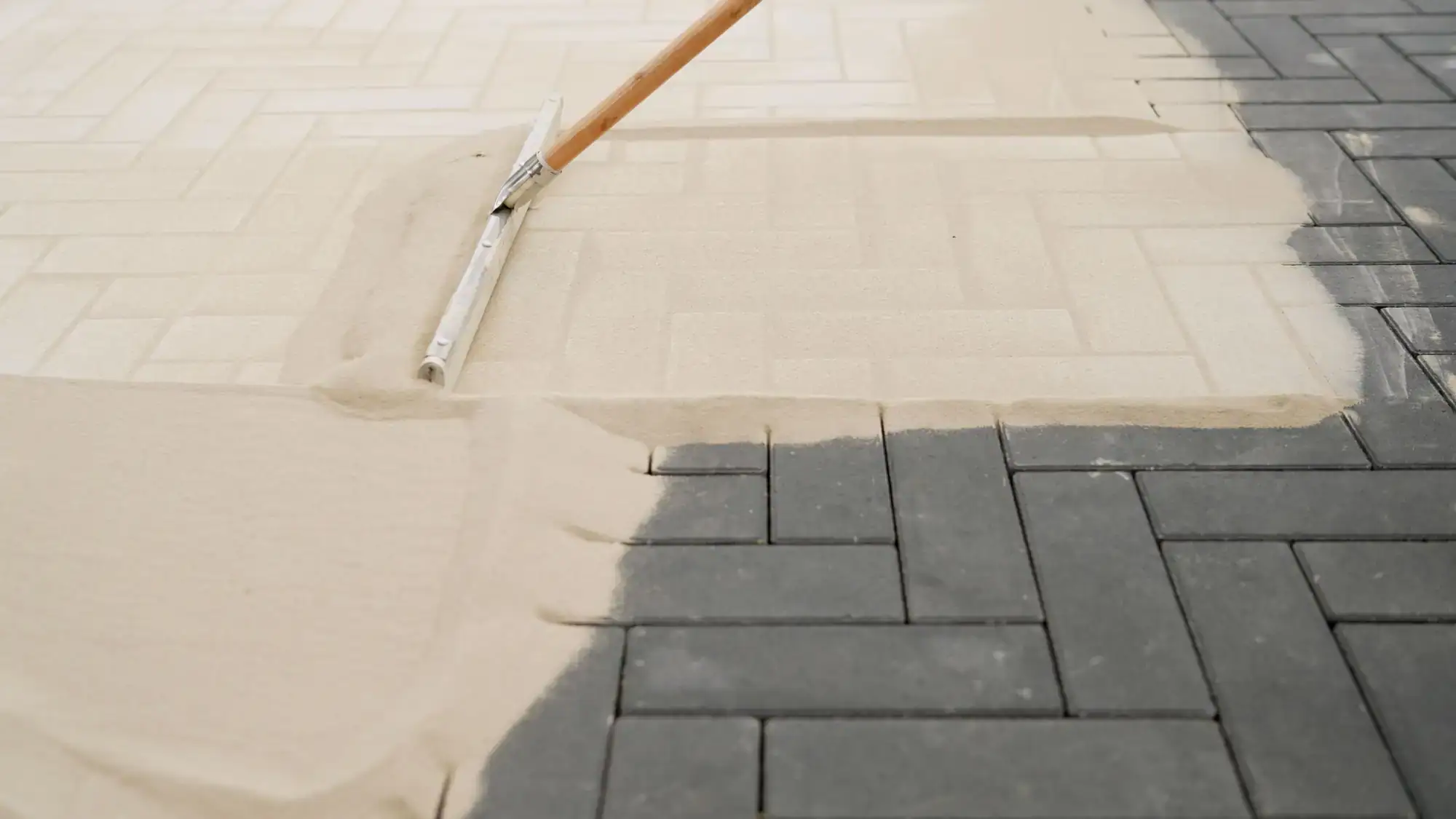
Hear from Our Customers
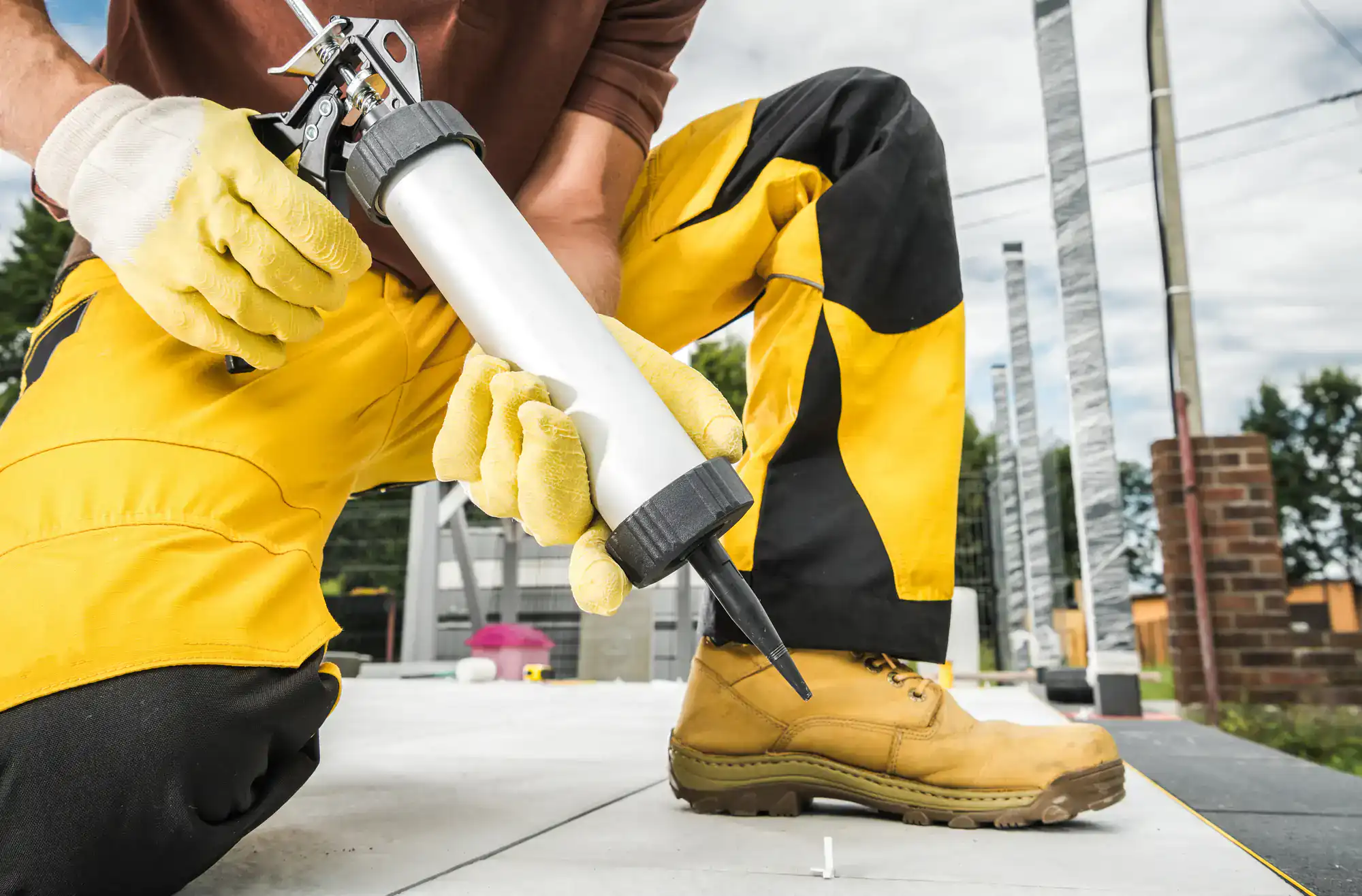
Professional Concrete Moisture Control Weston
What Proper Sealing Actually Does
Here’s what happens when your concrete is sealed right. Water stops penetrating the surface, which means no more moisture working its way through pores and creating problems from the inside out.
Your concrete stays structurally sound. No more worry about freeze-thaw cycles during those rare cold snaps, or constant moisture creating perfect conditions for mold and mildew.
The surface becomes easier to maintain and clean. Stains don’t penetrate as deeply, and regular maintenance becomes simpler and less frequent. You’re looking at years of protection instead of constant repairs.
Weston Commercial Flooring Contractor
Why Weston Businesses Choose SPF Industrial
We’re a veteran-owned company that’s been handling concrete sealing and flooring solutions across South Florida for years. Our approach is straightforward: do the job right the first time, every time.
Everything we do stays in-house with our full-time team. No subcontractors, no surprises, no corners cut. When you work with us, you’re working directly with the people who will be on your property doing the work.
Weston’s climate presents specific challenges that we understand completely. The humidity, the UV exposure, the occasional temperature swings – we’ve seen how all of these factors affect concrete over time, and our sealing process accounts for every one of them.

Concrete Sealing Process Weston Florida
How We Seal Concrete the Right Way
First, we evaluate your concrete thoroughly. We test for moisture levels, assess the current condition, and identify any existing damage that needs attention before sealing begins.
Next comes preparation – the most critical step that many contractors skip. We handle shot-blasting, diamond grinding, or scarifying depending on what your surface needs. Any cracks or imperfections get repaired properly before we move forward.
Then we apply the sealer using commercial-grade materials designed specifically for Florida’s climate conditions. These aren’t off-the-shelf products – they’re industrial-grade sealers that can handle UV exposure, humidity, and everything else South Florida throws at them.
The final step is curing time. We’ll let you know exactly when you can resume normal use, typically 12 hours for foot traffic and 72 hours for vehicles and equipment.
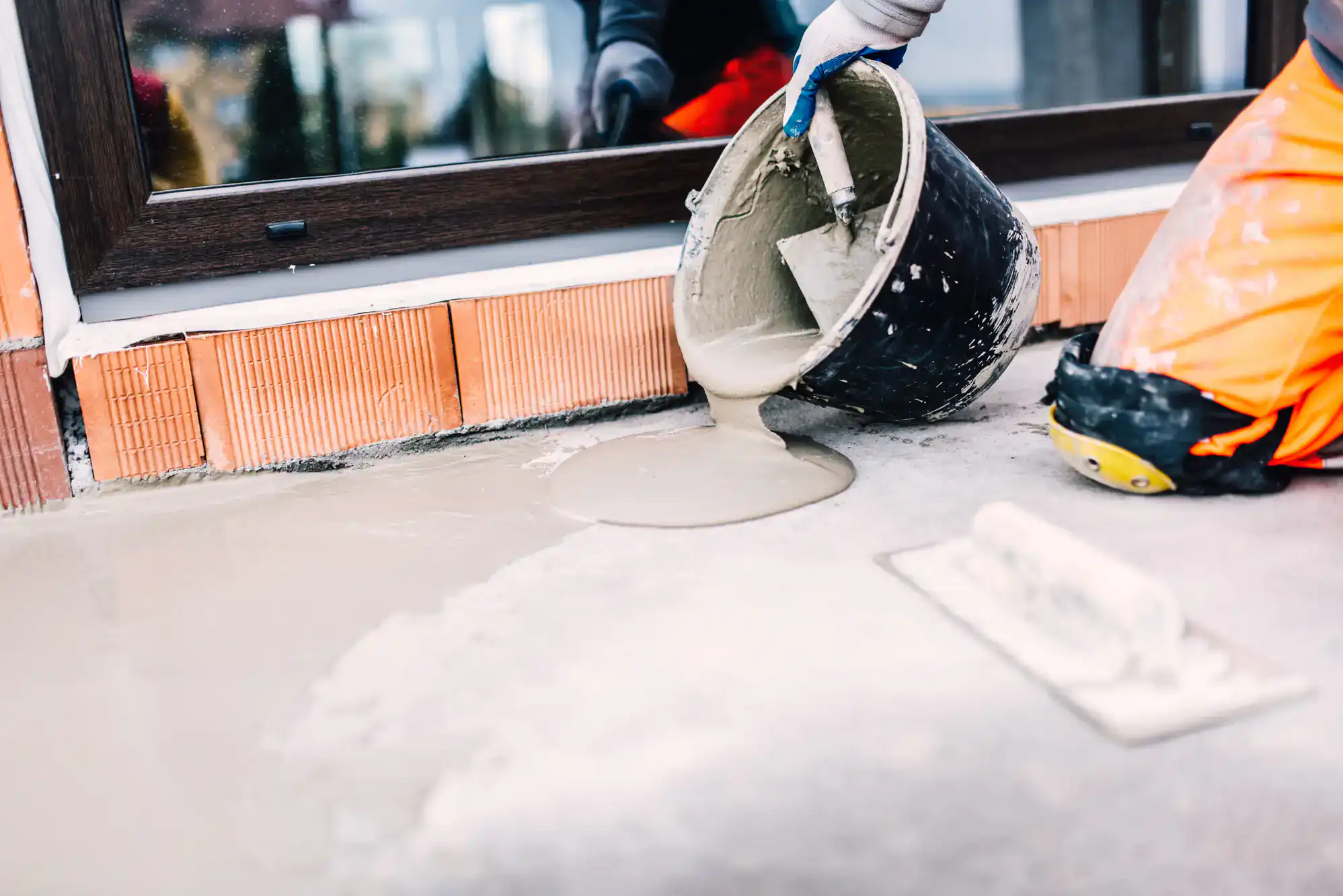
Ready to get started?
Long-lasting Flooring Solutions Weston
What’s Included in Our Sealing Service
Your concrete sealing project includes complete surface preparation, moisture testing, and application of commercial-grade sealers designed for Florida conditions. We handle every aspect from start to finish.
In Weston specifically, we see a lot of concrete that’s been damaged by the area’s high humidity and frequent afternoon storms. The moisture comes from above and below, and standard sealers often fail within a year or two because they weren’t designed for this environment.
Our sealers are different. They’re formulated to handle the UV exposure that damages most products, the humidity that causes standard sealers to fail, and the moisture pressure that comes from below ground level.
You’ll also get our warranty coverage, which is broader and longer than what most contractors offer because we use materials and methods that actually last in this climate.
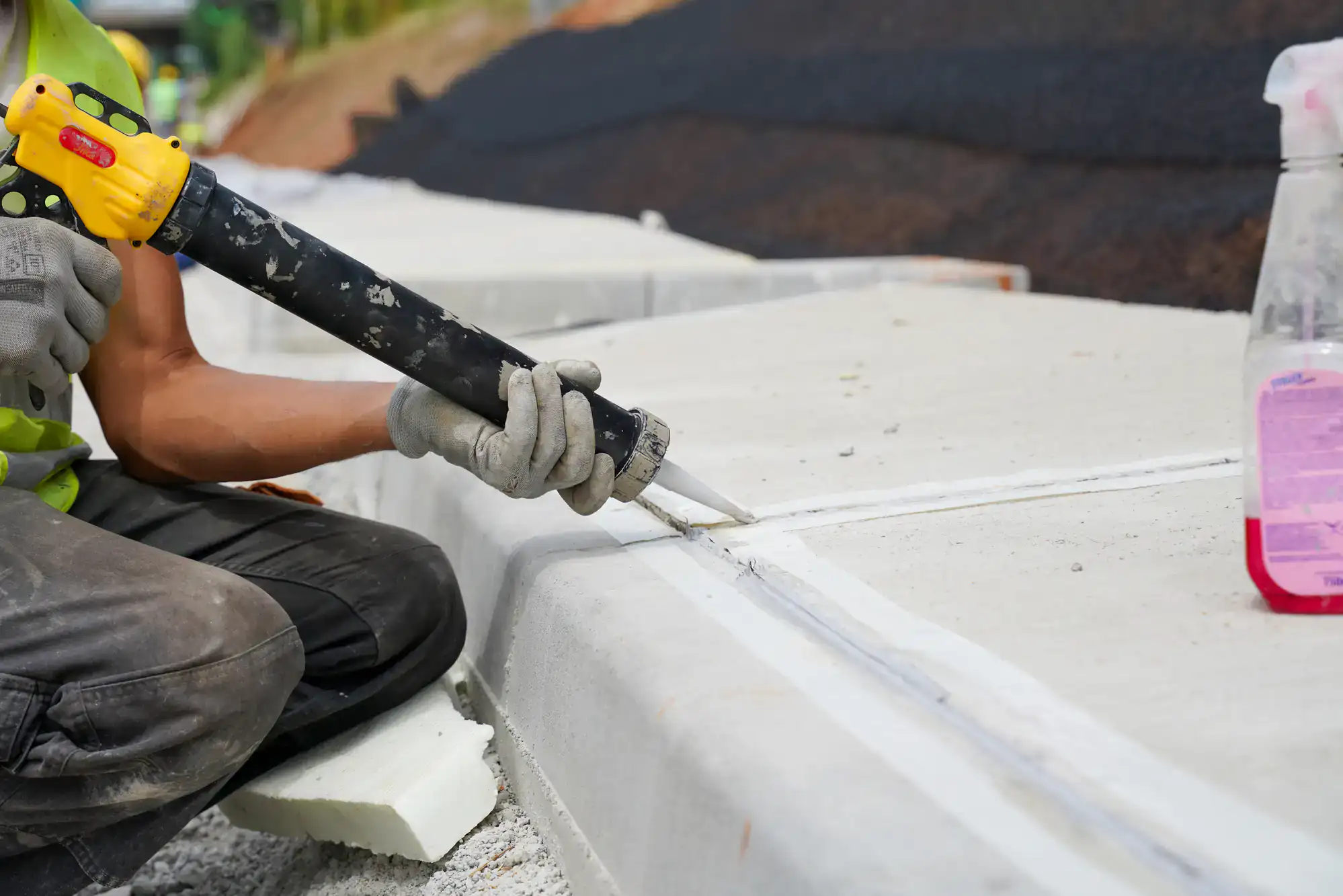
How long does concrete sealing last in Florida’s climate?
The lifespan depends entirely on the quality of materials and application process. Most standard sealers fail within 1-2 years in Florida because they can’t handle the UV exposure and humidity levels.
Our commercial-grade sealers are specifically formulated for harsh climates like South Florida. With proper application and surface preparation, you’re looking at significantly longer protection – often several times longer than standard products.
The key difference is in the preparation work and material selection. We don’t use residential-grade products that break down quickly under Florida conditions. Everything we apply is designed for commercial and industrial use, which means it’s built to last.
What happens if moisture gets trapped under the sealer?
This is exactly why proper moisture testing and surface preparation are critical. When moisture gets trapped, you’ll see white or yellow discoloration, and eventually the sealer will fail completely.
Before we apply any sealer, we test the concrete’s moisture levels to ensure it’s ready. If the concrete is too wet, we’ll address that issue first rather than seal over a problem that will only get worse.
We also use penetrating sealers that allow the concrete to breathe while still providing protection. This prevents the moisture trap issue that happens with surface-only sealers that create an impermeable barrier over wet concrete.
Can you seal concrete that already has moisture problems?
Yes, but we have to address the moisture issue first. Simply sealing over existing moisture problems will make things worse, not better.
We start by identifying where the moisture is coming from – whether it’s surface water, humidity condensation, or groundwater coming up through the slab. Each source requires a different approach.
Once we’ve addressed the root cause, we can apply the appropriate sealing system. Sometimes this involves additional steps like moisture mitigation products or allowing extra drying time, but the end result is a properly sealed surface that won’t have ongoing moisture issues.
How soon can we use the concrete after sealing?
Foot traffic is typically safe after 12 hours, but we recommend waiting as long as possible before putting heavy equipment or vehicles back on the surface.
For full vehicle and equipment traffic, wait 72 hours minimum. This gives the sealer time to cure properly and reach its full strength and chemical resistance.
The exact timing can vary based on temperature, humidity, and the specific products we use for your project. We’ll give you specific guidance based on the conditions during your installation and the type of traffic your concrete will see.
Why do some sealers turn white or peel in Florida?
This usually happens when the wrong type of sealer is used or when proper surface preparation is skipped. Many sealers aren’t designed for Florida’s intense UV exposure and high humidity levels.
Surface preparation is critical. If the concrete isn’t properly cleaned and prepared, or if moisture levels are too high, the sealer won’t bond correctly and will eventually fail.
We use UV-stable sealers that won’t break down under Florida sun, and we never skip the preparation steps. Our process includes moisture testing, proper cleaning, and surface preparation that ensures the sealer bonds correctly and stays bonded.
What’s the difference between penetrating and surface sealers?
Penetrating sealers soak into the concrete pores and bond chemically with the substrate. They provide protection without changing the appearance and allow the concrete to breathe.
Surface sealers create a film on top of the concrete. They can enhance appearance with gloss or color, but they’re more prone to wear and can trap moisture if not applied correctly.
For Florida conditions, we typically recommend penetrating sealers because they handle moisture better and don’t break down under UV exposure like some surface sealers do. The choice depends on your specific needs, traffic levels, and appearance preferences.
Other Services we provide in Weston